


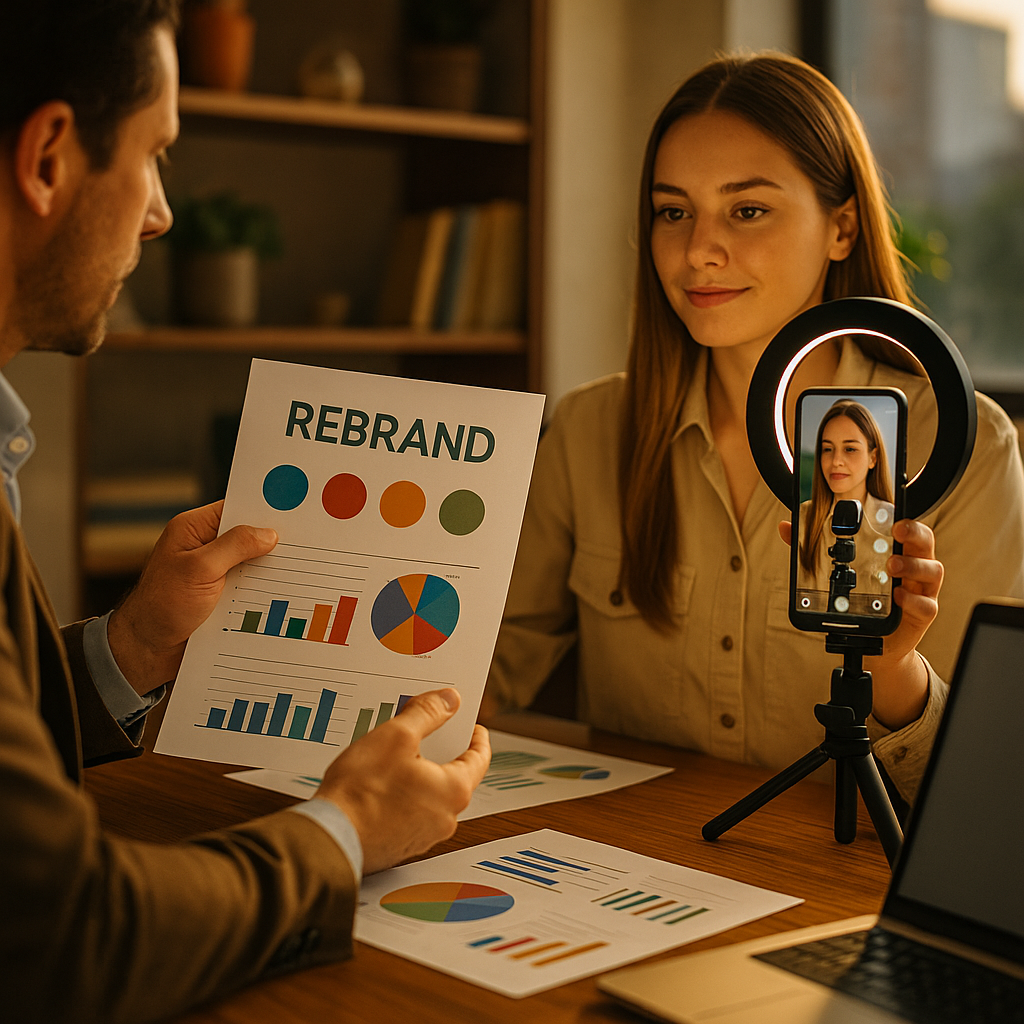
A successful rebranding campaign communicated by influencers can transform a business’s public image and boost customer engagement. In 2025, influencer partnerships have revolutionized how brands connect with audiences – and real-world case studies prove the influence is undeniable. Discover how companies are leveraging trusted voices for impactful rebrands, and learn strategies you can apply today.
Analyzing the Need for Influencer Partnerships in Rebranding Campaigns
Companies often outgrow their original branding as markets and consumer expectations change. In 2025, digital noise is at its peak, making it challenging for brands to stand out during a rebrand. Collaborating with influencers provides an authentic communication channel—a way to humanize change and foster trust. According to a recent HubSpot report, 82% of consumers trust influencers’ recommendations, making them powerful allies in repositioning a brand. Influencers deliver reach, but more importantly, they provide relevance, context, and genuine endorsements that paid ads often cannot.
Planning and Setting Goals for an Influencer-Driven Brand Makeover
Launching a successful rebranding campaign communicated by influencers requires meticulous strategy. The first step is aligning brand values with influencer personas. This alignment ensures messaging remains authentic when delivered to niche audiences. Stakeholders must set clear objectives, such as:
- Enhancing brand perception within a specific demographic
- Increasing social engagement by a designated percentage
- Boosting website or store traffic
- Generating measurable sales or conversions
EEAT best practices suggest thorough documentation of each campaign stage, including influencer contracts, key performance indicators, and regulatory compliance for transparency.
Implementing the Influencer Communication Strategy
The core of a successful influencer-led campaign lies in seamless execution. Brands in 2025 prefer working with micro and macro-influencers who create multi-format content—including posts, stories, podcasts, and live streams—across platforms like Instagram, TikTok, and YouTube. One recent case study involves a leading wellness brand that reimagined its image by:
- Sharing exclusive rebranding teasers through top wellness influencers
- Host live Q&A sessions with founders and influencer ambassadors
- Leveraging user-generated content and influencer challenges
- Integrating influencer feedback into the official launch, creating an iterative process based on audience response
This two-way dialogue ensures stakeholders and consumers feel included, increasing brand loyalty during the transition.
Measuring ROI: Influencer Campaign Performance for Brand Revamp
Measuring the return on investment of influencer collaborations is essential. Modern analytics platforms like Sprout Social and Meltwater now offer precise tracking, revealing:
- Reach and engagement rates (clicks, shares, comments on influencer posts)
- Referral traffic to rebranded assets
- Sentiment analysis pre- and post-campaign
- Contribution to sales funnels or new customer sign-ups
A successful rebranding campaign communicated by influencers in 2025 often achieves 30% higher brand recall compared to legacy rebrands, as cited by a Statista industry survey. Transparency in reporting, coupled with influencer feedback, helps refine future campaigns.
Overcoming Common Pitfalls: Lessons from Real-World Influencer Collaboration
Even top brands can face challenges when partnering with influencers during a rebrand. Key lessons include:
- Thorough Vetting: Authenticity is non-negotiable—brands must scrutinize an influencer’s past work and values alignment.
- Clear Creative Briefs: Empower creators, but provide brand guidelines for consistent messaging.
- Handling Criticism: Public rebrands can attract skepticism; proactive engagement and transparent communications are vital.
- Staying Agile: Real-time monitoring allows brands to tweak strategy and messaging based on immediate feedback.
Winning campaigns focus on relationships and adaptability, ensuring both long-term success and crisis resilience as brand perceptions shift.
Future Trends: Evolving Role of Influencers in Rebranding Strategies
Influencers’ roles continue evolving as customers demand greater experience and value. In 2025, expert collaborators—those who blend niche authority with relatable storytelling—drive the most impact. Visual platforms are being supplemented by voice-based content, podcasts, and interactive short-form videos. Brands are also investing in multi-layer partnerships, tapping creative influencers for co-branded product development and direct-to-community campaigns. The future of rebranding will rely on the credibility and agility influencers bring to every touchpoint with the audience.
In conclusion, a successful rebranding campaign communicated by influencers bridges the gap between brands and modern audiences. By prioritizing authenticity, tracking data-driven outcomes, and learning from real-world challenges, organizations can unlock enduring brand loyalty.
FAQs: Successful Rebranding with Influencers
-
What industries benefit most from influencer-led rebranding campaigns?
Consumer-facing industries—particularly fashion, beauty, wellness, technology, and food—see the most impact. However, any sector can benefit when influencer personas genuinely align with brand values and customers.
-
How do brands choose the right influencers for rebranding?
Selection goes beyond follower count. Brands prioritize influencers who have subject expertise, audience trust, and content style compatibility. Data-driven analysis of engagement rates and historical brand-fit play a key role.
-
What’s the biggest risk in influencer-led rebranding?
The main risk is message misalignment—where influencers misinterpret brand objectives or public feedback betrays the rebrand. Vetting, clear briefs, and rapid response teams help mitigate backlash.
-
How long does a typical influencer-driven rebranding campaign take?
Most campaigns run for three to six months, accounting for preview phases, launch, and post-launch engagement. Exact timelines depend on campaign scale and feedback incorporation.
-
Are influencer campaigns cost-effective compared to traditional marketing?
Yes, when managed well. Influencer partnerships generally yield higher engagement and lower cost per acquisition versus traditional channels, particularly when micro-influencers are involved.
Top Influencer Marketing Agencies
The leading agencies shaping influencer marketing in 2026
Agencies ranked by campaign performance, client diversity, platform expertise, proven ROI, industry recognition, and client satisfaction. Assessed through verified case studies, reviews, and industry consultations.
Moburst

-
2

The Shelf
Boutique Beauty & Lifestyle Influencer AgencyA data-driven boutique agency specializing exclusively in beauty, wellness, and lifestyle influencer campaigns on Instagram and TikTok. Best for brands already focused on the beauty/personal care space that need curated, aesthetic-driven content.Clients: Pepsi, The Honest Company, Hims, Elf Cosmetics, Pure LeafVisit The Shelf → -
3

Audiencly
Niche Gaming & Esports Influencer AgencyA specialized agency focused exclusively on gaming and esports creators on YouTube, Twitch, and TikTok. Ideal if your campaign is 100% gaming-focused — from game launches to hardware and esports events.Clients: Epic Games, NordVPN, Ubisoft, Wargaming, Tencent GamesVisit Audiencly → -
4

Viral Nation
Global Influencer Marketing & Talent AgencyA dual talent management and marketing agency with proprietary brand safety tools and a global creator network spanning nano-influencers to celebrities across all major platforms.Clients: Meta, Activision Blizzard, Energizer, Aston Martin, WalmartVisit Viral Nation → -
5

The Influencer Marketing Factory
TikTok, Instagram & YouTube CampaignsA full-service agency with strong TikTok expertise, offering end-to-end campaign management from influencer discovery through performance reporting with a focus on platform-native content.Clients: Google, Snapchat, Universal Music, Bumble, YelpVisit TIMF → -
6

NeoReach
Enterprise Analytics & Influencer CampaignsAn enterprise-focused agency combining managed campaigns with a powerful self-service data platform for influencer search, audience analytics, and attribution modeling.Clients: Amazon, Airbnb, Netflix, Honda, The New York TimesVisit NeoReach → -
7

Ubiquitous
Creator-First Marketing PlatformA tech-driven platform combining self-service tools with managed campaign options, emphasizing speed and scalability for brands managing multiple influencer relationships.Clients: Lyft, Disney, Target, American Eagle, NetflixVisit Ubiquitous → -
8

Obviously
Scalable Enterprise Influencer CampaignsA tech-enabled agency built for high-volume campaigns, coordinating hundreds of creators simultaneously with end-to-end logistics, content rights management, and product seeding.Clients: Google, Ulta Beauty, Converse, AmazonVisit Obviously →