


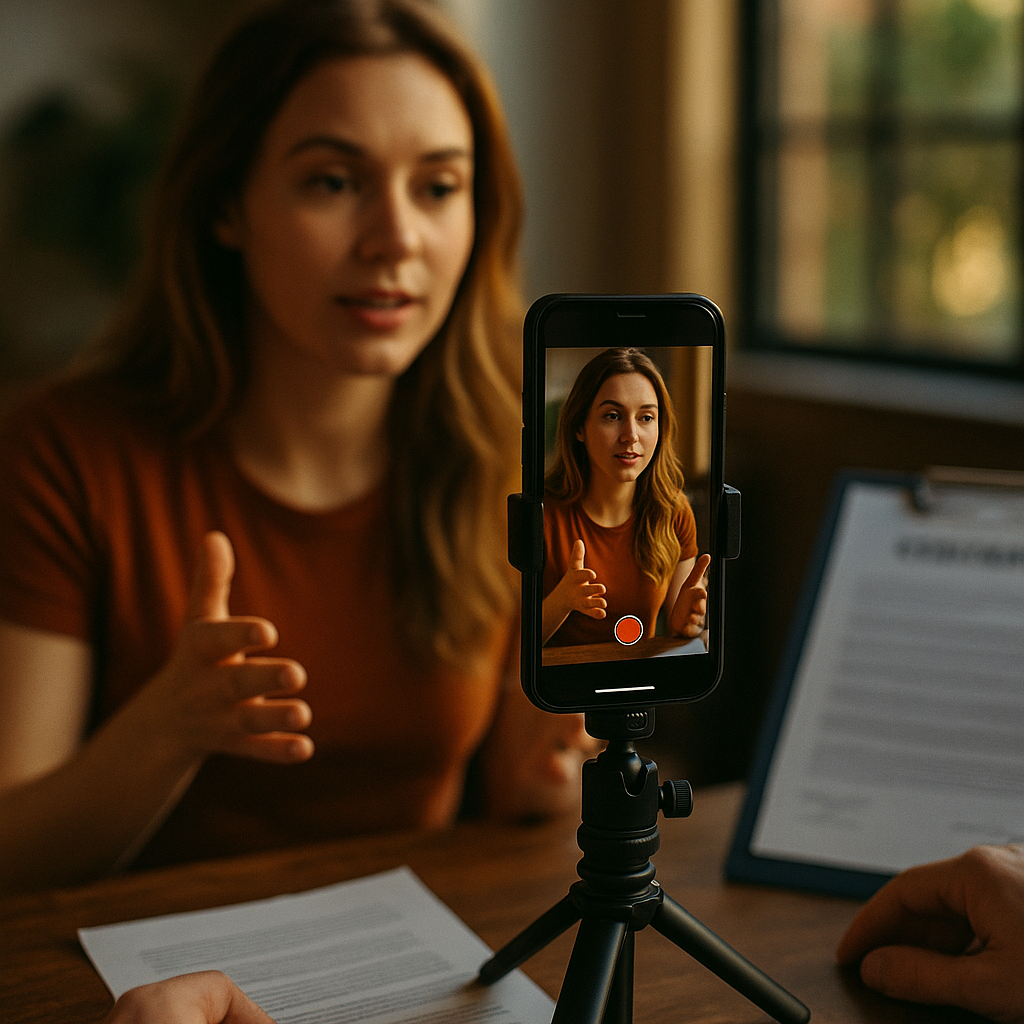
More than twenty states now have laws governing digital replicas of a person’s voice or face. If your brand ran a single AI-enhanced creator video ad last quarter without checking jurisdiction, you may already be out of compliance somewhere. State deepfake likeness laws are no longer a niche legal curiosity. They are quietly becoming the biggest operational headache in creator marketing.
Here’s the uncomfortable part: most brands are treating this like a federal issue. It isn’t. It’s a patchwork, and patchworks are expensive.
Why This Suddenly Matters for Brand Marketers
Over the past two years, states from California to Tennessee to New York have passed or expanded laws that protect a person’s “likeness” from unauthorized digital replication, including AI-generated voice clones, face swaps, and synthetic video. These laws were originally aimed at nonconsensual deepfake pornography and political disinformation. But the language in most statutes is broad enough to cover commercial use, meaning influencer marketing, UGC ad variants, and AI-assisted content repurposing all fall within scope.
Brands have spent the last few years optimizing creator video ads for performance: more hooks, more variants, faster turnaround using AI tools to extend a single creator shoot into a dozen ad permutations. That workflow is exactly what these laws are designed to scrutinize. If a brand takes a creator’s likeness and generates new footage, new dialogue, or a new “performance” without explicit, scope-specific consent, it’s not a gray area anymore in states like Tennessee under its ELVIS Act or California under its expanded likeness statutes.
A creator signing off on one video shoot is not the same as a creator consenting to unlimited AI-generated derivatives of their face and voice across every ad variant you produce.
What the Laws Actually Cover (and What They Don’t)
Most state deepfake likeness statutes share a few common threads, though the details vary enough that a 50-state compliance checklist is genuinely necessary for national campaigns.
- Digital replica definitions: Many laws now explicitly define a “digital replica” as any computer-generated or AI-altered representation of a person’s voice or visual likeness, whether or not the original footage was used as a base.
- Consent specificity: Several states require that consent be given for a specific use, not a blanket release. Tennessee’s ELVIS Act, for example, closed loopholes that previously let companies rely on vague, catch-all releases.
- Postmortem rights: A growing number of states extend likeness protection after death, which matters if your brand licenses archival creator content or works with estates of deceased public figures.
- Carve-outs for satire and news: Most statutes exempt parody, commentary, and documentary use, but commercial advertising rarely qualifies for these exemptions.
What they generally don’t cover: ordinary photo retouching, color correction, or standard video editing that doesn’t alter the substance of a performance. The line gets blurry fast with AI dubbing, lip-sync adjustments for localization, or generative b-roll that places a creator’s likeness in a scene they never filmed.
The Creator Video Ad Workflow Most Brands Haven’t Audited
Think about how a typical influencer video ad gets built today. A creator films a segment. The brand’s agency or in-house team then uses AI tools to generate localized versions, shorten the cut for different placements, maybe swap background audio, or test alternate hooks using synthetic voice generation trained on the creator’s actual voice. Every one of those steps can trigger a likeness law if the creator’s original agreement didn’t anticipate it.
This is the same gap we’ve flagged before in voice clone consent agreements, where brands assumed a standard contract covered AI-generated audio variants. It usually doesn’t. The same logic extends to full-body or facial likeness replication in video ads.
A related wrinkle: brands that repurpose a creator’s organic content into paid UGC ads (whitelisting, Spark Ads, boosted posts) often layer AI enhancements on top without renegotiating scope. That’s a double exposure. You’re already navigating IP ownership clauses for repurposing rights, and now you’re adding a likeness compliance question on top of it.
Where the Legal Exposure Actually Lands
Here’s what keeps legal and compliance teams up at night: in most of these statutes, liability doesn’t stop at the AI vendor. It extends to the party that commissioned, distributed, or profited from the unauthorized digital replica. That means the brand, not just the production house or the ad tech platform, carries direct exposure.
Statutory damages in several states run into the tens of thousands of dollars per violation, and some laws allow for injunctive relief that can pull an entire ad campaign offline mid-flight. For a brand running a multi-market paid social push, that’s not a slap on the wrist. That’s a budget-killing event.
Statutory damages per violation can exceed the media spend on the ad itself, which means a single uncleared likeness use can flip a profitable campaign into a net loss.
This connects directly to broader AI liability questions we’ve covered in creator indemnification clauses. If your contracts don’t explicitly require the creator (or their agency) to warrant that they hold the rights to license AI-manipulated versions of their own likeness, you’re inheriting risk you didn’t price in.
Consent Scope: The Single Clause That Fixes Most of This
Most of the legal risk here traces back to one contract failure: vague consent language. A release that says “Creator grants Brand the right to use footage in marketing materials” does not clearly authorize AI-generated derivatives, synthetic voice work, or likeness replication across unlimited ad variants.
Fixing this isn’t complicated, but it does require specificity. Contracts need to spell out:
- Whether AI-generated derivatives of the creator’s face or voice are permitted at all
- The specific types of alteration allowed (localization dubbing, background replacement, hook variant testing)
- Geographic and platform scope, since some state laws attach to where the ad runs, not just where it was produced
- Duration limits and renewal terms, since perpetual blanket consent is increasingly unenforceable in stricter states
- A clear revocation process, since several newer statutes give creators the right to withdraw consent for future use
This is also where mid campaign clawback rights become relevant. If a creator revokes likeness consent after a campaign is live, brands need a predefined process to pull or modify assets quickly, not scramble through legal review while the ad is still serving impressions.
Practical Steps Before Your Next Campaign Brief
You don’t need to freeze creator video production to stay compliant, but you do need a process. A few moves that actually reduce exposure:
- Map your campaign footprint against state law. If you’re running paid social nationally, assume the strictest applicable state law governs your whole campaign. It’s simpler than trying to geo-fence compliance.
- Audit existing creator contracts for AI language. Most older agreements, even from the last year or two, were written before current likeness statutes took effect. They likely don’t cover generative derivatives.
- Build AI disclosure into the ad itself, not just the contract. Several states and the FTC are converging on labeling requirements for AI-altered content, which overlaps with work we’ve detailed in AI detectability standards.
- Loop in insurance early. Likeness violation exposure is increasingly a line item in influencer marketing insurance policies, and underwriters are starting to ask pointed questions about AI usage in creative workflows.
- Standardize a single national consent template. Rather than customizing per state, build one agreement that satisfies the strictest requirements and apply it everywhere. It’s more conservative, but far cheaper than litigating state by state.
Industry data backs up the urgency here. Research from eMarketer shows AI-assisted ad creative production has grown sharply as brands chase faster variant testing, and platforms tracked by Statista show AI video tool adoption climbing across marketing teams of every size. Faster production means more surface area for a likeness violation if consent language hasn’t kept pace. The FTC has also signaled increased attention to synthetic media in advertising, which adds a federal layer on top of the state patchwork.
None of this is reason to panic. It is reason to update your templates this quarter, not next year.
Next Step
Pull every active creator contract touching AI-generated or AI-edited video, check the consent language against your strictest operating state, and patch the gap before your next campaign brief goes out. The cost of a rewritten clause is nothing compared to a pulled campaign.
FAQs
What is a state deepfake likeness law?
It’s a state statute that protects a person’s face, voice, or other identifying characteristics from being digitally replicated or altered without specific consent, often extending beyond traditional right of publicity protections to cover AI-generated content.
Do these laws apply to influencer marketing specifically?
Yes. Most statutes are written broadly enough to cover any commercial use of a digital replica, which includes AI-enhanced creator video ads, synthetic voice dubbing, and repurposed UGC that alters a creator’s original performance.
Which states have the strictest deepfake likeness laws right now?
Tennessee’s ELVIS Act and California’s expanded likeness statutes are among the most detailed, but New York, Illinois, and several other states have active or pending legislation. Brands running national campaigns should generally design to the strictest applicable standard rather than tracking each state individually.
Can a standard creator contract cover AI-generated video variants?
Usually not, unless it explicitly names AI derivatives, synthetic voice use, and the specific types of alteration permitted. Generic “marketing use” language written before AI tools became standard rarely satisfies newer consent specificity requirements.
What happens if a brand violates a state likeness law?
Consequences range from statutory damages per violation to injunctive relief that can force a campaign offline. Liability typically extends to the brand commissioning the content, not just the production vendor or AI tool provider.
Does AI disclosure labeling reduce legal risk under these laws?
Labeling helps with transparency obligations but doesn’t replace the need for proper consent. A disclosed deepfake used without authorization is still a violation in most states; the label just makes the use more visible to regulators and consumers.
Frequently Asked Questions
See answers above.
Top Influencer Marketing Agencies
The leading agencies shaping influencer marketing in 2026
Agencies ranked by campaign performance, client diversity, platform expertise, proven ROI, industry recognition, and client satisfaction. Assessed through verified case studies, reviews, and industry consultations.
Moburst

-
2

The Shelf
Boutique Beauty & Lifestyle Influencer AgencyA data-driven boutique agency specializing exclusively in beauty, wellness, and lifestyle influencer campaigns on Instagram and TikTok. Best for brands already focused on the beauty/personal care space that need curated, aesthetic-driven content.Clients: Pepsi, The Honest Company, Hims, Elf Cosmetics, Pure LeafVisit The Shelf → -
3

Audiencly
Niche Gaming & Esports Influencer AgencyA specialized agency focused exclusively on gaming and esports creators on YouTube, Twitch, and TikTok. Ideal if your campaign is 100% gaming-focused — from game launches to hardware and esports events.Clients: Epic Games, NordVPN, Ubisoft, Wargaming, Tencent GamesVisit Audiencly → -
4

Viral Nation
Global Influencer Marketing & Talent AgencyA dual talent management and marketing agency with proprietary brand safety tools and a global creator network spanning nano-influencers to celebrities across all major platforms.Clients: Meta, Activision Blizzard, Energizer, Aston Martin, WalmartVisit Viral Nation → -
5

The Influencer Marketing Factory
TikTok, Instagram & YouTube CampaignsA full-service agency with strong TikTok expertise, offering end-to-end campaign management from influencer discovery through performance reporting with a focus on platform-native content.Clients: Google, Snapchat, Universal Music, Bumble, YelpVisit TIMF → -
6

NeoReach
Enterprise Analytics & Influencer CampaignsAn enterprise-focused agency combining managed campaigns with a powerful self-service data platform for influencer search, audience analytics, and attribution modeling.Clients: Amazon, Airbnb, Netflix, Honda, The New York TimesVisit NeoReach → -
7

Ubiquitous
Creator-First Marketing PlatformA tech-driven platform combining self-service tools with managed campaign options, emphasizing speed and scalability for brands managing multiple influencer relationships.Clients: Lyft, Disney, Target, American Eagle, NetflixVisit Ubiquitous → -
8

Obviously
Scalable Enterprise Influencer CampaignsA tech-enabled agency built for high-volume campaigns, coordinating hundreds of creators simultaneously with end-to-end logistics, content rights management, and product seeding.Clients: Google, Ulta Beauty, Converse, AmazonVisit Obviously →