


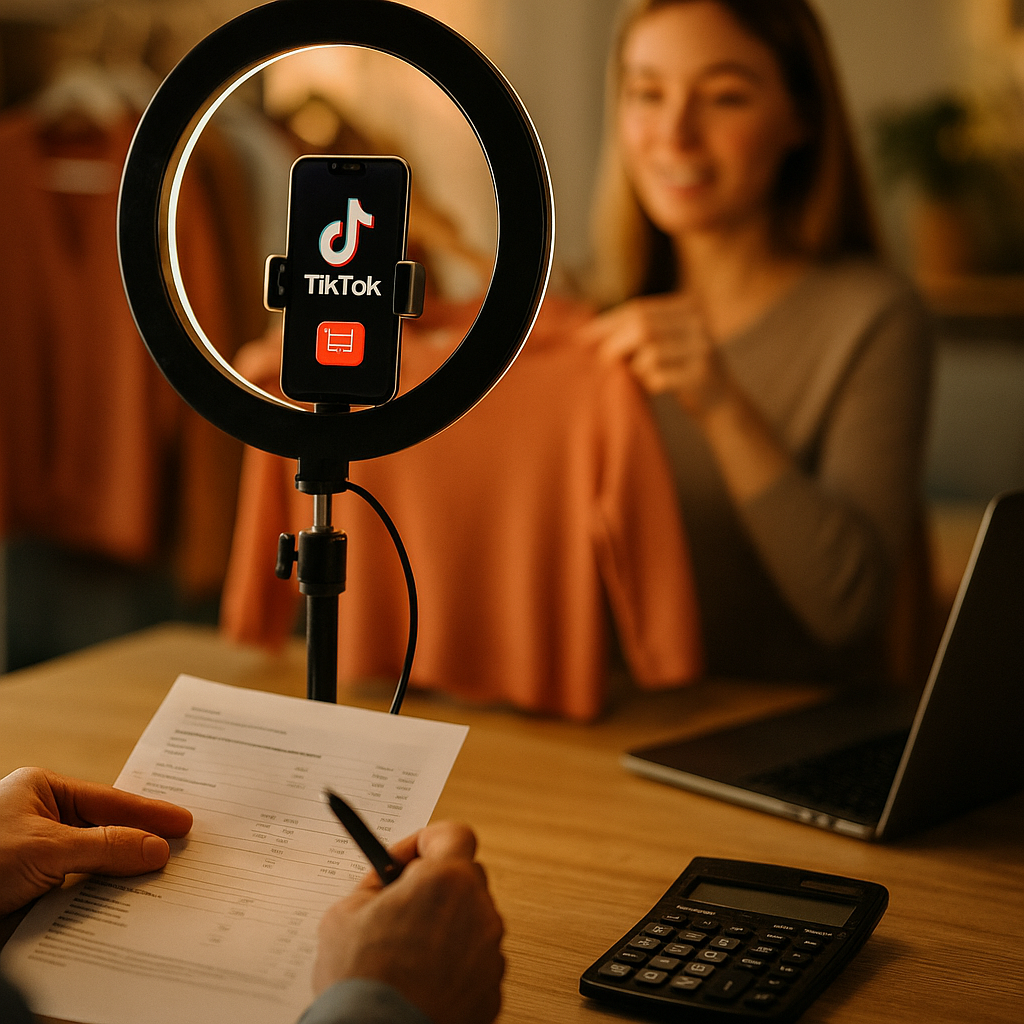
The FTC collected over $324 million in redress tied to deceptive pricing and endorsement claims last year alone. Now run that math against TikTok Shop, where a single top livestream can generate 40,000 orders in an hour, each one riddled with “was/now” price claims nobody bothered to substantiate. A TikTok Shop livestream price claim audit isn’t a nice-to-have anymore. It’s the difference between a clean Q4 and a regulatory headache that outlasts the holiday returns window.
Livestream commerce moves fast. Legal review usually doesn’t. That mismatch is exactly where brands get exposed, and exactly what this playbook fixes.
Why Livestream Pricing Claims Are a Different Animal
Static product pages get reviewed once, maybe twice, before launch. A livestream generates pricing claims in real time, spoken by a host who may or may not be reading from an approved script. “This is 60% off, lowest price of the year” rolls off the tongue easily. Proving it in a legal filing six months later? Much harder.
The FTC’s Guides Against Deceptive Pricing require that any “was” price reflect a genuine, recent selling price, not an inflated reference number invented to make the discount look bigger. Livestream hosts routinely violate this without realizing it. They’re paid to sell, not to run comparative pricing audits mid-broadcast.
If your brand can’t produce a dated sales record showing the “original” price was actually charged to real customers within a reasonable recent period, that claim doesn’t survive an FTC inquiry.
This is also why TikTok Shop specifically deserves a dedicated audit process, separate from your general influencer contract review. The platform’s built-in flash-sale mechanics, countdown timers, and “limited stock” banners stack additional risk on top of the price claims themselves. If you haven’t already looked at how those overlay elements interact with state scarcity laws, the countdown timer compliance risks are a companion problem worth solving in the same review cycle.
The Substantiation Standard, Translated for Marketers
FTC “substantiation” doesn’t mean a vague sense that a price was fair. It means documented, contemporaneous evidence supporting the claim at the moment it was made. For pricing specifically, that generally breaks down into three categories:
- Reference price evidence: Sales data proving the “original” price was a genuine, prevailing price charged for a meaningful period, not a phantom MSRP invented for contrast.
- Discount math evidence: Proof that the percentage or dollar-off claim spoken on stream matches the actual price difference at checkout, including any TikTok Shop coupon stacking.
- Scarcity and urgency evidence: Backup for phrases like “almost sold out” or “lowest price ever,” tied to actual inventory and pricing history rather than dramatic effect.
Here’s the uncomfortable part: most brands can substantiate maybe one of these three on any given livestream. The other two get created after the fact, if at all, usually only once legal asks.
What “Lowest Price of the Season” Actually Requires
This phrase shows up constantly in Q4 livestreams, and it’s one of the riskiest claims a host can make. It’s not puffery. It’s a factual, checkable statement. To substantiate it, you need pricing history across the full season, across every channel where the product sold, not just TikTok Shop. If the product was cheaper on your own site three weeks earlier, the claim is false regardless of intent.
Brands running multi-platform promos need a single source of truth for pricing history before Q4 starts, not a scramble after a claim gets challenged. This connects directly to the disclosure gaps covered in our cross-platform disclosure playbook, since pricing claims and endorsement disclosures often get audited together once a complaint lands.
Building the Audit: A Five-Step Legal Playbook
Treat this like any other compliance sprint. Assign owners, set deadlines, document everything. Here’s the sequence that holds up.
1. Inventory every livestream script and pricing claim template
Pull scripts, talking points, and any “seller notes” provided to hosts for the last two quarters. Flag every instance of comparative pricing language: “was,” “now,” “regularly,” “off,” “save,” “lowest,” “biggest sale.” This is tedious. It’s also the only way to know your actual exposure before regulators find it for you.
2. Match each claim to underlying sales data
For every reference price used in a script, pull the actual transaction history. Was that price charged to a statistically meaningful number of customers for a reasonable duration? The FTC has never published a bright-line “reasonable duration” number, but enforcement history suggests 30 days of genuine sales at a price is a safer floor than a three-day flash listing designed purely to create a contrast point.
3. Audit host improvisation, not just approved scripts
This is where most audits fail. Hosts go off-script constantly, especially during live Q&A moments or when reacting to viewer comments in real time. You need recorded footage review, not just script sign-off. Pull a sample of actual broadcast recordings and compare spoken claims against the approved script and the underlying pricing data. Expect gaps. Everyone finds gaps.
Script approval without recording review is legal theater. The FTC cares about what was said on air, not what was written in the brief.
4. Cross-reference against your influencer contracts
Your contracts should already specify who owns liability for unscripted claims, whether hosts are required to use approved pricing language verbatim, and what the escalation process looks like if a host deviates. If your current agreements are silent on this, it’s worth revisiting the structure outlined in our contract checklist for disclosure and approval before Q4 contracts get signed.
5. Build a real-time correction protocol
Static audits are necessary but not sufficient. You need a live monitoring function, someone (or some tool) watching active streams for pricing claims that drift from approved copy, with authority to flag and correct in real time or pull the stream if needed. TikTok Shop’s own seller resources outline platform-level moderation tools, but they won’t catch FTC-specific substantiation gaps. That’s on your team.
Where This Intersects With Scarcity and Timer Claims
Price substantiation rarely travels alone. Countdown timers, “only 12 left” banners, and “ends tonight” urgency language are frequently paired with pricing claims in the same breath, and they carry their own patchwork of state-level scarcity law exposure. If your audit process doesn’t already account for this, the 50-state compliance matrix is the natural next document to build alongside your pricing audit, since the same livestream moment often triggers both risks simultaneously.
Our earlier framework on this exact convergence point, the Q4 price claim audit framework, walks through how to sequence these two review tracks without doubling your legal team’s workload. Worth pairing with the pre-Q4 script audit process if you’re building this out from scratch this cycle.
Documentation: The Part Everyone Skips
Substantiation isn’t just about having the right pricing data somewhere in a spreadsheet. It’s about having it organized, dated, and retrievable within days if the FTC or a state AG comes asking. Build a claims file for every major Q4 livestream campaign that includes:
- The approved script and any revisions, timestamped
- Recording of the actual broadcast
- Pricing history for every product referenced, pulled from your commerce platform, not TikTok Shop’s dashboard alone
- Screenshots of the checkout price shown to consumers during the live window
- Host contract language covering pricing claim accuracy
This sounds like overkill until you remember that FTC investigations can look back well beyond a single quarter. A clean, organized file turns a multi-week discovery scramble into a same-day response. That’s the whole point of doing this work now, before Q4 volume makes it exponentially harder.
The ROI Case, for Anyone Still Skeptical
Legal audits get deprioritized when budgets tighten, especially against a growth target measured in GMV. But the math here isn’t close. A single FTC consent order can include ongoing compliance monitoring, mandated reporting, and reputational damage that outlasts any single quarter’s sales lift. Compare that to the cost of a focused, two-week audit sprint using existing legal and compliance headcount, run before your Q4 livestream calendar fills up.
Brands running influencer-driven commerce at scale should treat this the way they’d treat any other operational risk category: budgeted, owned, and reviewed on a cadence, not bolted on after a complaint. Firms like Sprout Social and platforms tracked by eMarketer continue to show livestream commerce growth outpacing general social commerce, which means this exposure only compounds year over year.
One more thing worth flagging: if your program uses AI-generated scripts or AI avatars for any portion of your livestream content, the substantiation burden doesn’t change, it just adds a layer. Review the FTC’s expanding stance on this in our piece on AI avatars and endorsement rules before assuming a synthetic host solves your liability problem. It doesn’t.
Start your audit with the highest-volume SKUs and highest-follower hosts first. That’s where exposure concentrates, and that’s where a regulator would look first too.
Frequently Asked Questions
What counts as a deceptive price claim on TikTok Shop livestreams?
Any comparative pricing statement, such as “was $80, now $40,” that isn’t backed by documented sales history showing the reference price was genuinely charged to consumers for a reasonable period. The FTC treats unsubstantiated discount claims as deceptive regardless of whether the host intended to mislead anyone.
Who is liable when a livestream host makes an unscripted pricing claim?
Typically the brand, not just the host, especially if the brand paid for the placement, approved the general campaign, and had the ability to monitor the broadcast. Contracts can allocate some liability to the host, but they rarely eliminate brand exposure entirely under FTC endorsement guidance.
How long should we keep pricing substantiation records?
A safe practice is retaining full claims files, scripts, recordings, and pricing history, for at least two years past the campaign date, given that FTC investigations and state AG inquiries can look back well beyond a single sales quarter.
Do countdown timers and scarcity banners need separate substantiation?
Yes. Scarcity claims are evaluated separately from pricing claims and carry additional state-level regulatory exposure beyond FTC guidelines. Treat them as a parallel audit track rather than folding them into your pricing review.
Can TikTok Shop’s own tools handle this compliance work for us?
No. Platform-level moderation tools focus on policy violations within TikTok’s own terms, not FTC substantiation standards. Brands need their own documentation process independent of what the platform provides.
Frequently Asked Questions
What counts as a deceptive price claim on TikTok Shop livestreams?
Any comparative pricing statement, such as “was $80, now $40,” that isn’t backed by documented sales history showing the reference price was genuinely charged to consumers for a reasonable period. The FTC treats unsubstantiated discount claims as deceptive regardless of whether the host intended to mislead anyone.
Who is liable when a livestream host makes an unscripted pricing claim?
Typically the brand, not just the host, especially if the brand paid for the placement, approved the general campaign, and had the ability to monitor the broadcast. Contracts can allocate some liability to the host, but they rarely eliminate brand exposure entirely under FTC endorsement guidance.
How long should we keep pricing substantiation records?
A safe practice is retaining full claims files, scripts, recordings, and pricing history, for at least two years past the campaign date, given that FTC investigations and state AG inquiries can look back well beyond a single sales quarter.
Do countdown timers and scarcity banners need separate substantiation?
Yes. Scarcity claims are evaluated separately from pricing claims and carry additional state-level regulatory exposure beyond FTC guidelines. Treat them as a parallel audit track rather than folding them into your pricing review.
Can TikTok Shop’s own tools handle this compliance work for us?
No. Platform-level moderation tools focus on policy violations within TikTok’s own terms, not FTC substantiation standards. Brands need their own documentation process independent of what the platform provides.
Top Influencer Marketing Agencies
The leading agencies shaping influencer marketing in 2026
Agencies ranked by campaign performance, client diversity, platform expertise, proven ROI, industry recognition, and client satisfaction. Assessed through verified case studies, reviews, and industry consultations.
Moburst

-
2

The Shelf
Boutique Beauty & Lifestyle Influencer AgencyA data-driven boutique agency specializing exclusively in beauty, wellness, and lifestyle influencer campaigns on Instagram and TikTok. Best for brands already focused on the beauty/personal care space that need curated, aesthetic-driven content.Clients: Pepsi, The Honest Company, Hims, Elf Cosmetics, Pure LeafVisit The Shelf → -
3

Audiencly
Niche Gaming & Esports Influencer AgencyA specialized agency focused exclusively on gaming and esports creators on YouTube, Twitch, and TikTok. Ideal if your campaign is 100% gaming-focused — from game launches to hardware and esports events.Clients: Epic Games, NordVPN, Ubisoft, Wargaming, Tencent GamesVisit Audiencly → -
4

Viral Nation
Global Influencer Marketing & Talent AgencyA dual talent management and marketing agency with proprietary brand safety tools and a global creator network spanning nano-influencers to celebrities across all major platforms.Clients: Meta, Activision Blizzard, Energizer, Aston Martin, WalmartVisit Viral Nation → -
5

The Influencer Marketing Factory
TikTok, Instagram & YouTube CampaignsA full-service agency with strong TikTok expertise, offering end-to-end campaign management from influencer discovery through performance reporting with a focus on platform-native content.Clients: Google, Snapchat, Universal Music, Bumble, YelpVisit TIMF → -
6

NeoReach
Enterprise Analytics & Influencer CampaignsAn enterprise-focused agency combining managed campaigns with a powerful self-service data platform for influencer search, audience analytics, and attribution modeling.Clients: Amazon, Airbnb, Netflix, Honda, The New York TimesVisit NeoReach → -
7

Ubiquitous
Creator-First Marketing PlatformA tech-driven platform combining self-service tools with managed campaign options, emphasizing speed and scalability for brands managing multiple influencer relationships.Clients: Lyft, Disney, Target, American Eagle, NetflixVisit Ubiquitous → -
8

Obviously
Scalable Enterprise Influencer CampaignsA tech-enabled agency built for high-volume campaigns, coordinating hundreds of creators simultaneously with end-to-end logistics, content rights management, and product seeding.Clients: Google, Ulta Beauty, Converse, AmazonVisit Obviously →