


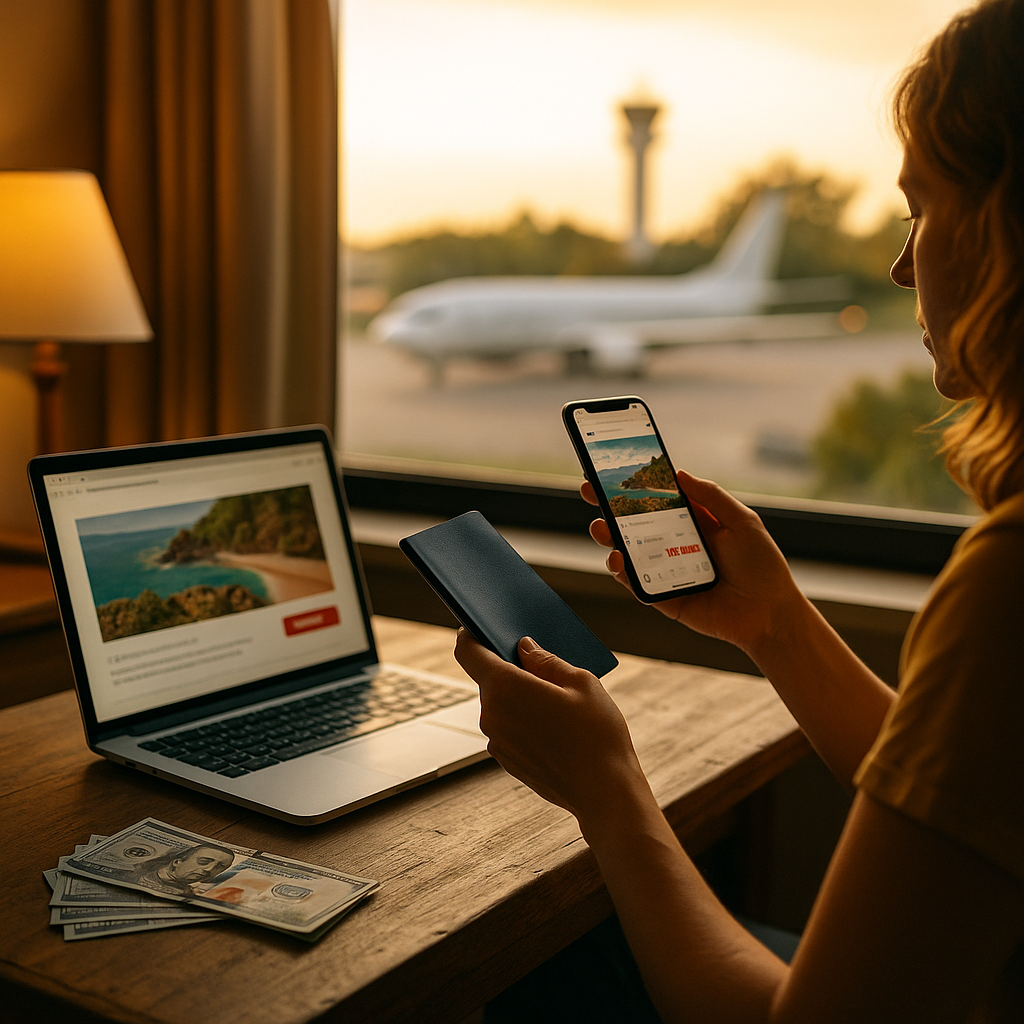
One travel brand’s affiliate program paid a single mid-tier creator more in booking commissions last quarter than most brands spend on a six-month retainer. That’s not a fluke. Affiliate-first creator compensation is quietly rewriting how travel marketers budget for influence, and the early data suggests creators are earning two to three times what flat-fee deals ever paid them.
Why now? Because travel has a booking window problem that other verticals don’t. A skincare purchase happens in a scroll-and-tap moment. A trip gets researched for weeks, sometimes months, across a dozen tabs and three devices before anyone hits “confirm.” Flat fees never accounted for that lag. Commission structures do.
The Flat-Fee Ceiling Travel Brands Kept Hitting
For years, travel brands ran influencer budgets the same way CPG did: negotiate a fee, ship the itinerary, collect the content, move on. It worked fine for awareness. It worked terribly for attribution.
The problem is structural. A $5,000 flat fee for a hotel stay video pays the same whether that content drives three bookings or three hundred. Brands had no upside for overperformance, and creators had no incentive to keep pushing traffic after the deliverable posted. Everyone optimized for the handoff, not the outcome.
That’s a bad deal for both sides, and it shows up in the numbers. Influencers Time has previously covered how creator spend keeps climbing while brand linkage stalls, and travel is a textbook case: big budgets, thin proof of what actually converted.
Flat-fee deals reward creators for posting. Commission-blended deals reward them for the entire funnel, from the first click to the confirmed booking.
What “Affiliate-First” Actually Means in Practice
Affiliate-first doesn’t mean commission-only. That model scared off good creators for a decade because it dumped all the risk onto them. Nobody wants to shoot a four-day content package on spec and hope enough followers book a flight.
The hybrid that’s working now looks different: a smaller guaranteed flat fee (often 30-40% of what a legacy deal would have paid) plus a commission tier on bookings attributed through tracked links, promo codes, or affiliate platforms like Awin, Impact, or Sharesale-style networks.
One mid-size boutique hotel group I’ve seen referenced in industry panels restructured its creator program this way: base fee covers production and usage rights, commission covers performance. Creators who drove strong booking volume in the first quarter saw total earnings jump 2.8x compared to their prior flat-fee rate for similar deliverables. The brand’s blended CAC on creator-driven bookings dropped by nearly a third, because the commission only paid out on actual revenue, not impressions.
That’s the mechanism in one sentence: brands stop paying for attention and start paying for conversion, while still guaranteeing enough upfront cash that creators can plan their production budgets.
Why Travel Specifically Rewards This Model
- Long consideration windows mean attribution tools can actually capture the full path from discovery to booking, unlike impulse categories where the click and purchase happen in the same session.
- High average order values make a 4-8% commission meaningful. A $2,000 booking at 6% is $120 per conversion, and a creator driving even modest volume compounds that fast.
- Repeat and referral behavior is strong. Someone who books a resort off a creator’s link often books the flight, the excursion, and the return trip through the same channel if the tracking persists.
- Seasonal spikes reward creators who post ahead of booking windows, which flat fees never incentivized properly.
The Math Brands Are Actually Running
Here’s a simplified version of what a travel marketing team might model before greenlighting an affiliate-first structure:
- Legacy flat fee: $6,000 per creator deliverable, no performance clawback, no upside tracking.
- Hybrid structure: $2,000 base fee + 7% commission on attributed bookings for 90 days post-publish.
- Break-even point: roughly $57,000 in attributed bookings, which strong travel content routinely clears within the first month if the creator has genuine booking-intent audience overlap.
Once volume exceeds that break-even point, the brand is paying more in absolute dollars, sure, but at a lower cost-per-booking than the flat-fee model ever delivered. That’s the trade brands are making: higher total spend on winners, near-zero spend on underperformers, and a program that self-corrects instead of requiring a renegotiation every cycle.
Contrast that with flat-fee programs, where a dud campaign still costs full price. There’s no self-correction mechanism. You just eat the loss and hope the next creator performs better.
Where This Gets Complicated (and It Does)
Attribution is the whole game here, and travel’s multi-device, multi-week booking journey makes clean attribution genuinely hard. A viewer sees a creator’s Reel on their phone, researches on a laptop three days later, then books through a travel agent app on a tablet. Which link gets credit?
Most brands solve this with a mix of unique promo codes, UTM-tagged links, and platform-level affiliate tracking through networks that specialize in travel, alongside first-touch attribution windows extended to 30 or 60 days. It’s imperfect. Multi-touch attribution modeling helps, but travel marketers should expect some under-crediting of upper-funnel creators who plant the seed but don’t get the last click.
This is also where disclosure and compliance can’t be an afterthought. The FTC has been explicit that affiliate links and commission relationships require clear disclosure, not buried in a bio or a fourth hashtag. Brands running affiliate-first programs at scale need documented creator agreements specifying disclosure language, per the FTC’s endorsement guidance, or they’re exposed to the same regulatory risk that’s already tightening around youth safety and disclosure standards globally.
An affiliate-first program without airtight attribution and disclosure infrastructure isn’t a compensation innovation. It’s a compliance liability wearing a growth strategy’s clothes.
Which Creators Actually Win Under This Model
Not every creator benefits equally, and brands should go in with eyes open about that. Affiliate-first compensation rewards a specific creator profile: strong booking-intent audience, consistent posting cadence, and genuine trust with followers who’ll actually click through and buy.
That tends to favor mid-tier and micro creators over mega-influencers with broad but shallow reach. This tracks with what Influencers Time has reported on micro-creators out-earning macro influencers as rate structures shift industry-wide. A travel micro-creator with 40,000 highly engaged followers who genuinely book trips based on recommendations will often out-convert a celebrity with two million followers and zero booking-intent signal.
Brands running these programs are also leaning harder on engagement quality over follower count when selecting partners, echoing the shift Ad Age documented in ditching follower counts for lift-based creator evaluation.
What Brands Should Actually Do Next Quarter
If you’re a travel brand still running pure flat-fee deals, here’s the pragmatic path in, without blowing up your existing creator relationships:
- Pilot with your top 10 performers first. Don’t roll this out program-wide. Test the hybrid model with creators who already have proven booking-driving history.
- Lock in a 60-90 day attribution window. Anything shorter undercounts travel’s natural consideration lag.
- Standardize disclosure language in every contract. Don’t leave it to creator discretion.
- Build a base fee floor. Zero-guarantee commission-only deals will cost you access to your best creators, who have options.
- Report commission payouts back to creators transparently. Trust breaks fast if creators can’t verify what they earned and why.
This isn’t a radical departure from how performance marketing has worked for two decades, per resources from HubSpot’s marketing operations research. It’s just the first time travel brands have applied that logic properly to creator budgets instead of treating influencer spend like a media buy.
The brands seeing the biggest wins are also the ones auditing their existing creator spend rigorously, using frameworks similar to what’s outlined in this creator spend audit guide, before layering commission structures on top. You can’t build a performance-based program on top of attribution you don’t trust.
FAQs
Frequently Asked Questions
What is affiliate-first creator compensation?
It’s a payment model where creators earn a reduced base flat fee combined with a commission on bookings or sales attributed to their content, rather than a single upfront payment regardless of performance.
How much more can creators earn under this model?
Early data from travel brands piloting hybrid structures shows top-performing creators earning two to three times more than they did under comparable flat-fee arrangements, driven primarily by commission on high-value bookings.
Does affiliate-first compensation work outside of travel?
It works best in categories with long consideration windows and high order values, like travel, real estate, and luxury goods. Impulse-purchase categories see weaker results because attribution windows are too short to capture the full path to purchase.
What attribution window should travel brands use?
Most brands running hybrid models extend attribution to 30-60 days post-publish to account for travel’s typical research-to-booking lag, which is significantly longer than most consumer categories.
Is commission-only compensation a good alternative?
Generally no. Pure commission models push all financial risk onto creators, which discourages top talent from participating. A base fee floor combined with commission upside keeps the program attractive while still rewarding performance.
What compliance risks come with affiliate-first programs?
Brands must ensure clear, consistent disclosure of affiliate relationships in every piece of content, per FTC endorsement guidelines. Undisclosed commission arrangements carry regulatory risk and can damage audience trust if discovered.
Next step: Pick your five highest-performing creator relationships, model the break-even commission math against their historical booking data, and pilot a hybrid deal before your next campaign cycle locks in.
Top Influencer Marketing Agencies
The leading agencies shaping influencer marketing in 2026
Agencies ranked by campaign performance, client diversity, platform expertise, proven ROI, industry recognition, and client satisfaction. Assessed through verified case studies, reviews, and industry consultations.
Moburst

-
2

The Shelf
Boutique Beauty & Lifestyle Influencer AgencyA data-driven boutique agency specializing exclusively in beauty, wellness, and lifestyle influencer campaigns on Instagram and TikTok. Best for brands already focused on the beauty/personal care space that need curated, aesthetic-driven content.Clients: Pepsi, The Honest Company, Hims, Elf Cosmetics, Pure LeafVisit The Shelf → -
3

Audiencly
Niche Gaming & Esports Influencer AgencyA specialized agency focused exclusively on gaming and esports creators on YouTube, Twitch, and TikTok. Ideal if your campaign is 100% gaming-focused — from game launches to hardware and esports events.Clients: Epic Games, NordVPN, Ubisoft, Wargaming, Tencent GamesVisit Audiencly → -
4

Viral Nation
Global Influencer Marketing & Talent AgencyA dual talent management and marketing agency with proprietary brand safety tools and a global creator network spanning nano-influencers to celebrities across all major platforms.Clients: Meta, Activision Blizzard, Energizer, Aston Martin, WalmartVisit Viral Nation → -
5

The Influencer Marketing Factory
TikTok, Instagram & YouTube CampaignsA full-service agency with strong TikTok expertise, offering end-to-end campaign management from influencer discovery through performance reporting with a focus on platform-native content.Clients: Google, Snapchat, Universal Music, Bumble, YelpVisit TIMF → -
6

NeoReach
Enterprise Analytics & Influencer CampaignsAn enterprise-focused agency combining managed campaigns with a powerful self-service data platform for influencer search, audience analytics, and attribution modeling.Clients: Amazon, Airbnb, Netflix, Honda, The New York TimesVisit NeoReach → -
7

Ubiquitous
Creator-First Marketing PlatformA tech-driven platform combining self-service tools with managed campaign options, emphasizing speed and scalability for brands managing multiple influencer relationships.Clients: Lyft, Disney, Target, American Eagle, NetflixVisit Ubiquitous → -
8

Obviously
Scalable Enterprise Influencer CampaignsA tech-enabled agency built for high-volume campaigns, coordinating hundreds of creators simultaneously with end-to-end logistics, content rights management, and product seeding.Clients: Google, Ulta Beauty, Converse, AmazonVisit Obviously →