


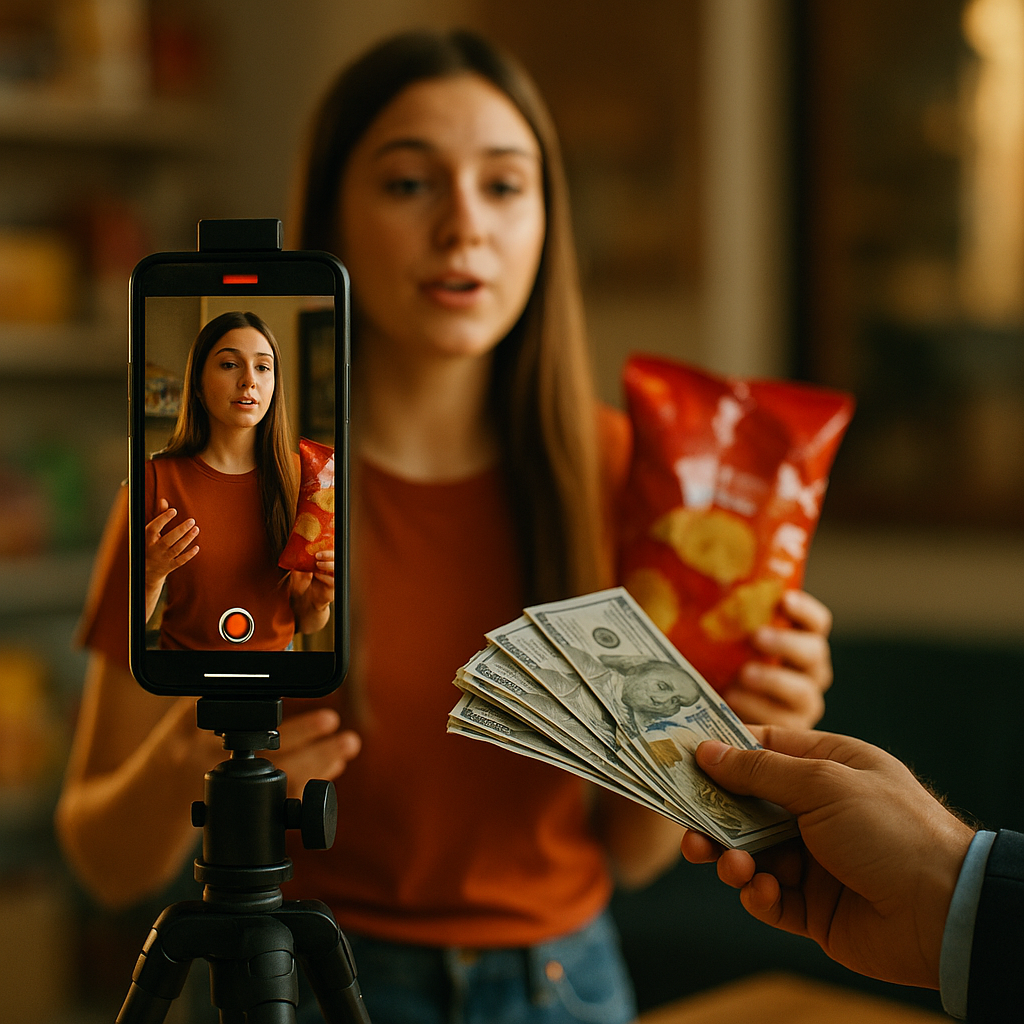
Over 70% of short-drama app users in the US now say they’ve watched a branded episode without realizing it was sponsored. That’s the pitch luring marketing budgets toward vertical micro dramas, the bite-sized, cliffhanger-driven episodic series built for phones held upright. If you haven’t fielded a pitch deck for one yet, you will soon.
What Vertical Micro Dramas Actually Are
Think telenovela energy compressed into 60 to 120 second episodes, shot vertically, released in daily drops, and built around a hook so sharp you can’t help but tap “next.” Apps like ReelShort, DramaBox, and Holywater’s My Drama have turned this into a billion-dollar category almost overnight, mostly by porting a format that already dominates Chinese short-video platforms into Western feeds.
Unlike a branded web series or a polished mini documentary, micro dramas aren’t trying to look premium. They’re trying to look addictive. Love triangles, secret billionaires, revenge plots, amnesia twists: the tropes are deliberately soapy because soapy retains viewers episode over episode. That retention curve is exactly what’s caught the attention of brand strategists who are tired of one-off UGC posts disappearing into the algorithm within 48 hours.
Why This Format Is Pulling Budget From Traditional Influencer Spend
Here’s the uncomfortable truth for a lot of influencer marketing teams: single-post campaigns have a half-life measured in hours. A micro drama series, by contrast, can run eight to twenty episodes, each one a fresh touchpoint with the same embedded product. That’s not a post, that’s a media schedule.
A fifteen-episode sponsored drama effectively buys a brand fifteen separate moments of attention from the same engaged audience, something no single influencer collab can replicate at comparable cost.
Brands are also chasing the completion rates. Short-drama apps routinely report binge sessions well above typical short-form video benchmarks, according to data cited by eMarketer on the rise of mobile episodic content. When a viewer is three episodes deep into a storyline, a product placement in episode four doesn’t feel like an ad interruption. It feels like set dressing they’ve already bought into.
This isn’t a replacement for creator partnerships so much as an extension of them. The same logic that drives brands toward serialized UGC series is what’s pulling budget into micro dramas: retention beats reach when you’re trying to build familiarity with a product over time.
How the Sponsorship Deals Actually Work
There’s no single template yet, but three models have emerged as the dominant ones brand teams are negotiating in 2026.
- Integrated product placement: The brand’s product shows up as a prop or plot device, similar to how a soap opera might feature a specific car. No explicit callout, just visibility and context.
- Branded episode arcs: A full subplot or season is built around the brand’s category. A skincare brand might sponsor a “glow up” storyline, a fintech app might sponsor a “starting over financially” arc.
- Pre-roll and mid-roll sponsorship: The simplest model. A brand buys a sponsor card or short ad slot before or between episodes, similar to traditional streaming ad breaks but native to the app’s episodic rhythm.
Pricing varies wildly depending on episode volume and app reach, but agencies report that a mid-tier branded arc (eight to ten episodes with woven-in placement) tends to land in a similar budget range as a mid-tier influencer retainer campaign, just with a longer shelf life. That math is exactly why procurement teams are willing to test it.
The Creative Brief Problem Nobody’s Solved Yet
Writing for episodic drama is a different skill than writing a 30-second ad script, and most brand creative teams don’t have it in-house. You’re not briefing a single hook, you’re briefing a season arc with character consistency, pacing, and a product integration that doesn’t break the fourth wall. It’s closer to the discipline behind an original creator series built as owned IP than a standard influencer deliverable.
Smart brand teams are treating the brief the same way they’d treat any funnel-specific asset: matching the format to the job it needs to do. That’s the same discipline covered in job specific creative briefs, just applied to a longer-form, serialized structure. If your brief doesn’t specify which episode carries the conversion moment, the production studio will make that call for you, and it usually won’t align with your funnel stage priorities.
This is also where funnel stage content mapping earns its keep. A micro drama works beautifully for top-of-funnel brand familiarity. It’s a poor vehicle for bottom-funnel conversion unless you pair it with a direct-response layer elsewhere in the campaign.
Where the Risk Actually Hides
Disclosure is the obvious landmine. If a product placement reads as organic plot content rather than clearly marked sponsorship, you’re flirting with the same issues that have dogged influencer marketing for years. The FTC’s endorsement guidelines don’t carve out an exception for “it’s a drama, not an ad,” and neither does the UK’s ICO when it comes to data and targeting transparency around sponsored content aimed at younger audiences, who happen to be the core demographic for most of these apps.
There’s also a brand safety question that doesn’t get enough airtime. Micro dramas lean heavily on melodrama: infidelity, deception, family conflict, sometimes outright toxic relationship dynamics played for entertainment. Before a brand signs off on sponsoring an arc, someone on the legal or brand safety side needs to read the full script, not just the episode where the product appears. Tone mismatches between your brand values and a season’s resolution can do real damage if nobody catches it until launch.
Finally, measurement is still immature. Most apps report engagement metrics that weren’t built with brand lift studies in mind. If you’re used to the reporting rigor of platforms like Meta for Business or TikTok Ads Manager, expect a step down in attribution clarity until these platforms mature their ad tech.
Is This Format Actually Worth the Production Lift?
Fair question, and the honest answer is: it depends on your category. Beauty, fintech, dating apps, and fashion have seen the strongest early traction because those categories map naturally onto drama tropes (transformation, aspiration, romance, status). A B2B SaaS brand trying to force its way into a micro drama arc is going to feel exactly as awkward as it sounds.
If your brand already has a workflow for multi creator collab challenges or roster-based content programs, extending into episodic sponsorship is a logical next step rather than a cold start. You already understand the production cadence and creative governance needed to manage a recurring content series, you’re just applying it to a new distribution channel.
Smaller brands without that infrastructure should start with a single pre-roll sponsorship slot before committing to a full branded arc. Test the audience response, confirm the app’s reporting is reliable enough to justify the spend, then scale.
FAQs
Frequently Asked Questions
What are vertical micro dramas in marketing?
Vertical micro dramas are short, serialized video episodes (typically 60 to 120 seconds each) shot in vertical format and released daily on apps like ReelShort and DramaBox. Brands sponsor them through product placement, branded story arcs, or pre-roll ad slots to reach audiences through episodic, binge-style content rather than single posts.
How much does it cost to sponsor a vertical micro drama?
Costs vary by episode count and platform reach, but a mid-tier branded arc of eight to ten episodes typically runs in a similar range to a mid-tier influencer retainer campaign. Simple pre-roll sponsorship slots cost significantly less than a fully integrated branded story arc.
Are micro dramas better than traditional influencer content for brand awareness?
They’re better suited to sustained familiarity rather than quick conversion. Because episodes release serially, a brand gets multiple touchpoints with the same engaged audience over days or weeks, something a single influencer post can’t replicate. They work best as a top-of-funnel complement to direct-response influencer campaigns, not a replacement.
What disclosure rules apply to sponsored micro drama content?
The same core principles apply as any sponsored content: audiences need to clearly understand when a brand has paid for placement. Regulators like the FTC in the US require clear disclosure regardless of content format, and brands should treat embedded product placement in drama episodes with the same disclosure rigor as any other sponsored post.
Which brand categories see the best results with micro drama sponsorship?
Beauty, fashion, fintech, and dating apps have shown the strongest early traction because their products naturally fit drama tropes like transformation, aspiration, and romance. Categories without an obvious emotional or lifestyle hook tend to see weaker engagement from this format.
Frequently Asked Questions
What are vertical micro dramas in marketing?
Vertical micro dramas are short, serialized video episodes (typically 60 to 120 seconds each) shot in vertical format and released daily on apps like ReelShort and DramaBox. Brands sponsor them through product placement, branded story arcs, or pre-roll ad slots to reach audiences through episodic, binge-style content rather than single posts.
How much does it cost to sponsor a vertical micro drama?
Costs vary by episode count and platform reach, but a mid-tier branded arc of eight to ten episodes typically runs in a similar range to a mid-tier influencer retainer campaign. Simple pre-roll sponsorship slots cost significantly less than a fully integrated branded story arc.
Are micro dramas better than traditional influencer content for brand awareness?
They’re better suited to sustained familiarity rather than quick conversion. Because episodes release serially, a brand gets multiple touchpoints with the same engaged audience over days or weeks, something a single influencer post can’t replicate. They work best as a top-of-funnel complement to direct-response influencer campaigns, not a replacement.
What disclosure rules apply to sponsored micro drama content?
The same core principles apply as any sponsored content: audiences need to clearly understand when a brand has paid for placement. Regulators like the FTC in the US require clear disclosure regardless of content format, and brands should treat embedded product placement in drama episodes with the same disclosure rigor as any other sponsored post.
Which brand categories see the best results with micro drama sponsorship?
Beauty, fashion, fintech, and dating apps have shown the strongest early traction because their products naturally fit drama tropes like transformation, aspiration, and romance. Categories without an obvious emotional or lifestyle hook tend to see weaker engagement from this format.
If you’re weighing a pilot, start small: fund one pre-roll slot on a single app, track completion rates against your usual video benchmarks, and only commit to a full branded arc once the platform’s reporting proves reliable enough to defend the budget internally.
Top Influencer Marketing Agencies
The leading agencies shaping influencer marketing in 2026
Agencies ranked by campaign performance, client diversity, platform expertise, proven ROI, industry recognition, and client satisfaction. Assessed through verified case studies, reviews, and industry consultations.
Moburst

-
2

The Shelf
Boutique Beauty & Lifestyle Influencer AgencyA data-driven boutique agency specializing exclusively in beauty, wellness, and lifestyle influencer campaigns on Instagram and TikTok. Best for brands already focused on the beauty/personal care space that need curated, aesthetic-driven content.Clients: Pepsi, The Honest Company, Hims, Elf Cosmetics, Pure LeafVisit The Shelf → -
3

Audiencly
Niche Gaming & Esports Influencer AgencyA specialized agency focused exclusively on gaming and esports creators on YouTube, Twitch, and TikTok. Ideal if your campaign is 100% gaming-focused — from game launches to hardware and esports events.Clients: Epic Games, NordVPN, Ubisoft, Wargaming, Tencent GamesVisit Audiencly → -
4

Viral Nation
Global Influencer Marketing & Talent AgencyA dual talent management and marketing agency with proprietary brand safety tools and a global creator network spanning nano-influencers to celebrities across all major platforms.Clients: Meta, Activision Blizzard, Energizer, Aston Martin, WalmartVisit Viral Nation → -
5

The Influencer Marketing Factory
TikTok, Instagram & YouTube CampaignsA full-service agency with strong TikTok expertise, offering end-to-end campaign management from influencer discovery through performance reporting with a focus on platform-native content.Clients: Google, Snapchat, Universal Music, Bumble, YelpVisit TIMF → -
6

NeoReach
Enterprise Analytics & Influencer CampaignsAn enterprise-focused agency combining managed campaigns with a powerful self-service data platform for influencer search, audience analytics, and attribution modeling.Clients: Amazon, Airbnb, Netflix, Honda, The New York TimesVisit NeoReach → -
7

Ubiquitous
Creator-First Marketing PlatformA tech-driven platform combining self-service tools with managed campaign options, emphasizing speed and scalability for brands managing multiple influencer relationships.Clients: Lyft, Disney, Target, American Eagle, NetflixVisit Ubiquitous → -
8

Obviously
Scalable Enterprise Influencer CampaignsA tech-enabled agency built for high-volume campaigns, coordinating hundreds of creators simultaneously with end-to-end logistics, content rights management, and product seeding.Clients: Google, Ulta Beauty, Converse, AmazonVisit Obviously →