


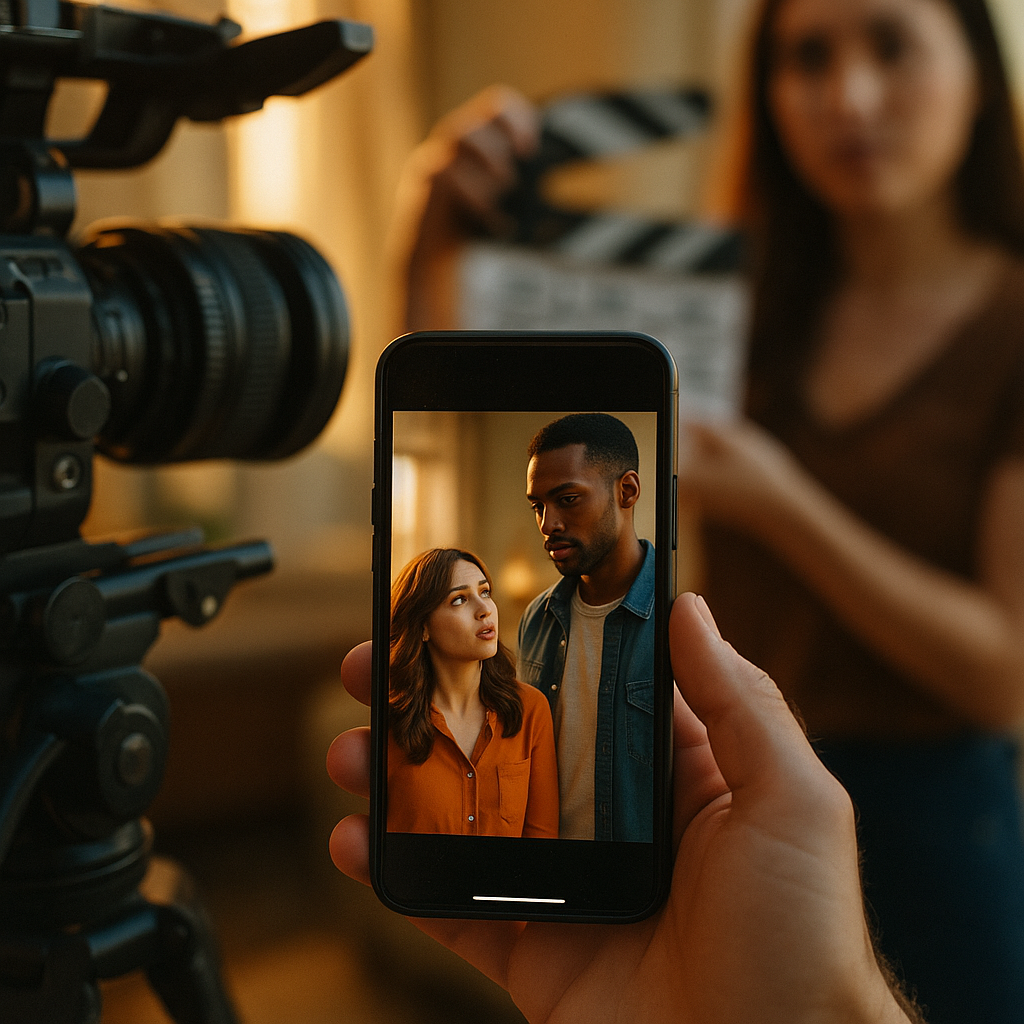
ReelShort and DramaBox now pull tens of millions of monthly active users, and Nielsen-adjacent estimates put the global microdrama market on pace to top $10 billion within a few years. Microdrama isn’t a niche experiment anymore. It’s a distribution channel with its own grammar, its own economics, and its own risk profile — and most brand teams are still treating it like a slightly longer TikTok ad.
That’s the mistake. Vertical scripted series demand a different brief, a different cast strategy, and a different measurement model. Here’s the playbook.
Why Microdramas Broke Out of Nowhere (They Didn’t)
Microdramas feel new because Western marketers just noticed them. The format has been massive in China for years, built on cliffhanger-driven episodes of sixty to ninety seconds, cheap production, and aggressive in-app monetization. What changed recently is platform infrastructure: TikTok and YouTube both built native tools for episodic vertical content, and audiences trained on Reels and Shorts had zero learning curve to adopt serialized drama.
The result is a hybrid: soap-opera pacing compressed into scroll-length bites. Think telenovela stakes with TikTok editing rhythm.
For brands, the appeal is obvious. Attention spans on vertical video are brutal, but a well-hooked microdrama episode gets rewatched, shared, and binged in ways a single branded video never does. Completion rates on serialized micro-content regularly outperform standalone shorts, according to platform-side data shared by TikTok’s advertising resources. Serial structure creates appointment viewing. Appointment viewing creates repeat brand exposure without repeat ad spend.
A single 90-second microdrama episode with three embedded brand beats can generate more cumulative watch time than a six-part standalone ad campaign — because the audience comes back for the story, not the product.
The Anatomy of a Brand-Viable Microdrama
Not every scripted format translates to brand partnership. The ones that work share a structure: a hook in the first three seconds, a mid-episode twist, and a cliffhanger exit that forces the next tap. Brands get woven in through one of three models.
Product-as-plot-device is the cleanest — the item is central to the story (a mysterious inheritance, a locked phone, a delivery that changes everything). Sponsor-adjacent placement is safer but weaker — logo visibility without narrative integration. Full sponsorship of an entire micro-series, with the brand’s name in the title card, is the highest-commitment, highest-reward option.
Most brand teams should start with product-as-plot-device. It respects the format, keeps the audience engaged, and doesn’t read as an ad wearing a costume. If you’ve seen the shift in how brands approach vertical video storytelling, this is the natural next step: moving from single-shot influencer content to serialized IP the brand actually owns a piece of.
Casting Is Not the Same as Influencer Casting
This trips up a lot of teams. Microdrama casting isn’t about follower count or brand affinity — it’s about screen presence and line delivery. You need people who can act, even briefly, and hold a cliffhanger beat convincingly. Some of the strongest performers are actors with modest social followings who happen to be brilliant at vertical-format acting. Others are creators who’ve built genuine parasocial trust and can carry melodrama because audiences already believe in them.
Mixing both — a known creator alongside trained actors — tends to outperform either extreme. The creator brings the audience. The actors carry the plot.
Budgeting Reality: What This Actually Costs
Microdrama production is cheaper than traditional TV but more expensive than a typical influencer deliverable. A scripted eight-to-twelve episode arc, shot vertically with a small crew, typically runs in the low-to-mid five figures for a mid-tier brand campaign — before media spend. That’s a fraction of a traditional branded content series, but it’s still a real production commitment: writers, a director, continuity, wardrobe, multiple shoot days.
Where teams get burned is scope creep. A “quick microdrama” turns into eighteen episodes with reshoots because nobody locked the script before casting. Sound familiar? It’s the same failure mode covered in how to brief a vertical microdrama series without killing ROI — the brief has to lock narrative arc, episode count, and brand-integration beats before a single frame gets shot.
Budget for these line items specifically:
- Script development and revision rounds (usually underestimated by half)
- Talent — both scripted-format actors and any creator cameos
- Vertical-specific editing (pacing for 9:16 is a distinct skill, not a resize job)
- Paid amplification for the first two episodes, since organic discovery of new series is inconsistent
- Usage rights for repurposing episodes into standalone ads later
On that last point: don’t shoot a microdrama and only use it once. Build usage rights into the original contract so episode clips can become standalone social ads, YouTube pre-roll, or CTV spots later. The same logic that governs usage-rights-ready video briefs applies directly here — shoot once, extract value across a dozen downstream formats.
Platform Differences You Can’t Ignore
TikTok and YouTube are not interchangeable for this format, even though both now support vertical series natively.
TikTok rewards binge behavior inside its own feed — episodes auto-suggest the next installment, and the algorithm favors series with strong completion rates over series with high single-episode views. YouTube Shorts, by contrast, benefits from a stronger long-tail: episodes get discovered later, searched for, and linked from a channel page in a way TikTok content rarely allows. YouTube’s recent shift toward updated view-count methodology also changes how brands should read performance data on episodic content — a view now counts differently than it did previously, which matters when you’re reporting “total series views” to a CFO.
Practical implication: if your goal is viral spike and immediate campaign buzz, lead with TikTok. If you’re building a series meant to have shelf life and searchability for months, YouTube’s the backbone, with TikTok as the discovery amplifier. Most sophisticated brand playbooks run both, but sequence the release: TikTok first for velocity, YouTube for durability.
Cross-Posting Without Diluting the Story
You can’t just upload the same cut to both platforms and call it a strategy. TikTok viewers expect faster pacing and platform-native text overlays; YouTube Shorts viewers tolerate slightly longer setup. The fix isn’t reshooting — it’s re-editing from the same source footage, which is exactly the workflow outlined in cross-format asset briefs for YouTube and TikTok. Shoot with enough coverage that your editor can build two distinct cuts from one script.
Compliance: The Part Everyone Forgets
Scripted brand integration raises disclosure questions that a standard sponsored post doesn’t. If a product is central to the plot — say, a skincare brand’s serum is the maguffin driving the entire story — the FTC’s endorsement guidance still applies. Fictional framing doesn’t exempt you from disclosure requirements. Viewers need to know the brand paid for and shaped the narrative, even if the characters are fictional and the plot is soap-opera absurd.
This gets trickier with cliffhanger monetization mechanics, where platforms prompt viewers to pay or watch an ad to unlock the next episode. Stack a paid-unlock mechanic on top of undisclosed brand integration and you’ve got a genuine risk exposure, not just an ethics question.
Build disclosure into the title card and description, not buried in a mid-roll caption nobody reads. The same discipline that applies to urgency-driven content that avoids FTC risk applies here: disclose early, disclose clearly, and don’t rely on platform defaults to cover you.
Measurement: Stop Reporting Views, Start Reporting Arcs
Single-video metrics don’t capture what makes microdramas valuable. A brand running a twelve-episode series needs to track completion rate per episode, drop-off point (where does the audience abandon the arc?), and — critically — brand recall lift measured after episode six versus episode one. Recall typically climbs as the audience becomes invested in characters, which is the entire point of narrative marketing that a single 15-second ad can’t replicate.
Track these specifically:
- Episode-over-episode retention (your real health metric, more important than total views)
- Comment sentiment shift across the arc — are people asking “when’s the next episode” or ignoring it?
- Branded search lift during and after the series run
- Click-through on any embedded product link, measured per episode not just series-wide
Platforms like Sprout Social and eMarketer are starting to publish benchmark data specifically for serialized short-form, which gives brands something to compare against instead of guessing. Use it. Reporting “we got 2 million views” means nothing if 80% of the audience bailed after episode two.
For more foundational grounding on why this format works at all and where the early risk points are, revisit what brands should know before investing in microdramas — it covers the production and rights-management basics this playbook builds on.
What This Means for Your Next Planning Cycle
Microdramas aren’t replacing your influencer program or your standard short-form content calendar. They’re a distinct format with distinct economics: higher upfront production cost, but meaningfully higher engagement depth and rewatch value per dollar spent. Start with a small pilot — six to eight episodes, one platform, one clear brand-integration model — before committing to a full slate.
The brands winning here in the next year won’t be the ones with the biggest production budgets. They’ll be the ones who treated the script like a product and the disclosure like a non-negotiable, not an afterthought.
Frequently Asked Questions
What exactly is a microdrama in a marketing context?
A microdrama is a serialized, vertically shot scripted video series, typically sixty to ninety seconds per episode, released across platforms like TikTok and YouTube Shorts. Brands use them to integrate products into ongoing storylines rather than single standalone ads.
How much does a branded microdrama series typically cost to produce?
Mid-tier campaigns with eight to twelve episodes generally run in the low-to-mid five figures for production alone, before paid amplification. Costs vary heavily based on cast, episode count, and whether the brand owns full usage rights for repurposing.
Is product placement in a microdrama subject to FTC disclosure rules?
Yes. Fictional or scripted framing does not exempt brand integration from endorsement and disclosure requirements. Brands should disclose sponsorship clearly in the title, description, or opening frames rather than relying on ambiguous mid-roll mentions.
Should brands prioritize TikTok or YouTube for microdrama distribution?
TikTok tends to drive faster viral discovery and rewards completion rate within its native feed, while YouTube Shorts offers stronger long-tail searchability and channel-based discovery. Many brands sequence both: TikTok for initial velocity, YouTube for durability.
What metrics matter most for measuring microdrama performance?
Episode-over-episode retention, drop-off points, brand recall lift across the arc, and branded search lift matter more than raw view counts. A series with high early views but steep episode-two drop-off is underperforming regardless of total reach.
Can existing influencer talent be cast in scripted microdrama roles?
Yes, and pairing a known creator with trained actors often outperforms an all-creator or all-actor cast. The creator brings an existing audience; actors carry scripted pacing and cliffhanger delivery more convincingly than most influencers can alone.
Top Influencer Marketing Agencies
The leading agencies shaping influencer marketing in 2026
Agencies ranked by campaign performance, client diversity, platform expertise, proven ROI, industry recognition, and client satisfaction. Assessed through verified case studies, reviews, and industry consultations.
Moburst

-
2

The Shelf
Boutique Beauty & Lifestyle Influencer AgencyA data-driven boutique agency specializing exclusively in beauty, wellness, and lifestyle influencer campaigns on Instagram and TikTok. Best for brands already focused on the beauty/personal care space that need curated, aesthetic-driven content.Clients: Pepsi, The Honest Company, Hims, Elf Cosmetics, Pure LeafVisit The Shelf → -
3

Audiencly
Niche Gaming & Esports Influencer AgencyA specialized agency focused exclusively on gaming and esports creators on YouTube, Twitch, and TikTok. Ideal if your campaign is 100% gaming-focused — from game launches to hardware and esports events.Clients: Epic Games, NordVPN, Ubisoft, Wargaming, Tencent GamesVisit Audiencly → -
4

Viral Nation
Global Influencer Marketing & Talent AgencyA dual talent management and marketing agency with proprietary brand safety tools and a global creator network spanning nano-influencers to celebrities across all major platforms.Clients: Meta, Activision Blizzard, Energizer, Aston Martin, WalmartVisit Viral Nation → -
5

The Influencer Marketing Factory
TikTok, Instagram & YouTube CampaignsA full-service agency with strong TikTok expertise, offering end-to-end campaign management from influencer discovery through performance reporting with a focus on platform-native content.Clients: Google, Snapchat, Universal Music, Bumble, YelpVisit TIMF → -
6

NeoReach
Enterprise Analytics & Influencer CampaignsAn enterprise-focused agency combining managed campaigns with a powerful self-service data platform for influencer search, audience analytics, and attribution modeling.Clients: Amazon, Airbnb, Netflix, Honda, The New York TimesVisit NeoReach → -
7

Ubiquitous
Creator-First Marketing PlatformA tech-driven platform combining self-service tools with managed campaign options, emphasizing speed and scalability for brands managing multiple influencer relationships.Clients: Lyft, Disney, Target, American Eagle, NetflixVisit Ubiquitous → -
8

Obviously
Scalable Enterprise Influencer CampaignsA tech-enabled agency built for high-volume campaigns, coordinating hundreds of creators simultaneously with end-to-end logistics, content rights management, and product seeding.Clients: Google, Ulta Beauty, Converse, AmazonVisit Obviously →