


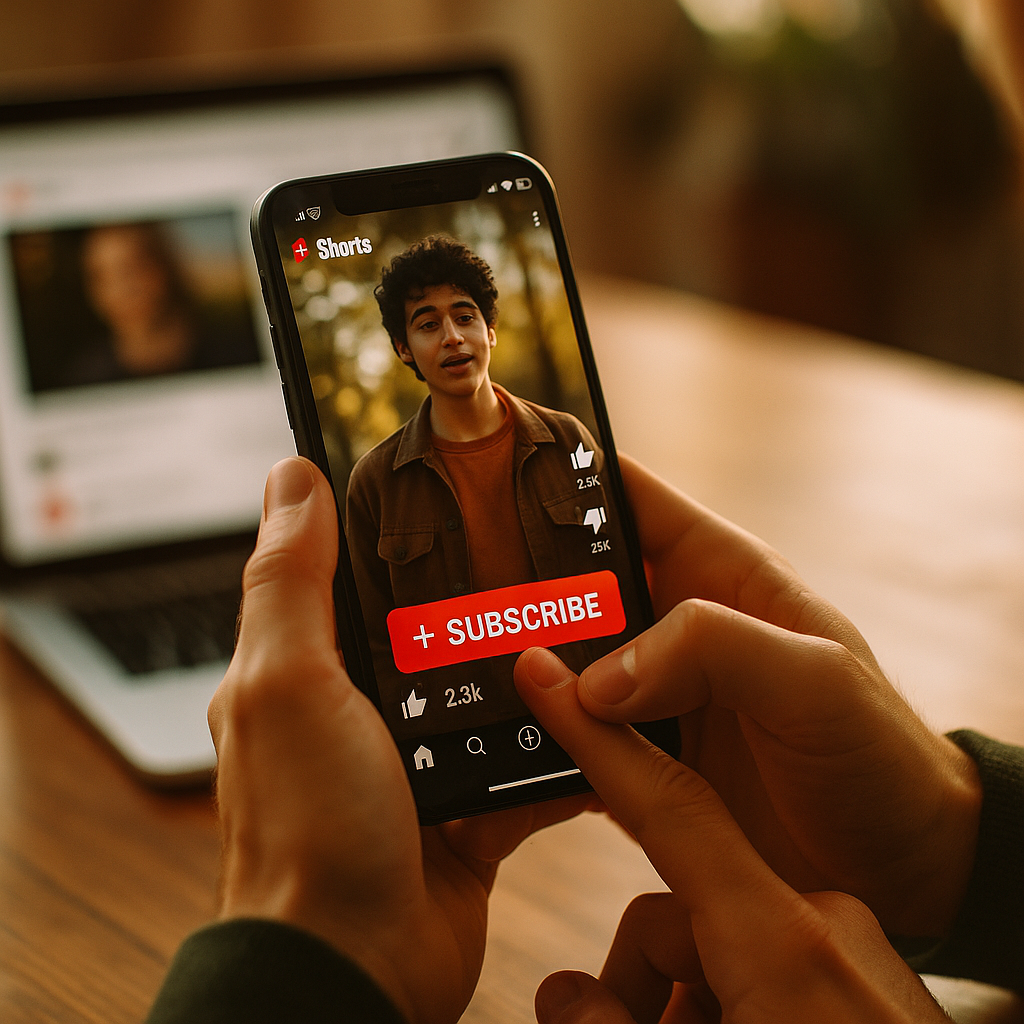
Only about 15% of channels that post standalone Shorts ever convert a viewer into a subscriber. Channels running structured multi-episode series see subscriber conversion rates two to three times higher, according to creator analytics platforms tracking retention patterns. A YouTube Shorts series isn’t a content calendar trick — it’s a subscription mechanism disguised as entertainment. Most brands still treat Shorts like disposable ads. That’s the mistake.
Why One-Off Shorts Cap Your Growth
A single Short can go viral and still do nothing for your channel. Views spike, the algorithm moves on, and the viewer forgets your brand name by the time they’ve swiped through the next five clips. There’s no reason for them to come back — you gave them a complete experience in nine seconds and closed the loop yourself.
Series content works differently. It creates what podcasters call “appointment behavior” without the appointment. The viewer doesn’t need to remember your posting schedule. They just need to remember that episode three exists, and that curiosity is enough to make them tap your channel name or hit subscribe so the algorithm surfaces the next installment automatically.
A Shorts series succeeds or fails on one metric that has nothing to do with views: does the viewer feel like they’re missing something if they don’t come back?
The Anatomy of a Returnable Episode
Not every multi-part upload qualifies as a series. Posting “Part 1” and “Part 2” of the same tutorial is sequencing, not serialization. A real series needs structural DNA that repeats across episodes so viewers recognize it instantly, even muted, even mid-scroll.
- Consistent cold open format: Same visual cue, sound effect, or phrase in the first second. This is your brand’s Pavlovian trigger — think of it as a mini jingle for the Shorts feed.
- A running question, not a resolved one: Each episode should close a small loop while opening a bigger one. Answer the immediate question, tease the next.
- Episode numbering in the title or on-screen text: “Ep. 4” tells a scroller they’ve stumbled into something ongoing, which triggers curiosity about what they missed.
- A recurring host or character: Faces build parasocial trust faster than logos. If budget allows one recurring element, make it a person, not a product shot.
This overlaps heavily with hook mechanics covered in our guide to Shorts hooks and loops — but a series demands the loop extend beyond a single video’s runtime. You’re not just hooking someone into finishing a clip. You’re hooking them into a relationship.
Structuring the Arc: Three Formats That Actually Retain
Brands that treat this as a screenwriting problem outperform brands that treat it as a posting-frequency problem. Three structures consistently earn return visits:
- The countdown/build series. Ten short episodes counting down to a launch, reveal, or milestone. Works well for product drops because the finale has a built-in commercial payoff. Duolingo and Ryanair-style brand accounts have used variations of this for stunt content.
- The case-file format. Each episode solves one mini-problem in a larger category (skincare myths, budgeting mistakes, marketing fails). Viewers don’t need to watch in order, but recognizing the format pulls them into a binge.
- The character journey. A recurring persona — employee, mascot, customer — moves through a storyline across episodes. Higher production lift, but the strongest subscriber lock-in because people follow characters the way they follow TV.
Pick one. Trying to run all three simultaneously fragments your audience and confuses the algorithm about what your channel actually is.
What the Algorithm Actually Rewards Here
YouTube’s recommendation system doesn’t have a special “series” flag you toggle on. It infers seriality from behavior signals: session duration across multiple videos from the same channel, search queries for your episode titles, and click-through from your channel page. When those signals cluster, YouTube starts surfacing your next episode to viewers who watched the previous one, even without a subscribe.
This is why episode titles matter more in a series than in standalone Shorts. Consistent naming conventions (“Brand Name Mistakes: Ep 7”) make your content searchable and clickable from suggested video rails. Google’s own guidance on YouTube Shorts best practices emphasizes consistency signals over one-off virality for channel growth — a subtle but important shift from the old “chase the algorithm” mentality.
Playlists reinforce this further. Group every episode into a dedicated playlist and pin it to your channel page. It costs nothing and materially increases the odds a new viewer binges three episodes in one sitting instead of watching one and leaving.
Cadence: The Variable Most Brands Get Wrong
Daily posting sounds aggressive and impressive in a content calendar deck. It’s often the wrong call for series content. Viewers need enough gap between episodes to generate anticipation, but not so much gap that they forget the premise entirely.
Data from social analytics firms like Sprout Social suggests 2-3 times per week is the sweet spot for serialized short-form — frequent enough to stay top-of-feed, spaced enough to build a mild sense of “next episode” anticipation. Test your own cadence against your niche; a finance explainer series can sustain a slower pace than a comedic character series where format fatigue sets in faster.
The brands winning subscriber return visits aren’t posting more often — they’re posting on a rhythm the viewer can subconsciously predict.
Repurposing Without Cannibalizing Your Long-Form Content
A common objection from content leads: “won’t a Shorts series compete with our long-form YouTube strategy?” Usually the opposite happens. A well-run series acts as a discovery funnel into long-form. Think of each Short as a trailer for a bigger asset — a podcast episode, a webinar, a product demo — rather than a replacement for it.
The mechanics are similar to what we’ve seen work on other short-form-to-community pipelines. TikTok’s stitch and duet formats function the same way: bite-sized entry points that funnel engaged viewers toward deeper brand touchpoints. On YouTube specifically, you get the added benefit of the subscribe button living in the same ecosystem as your long-form catalog, so a Shorts subscriber is one click away from your webinar recordings or tutorial library.
If you’re running a broadcast-style companion alongside your series — behind-the-scenes updates, episode previews, community polls — a channel like Instagram Broadcast Channels can extend the relationship off-platform, giving superfans a direct line that doesn’t depend on YouTube’s algorithm mood that week.
Measurement: Stop Grading Episodes Individually
The single biggest reporting mistake brand teams make with Shorts series: evaluating each episode’s view count in isolation, the same way you’d grade a standalone ad. That’s the wrong lens. Series performance should be measured as a cohort.
- Episode-over-episode retention: What percentage of Episode 1 viewers show up for Episode 3? This is your real loyalty signal.
- Subscriber lift per episode: Track subscribes gained in the 48 hours following each specific episode, not just channel-wide monthly totals.
- Playlist completion rate: YouTube Studio surfaces this under playlist analytics — it’s an underused metric that tells you if your arc is actually binge-worthy.
- Search volume for episode-specific terms: If people are searching “[brand] episode 5,” you’ve built a franchise, not a campaign.
Report these numbers to leadership as a trendline across the whole series arc, not a per-video scorecard. A weak Episode 2 that recovers by Episode 4 tells a much more useful story than five isolated view counts ever will.
Compliance and Brand Safety Across a Longer Arc
Series content carries a risk one-off Shorts don’t: consistency creates commitment, and commitment creates liability if something in your format drifts off-brand or off-compliance mid-run. If your series features creator talent, disclosure requirements under FTC endorsement guidelines apply to every episode, not just the launch video — a lapse in episode six is just as actionable as one in episode one.
Build a lightweight compliance checklist into your production workflow before episode one ships: disclosure placement, claims substantiation for any product statements, and a review step for recurring hosts who might improvise off-script. It’s far cheaper to catch this in a script review than to re-edit twelve published episodes after a legal flag.
FAQs
Frequently Asked Questions
How many episodes should a YouTube Shorts series run before I evaluate results?
Give it at least six to eight episodes before judging performance. Series momentum builds through repetition and algorithmic pattern recognition, so early episodes often underperform while the format is still finding its audience.
Should each Shorts episode work as a standalone video?
Yes, partially. Each episode should deliver a complete mini-payoff so casual viewers aren’t confused, but it should also leave an open thread that rewards viewers who follow the whole arc. Balance closure with curiosity.
What’s the ideal length for a Shorts series episode?
Most high-retention series stay between 20 and 45 seconds per episode. Longer runtimes risk losing casual scrollers before your recurring hook lands, especially in the first few episodes when brand recognition is still forming.
Do playlists actually help with YouTube Shorts discovery?
Yes. Playlists increase session watch time and give YouTube clearer signals that your content belongs together, which improves the odds of suggested-video placement for subsequent episodes among viewers who watched earlier ones.
How is a Shorts series different from a TikTok content series?
The core storytelling principles overlap, but YouTube’s subscribe mechanic and playlist infrastructure make series content stickier for long-term audience ownership, whereas TikTok favors trend-driven discovery over episodic loyalty.
Pick one series format, commit to eight episodes minimum, and build your compliance checklist before you shoot episode one — not after episode six goes sideways. The brands winning subscriber return visits right now aren’t the ones posting most often; they’re the ones who made their audience curious about what happens next.
Top Influencer Marketing Agencies
The leading agencies shaping influencer marketing in 2026
Agencies ranked by campaign performance, client diversity, platform expertise, proven ROI, industry recognition, and client satisfaction. Assessed through verified case studies, reviews, and industry consultations.
Moburst

-
2

The Shelf
Boutique Beauty & Lifestyle Influencer AgencyA data-driven boutique agency specializing exclusively in beauty, wellness, and lifestyle influencer campaigns on Instagram and TikTok. Best for brands already focused on the beauty/personal care space that need curated, aesthetic-driven content.Clients: Pepsi, The Honest Company, Hims, Elf Cosmetics, Pure LeafVisit The Shelf → -
3

Audiencly
Niche Gaming & Esports Influencer AgencyA specialized agency focused exclusively on gaming and esports creators on YouTube, Twitch, and TikTok. Ideal if your campaign is 100% gaming-focused — from game launches to hardware and esports events.Clients: Epic Games, NordVPN, Ubisoft, Wargaming, Tencent GamesVisit Audiencly → -
4

Viral Nation
Global Influencer Marketing & Talent AgencyA dual talent management and marketing agency with proprietary brand safety tools and a global creator network spanning nano-influencers to celebrities across all major platforms.Clients: Meta, Activision Blizzard, Energizer, Aston Martin, WalmartVisit Viral Nation → -
5

The Influencer Marketing Factory
TikTok, Instagram & YouTube CampaignsA full-service agency with strong TikTok expertise, offering end-to-end campaign management from influencer discovery through performance reporting with a focus on platform-native content.Clients: Google, Snapchat, Universal Music, Bumble, YelpVisit TIMF → -
6

NeoReach
Enterprise Analytics & Influencer CampaignsAn enterprise-focused agency combining managed campaigns with a powerful self-service data platform for influencer search, audience analytics, and attribution modeling.Clients: Amazon, Airbnb, Netflix, Honda, The New York TimesVisit NeoReach → -
7

Ubiquitous
Creator-First Marketing PlatformA tech-driven platform combining self-service tools with managed campaign options, emphasizing speed and scalability for brands managing multiple influencer relationships.Clients: Lyft, Disney, Target, American Eagle, NetflixVisit Ubiquitous → -
8

Obviously
Scalable Enterprise Influencer CampaignsA tech-enabled agency built for high-volume campaigns, coordinating hundreds of creators simultaneously with end-to-end logistics, content rights management, and product seeding.Clients: Google, Ulta Beauty, Converse, AmazonVisit Obviously →