


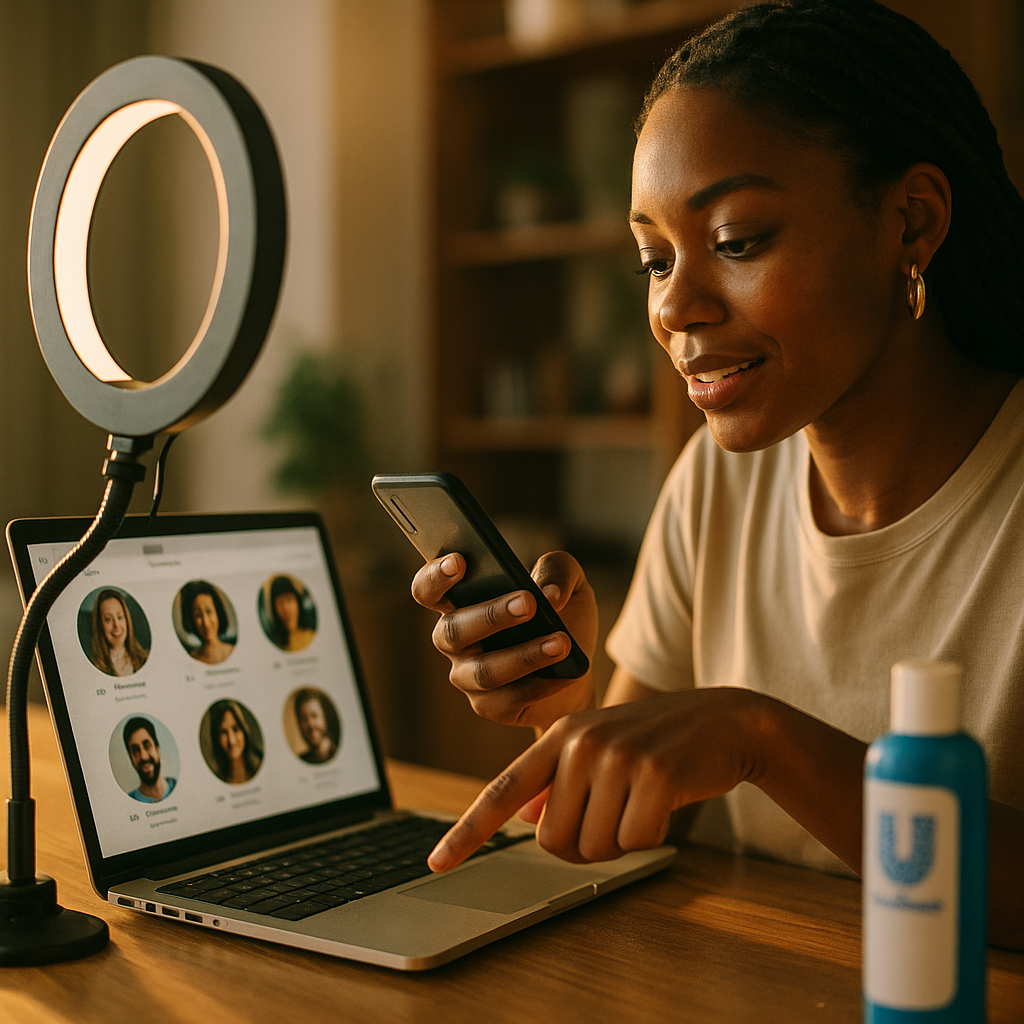
Follower count is a vanity metric. Unilever figured that out at scale. The consumer goods giant now runs one of the most sophisticated interest-driven creator discovery programs in the industry, and the operational shift behind it offers a replicable playbook for any brand managing high-volume influencer programs.
The Problem With Chasing Reach
For years, the default logic in influencer marketing was simple: bigger audience, bigger impact. Brands paid a premium for creators with seven-figure followings and measured success in impressions. The math felt clean. It wasn’t.
Unilever’s own research, surfaced through its annual marketing effectiveness reviews, consistently showed that follower-based targeting produced inflated reach numbers but weak downstream conversion, particularly across its personal care and home care categories. A beauty creator with 2 million followers who mostly posts lifestyle content is not the same as a 180,000-follower creator whose audience genuinely obsesses over skincare routines. The signal quality is completely different.
This is the core insight that drove Unilever’s pivot: audience interest alignment outperforms raw audience size almost every time when purchase intent is the goal.
Brands that shift from follower-based to interest-based creator selection consistently report stronger conversion rates — because they’re reaching people who already care about the category, not just people who happen to follow someone famous.
How Interest-Driven Discovery Actually Works in Practice
The mechanics behind Unilever’s approach involve layering platform-native interest data with third-party creator intelligence tools. Rather than querying “find creators with 500K+ followers in beauty,” the brief becomes: “find creators whose audience over-indexes for sustainable home cleaning, eco-conscious parenting, and refillable product behavior.”
Unilever worked with platforms including Meta’s brand tools and leveraged creator intelligence software to build psychographic audience maps before a single creator was shortlisted. The process essentially inverts the traditional funnel. You start with the consumer interest cluster, then find creators whose content naturally attracts that cluster.
Tools like CreatorIQ and Traackr have enabled this kind of reverse discovery for enterprise brands for several years, but Unilever’s execution went further by building proprietary signal layers on top. Their content supply chain team (which we’ve covered in depth in our analysis of Unilever’s content supply chain) built automated intake systems that score incoming creator briefs against real-time interest data from search, social listening, and retail behavior.
The practical output: creator shortlists that arrive pre-validated against audience interest overlap, reducing the manual review cycle from weeks to days.
Building a Social-First Content Pipeline at Scale
Discovery is only half the problem. The other half is volume. Unilever operates across dozens of brands in more than 190 countries. Managing creator content at that scale without sacrificing quality or brand safety is genuinely hard.
Their solution combined three structural elements:
- Modular brief architecture: Creative briefs are built in reusable components. A brand safety block, a product truth block, and a creator latitude block can be assembled differently for each campaign without rebuilding from scratch. This mirrors the modular approach that P&G has pioneered in its own agency model.
- Tiered approval workflows: Rather than routing every piece of creator content through the same legal and brand review queue, Unilever segments by risk profile. Established creator partners with a track record get expedited approval. New creators or sensitive product claims go through full review.
- Always-on content pods: Instead of campaign-by-campaign activations, Unilever maintains standing creator pods for its top-performing brands. These pods produce content continuously, allowing the brand to respond to cultural moments, trending audio, or retail events without spinning up a new campaign each time.
The always-on model is particularly relevant for social commerce. Ulta Beauty’s TikTok Shop strategy offers a parallel example: brands that maintain active creator relationships rather than episodic ones see compounding engagement benefits over time.
Automation vs. Authentic Voice: The Tension Every Brand Has to Solve
Here’s the honest trade-off: the more you automate a content pipeline, the greater the risk that creator content starts to feel templated. Audiences notice. Engagement drops. The whole value proposition of creator marketing erodes.
Unilever’s answer was to automate the infrastructure, not the voice. The systems handle discovery, brief assembly, compliance checks, performance tracking, and payment processing. The creator still owns the content concept, the format, the tone, and the storytelling. They’re not given a script. They’re given a clear product truth and a guardrail set, then trusted to execute in their own idiom.
This is operationally harder than handing a creator a storyboard. It requires strong creative partnership skills inside the brand team and a willingness to accept content that looks different from what the traditional brand team would have produced. The payoff is content that performs because it doesn’t look like an ad.
Consider how Starbucks’ Green Apron creator network navigates the same tension: employee creators post with genuine personal voice, but within a loosely defined brand guardrail. The authenticity comes from giving creators real ownership of their narrative, not from removing structure entirely.
The brands winning at scale in creator marketing have learned that automation and authenticity aren’t opposites — they operate at different layers. Automate the pipeline. Protect the voice.
Measurement Architecture: What Unilever Tracks and Why
Interest-driven creator selection only proves its value if you’re measuring the right things. Unilever moved away from pure reach and impression metrics toward a measurement stack that includes:
- Interest-to-purchase pathway tracking: Monitoring how creator-driven interest signals translate into search lift, retail page visits, and add-to-cart behavior.
- Content resonance scores: Measuring saves, shares, and comment sentiment rather than just likes and views. These are stronger signals of genuine audience engagement with the category.
- Creator-level attribution: Using pixel-level tracking and creator-specific discount codes to attribute conversions directly, rather than relying on last-click models that under-credit top-of-funnel creator activity.
- Audience interest drift: Monitoring whether a creator’s audience composition shifts over time. A creator who started in sustainable beauty may have drifted toward general lifestyle. That’s a program risk that needs to be caught before the next campaign, not after.
For brands evaluating their own attribution infrastructure, the AI CRM attribution playbook covers how to connect creator touchpoints to downstream conversion data in practical terms.
External benchmarking data from eMarketer consistently shows that brands using multi-touch attribution models for influencer programs report 20 to 35 percent higher measured ROI compared to those still relying on last-click. The measurement model you choose is, effectively, a budget decision.
What Smaller Brands Can Adapt From This Playbook
Unilever’s resources are not your resources. But the strategic logic scales down surprisingly well.
Start with interest mapping before creator outreach. Use social listening tools like Sprout Social or Brandwatch to define the two or three interest clusters your best customers actually belong to. Then search for creators whose content organically attracts those clusters. Even a manual pass through TikTok’s creative center or TikTok Ads Manager audience insights gives you enough signal to validate whether a creator’s audience is the right fit.
Build modular briefs, even simple ones. A one-page brief with a product truth section, a brand guardrail section, and a creator latitude section already performs better than a three-page script. For CPG brands in particular, our coverage of CPG micro-creator strategy shows how this brief architecture reduces CAC at lower budget tiers.
Resist the impulse to approve everything. Tiered review is not just an enterprise luxury. Even a two-person marketing team can define which content types need full legal review and which can go live after a quick brand check. Speed matters on social. A three-week approval cycle kills cultural relevance.
Finally, track interest resonance, not just reach. Even free tools like Statista and native platform analytics give you enough data to assess whether creator content is connecting with the right audience interests, not just reaching a large one.
The shift Unilever made is architectural, not just tactical. If your next creator brief still leads with follower count as the primary filter, you haven’t made the shift yet.
Frequently Asked Questions
What is interest-driven creator discovery?
Interest-driven creator discovery is a methodology that identifies influencers based on the interests, behaviors, and intent signals of their audience rather than their follower count alone. It starts with defining the consumer interest cluster a brand wants to reach, then finds creators whose content naturally attracts that cluster. This approach typically produces stronger purchase intent and conversion rates than follower-based selection.
How did Unilever shift from follower-based to interest-driven creator selection?
Unilever built a layered discovery process that combines platform-native audience interest data, third-party creator intelligence tools like CreatorIQ and Traackr, and proprietary signals from search, social listening, and retail behavior. Creator shortlists are now scored against interest alignment before manual review begins, dramatically reducing the time required to validate creator-audience fit.
How does Unilever balance automation with authentic creator voice?
Unilever automates the operational infrastructure including discovery, brief assembly, compliance checks, performance tracking, and payments while preserving creator ownership of concept, tone, and storytelling. Creators receive a clear product truth and a guardrail set but are trusted to execute in their own voice. This separation of automated pipeline from authentic voice is central to their content quality at scale.
What metrics does Unilever use to measure interest-driven creator programs?
Unilever’s measurement stack includes interest-to-purchase pathway tracking, content resonance scores based on saves and shares rather than passive views, creator-level attribution using pixels and creator-specific codes, and audience interest drift monitoring to catch shifts in a creator’s audience composition over time.
Can smaller brands replicate Unilever’s creator discovery approach?
Yes, the strategic logic scales down effectively. Smaller brands can use social listening tools and native platform audience insights to define consumer interest clusters, build simple modular briefs, create tiered approval workflows, and measure content resonance rather than raw reach. The core principle of starting with audience interests before creator selection applies regardless of budget scale.
Top Influencer Marketing Agencies
The leading agencies shaping influencer marketing in 2026
Agencies ranked by campaign performance, client diversity, platform expertise, proven ROI, industry recognition, and client satisfaction. Assessed through verified case studies, reviews, and industry consultations.
Moburst

-
2

The Shelf
Boutique Beauty & Lifestyle Influencer AgencyA data-driven boutique agency specializing exclusively in beauty, wellness, and lifestyle influencer campaigns on Instagram and TikTok. Best for brands already focused on the beauty/personal care space that need curated, aesthetic-driven content.Clients: Pepsi, The Honest Company, Hims, Elf Cosmetics, Pure LeafVisit The Shelf → -
3

Audiencly
Niche Gaming & Esports Influencer AgencyA specialized agency focused exclusively on gaming and esports creators on YouTube, Twitch, and TikTok. Ideal if your campaign is 100% gaming-focused — from game launches to hardware and esports events.Clients: Epic Games, NordVPN, Ubisoft, Wargaming, Tencent GamesVisit Audiencly → -
4

Viral Nation
Global Influencer Marketing & Talent AgencyA dual talent management and marketing agency with proprietary brand safety tools and a global creator network spanning nano-influencers to celebrities across all major platforms.Clients: Meta, Activision Blizzard, Energizer, Aston Martin, WalmartVisit Viral Nation → -
5

The Influencer Marketing Factory
TikTok, Instagram & YouTube CampaignsA full-service agency with strong TikTok expertise, offering end-to-end campaign management from influencer discovery through performance reporting with a focus on platform-native content.Clients: Google, Snapchat, Universal Music, Bumble, YelpVisit TIMF → -
6

NeoReach
Enterprise Analytics & Influencer CampaignsAn enterprise-focused agency combining managed campaigns with a powerful self-service data platform for influencer search, audience analytics, and attribution modeling.Clients: Amazon, Airbnb, Netflix, Honda, The New York TimesVisit NeoReach → -
7

Ubiquitous
Creator-First Marketing PlatformA tech-driven platform combining self-service tools with managed campaign options, emphasizing speed and scalability for brands managing multiple influencer relationships.Clients: Lyft, Disney, Target, American Eagle, NetflixVisit Ubiquitous → -
8

Obviously
Scalable Enterprise Influencer CampaignsA tech-enabled agency built for high-volume campaigns, coordinating hundreds of creators simultaneously with end-to-end logistics, content rights management, and product seeding.Clients: Google, Ulta Beauty, Converse, AmazonVisit Obviously →