


6.5 Million New Customers. One Olympic Moment. What Ralph Lauren Actually Did Right.
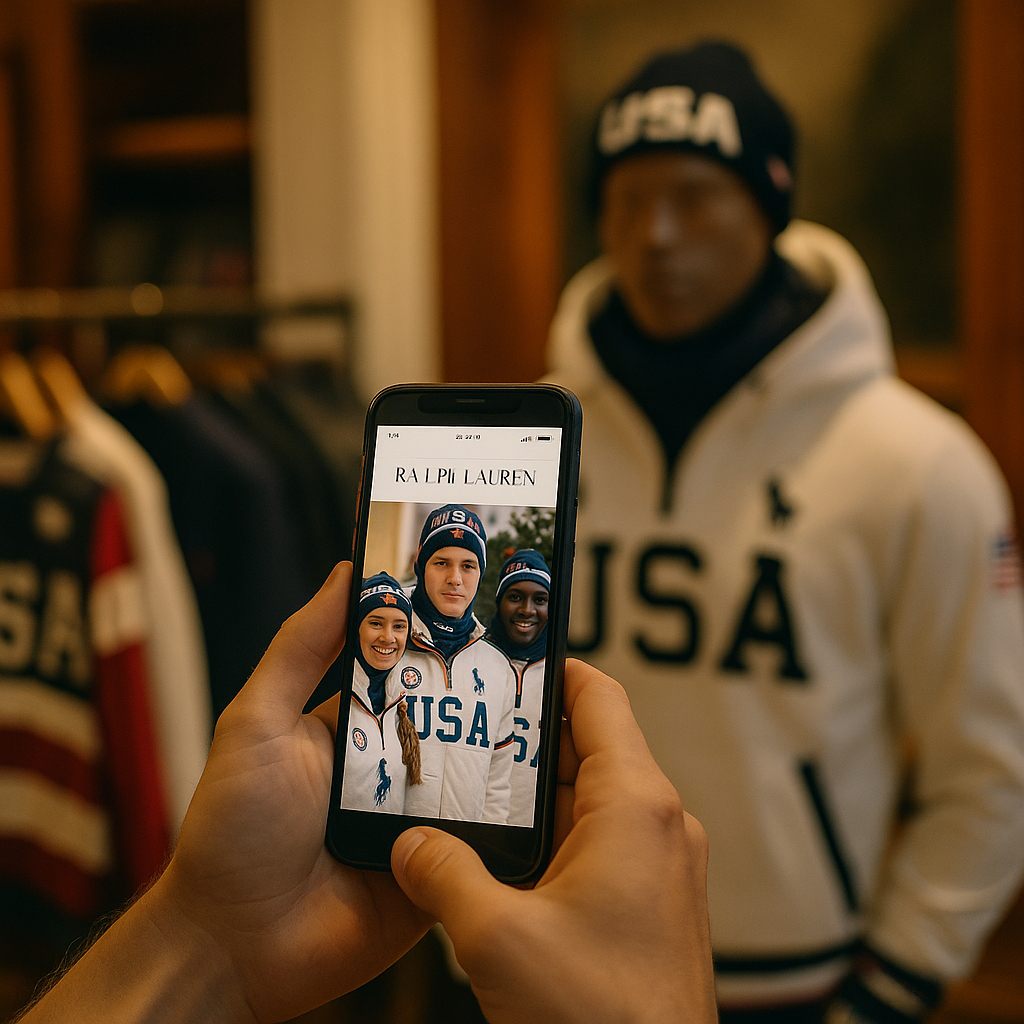
Ralph Lauren’s Milan Cortina Winter Olympics activation didn’t just generate buzz. It added 6.5 million new customers and claimed the number-one share of voice among all Olympic sponsors, outperforming brands that spent far more. For premium brand marketers watching from the sidelines, the real question isn’t whether you can afford an Olympic sponsorship. It’s whether you understand the creator strategy that made it work.
The Sponsorship Was the Stage, Not the Strategy
Here’s what most post-mortems miss: the Olympic deal gave Ralph Lauren access and credibility, but the creator program delivered the reach. The brand deployed a tiered influencer architecture across Instagram, TikTok, and Pinterest, seeding its Opening Ceremony looks with a mix of lifestyle creators, athletes, and cultural commentators before the games began. By the time Team USA walked in those iconic outfits, the conversation was already primed.
That sequencing matters. Brands that treat creator content as a post-event amplification tool consistently underperform against those that use creators to build anticipation. Ralph Lauren front-loaded the creator work, generating organic conversation during the highest-attention window in global sports.
Creator content placed before a cultural moment consistently outperforms content published during or after. Anticipation content generates 2-3x more saves and shares than reaction content on the same event.
The brand’s multi-platform social commerce playbook has been years in development, and Milan Cortina was its most visible deployment. The Olympics simply gave it a global stage.
Why Share of Voice Isn’t a Vanity Metric Here
Some marketers dismiss share of voice as a feel-good number disconnected from revenue. Ralph Lauren’s results challenge that framing directly. The brand’s CMO has pointed to SOV as a leading indicator of the brand consideration cycle, especially in the luxury and premium segments where purchase decisions have longer gestation periods. When 6.5 million new customers come into your ecosystem during a single activation window, SOV was the funnel, not the trophy.
The creator program structured content across three distinct layers: aspirational editorial (think high-production athlete and lifestyle shoots), cultural commentary from mid-tier creators with 100K–500K audiences, and micro-level authentic reactions from everyday fans and niche communities. This layered approach is closer to how Unilever structures creator discovery around interest graphs than follower counts, and it’s a model any premium brand can adapt.
What “Premium Brand” Creator Strategy Actually Requires
Premium brands face a specific tension in creator marketing. Too much creator freedom risks brand dilution. Too much brand control kills authenticity and tanking engagement. Ralph Lauren threaded this needle by leading with product as cultural artifact rather than product as item to purchase.
Creators weren’t briefed to sell the puffer jacket. They were briefed to talk about what dressing a nation means. That’s a fundamentally different creative brief, and it produces fundamentally different content.
This approach aligns with what the best-performing creator campaign briefs share in common: they define the emotional territory, not the script. When you give creators cultural permission rather than product talking points, the resulting content earns trust with audiences instead of just renting their attention.
Practically, this means your creative brief needs to answer three questions before any creator is activated:
- What cultural moment or conversation does this product authentically belong in?
- Which creator communities have existing credibility in that conversation?
- What does organic content in that space actually look like, and how does your brief protect that aesthetic while protecting brand standards?
Brands like Macy’s have wrestled with similar questions around heritage brand modernization through creators, and the common thread is a willingness to let the brand’s history function as creative context rather than creative constraint.
Replicating the Model Without Nine Figures
The Olympic sponsorship itself is out of reach for most brands. The creator architecture underneath it isn’t.
Consider the structural elements independently. First, Ralph Lauren identified a cultural moment with genuine global attention and positioned creators inside it before the peak. For brands without Olympic deals, this translates to seasonal moments, cultural calendars, category-specific events (fashion weeks, major sporting events, awards seasons), or even brand-owned moments like anniversaries and product launches treated as cultural events rather than sales pushes.
Second, the brand used athlete creators not as endorsers but as insiders. This is the distinction that drove the authenticity perception. When Team USA athletes wore the Opening Ceremony looks and posted about the experience of wearing them, that wasn’t advertising. That was testimony. Brands can recreate this dynamic through seeding programs with niche community leaders, not just celebrity influencers. A creator who’s a genuine insider in a specific sport, subculture, or professional community carries more weight than a macro influencer who’s simply been paid.
Third, the campaign ran across Pinterest, Instagram, and TikTok with platform-native content strategies, not repurposed assets. Pinterest captured the aspiration and drove saves. Instagram handled the editorial and community conversation. TikTok drove the cultural commentary and reach. This is the same three-platform logic that Alo Yoga has scaled through its creator economy strategy, and it works because each platform serves a different stage of the brand relationship.
The brands winning share of voice in cultural moments aren’t outspending competitors. They’re out-briefing them. A sharper creative brief and earlier creator activation consistently outperform larger budgets deployed at the wrong moment.
The Measurement Framework That Actually Matters
New customer acquisition at 6.5 million is a hard number. But the measurement architecture behind it requires more than a dashboard counting follows and impressions.
Ralph Lauren tracks what it calls “brand investment returns,” which includes new customer acquisition cost, email and loyalty program signups attributable to creator touchpoints, and downstream repeat purchase rates from that cohort. This is a longer-horizon measurement model, one that treats creator investment as brand infrastructure rather than a campaign line item. The AI-driven CRM attribution tools now available to mid-market brands make this kind of multi-touch measurement more accessible than it was even two years ago.
Marketers replicating this model need to resist the pressure to evaluate Olympic-style cultural campaigns on short-cycle ROAS. The customer acquisition math only works if you’re measuring 90 to 180 days out, accounting for the full consideration cycle that premium brand purchases require. Statista’s retail data consistently shows that premium apparel customers have purchase consideration windows 3 to 5 times longer than mass-market equivalents. Attribution models need to reflect that reality.
For brands building this measurement infrastructure, tools like Sprout Social for SOV tracking, Meta’s attribution suite for cross-platform creator tracking, and platforms like EMARKETER for competitive benchmarking provide the data foundation without requiring Olympic-scale media budgets.
The FTC’s disclosure requirements apply regardless of campaign scale, and premium brands are particularly exposed to reputational risk from non-compliant creator posts. Build FTC disclosure compliance into your creator brief template from the start, not as an afterthought.
The Replicable Playbook in Four Steps
Strip away the Olympic context and Ralph Lauren’s creator strategy becomes a four-part framework any premium or heritage brand can operationalize:
- Identify the cultural moment before it peaks. The brand’s creator activation began weeks before Opening Ceremony. Calendar your creator content to lead the moment, not react to it.
- Build a tiered creator roster with insider creators at the foundation. Macro influencers drive awareness; insider creators drive credibility. Weight your budget toward the latter.
- Brief on cultural territory, not product features. Give creators the emotional context and brand guardrails, then let them find the authentic expression.
- Measure at the customer acquisition and loyalty layer, not just the impression layer. New customer CAC, email capture rates, and 90-day repeat purchase from the creator-attributed cohort are your real KPIs.
Start by auditing your next major campaign brief against these four criteria before the first creator is contracted.
Frequently Asked Questions
How did Ralph Lauren achieve number-one share of voice at the Milan Cortina Olympics?
Ralph Lauren combined an official Team USA outfitter deal with a tiered creator strategy deployed across Instagram, TikTok, and Pinterest. By activating creators before the Opening Ceremony rather than reacting to it, the brand seeded cultural conversation early and sustained it through the games. The combination of aspirational editorial content, mid-tier lifestyle creator commentary, and micro-level authentic engagement from niche communities drove higher SOV than competing sponsors with larger media budgets.
Can brands replicate Ralph Lauren’s Olympic creator strategy without an Olympic sponsorship?
Yes. The sponsorship provided access, but the creator architecture is the replicable element. Brands can apply the same model to cultural moments relevant to their category: fashion weeks, major sporting events, awards seasons, or brand-owned milestones. The key structural elements are early creator activation, insider creators over generic influencers, emotionally-framed creative briefs, and multi-platform content strategy with platform-native execution.
What does Ralph Lauren’s 6.5 million new customer figure actually measure?
The figure refers to new customers who entered Ralph Lauren’s ecosystem, including first-time purchasers and loyalty program registrants, attributable to the Milan Cortina activation period. The brand uses a “brand investment return” measurement model that tracks new customer acquisition cost, loyalty signups, and 90 to 180-day repeat purchase behavior from that cohort, treating the creator program as brand infrastructure rather than a single-campaign expense.
What types of creators did Ralph Lauren use for the Olympics activation?
The program used three creator tiers: high-production athlete and lifestyle creators for aspirational editorial content, mid-tier creators with audiences between 100,000 and 500,000 followers for cultural commentary, and micro-level creators from niche sports and lifestyle communities for authentic grassroots engagement. Critically, athlete creators were positioned as insiders sharing an experience, not endorsers promoting a product, which drove higher trust and authenticity perception.
How should premium brands measure creator campaign ROI over longer time horizons?
Premium brand creator campaigns require measurement windows of 90 to 180 days to capture the full consideration cycle. Key metrics include new customer acquisition cost attributable to creator touchpoints, email and loyalty program capture rates from creator-driven traffic, and repeat purchase rates from the new customer cohort. Short-cycle ROAS models undercount the value of brand-building creator campaigns in premium and luxury categories where purchase decisions develop over weeks or months.
Top Influencer Marketing Agencies
The leading agencies shaping influencer marketing in 2026
Agencies ranked by campaign performance, client diversity, platform expertise, proven ROI, industry recognition, and client satisfaction. Assessed through verified case studies, reviews, and industry consultations.
Moburst

-
2

The Shelf
Boutique Beauty & Lifestyle Influencer AgencyA data-driven boutique agency specializing exclusively in beauty, wellness, and lifestyle influencer campaigns on Instagram and TikTok. Best for brands already focused on the beauty/personal care space that need curated, aesthetic-driven content.Clients: Pepsi, The Honest Company, Hims, Elf Cosmetics, Pure LeafVisit The Shelf → -
3

Audiencly
Niche Gaming & Esports Influencer AgencyA specialized agency focused exclusively on gaming and esports creators on YouTube, Twitch, and TikTok. Ideal if your campaign is 100% gaming-focused — from game launches to hardware and esports events.Clients: Epic Games, NordVPN, Ubisoft, Wargaming, Tencent GamesVisit Audiencly → -
4

Viral Nation
Global Influencer Marketing & Talent AgencyA dual talent management and marketing agency with proprietary brand safety tools and a global creator network spanning nano-influencers to celebrities across all major platforms.Clients: Meta, Activision Blizzard, Energizer, Aston Martin, WalmartVisit Viral Nation → -
5

The Influencer Marketing Factory
TikTok, Instagram & YouTube CampaignsA full-service agency with strong TikTok expertise, offering end-to-end campaign management from influencer discovery through performance reporting with a focus on platform-native content.Clients: Google, Snapchat, Universal Music, Bumble, YelpVisit TIMF → -
6

NeoReach
Enterprise Analytics & Influencer CampaignsAn enterprise-focused agency combining managed campaigns with a powerful self-service data platform for influencer search, audience analytics, and attribution modeling.Clients: Amazon, Airbnb, Netflix, Honda, The New York TimesVisit NeoReach → -
7

Ubiquitous
Creator-First Marketing PlatformA tech-driven platform combining self-service tools with managed campaign options, emphasizing speed and scalability for brands managing multiple influencer relationships.Clients: Lyft, Disney, Target, American Eagle, NetflixVisit Ubiquitous → -
8

Obviously
Scalable Enterprise Influencer CampaignsA tech-enabled agency built for high-volume campaigns, coordinating hundreds of creators simultaneously with end-to-end logistics, content rights management, and product seeding.Clients: Google, Ulta Beauty, Converse, AmazonVisit Obviously →