


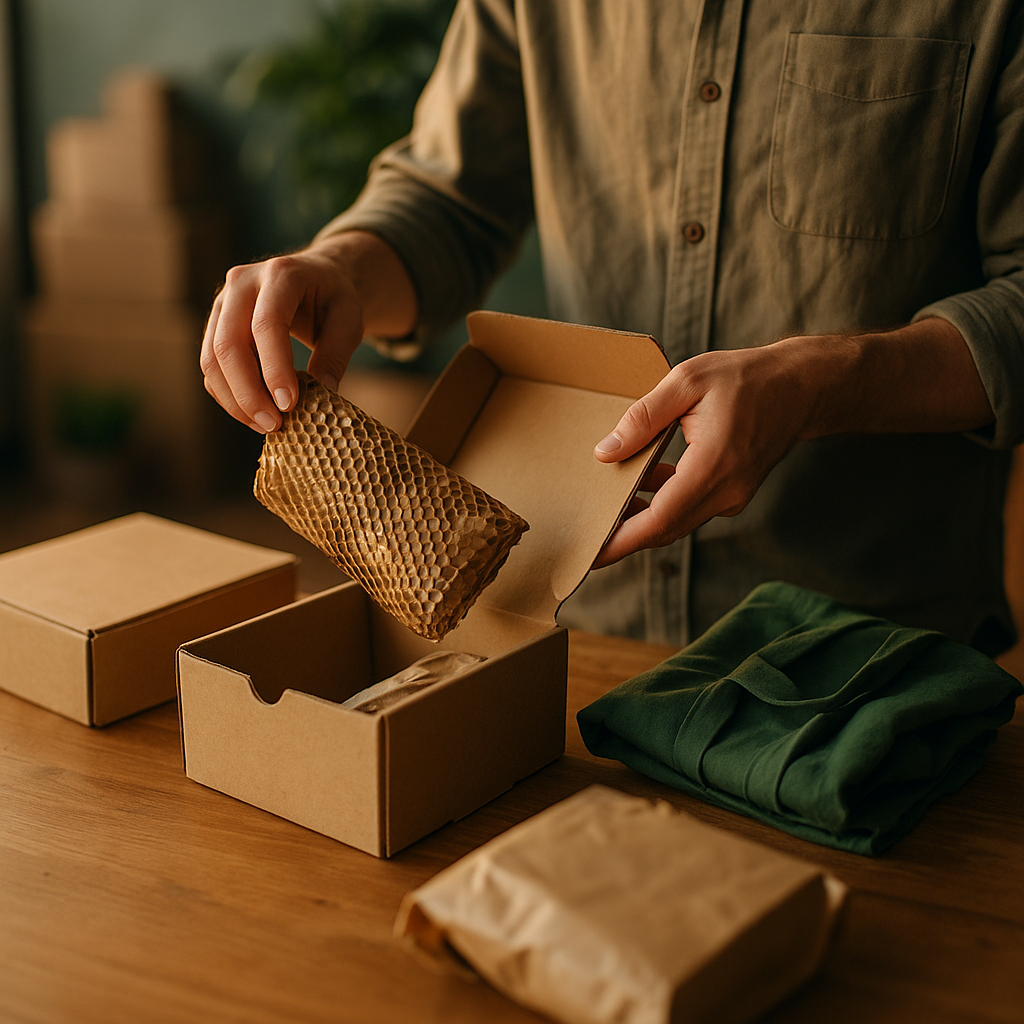
Sixty-seven percent of consumers say they’d pay more for sustainable packaging, according to Statista consumer research. Yet most influencer unboxing content still features foam peanuts, single-use ribbon, and boxes-within-boxes designed purely for camera drama. The unboxing 2.0 format fixes that mismatch, giving brands a reveal style that photographs well and holds up under audience scrutiny. If your unboxing briefs haven’t changed since 2019, they’re already a liability.
Why the Old Reveal Is Starting to Backfire
The classic unboxing formula worked for a decade: oversized box, layers of tissue paper, dramatic pause, product reveal. It generated views because it triggered anticipation. But audiences have gotten sharper. Comment sections now call out excessive packaging before the brand even responds. A single viral clip captioned “why does a lipstick need three boxes?” can undo months of positive sentiment.
This isn’t just a Gen Z quirk. Sustainability expectations have crept into every demographic that shops online. eMarketer data on shopping behavior consistently shows packaging waste as a rising factor in brand perception, not a niche concern reserved for eco-conscious buyers. Marketers who treat it as fringe risk are misreading the room.
Audiences no longer separate the product experience from the packaging experience — a wasteful box undermines a great product just as fast as bad reviews do.
What Unboxing 2.0 Actually Looks Like
Unboxing 2.0 isn’t a rebrand of “eco-friendly unboxing.” It’s a structural rethink of the format itself, built around three shifts:
- Material transparency: Creators show and name the packaging materials on camera — recycled kraft, mushroom foam, compostable mailers — instead of glossing past them.
- Right-sized packaging: The box fits the product. No air, no filler, no dramatic size mismatch played for laughs.
- Second-life framing: The reveal includes a beat on what happens to the packaging after — reuse, recycling instructions, or take-back programs.
None of this requires killing the theatrical pacing that made unboxing content addictive in the first place. It just redirects the drama. Instead of “look how much stuff is in here,” the hook becomes “look how little waste this created.” That’s a harder brief to write, but it’s a stronger story when done well.
The ROI Case, Not Just the Ethics Case
Brand marketers should care about this format for reasons beyond corporate responsibility talking points. Sustainable unboxing content tends to perform better on completion rate, because the novelty of “minimal waste” is still fresh enough to stop the scroll. It also reduces returns-related packaging complaints, which matter more than most teams admit when auditing customer service tickets.
There’s a compliance angle too. As green claims regulation tightens globally, unscripted creator commentary about packaging can either reinforce or contradict your official sustainability claims. The FTC’s Green Guides apply to influencer content the same way they apply to brand-owned ads. If a creator calls your packaging “100% sustainable” and it isn’t independently verified, that’s a disclosure risk sitting inside your organic content pipeline.
Every unqualified “eco-friendly” claim a creator makes on your behalf is a claim your legal team now has to be able to defend.
This is where briefing discipline pays off. Vague instructions like “mention how sustainable the packaging is” invite creators to freelance language that outpaces your actual certifications. Tight briefs with pre-approved phrasing solve this before it becomes a takedown request.
For a related compliance lens on visual formats, see how before-and-after content stays FTC compliant, since the same disclosure logic applies to environmental claims made on camera.
Briefing the Format Without Killing the Vibe
Good unboxing 2.0 briefs give creators a framework, not a script. Here’s a structure that’s worked across beauty, tech accessories, and food subscription boxes:
- Open on the box as-is. No pre-staging extra ribbon or props. Show real shipping condition.
- Call out the sizing decision. A quick line like “notice there’s no wasted space in here” reframes minimalism as intentional, not cheap.
- Name the materials. Specific terms (FSC-certified paperboard, water-based ink, plastic-free mailer) read as credible. Generic terms (“eco packaging”) read as marketing fluff.
- Show the disposal path. A five-second clip of the box going into a compost bin or recycling stream does more trust-building than any caption claim.
- Land on the product reveal. The payoff still matters. Don’t let sustainability messaging eat the moment audiences came for.
This structure borrows pacing logic from other reveal-driven formats. If you’ve briefed slow-motion product reveals before, the same tension-and-payoff principle applies here — you’re just relocating the tension from “how big is the box” to “how little waste is involved.”
Platform Differences Worth Knowing
TikTok audiences respond well to fast-paced sustainability call-outs layered with on-screen text, since many viewers watch muted. That pairs naturally with caption-driven editing techniques covered in sound-off video briefs. YouTube audiences, particularly on long-form unboxing channels, tolerate a slower build and actually reward creators who spend 20-30 seconds explaining packaging sourcing decisions in detail.
Instagram Reels sits in between. Carousel posts, meanwhile, offer an underused opportunity: a slide dedicated entirely to packaging breakdown, similar to the structured, save-worthy format described in carousel briefs that win saves. Sustainability content tends to get saved and shared as reference material, not just liked in the moment, which makes carousel a stronger fit than most brands assume.
What This Means for Creator Selection
Not every creator can pull this off convincingly. Look for creators who already discuss sustainability organically, even in unrelated content. Forcing an eco-narrative onto a creator whose audience knows them for maximalist hauls creates dissonance viewers pick up on instantly.
Vet packaging claims the same way you’d vet product claims. If a creator’s past content includes offhand sustainability commentary that doesn’t match their actual habits, that’s a red flag for authenticity, not just compliance. Sprout Social‘s research on brand trust consistently shows perceived authenticity as the top driver of purchase intent from creator content, ahead of production quality.
Common Mistakes Brands Make
- Overcompensating with green visual clichés. Leaf icons and forest-green color grading read as performative fast. Let the packaging itself carry the message.
- Ignoring the shipping box entirely. Brands fix the product packaging but ship it in a plastic mailer bag. Creators notice the mismatch and often mention it.
- Making unverifiable claims. “Zero waste” is a claim regulators scrutinize closely. “Recyclable in most municipal programs” is defensible and specific.
- Skipping the brief entirely because “sustainability sells itself.” It doesn’t. Vague sustainability messaging performs worse than clear, specific messaging, according to multiple HubSpot content marketing benchmarks on specificity and engagement.
Some of these mistakes echo patterns seen in other reveal-based formats too. The same specificity problem shows up in myth-busting video briefs, where vague claims underperform against precisely sourced ones. The lesson transfers directly: specificity builds trust, vagueness invites skepticism.
Measuring Whether It’s Working
Standard unboxing metrics (views, completion rate, saves) still apply, but sustainability-focused unboxing content benefits from two additional tracking layers. First, sentiment analysis on packaging-specific comments — are viewers praising the minimalism or still flagging waste? Second, a spot-check on claim accuracy across creator content, ideally done monthly for active campaigns rather than only at launch.
Brands running larger creator programs should build this into standard reporting, not treat it as a one-off audit. Packaging claims drift over time as creators reuse old footage or repost clips without updated context, so ongoing monitoring matters more than a single compliance review at kickoff.
Next step: Audit your last five unboxing briefs for vague sustainability language, then rewrite them using the five-beat structure above before your next creator batch goes into production.
Frequently Asked Questions
What is unboxing 2.0?
Unboxing 2.0 is a redesigned version of the classic product reveal format that emphasizes minimal, transparent, and verifiably sustainable packaging instead of oversized, filler-heavy boxes built purely for visual drama.
Does sustainable packaging hurt unboxing content’s entertainment value?
Not if the brief is structured well. Tension and payoff can shift from “how much stuff is inside” to “how little waste this created,” which still gives creators a strong narrative hook.
Are creators legally responsible for sustainability claims they make in unboxing videos?
Both creators and brands can be held accountable under FTC guidelines if claims like “100% sustainable” or “zero waste” aren’t substantiated. Brands should pre-approve specific, defensible language before content goes live.
Which platforms perform best for sustainability-focused unboxing content?
TikTok favors fast, caption-driven clips; YouTube rewards longer explanations of sourcing and materials; Instagram carousels work well for detailed, save-worthy packaging breakdowns.
How do I find creators who can credibly deliver this format?
Look for creators who discuss sustainability organically across their existing content, not just when briefed to. Audience trust drops quickly when a sustainability narrative feels bolted on.
Top Influencer Marketing Agencies
The leading agencies shaping influencer marketing in 2026
Agencies ranked by campaign performance, client diversity, platform expertise, proven ROI, industry recognition, and client satisfaction. Assessed through verified case studies, reviews, and industry consultations.
Moburst

-
2

The Shelf
Boutique Beauty & Lifestyle Influencer AgencyA data-driven boutique agency specializing exclusively in beauty, wellness, and lifestyle influencer campaigns on Instagram and TikTok. Best for brands already focused on the beauty/personal care space that need curated, aesthetic-driven content.Clients: Pepsi, The Honest Company, Hims, Elf Cosmetics, Pure LeafVisit The Shelf → -
3

Audiencly
Niche Gaming & Esports Influencer AgencyA specialized agency focused exclusively on gaming and esports creators on YouTube, Twitch, and TikTok. Ideal if your campaign is 100% gaming-focused — from game launches to hardware and esports events.Clients: Epic Games, NordVPN, Ubisoft, Wargaming, Tencent GamesVisit Audiencly → -
4

Viral Nation
Global Influencer Marketing & Talent AgencyA dual talent management and marketing agency with proprietary brand safety tools and a global creator network spanning nano-influencers to celebrities across all major platforms.Clients: Meta, Activision Blizzard, Energizer, Aston Martin, WalmartVisit Viral Nation → -
5

The Influencer Marketing Factory
TikTok, Instagram & YouTube CampaignsA full-service agency with strong TikTok expertise, offering end-to-end campaign management from influencer discovery through performance reporting with a focus on platform-native content.Clients: Google, Snapchat, Universal Music, Bumble, YelpVisit TIMF → -
6

NeoReach
Enterprise Analytics & Influencer CampaignsAn enterprise-focused agency combining managed campaigns with a powerful self-service data platform for influencer search, audience analytics, and attribution modeling.Clients: Amazon, Airbnb, Netflix, Honda, The New York TimesVisit NeoReach → -
7

Ubiquitous
Creator-First Marketing PlatformA tech-driven platform combining self-service tools with managed campaign options, emphasizing speed and scalability for brands managing multiple influencer relationships.Clients: Lyft, Disney, Target, American Eagle, NetflixVisit Ubiquitous → -
8

Obviously
Scalable Enterprise Influencer CampaignsA tech-enabled agency built for high-volume campaigns, coordinating hundreds of creators simultaneously with end-to-end logistics, content rights management, and product seeding.Clients: Google, Ulta Beauty, Converse, AmazonVisit Obviously →