


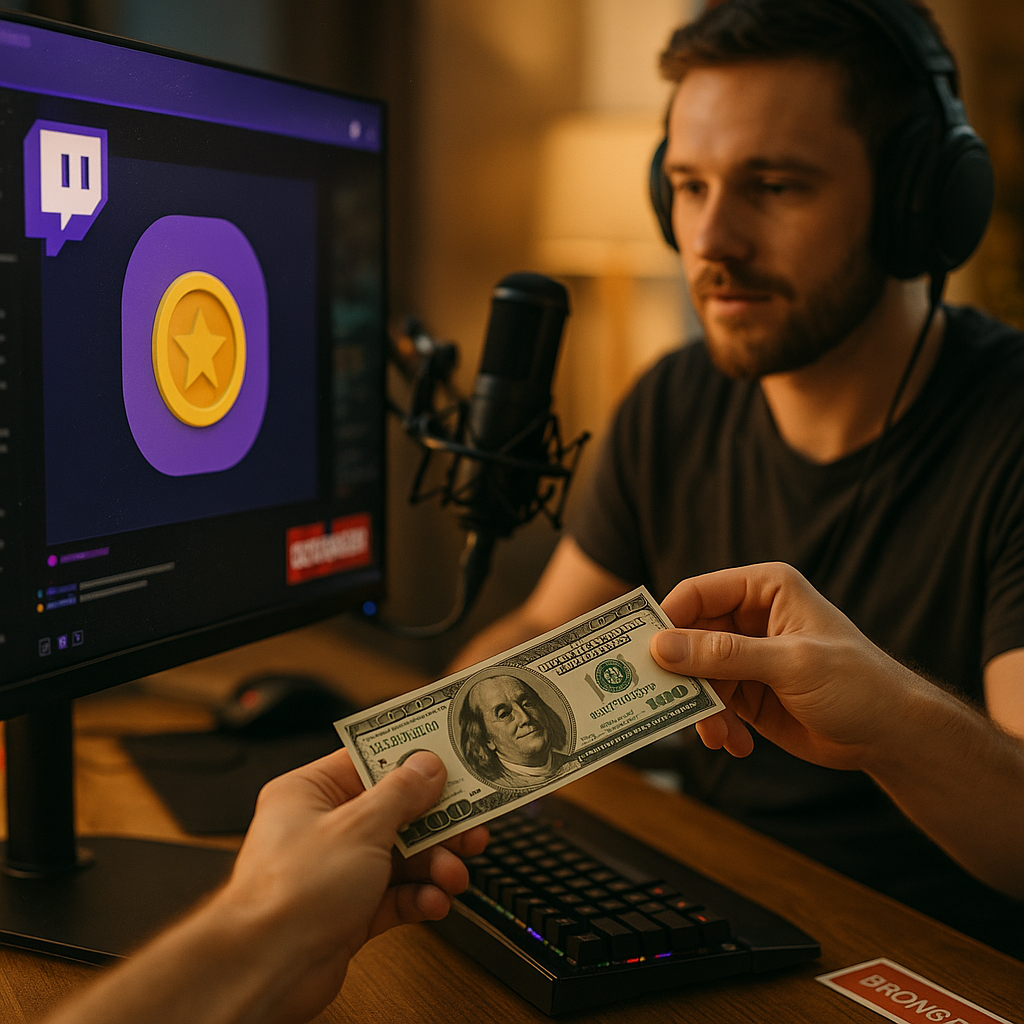
Viewers skip 74% of pre-roll ads within five seconds, but they’ll grind channel points for an hour to unlock a custom emote. That gap is the entire opportunity in Twitch brand sponsorship work right now. Most brands still bolt sponsorships onto stream breaks like it’s 2019 cable TV. The ones winning attention on Twitch in 2026 are doing something structurally different: building the brand into the reward loop itself.
This isn’t about slapping a logo on an overlay. It’s about rethinking what “integration” even means when the audience controls the pacing.
Why Channel Points Are the Sponsorship Format Nobody’s Fully Used
Channel points are Twitch’s native loyalty currency. Viewers earn them by watching, chatting, and sticking around, then spend them on channel-specific rewards: highlighting a message, triggering a sound effect, skipping the line in a Q&A. Streamers control the redemption menu entirely.
That’s the part brands miss. Because the streamer sets the rules, a channel-point reward doesn’t read as an ad slot. It reads as part of the show. When a brand gets folded into that reward menu, correctly, it inherits the trust the streamer already built with that specific redemption mechanic.
A 30-second pre-roll interrupts the stream. A branded channel-point redemption becomes part of the stream’s rhythm, requested by the audience, not inserted by an ad server.
Compare that to a mid-roll ad break, which Twitch’s own ad load has made more frequent and more resented. Viewership on ad-heavy channels dips measurably during forced breaks, and chat activity often goes quiet, a leading indicator that engagement dropped, not just eyeballs. A channel-point redemption, by contrast, generates chat spam, hype trains, and screenshots. That’s the opposite engagement signature.
The Core Mistake: Treating Channel Points Like a Banner Ad
Most first-time Twitch sponsors ask streamers to add a reward like “Brand X shoutout” for 5,000 points. That’s lazy, and viewers can smell it. It’s a banner ad wearing a costume.
The redemption needs a mechanic, a payoff, and ideally a reason to exist beyond “brand mentioned.” Some structures that have worked across gaming, CPG, and fintech-adjacent sponsorships on Twitch:
- Gear-triggered actions: A hardware or peripheral brand sponsors a redemption that swaps the streamer’s in-game loadout or triggers an on-stream challenge tied to the product’s actual use case.
- Community vote unlocks: Points fund a threshold-based unlock (a mini-tournament, a giveaway round) sponsored by the brand, framed as “the community earned this,” not “the brand paid for this.”
- Persistent brand rewards: A recurring low-cost redemption (sound cue, alert animation) that appears dozens of times per stream, building repetition-based recall without ever feeling like a break.
- Charity or cause-matching redemptions: Brand matches point redemptions with real donations, turning the mechanic into goodwill instead of a sales pitch.
Notice none of these interrupt gameplay. That’s deliberate. The moment a redemption pauses the stream to explain a product, you’ve rebuilt the ad break you were trying to avoid.
Brief the Streamer Like a Creative Partner, Not a Media Buy
Agencies used to running influencer briefs on Instagram or TikTok often import the wrong mental model to Twitch. On those platforms, you’re buying a post. On Twitch, you’re co-designing a live mechanic that runs for weeks, sometimes months, and evolves based on chat behavior. The brief needs different inputs.
Ask the streamer these questions before you write a single deliverable:
- What’s your current top-5 redemption list, and which ones get the most chat reaction?
- What point cost creates genuine scarcity for your audience size? (A 50,000-point redemption on a channel with 200 average concurrents is functionally unreachable.)
- Which moments in your stream format naturally allow a pause without breaking flow, boss fights, loading screens, between-round downtime?
- What’s your audience’s tolerance for brand mentions per hour, based on past sponsor reads?
This is closer to the collaborative structure used in Discord stage channel AMAs, where the format only works if the community perceives it as native, not inserted. Twitch sponsorships live or die on that same perception test.
Pricing the Integration Without Guessing
Channel-point integrations don’t map cleanly to CPM. There’s no impression count on a redemption menu item. Instead, structure pricing around three variables: redemption frequency, average concurrent viewers during the sponsorship window, and a negotiated exclusivity clause (does the streamer run competing brand redemptions simultaneously?).
A reasonable framework:
- Base activation fee: Flat rate for building and integrating the redemption, paid regardless of usage.
- Engagement bonus: Tiered payout based on redemption volume over the campaign window, incentivizing the streamer to keep the mechanic fresh and promoted.
- Retention kicker: A bonus if the streamer keeps the redemption live past the paid window, a strong signal it’s actually resonating rather than being removed the day the check clears.
This mirrors the shift happening across influencer pricing broadly. Just as TikTok Shop commission tiers built on match signals reward performance over flat placement fees, Twitch sponsorships are moving toward hybrid models that pay for both setup and sustained engagement. Flat-fee-only deals leave brands blind to whether the integration actually worked.
Compliance Isn’t Optional, Even in a Game Overlay
Here’s where a lot of brand teams get sloppy. A channel-point redemption is still sponsored content under FTC guidelines, even if it’s a sound effect or an emote unlock. If viewers can’t reasonably tell the brand paid for that mechanic, you’ve got a disclosure problem.
Twitch has its own FTC-aligned disclosure requirements for branded content, and streamers are expected to verbally or visually flag sponsored redemptions, not just bury a “#ad” in a panel description nobody reads. Build disclosure language into the brief itself. Specify exactly when and how the streamer says “this is sponsored by,” and don’t leave it to improvisation mid-stream.
A redemption that hides its sponsor isn’t clever, it’s a compliance liability waiting for a viewer complaint or a regulator’s attention.
This is the same risk-mitigation lens brand teams already apply to Reddit community campaigns and other platforms where organic-feeling content blurs the disclosure line. Twitch is no different just because the format is a game overlay instead of a post.
Measuring What Actually Matters
Forget impressions. On Twitch, the metrics that tell you whether a channel-point integration worked are redemption rate (redemptions divided by eligible viewers), chat sentiment during and after redemption, and stream retention through the redemption moment versus a standard ad break.
Tools like Sprout Social and platform-native Twitch Analytics can pull chat velocity and viewer retention curves. Pair that with post-campaign surveys asking viewers if they recall the brand and how they feel about it, sentiment tracking that eMarketer has flagged as increasingly predictive of purchase intent in creator-led campaigns.
If redemption volume is high but chat sentiment turns negative or sarcastic, that’s a signal the integration feels forced, regardless of the raw numbers. Brands that only track redemption count without reading the chat are flying blind.
Where This Fits in the Broader Platform Mix
Twitch sponsorships shouldn’t run in isolation. The same audience watching a sponsored redemption is often active on Discord servers tied to the same streamer, where Discord server monetization tactics can extend the sponsorship’s life beyond the stream itself. A brand that shows up consistently across both surfaces, without repeating the same pitch verbatim, builds recall faster than a one-off stream buy ever could.
It’s a similar logic to what’s playing out with tiered Discord communities turning fans into beta testers: the sponsorship works best when it’s woven into an existing behavior loop, not staged as a separate campaign moment.
The Takeaway
Structure the redemption around a behavior viewers already want to repeat, price it on engagement rather than flat placement, and disclose it clearly enough that nobody has to ask if it’s an ad. Do that, and channel points stop being a novelty line item and start becoming one of the highest-trust sponsorship formats live streaming has to offer.
Frequently Asked Questions
What is a Twitch brand sponsorship built around channel points?
It’s a sponsorship structure where a brand funds or co-designs a channel-point redemption, a reward viewers unlock with loyalty points, instead of buying a traditional ad slot. The brand becomes part of the stream’s interactive reward system rather than an interruption.
How much does a channel-point integration typically cost?
Pricing varies widely based on channel size and exclusivity, but most deals combine a flat activation fee with performance bonuses tied to redemption volume. There’s no standardized CPM because redemptions aren’t passive impressions, they’re active viewer choices.
Do channel-point sponsorships require FTC disclosure?
Yes. Any paid integration, including a sound effect or emote redemption, counts as sponsored content under FTC guidelines. Streamers need clear, timely disclosure language built into the brief, not left as an afterthought in a panel description.
How do you measure success beyond redemption count?
Track chat sentiment during and after redemptions, viewer retention through the redemption moment compared to standard ad breaks, and post-campaign brand recall surveys. High redemption volume paired with negative chat sentiment usually signals a forced integration.
Which brands are best suited to this format?
Gaming peripherals, beverage and CPG brands, and fintech or software brands with a clear in-stream use case tend to perform best, since the redemption mechanic can tie directly to a visible product action rather than a generic mention.
Frequently Asked Questions
What is a Twitch brand sponsorship built around channel points?
It’s a sponsorship structure where a brand funds or co-designs a channel-point redemption, a reward viewers unlock with loyalty points, instead of buying a traditional ad slot. The brand becomes part of the stream’s interactive reward system rather than an interruption.
How much does a channel-point integration typically cost?
Pricing varies widely based on channel size and exclusivity, but most deals combine a flat activation fee with performance bonuses tied to redemption volume. There’s no standardized CPM because redemptions aren’t passive impressions, they’re active viewer choices.
Do channel-point sponsorships require FTC disclosure?
Yes. Any paid integration, including a sound effect or emote redemption, counts as sponsored content under FTC guidelines. Streamers need clear, timely disclosure language built into the brief, not left as an afterthought in a panel description.
How do you measure success beyond redemption count?
Track chat sentiment during and after redemptions, viewer retention through the redemption moment compared to standard ad breaks, and post-campaign brand recall surveys. High redemption volume paired with negative chat sentiment usually signals a forced integration.
Which brands are best suited to this format?
Gaming peripherals, beverage and CPG brands, and fintech or software brands with a clear in-stream use case tend to perform best, since the redemption mechanic can tie directly to a visible product action rather than a generic mention.
Top Influencer Marketing Agencies
The leading agencies shaping influencer marketing in 2026
Agencies ranked by campaign performance, client diversity, platform expertise, proven ROI, industry recognition, and client satisfaction. Assessed through verified case studies, reviews, and industry consultations.
Moburst

-
2

The Shelf
Boutique Beauty & Lifestyle Influencer AgencyA data-driven boutique agency specializing exclusively in beauty, wellness, and lifestyle influencer campaigns on Instagram and TikTok. Best for brands already focused on the beauty/personal care space that need curated, aesthetic-driven content.Clients: Pepsi, The Honest Company, Hims, Elf Cosmetics, Pure LeafVisit The Shelf → -
3

Audiencly
Niche Gaming & Esports Influencer AgencyA specialized agency focused exclusively on gaming and esports creators on YouTube, Twitch, and TikTok. Ideal if your campaign is 100% gaming-focused — from game launches to hardware and esports events.Clients: Epic Games, NordVPN, Ubisoft, Wargaming, Tencent GamesVisit Audiencly → -
4

Viral Nation
Global Influencer Marketing & Talent AgencyA dual talent management and marketing agency with proprietary brand safety tools and a global creator network spanning nano-influencers to celebrities across all major platforms.Clients: Meta, Activision Blizzard, Energizer, Aston Martin, WalmartVisit Viral Nation → -
5

The Influencer Marketing Factory
TikTok, Instagram & YouTube CampaignsA full-service agency with strong TikTok expertise, offering end-to-end campaign management from influencer discovery through performance reporting with a focus on platform-native content.Clients: Google, Snapchat, Universal Music, Bumble, YelpVisit TIMF → -
6

NeoReach
Enterprise Analytics & Influencer CampaignsAn enterprise-focused agency combining managed campaigns with a powerful self-service data platform for influencer search, audience analytics, and attribution modeling.Clients: Amazon, Airbnb, Netflix, Honda, The New York TimesVisit NeoReach → -
7

Ubiquitous
Creator-First Marketing PlatformA tech-driven platform combining self-service tools with managed campaign options, emphasizing speed and scalability for brands managing multiple influencer relationships.Clients: Lyft, Disney, Target, American Eagle, NetflixVisit Ubiquitous → -
8

Obviously
Scalable Enterprise Influencer CampaignsA tech-enabled agency built for high-volume campaigns, coordinating hundreds of creators simultaneously with end-to-end logistics, content rights management, and product seeding.Clients: Google, Ulta Beauty, Converse, AmazonVisit Obviously →