


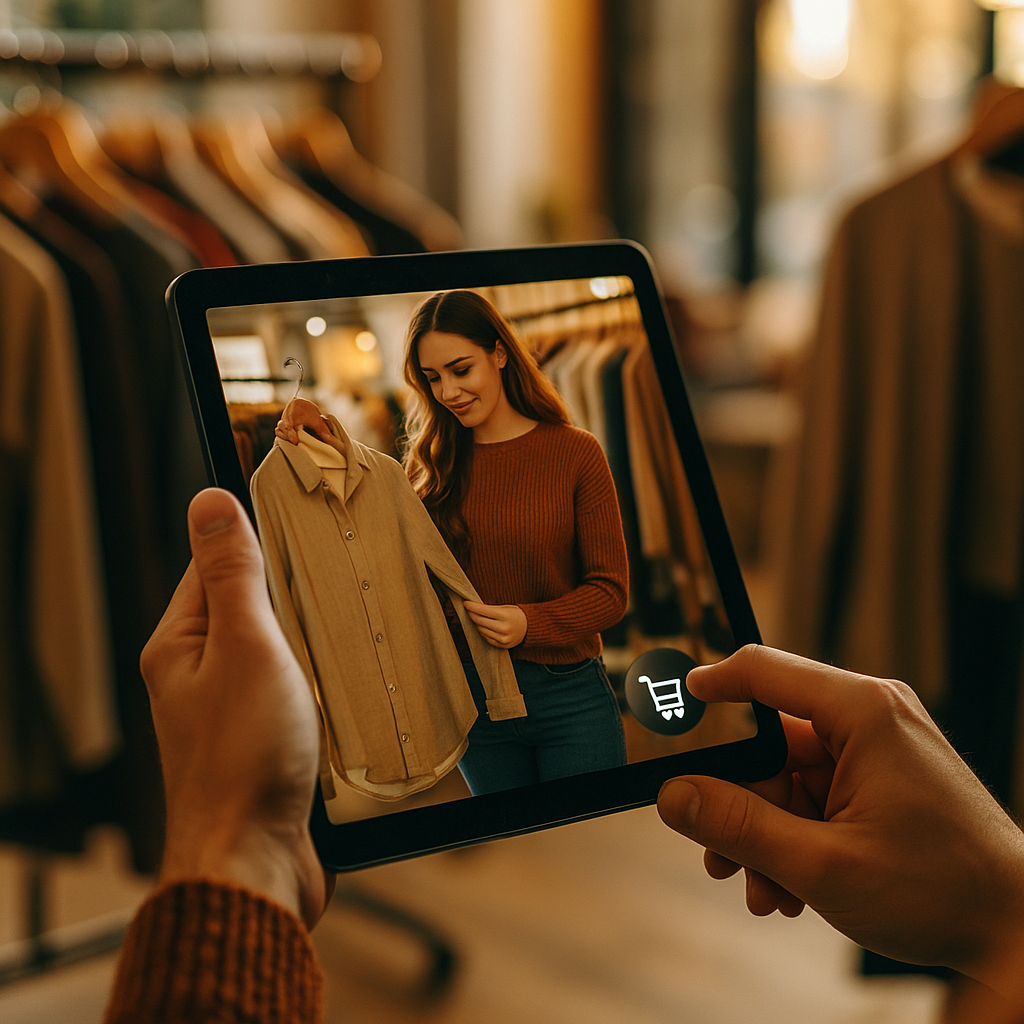
Shoppable video ad units on Amazon and Walmart now convert at rates that make standard display ads look like relics. Retail media network shoppable video isn’t a side experiment anymore — it’s becoming the default unit of commerce advertising. When the two largest retail media networks in the U.S. both pour engineering resources into interactive video within the same twelve-month window, that’s not coincidence. That’s a market signal.
For brands and agencies still budgeting retail media as an afterthought bolted onto search and display, this is the moment to pay attention. The format shift underway says something bigger about where commerce media is headed, and what it demands from creative, measurement, and organizational structure.
The Stat That Should Reframe Your Retail Media Budget
Retail media ad spend in the U.S. is projected to exceed $70 billion this year, according to eMarketer, and video formats are the fastest-growing slice of that pie. Amazon’s Sponsored Brands video and its newer interactive shoppable units now sit alongside Walmart Connect’s in-feed shoppable video on the Walmart app and site. Both let a shopper tap a product mid-video, add it to cart, and never leave the content.
That’s the entire pitch: zero-click purchase paths inside branded video. No redirect, no landing page, no drop-off between intent and transaction.
Shoppable video collapses the funnel from “watch, click, browse, buy” down to “watch, tap, buy” — and every step you remove is a step where shoppers used to abandon.
Amazon has been layering interactivity into its video ad stack for a while, but the more aggressive push started with expanded Sponsored TV formats that let viewers act on Fire TV without picking up a phone. Walmart, meanwhile, has leaned into its Vizio acquisition to stitch shoppable overlays across connected TV and in-app video, effectively building a closed loop from screen to cart. Neither company is doing this quietly. Both are pitching it hard to upper-funnel CPG and electronics advertisers who previously parked video dollars with linear TV or YouTube.
If you’re still treating retail media as a lower-funnel, bottom-of-search tactic, you’re missing where the budget conversation is going next.
Why Retailers Are Racing to Own the Video Format
Retail media networks make money on ad impressions, sure, but the real prize is data. Shoppable video gives Amazon and Walmart a first-party signal loop that no third-party publisher can match: they see the ad, they see the tap, they see the purchase, all inside owned inventory. That’s a closed-loop attribution story that TV networks and even Meta can’t fully replicate anymore, especially post-privacy-sandbox shifts.
This is also a defensive move. Streaming platforms and CTV inventory have gotten more fragmented and more expensive, a trend covered in depth in our piece on CTV inventory consolidation. Retailers are essentially saying: why send your video budget to a streaming platform when we can show you the purchase, not just the view?
There’s a third motive too. Grocers and big-box retailers are increasingly building out in-house media studios to produce this content at scale, a shift we detailed in retail media studios becoming media companies. Shoppable video is the natural output of that infrastructure. Once you’ve built a studio, you need formats that justify the investment. Interactive video does that.
What This Means for Brand Creative Teams
Static product images and 15-second pre-roll won’t cut it in a shoppable environment. These formats reward narrative structure, product demonstration, and pacing built for tap-through moments — not just impressions.
Practically, that means:
- Briefs need to specify tap points and product callouts at the storyboard stage, not as an afterthought in post-production.
- Creative teams need faster turnaround cycles, since retail media calendars move on promotional windows, not upfront schedules. Our analysis of ad load time and bounce rate data is relevant here — slow-loading interactive overlays kill conversion just as fast as slow pages do.
- Agencies without in-house retail media production capability are going to lose these bids to shops that specialize in commerce-native creative.
This isn’t a minor creative tweak. It’s a format discipline shift on par with the move from static banners to programmatic video a decade ago.
Amazon vs. Walmart: Two Different Bets on the Same Idea
Amazon’s approach leans on its owned ecosystem: Fire TV, Prime Video ad tier, and the Amazon app itself. The company is betting that shoppable video works best when the retailer controls the entire viewing environment end to end. That’s a walled-garden strategy, and it plays to Amazon’s strength in first-party identity resolution.
Walmart is playing a slightly different hand. Its Vizio deal gives Walmart Connect reach into millions of connected TVs that aren’t necessarily Walmart-branded devices, which means Walmart is betting on distribution breadth over ecosystem control. Walmart also has physical retail media (in-store screens, pickup, delivery touchpoints) to layer onto digital video, giving it an omnichannel shoppable narrative Amazon can’t fully match outside of Whole Foods.
Neither approach is objectively better. But brands need to plan for them differently. An Amazon shoppable video buy is optimized for on-platform purchase completion. A Walmart buy might span a CTV impression, an app notification, and an in-store pickup, which means your measurement plan needs to account for a longer, more fragmented attribution chain.
If your reporting dashboard still treats retail media as a single line item, you’re not equipped to compare these two networks fairly — let alone optimize spend between them.
The Measurement Problem Nobody’s Solved Yet
Here’s the uncomfortable truth: shoppable video attribution is still messy. Amazon reports on-platform conversions well, but cross-device and cross-retailer comparison is limited by design — these are competing walled gardens, not open measurement ecosystems. Walmart’s Vizio-powered CTV attribution adds another layer of complexity because you’re bridging TV viewing behavior with e-commerce conversion data, and that bridge isn’t always clean.
Marketers used to programmatic display or search attribution are going to feel the friction here. The instinct to reach for last-click attribution will lead you astray, because shoppable video often plays an assist role even when it doesn’t record the final tap. This mirrors a broader theme we’ve tracked in attention recession and AI ad automation planning: the channels generating attention and the channels recording conversion are increasingly different, and brands need incrementality testing, not just platform-reported metrics, to know what’s actually working.
Ask your retail media rep directly: what’s the incremental lift from shoppable units versus standard sponsored video? If they can’t answer with a controlled test methodology, treat their conversion numbers with healthy skepticism.
Budget Implications: Where the Money Should Move
CFOs are already scrutinizing influencer and media spend harder than they used to, a dynamic we’ve covered extensively in pieces like CFO-friendly creator deal structures. Retail media shoppable video needs the same rigor. It’s tempting to treat it as an incremental add-on to existing search and display budgets. That’s the wrong frame.
Shoppable video competes directly with linear and streaming TV dollars now, not just with other retail media formats. If you’re running upfront negotiations for CTV inventory, you should be running parallel conversations with Amazon and Walmart about shoppable video packages, because the two budgets are now genuinely substitutable for upper-funnel awareness spend with a bottom-funnel conversion bonus attached.
A few practical moves:
- Reallocate a test budget (5-10% of CTV spend) into shoppable video on one retail network for a full quarter, then compare cost per incremental purchase against your CTV baseline.
- Build creative specifically for tap-through, don’t repurpose a 30-second TV spot and hope the interactive layer works. It won’t perform the same.
- Push for pre-approved creative and spend tiers internally so retail media tests don’t get stuck in the same budget approval bottleneck that slows down influencer campaign launches.
Retail media is also where the influencer and commerce media worlds are starting to overlap more directly. Creator-shot product video is increasingly the raw asset feeding these shoppable units, especially for DTC and CPG brands running affiliate-adjacent programs. If your creator strategy already leans toward commission-based creator deals, that content pipeline is a natural fit for shoppable retail video formats, since both reward direct, trackable conversion rather than pure impressions.
What Smaller Advertisers Should Actually Do
Not every brand has Amazon-account-manager-level leverage or a seven-figure Walmart Connect commitment. If you’re a mid-market advertiser, don’t try to out-produce Procter & Gamble’s shoppable video budget. Instead:
- Start with Amazon’s self-serve Sponsored Brands video units before committing to premium interactive placements.
- Test on lower-cost dayparts and off-peak retail calendar windows to build a performance baseline cheaply.
- Lean on existing creator content rather than commissioning net-new production, since repurposed UGC often performs competitively in shoppable formats when it’s authentic and product-forward.
The barrier to entry is lower than it looks. The barrier to doing it well, with proper measurement and creative discipline, is where most brands actually get stuck.
Where This Goes Next
Expect more retail media networks — Target, Instacart, Kroger’s Precision Marketing — to follow with their own shoppable video pushes within the next few quarters. Once two of the largest players validate a format, the rest of the retail media ecosystem tends to move fast. Expect AI-generated product video variants to accelerate this too, since brands will need dozens of creative permutations to test tap-point placement and messaging at the scale these networks demand, a production challenge similar to what’s already reshaping AI video ad inventory growth across the broader ad ecosystem.
The bigger signal, though, is philosophical. Retail media is no longer just a performance channel bolted onto e-commerce search results. It’s becoming a full-funnel media environment competing for the same budgets as streaming and social. Treat it that way in your planning, or watch competitors who do treat it that way pull ahead on both efficiency and reach.
Next step: before your next budget cycle, run a side-by-side test allocating equal spend to Amazon and Walmart shoppable video against a matched CTV campaign, then measure incremental purchase lift, not platform-reported conversions, to decide where next quarter’s dollars actually belong.
FAQs
What is retail media network shoppable video?
It’s an interactive video ad format, run on retail media networks like Amazon and Walmart Connect, that lets viewers tap on products shown in the video and add them to cart or complete a purchase without leaving the content or platform.
How is shoppable video different from standard retail media display ads?
Standard display ads rely on a click-through to a product page. Shoppable video embeds the transaction directly into the viewing experience, reducing friction and typically shortening the path from awareness to purchase.
Which retail media networks currently offer shoppable video ad formats?
Amazon and Walmart Connect are the most prominent, with Amazon leveraging Fire TV and its app ecosystem, and Walmart leveraging its Vizio-powered connected TV footprint alongside its app and site. Other networks are expected to follow.
How should brands measure shoppable video performance?
Platform-reported, last-click conversion numbers understate the format’s true impact because shoppable video often plays an assist role. Brands should run incrementality tests comparing shoppable video spend against a matched control group or channel, such as standard CTV, rather than relying solely on retailer-reported dashboards.
Does shoppable video replace CTV and streaming ad budgets?
Not entirely, but it competes directly for the same upper-funnel dollars while adding a conversion layer that traditional streaming ads lack. Many brands are now testing budget reallocation from CTV into retail media shoppable formats to compare cost per incremental purchase.
What creative changes does shoppable video require?
Briefs need to plan for tap points and product callouts during storyboarding, not as a post-production add-on. Fast load times matter too, since slow interactive overlays reduce conversion the same way slow-loading pages increase bounce rate.
Top Influencer Marketing Agencies
The leading agencies shaping influencer marketing in 2026
Agencies ranked by campaign performance, client diversity, platform expertise, proven ROI, industry recognition, and client satisfaction. Assessed through verified case studies, reviews, and industry consultations.
Moburst

-
2

The Shelf
Boutique Beauty & Lifestyle Influencer AgencyA data-driven boutique agency specializing exclusively in beauty, wellness, and lifestyle influencer campaigns on Instagram and TikTok. Best for brands already focused on the beauty/personal care space that need curated, aesthetic-driven content.Clients: Pepsi, The Honest Company, Hims, Elf Cosmetics, Pure LeafVisit The Shelf → -
3

Audiencly
Niche Gaming & Esports Influencer AgencyA specialized agency focused exclusively on gaming and esports creators on YouTube, Twitch, and TikTok. Ideal if your campaign is 100% gaming-focused — from game launches to hardware and esports events.Clients: Epic Games, NordVPN, Ubisoft, Wargaming, Tencent GamesVisit Audiencly → -
4

Viral Nation
Global Influencer Marketing & Talent AgencyA dual talent management and marketing agency with proprietary brand safety tools and a global creator network spanning nano-influencers to celebrities across all major platforms.Clients: Meta, Activision Blizzard, Energizer, Aston Martin, WalmartVisit Viral Nation → -
5

The Influencer Marketing Factory
TikTok, Instagram & YouTube CampaignsA full-service agency with strong TikTok expertise, offering end-to-end campaign management from influencer discovery through performance reporting with a focus on platform-native content.Clients: Google, Snapchat, Universal Music, Bumble, YelpVisit TIMF → -
6

NeoReach
Enterprise Analytics & Influencer CampaignsAn enterprise-focused agency combining managed campaigns with a powerful self-service data platform for influencer search, audience analytics, and attribution modeling.Clients: Amazon, Airbnb, Netflix, Honda, The New York TimesVisit NeoReach → -
7

Ubiquitous
Creator-First Marketing PlatformA tech-driven platform combining self-service tools with managed campaign options, emphasizing speed and scalability for brands managing multiple influencer relationships.Clients: Lyft, Disney, Target, American Eagle, NetflixVisit Ubiquitous → -
8

Obviously
Scalable Enterprise Influencer CampaignsA tech-enabled agency built for high-volume campaigns, coordinating hundreds of creators simultaneously with end-to-end logistics, content rights management, and product seeding.Clients: Google, Ulta Beauty, Converse, AmazonVisit Obviously →