


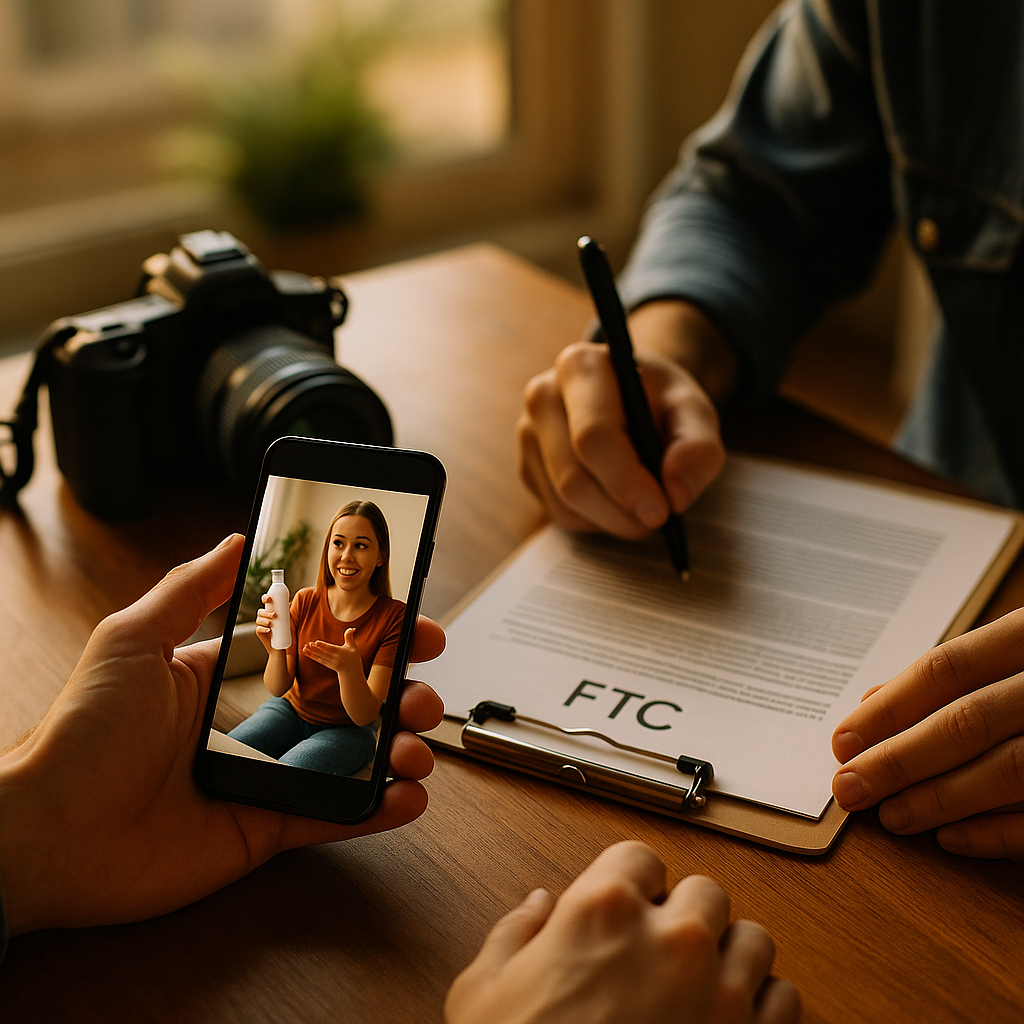
Seventy-three percent of consumers say they trust product recommendations more when they show a real problem being solved — not a polished pitch. That single insight is why the product rescue format is quietly becoming one of the highest-converting briefs in influencer marketing. The premise is simple: a creator faces a mundane crisis, reaches for your product in a way nobody expected, and it works. No script feels less like an ad. No format performs quite like it.
This isn’t a new idea dressed up in new language. It’s the “MacGyver moment,” productized for TikTok and Reels. But most brands still brief it badly, or don’t brief it at all, hoping creators will stumble into the magic organically. That’s a mistake. Here’s how to direct it on purpose.
What Is the Product Rescue Format, Exactly?
The product rescue format is a short-form video structure where a creator encounters a problem, tries the obvious fix (or doesn’t have it), then uses your product in an unconventional way to solve it. Think: a stain remover pen used to fix a scuffed sneaker before a job interview. A phone charger cable repurposed as a makeshift zip-tie for a broken bag strap on a hike. A protein bar that doubles as an emergency dog treat when the good boy won’t get in the car.
The narrative arc is always the same three beats: crisis, improvisation, relief. It borrows structure from disaster movies, minus the budget.
The format works because it reframes your product from “thing I bought” to “thing that saved me,” and relief is a far stickier emotion than satisfaction.
What separates this from a generic demo video is stakes. A demo says “here’s what this does.” A rescue video says “here’s what happened to me, and this is the only thing that fixed it.” One is information. The other is a story your audience remembers at 11pm scrolling in bed.
Why This Format Is Outperforming Standard UGC Right Now
Attention spans on TikTok and Reels keep shrinking, but tension holds attention longer than almost anything else. According to eMarketer, short-form video engagement rates continue to reward content with a clear narrative hook in the first three seconds — and “oh no” is a better hook than “check this out.”
Brands running the rescue format alongside traditional review content are seeing meaningfully higher watch-through rates, largely because the crisis beat forces a pattern interrupt. Viewers want to know how it resolves. That’s not a marketing trick, it’s basic storytelling physics.
It also solves a trust problem. Consumers have grown skeptical of anything that looks scripted for a brand deal. A rescue narrative, when it’s framed around a plausible, slightly chaotic real-life moment, reads as spontaneous even when it’s fully directed. That tension between “this looks unscripted” and “this is actually a paid partnership” is exactly why disclosure discipline matters more here than almost any other format — more on that below.
This format also pairs well with other trust-building structures. If you’ve used demonstration-first briefs to convert skeptical Gen Z audiences, the rescue format is the natural next step: it takes the demonstration and wraps it in stakes.
The Anatomy of a Rescue Video Brief
A good brief doesn’t hand creators a script. It hands them a framework and lets their voice fill it in. Here’s the structure that tends to work:
- The setup (0-3 seconds): Establish the ordinary moment right before things go wrong. Getting ready, cooking, packing, commuting.
- The crisis (3-8 seconds): Something breaks, spills, rips, or fails. Keep it visually obvious — viewers should understand the problem without narration.
- The failed instinct (8-12 seconds, optional but powerful): The creator reaches for the “normal” solution and it doesn’t work, or isn’t available. This beat raises stakes and makes the rescue feel earned.
- The unexpected fix (12-20 seconds): Your product enters, used in a way that isn’t its primary marketed function.
- The relief (20-30 seconds): Resolution, and ideally a beat of genuine reaction — relief, surprise, a laugh.
Notice what’s missing: a hard sell. The product does the selling by working. Your CTA lives in the caption or a light on-screen text overlay, not in the dialogue.
Choosing the Right “Unexpected” Use Case
This is where most brand teams overthink it or underthink it. Too literal, and it’s just a regular demo with extra steps. Too far-fetched, and it damages credibility — viewers can smell a stretch.
The sweet spot is a use case that’s technically true, mildly surprising, and easy to believe a real person discovered by accident. A few filtering questions to run every idea through:
- Would a customer plausibly have tried this themselves, out of desperation?
- Does the “rescue” actually work on camera, without editing tricks or cuts that undercut believability?
- Is the underlying product claim something you can substantiate if a viewer asks “wait, does this actually work?” in the comments?
- Does the unexpected use case avoid implying a safety, medical, or performance claim you haven’t tested?
That last point is not optional. If your product is being used off-label, in a technical or regulatory sense, legal needs to sign off before a single creator films anything. A rescue video showing a supplement “fixing” a headache in real time edges dangerously close to a health claim — resist the temptation, even when it would perform well.
Sourcing Ideas Without Faking Them
The best rescue scenarios usually come from your own customer service logs, not a brainstorm. Pull through weird, real complaints-turned-solutions: the time someone used your dish soap to remove a grass stain, or your lip balm to un-stick a zipper. Customers have already found the unexpected use cases. Your job is to find them, verify them, and hand them to creators as inspiration rather than invented fiction.
This is also where nano and micro creators tend to outperform bigger names — their audiences read their “I tried this weird thing” content as more credible. It’s the same trust dynamic behind nano-creator aisle tours, where smaller, specific, verifiable moments beat polished influencer sheen.
Briefing Creators Without Killing the Authenticity
Here’s the tension every brand marketer runs into: you need enough structure for brand safety and message consistency, but too much structure kills the “this feels real” quality that makes the format work in the first place.
The fix is briefing the emotional beats, not the dialogue. Tell the creator what needs to happen (crisis, failed attempt, rescue, relief) and let them build the specific scenario from their own life. A creator who genuinely relates to the crisis — a parent dealing with a toddler mess, a commuter dealing with a bike chain — will always outperform someone reciting a scenario a brand invented wholesale.
Give creators:
- 2-3 pre-approved “unexpected use” angles to choose from, sourced from real customer feedback
- A hard no-list of claims they can’t imply (health, safety, performance guarantees)
- Guidance on where the disclosure needs to sit, and in what format
- Freedom on setting, wardrobe, and the specific “crisis” details
This mirrors the logic behind split-personality video briefs, where structure and improvisation coexist deliberately rather than accidentally.
The FTC Angle Nobody Can Skip
A “saved the day” narrative is dramatized by design. That’s fine, and it’s protected creative territory, but it comes with disclosure obligations that get murkier the more theatrical the video gets.
If a viewer can’t tell within the first few seconds that they’re watching sponsored content, your brief has already failed the FTC’s clear-and-conspicuous standard — no matter how good the story is.
The FTC’s endorsement guidance doesn’t care how creative the format is. Sponsorship disclosure still needs to be unavoidable, not buried in a caption below three hashtags and a location tag. Because the rescue format is fast-paced and often cut for maximum tension, brands sometimes let the #ad disclosure get squeezed out or rendered in text too small to read on a phone screen. Build the disclosure requirement into the brief itself, specifying placement and duration, not just “include FTC disclosure” as an afterthought line item.
This is the same discipline required in overnight transformation videos, another format where dramatization and compliance have to coexist without one undermining the other.
There’s also a substantiation risk specific to this format. Because the “rescue” implies the product solved a real problem, any claim embedded in that resolution needs to be one you can defend. If the crisis is cosmetic (a makeup smudge, a wrinkled shirt) the bar is lower. If it edges toward health, safety, or financial outcomes, get legal in the room before the brief goes out, not after the video goes viral.
Measuring Whether It Actually Worked
Vanity metrics lie in this format more than most, because the crisis hook inflates watch time regardless of whether the product message landed. Track completion rate alongside a secondary signal — comments mentioning the product by name, saves, or click-throughs on the linked product page. According to Sprout Social, comment sentiment analysis is increasingly used by brands to separate “entertained” audiences from “convinced” ones, and this format needs that distinction more than a straightforward review video does.
If completion rate is high but product-specific comments are low, the story out-performed the sell. That’s a brief problem, not a creator problem — tighten the product’s role in the resolution beat next time.
Pair this format with clear performance tracking the same way you would a countdown-to-launch teaser or any other structured creative test, and treat the first batch of rescue videos as a pilot, not a permanent format commitment.
FAQs
FAQ
What products work best for the rescue format?
Products with a flexible, low-risk secondary use case work best — think household items, beauty and personal care, food and beverage, apparel accessories. Highly regulated categories like supplements, medical devices, or financial products carry more compliance risk and need legal review before any “unexpected use” claim goes on camera.
How is this different from a standard product demo video?
A demo shows a product doing its intended job. The rescue format shows a product solving an unrelated, unscripted-feeling problem under time pressure, which creates narrative tension a straightforward demo lacks.
Do rescue videos require FTC disclosure even if they feel like entertainment?
Yes. Any material connection between a brand and creator triggers disclosure obligations under FTC guidelines, regardless of how dramatized or “unscripted” the video appears. Disclosure needs to be clear, conspicuous, and present for the video’s full duration, not just in the caption.
Should brands script the exact crisis scenario for creators?
No. Brands should brief the emotional beats and approve a shortlist of use cases, but let creators build the specific scenario from their own life. Overscripted crises tend to read as fake and underperform authentic-feeling ones.
How do I know if an “unexpected use” claim is too risky?
If the use case implies a health, safety, or performance outcome you haven’t tested and can’t substantiate, it’s too risky. Cosmetic or convenience-based rescues (stains, wardrobe malfunctions, minor repairs) carry far less regulatory exposure than anything touching health or safety.
What size creators perform best with this format?
Nano and micro creators often outperform larger influencers here because their audiences perceive “I tried this weird thing” content as more spontaneous and less produced, which matches the format’s core appeal.
Pull three real “weird use” moments from your customer service logs this week, hand them to two nano creators as a pilot brief, and measure comment sentiment against watch-through before scaling the format further.
Top Influencer Marketing Agencies
The leading agencies shaping influencer marketing in 2026
Agencies ranked by campaign performance, client diversity, platform expertise, proven ROI, industry recognition, and client satisfaction. Assessed through verified case studies, reviews, and industry consultations.
Moburst

-
2

The Shelf
Boutique Beauty & Lifestyle Influencer AgencyA data-driven boutique agency specializing exclusively in beauty, wellness, and lifestyle influencer campaigns on Instagram and TikTok. Best for brands already focused on the beauty/personal care space that need curated, aesthetic-driven content.Clients: Pepsi, The Honest Company, Hims, Elf Cosmetics, Pure LeafVisit The Shelf → -
3

Audiencly
Niche Gaming & Esports Influencer AgencyA specialized agency focused exclusively on gaming and esports creators on YouTube, Twitch, and TikTok. Ideal if your campaign is 100% gaming-focused — from game launches to hardware and esports events.Clients: Epic Games, NordVPN, Ubisoft, Wargaming, Tencent GamesVisit Audiencly → -
4

Viral Nation
Global Influencer Marketing & Talent AgencyA dual talent management and marketing agency with proprietary brand safety tools and a global creator network spanning nano-influencers to celebrities across all major platforms.Clients: Meta, Activision Blizzard, Energizer, Aston Martin, WalmartVisit Viral Nation → -
5

The Influencer Marketing Factory
TikTok, Instagram & YouTube CampaignsA full-service agency with strong TikTok expertise, offering end-to-end campaign management from influencer discovery through performance reporting with a focus on platform-native content.Clients: Google, Snapchat, Universal Music, Bumble, YelpVisit TIMF → -
6

NeoReach
Enterprise Analytics & Influencer CampaignsAn enterprise-focused agency combining managed campaigns with a powerful self-service data platform for influencer search, audience analytics, and attribution modeling.Clients: Amazon, Airbnb, Netflix, Honda, The New York TimesVisit NeoReach → -
7

Ubiquitous
Creator-First Marketing PlatformA tech-driven platform combining self-service tools with managed campaign options, emphasizing speed and scalability for brands managing multiple influencer relationships.Clients: Lyft, Disney, Target, American Eagle, NetflixVisit Ubiquitous → -
8

Obviously
Scalable Enterprise Influencer CampaignsA tech-enabled agency built for high-volume campaigns, coordinating hundreds of creators simultaneously with end-to-end logistics, content rights management, and product seeding.Clients: Google, Ulta Beauty, Converse, AmazonVisit Obviously →