


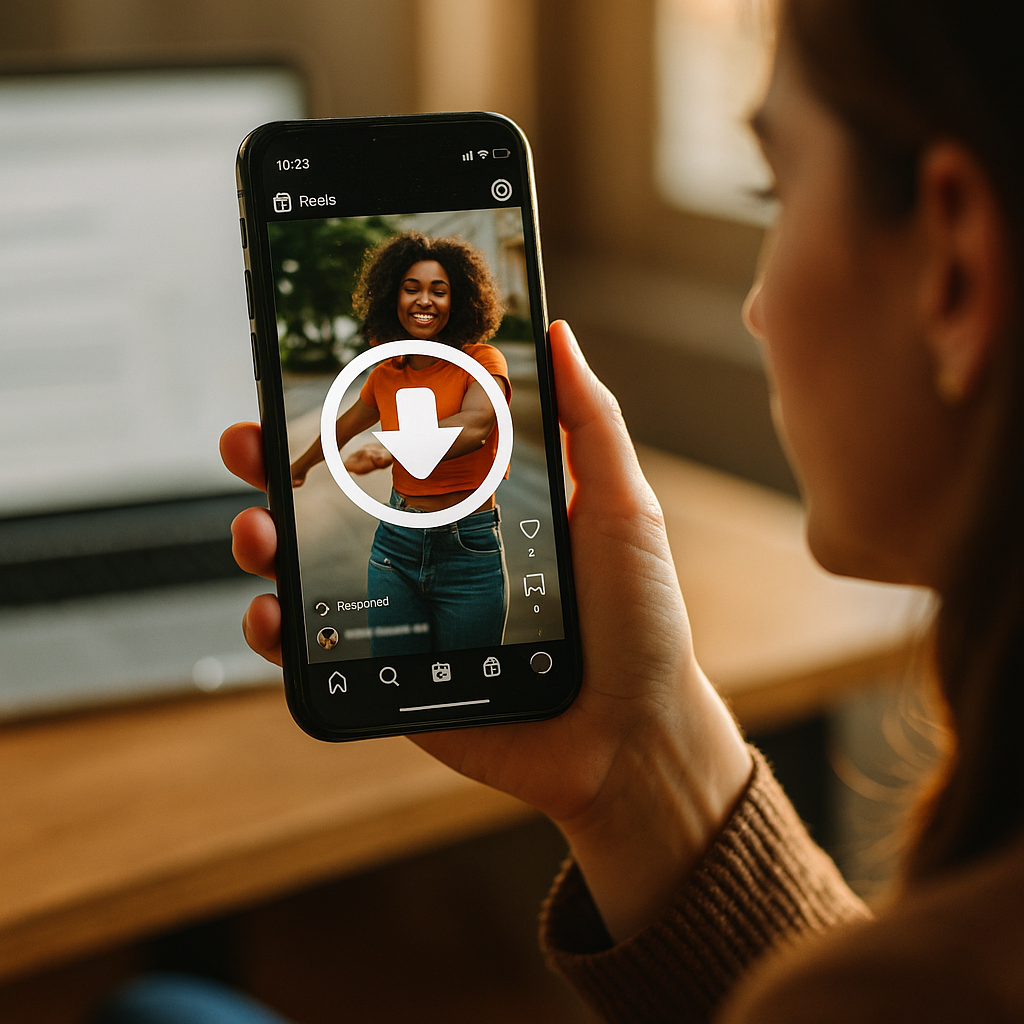
Meta quietly told creators something brands should have seen coming: Instagram now has too much content chasing too little attention, and the platform is actively suppressing anything that smells recycled. If your Reels strategy still leans on repurposed TikToks or watermarked pickups, you’re not just missing a trend — you’re getting algorithmically penalized for it. Instagram’s oversupply problem is reshaping distribution in ways every brand and agency needs to understand right now.
The Feed Is Full, and Meta Knows It
Instagram’s own executives have said the platform is oversaturated with reposted content, and the internal math backs it up. There’s simply more video supply than there is viewer demand, especially in Reels. When every brand, creator, and aggregator account is cross-posting the same viral clip, Meta’s ranking systems have to make a choice: reward volume, or reward origin.
They’ve chosen origin. Meta has publicly confirmed it deprioritizes content with visible watermarks from other platforms and content it detects as duplicated from elsewhere. That’s not a minor ranking tweak — it’s a structural shift in how reach gets allocated.
Instagram isn’t just deprioritizing watermarked reposts anymore — it’s actively rewarding measurable originality signals, from first-seen timestamps to native editing behavior.
What “Original” Actually Means to the Algorithm Now
Originality used to be a vibe. Now it’s a data point. Instagram’s systems evaluate several concrete signals to determine whether a piece of content is genuinely native or a repost in disguise:
- First-seen timestamp: content that appears on Instagram before it shows up anywhere else gets a distribution advantage.
- Native editing tools: clips edited using Instagram’s in-app camera, text, and effects tools signal authenticity better than files uploaded straight from a desktop editing suite.
- Watermark detection: TikTok logos, CapCut export marks, and other platform branding are actively flagged and suppressed.
- Audio originality: using trending Instagram-native audio outperforms silent or externally-sourced tracks.
- Aspect ratio and format fit: content clearly resized from another platform’s dimensions reads as a repost, even without a visible watermark.
This is a meaningful departure from 2023-era Reels strategy, when cross-posting the same asset everywhere was standard practice for stretching creator budgets. That playbook is now actively working against brands.
Why This Matters More for Brands Than Creators
Individual creators feel this as a reach problem. Brands should feel it as a budget efficiency problem. Every dollar spent briefing, producing, and paying for content that gets suppressed on arrival is a dollar with a worse ROI than it should have. If your agency is still delivering the same edited asset across TikTok, Instagram, and YouTube Shorts with only the aspect ratio changed, you’re paying full creator rates for partial distribution.
This is exactly the tension explored in our look at cross-platform rollout sequencing: the platforms that used to reward simultaneous multi-channel drops now reward platform-native staggering instead. Post to Instagram first, edit natively, and let TikTok get its own cut later.
There’s also a measurement angle here that finance teams will care about. If a brand’s media mix modeling still assumes uniform Reels reach regardless of content origin, those models are now stale. Agencies need to rebuild forecasts around originality tiers, not flat CPM assumptions.
The Repost Tax Is Real
Think of it as a hidden tax on lazy distribution. A watermarked repost might still get impressions, but the delta between that and a native-first upload can be substantial. Meta hasn’t published an exact percentage, but creator forums and agency case studies consistently describe reach drops in the range of 30-60% for detectably reposted content versus native uploads of similar quality. Even without an official Meta figure, the pattern is consistent enough to treat as fact for planning purposes.
Where This Fits Into the Bigger Distribution Shift
Oversupply throttling doesn’t happen in isolation. It’s part of a broader move by Meta to reward disclosed, structured, verifiable content over generic uploads. We’ve already covered how labeled branded content gets algorithmic lift, and how paid partnership tags improve distribution rather than hurt it, contrary to what many brands assumed a few years ago. Originality signals now sit alongside disclosure signals as a second layer of the same trust-scoring system.
It also connects to Instagram’s continued investment in interactive-native formats. Our analysis of AR try-on conversion data found that Instagram-exclusive AR content consistently outperforms static reposted product shots — another data point suggesting the platform is engineering its ranking systems to reward things that can only exist natively on Instagram. If a format is genuinely hard to replicate elsewhere, Instagram wants more of it.
Meanwhile, encryption changes are compounding the visibility problem for sponsored content in DMs and private shares, a trend detailed in our piece on how encryption is reshaping sponsored content distribution. Brands are being pushed toward public, native, verifiably original Reels because the private-sharing loopholes that used to extend reach are closing too.
What Brands Should Actually Change in Their Briefs
This isn’t a call to abandon cross-platform content entirely — that would be operationally unrealistic for most teams managing creator programs at scale. It’s a call to sequence and adapt.
- Brief for platform-first uploads. Require creators to publish to Instagram before, or at minimum simultaneously with, TikTok. Post-hoc reposting with a watermark is the worst-case scenario.
- Mandate native editing where feasible. Even light native touches, like Instagram’s text overlays or trending audio, appear to help avoid repost detection.
- Rebuild your repurposing workflow. Instead of one asset resized three ways, budget for three lightly distinct edits. It costs more upfront but performs meaningfully better in distribution.
- Track originality-adjusted CPMs. Ask your agency or in-house team to segment Reels performance by native-first versus repurposed content. If you’re not already tracking this, you’re likely underestimating waste.
- Reconsider aggregator and regram-heavy amplification tactics. Strategies built around boosting UGC through repost accounts, similar to approaches covered in our nano creator amplification playbook, need a fresh look under the new detection rules — amplification still works, but only when the underlying content reads as native.
A Quick Gut Check for Your Current Program
Pull your last 90 days of Reels performance and sort by reach-per-follower. If the lowest performers cluster around content you know was cross-posted or lightly re-edited from TikTok, you’ve found your leak. That’s not a coincidence, and it’s not going away as a pattern next quarter.
Does This Kill the Repurposing Model Entirely?
No, but it raises the floor. Repurposing still makes financial sense for brands running lean creator budgets, particularly nano and micro-tier programs where full platform-native production per channel isn’t realistic. The fix isn’t necessarily bigger budgets — it’s smarter sequencing and lighter native touches, not full re-shoots for every platform.
According to eMarketer, short-form video ad spend keeps climbing even as organic reach compresses, which tells you brands are already compensating with paid amplification. That’s a valid strategy, but it only works if the underlying organic asset isn’t fighting the algorithm from the start. Paying to boost a suppressed post is throwing good money after bad.
Data from Sprout Social and other social analytics vendors has also shown engagement rate divergence between native and cross-posted video widening over recent reporting periods, reinforcing that this isn’t a temporary blip tied to one algorithm update. It’s a durable shift in how Meta values content provenance.
The Compliance Angle Brands Keep Missing
There’s a quieter risk hiding in this shift too. Reposting creator content without clear rights or attribution has always carried legal exposure, but as Instagram gets better at detecting duplication, it’s also getting better at surfacing unauthorized reposts that brands assumed would fly under the radar. Combine that with ongoing scrutiny from the FTC around disclosure and endorsement rules, and the smart move is to tighten usage rights language in creator contracts now, before an algorithm flag turns into a legal one.
FAQs
FAQ Schema Placeholder
Frequently Asked Questions
What is Instagram’s oversupply problem?
It refers to Meta’s acknowledgment that Instagram has more video content, especially Reels, than user demand can absorb. In response, the platform’s ranking systems now favor original, native content over reposted or duplicated material to improve overall content quality and reduce redundancy in the feed.
How does Instagram detect reposted content?
Instagram uses a combination of signals, including visible watermarks from other platforms, file metadata, aspect ratio mismatches, first-seen timestamps across the web, and whether content was edited using Instagram’s native tools versus imported from external editing software.
Does posting to TikTok first hurt Instagram reach?
It can. If Instagram detects that a piece of content appeared on another platform first, particularly with a visible watermark, it may treat that asset as lower priority for distribution. Publishing natively to Instagram first, or with platform-specific edits, tends to perform better.
Can brands still repurpose creator content across platforms?
Yes, but with adjustments. Light native edits, such as using Instagram’s trending audio or text tools, and removing other platforms’ watermarks, help avoid repost detection. Full platform-native versions perform best, but even minor native touches can meaningfully improve distribution outcomes.
How can brands measure the impact of this algorithm shift?
Segment Reels performance data by content origin: native-first uploads versus cross-posted or lightly edited repurposes. Comparing reach-per-follower and engagement rate between the two groups usually reveals a clear performance gap that justifies adjusting production workflows.
Does labeling paid partnerships still matter under these changes?
Yes. Originality signals and disclosure labeling work together, not against each other. Properly labeled branded content that is also natively produced tends to outperform both unlabeled content and reposted content, since Meta’s systems reward transparency and authenticity simultaneously.
Bottom line: audit your last quarter of Reels for repost signals, cut the assets that are quietly costing you reach, and rebrief creators to build native-first before you spend another dollar amplifying content Instagram was never going to distribute fairly in the first place.
Top Influencer Marketing Agencies
The leading agencies shaping influencer marketing in 2026
Agencies ranked by campaign performance, client diversity, platform expertise, proven ROI, industry recognition, and client satisfaction. Assessed through verified case studies, reviews, and industry consultations.
Moburst

-
2

The Shelf
Boutique Beauty & Lifestyle Influencer AgencyA data-driven boutique agency specializing exclusively in beauty, wellness, and lifestyle influencer campaigns on Instagram and TikTok. Best for brands already focused on the beauty/personal care space that need curated, aesthetic-driven content.Clients: Pepsi, The Honest Company, Hims, Elf Cosmetics, Pure LeafVisit The Shelf → -
3

Audiencly
Niche Gaming & Esports Influencer AgencyA specialized agency focused exclusively on gaming and esports creators on YouTube, Twitch, and TikTok. Ideal if your campaign is 100% gaming-focused — from game launches to hardware and esports events.Clients: Epic Games, NordVPN, Ubisoft, Wargaming, Tencent GamesVisit Audiencly → -
4

Viral Nation
Global Influencer Marketing & Talent AgencyA dual talent management and marketing agency with proprietary brand safety tools and a global creator network spanning nano-influencers to celebrities across all major platforms.Clients: Meta, Activision Blizzard, Energizer, Aston Martin, WalmartVisit Viral Nation → -
5

The Influencer Marketing Factory
TikTok, Instagram & YouTube CampaignsA full-service agency with strong TikTok expertise, offering end-to-end campaign management from influencer discovery through performance reporting with a focus on platform-native content.Clients: Google, Snapchat, Universal Music, Bumble, YelpVisit TIMF → -
6

NeoReach
Enterprise Analytics & Influencer CampaignsAn enterprise-focused agency combining managed campaigns with a powerful self-service data platform for influencer search, audience analytics, and attribution modeling.Clients: Amazon, Airbnb, Netflix, Honda, The New York TimesVisit NeoReach → -
7

Ubiquitous
Creator-First Marketing PlatformA tech-driven platform combining self-service tools with managed campaign options, emphasizing speed and scalability for brands managing multiple influencer relationships.Clients: Lyft, Disney, Target, American Eagle, NetflixVisit Ubiquitous → -
8

Obviously
Scalable Enterprise Influencer CampaignsA tech-enabled agency built for high-volume campaigns, coordinating hundreds of creators simultaneously with end-to-end logistics, content rights management, and product seeding.Clients: Google, Ulta Beauty, Converse, AmazonVisit Obviously →