


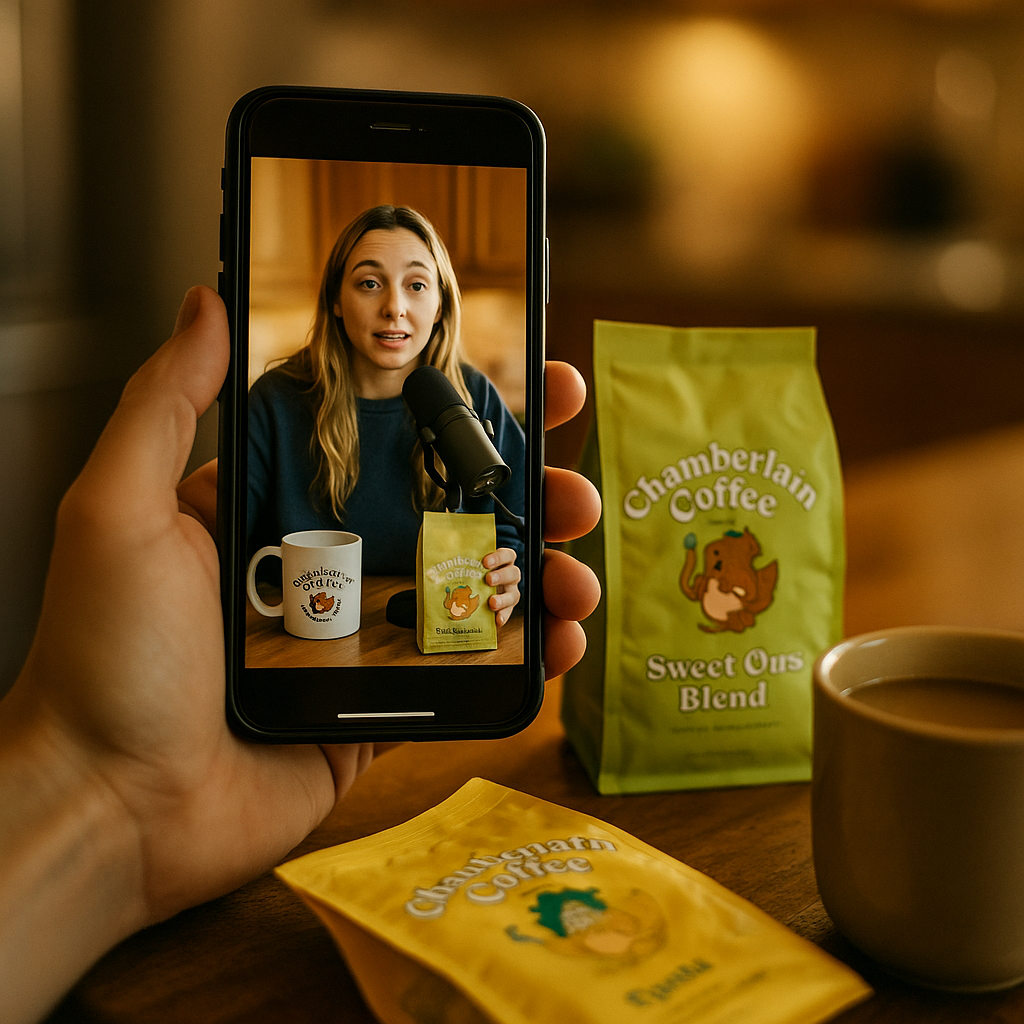
A brand with zero paid media budget behind a channel got a reported 20-30% open-rate-style engagement on messages sent to superfans. That’s the kind of number that makes a CMO stop scrolling. Chamberlain Coffee, the direct-to-consumer coffee brand founded by Emma Chamberlain, built exactly that using Instagram Broadcast Channels, and it did it without spending a dollar on ads to drive it.
This isn’t a story about virality. It’s a story about retention infrastructure hiding in plain sight inside a feature most brands treat as an afterthought.
Why Broadcast Channels, and why now?
Instagram Broadcast Channels launched as a one-to-many messaging tool: brands post, followers react, and only the channel owner can start threads. No algorithm gatekeeping. No pay-to-boost reach. If someone joins your channel, they see your messages in their inbox, full stop.
For a brand like Chamberlain Coffee, that’s a gift. The company built its early audience on Emma Chamberlain’s YouTube fame and organic TikTok content, not performance marketing. It has always over-indexed on parasocial trust rather than paid acquisition. Broadcast Channels simply gave that trust a direct pipe into the inbox, bypassing the feed entirely.
The core insight: a follower is an impression, but a channel member is a standing invitation to buy again. Chamberlain treated that distinction as a retention strategy, not a vanity metric.
Compare that to email, where average open rates hover in the 20-30% range depending on industry per HubSpot’s benchmarking data, and inbox competition keeps intensifying. Broadcast Channels compete with almost nothing. There’s no subject line to write, no spam folder to dodge, no unsubscribe fatigue baked in from years of newsletter overload.
What Chamberlain actually did inside the channel
The brand didn’t just blast promo codes. That’s the mistake most DTC brands make when they get a new distribution channel: they treat it like a discount megaphone. Chamberlain instead used the channel the way a good community manager runs a Discord server, mixing product news, behind-the-scenes content, and genuine access.
- Early access drops: new SKUs and seasonal flavors got teased in the channel before they hit the storefront, rewarding members with first-mover status rather than a percentage off.
- Founder-adjacent content: voice notes and casual updates that felt like they came from inside the brand, not a marketing calendar.
- Polls and direct feedback loops: asking members what flavor to bring back or which packaging they preferred, then visibly shipping on that input.
- Restock alerts: for a coffee brand, timing matters. Nobody wants to run out. A channel ping when a bestseller restocks solves a real logistics pain point for repeat buyers.
None of this required a media buy. It required someone on the team treating the channel as a relationship, not a megaphone. That’s the operational shift brands miss: Broadcast Channels reward editorial thinking over campaign thinking.
The repeat-purchase math behind the strategy
Here’s the part that should matter most to anyone holding a budget. Acquiring a new coffee subscriber through paid social costs real money, and coffee is a notoriously tight-margin category once you factor in shipping and packaging. eMarketer has repeatedly flagged rising CPMs across Meta and TikTok as a structural headwind for DTC brands, meaning every paid-acquired customer needs multiple repeat orders just to break even.
Broadcast Channels sidestep that math entirely. There’s no CPM, no bid strategy, no algorithm tax. A member who joined organically costs nothing to message again next week, next month, or next quarter. If even a fraction of that audience converts on a restock alert or an early-access drop, the incremental revenue is close to pure margin because there’s no media spend attached to the message.
This is the same logic behind why brands like Whoop turned paying members into an ambassador network or why Chewy leaned on nano-creators to reinforce its subscription engine. Owned, low-cost channels compound. Paid channels reset every billing cycle.
It’s not a replacement for creator strategy, it’s a retention layer on top of it
Chamberlain Coffee didn’t abandon influencer marketing to build this. If anything, the brand’s Broadcast Channel success sits on top of years of groundwork laid through nano-creator seeding and grassroots community building, a strategy covered in depth around how Chamberlain used nano-creators to win retail shelf space. The channel didn’t create the audience. It monetized an audience that already existed.
This distinction matters for anyone building a budget proposal internally. Broadcast Channels aren’t a top-of-funnel acquisition play. They’re a mid-to-bottom-funnel retention layer that works best when there’s already an engaged base to migrate into the channel. Brands that try to cold-launch a channel without an existing community will find it behaves like an empty newsletter list: technically functional, practically useless.
Where does that base come from? For Chamberlain, it was years of founder-led content plus consistent nano and micro-creator activity. Other brands have built similar organic bases through founder-led TikTok, like Scrub Daddy’s founder-driven content engine, or through absurdist, low-cost creator briefs like Chubbies’ comedy-driven approach to nano-creators. The channel is the retention mechanism. The creator work is what fills it.
Compliance and risk: the quiet advantage
Here’s an angle brand and legal teams should appreciate. Broadcast Channels carry meaningfully lower disclosure risk than influencer-driven promotion, because the brand is the one speaking, not a third-party creator navigating FTC endorsement guidelines. There’s no ambiguity about whether a message is sponsored. It’s the brand’s own channel, sent to people who opted in.
That doesn’t mean zero risk. Brands still need to respect platform policy around promotional frequency and avoid the channel devolving into a discount-code faucet that trains subscribers to wait for markdowns instead of buying at full price. But compared to the vetting headaches other brands have faced, including the kind of creator-vetting gaps that surfaced in Sephora’s tween beauty backlash, a first-party channel is comparatively low-risk terrain.
That said, brands running Broadcast Channels alongside creator programs still need clean documentation practices. If a creator posts about a product they discovered via a channel drop, that relationship may still trigger disclosure obligations, a lesson reinforced by brands like Ollie building vetting directly into its nano-creator program and Chubbies baking FTC compliance into its creator drops.
Where this fits in a broader owned-channel strategy
Broadcast Channels aren’t a silver bullet. They work best as one layer in a stack that includes email (still the highest-ROI owned channel per most Sprout Social benchmarking data), SMS, and loyalty programs. What Chamberlain did well was avoid channel redundancy. Email handled transactional and lifecycle messaging. The Broadcast Channel handled the more casual, community-flavored updates that would feel out of place in an inbox but perfectly natural in a chat-style feed.
That segmentation instinct is worth stealing regardless of category. Ask which of your messages feel like news versus which feel like a receipt. News belongs in the channel. Receipts belong in email.
The brands winning owned-channel retention right now aren’t the ones with the biggest lists. They’re the ones who’ve figured out which message belongs in which channel, and who resist the urge to discount their way into every send.
It’s also worth noting Broadcast Channels scale differently than paid retargeting. There’s no frequency cap you’re paying for, no fatigue curve tied to ad spend. The ceiling is simply how many people opt in and how long they stay subscribed, which puts the pressure back on content quality rather than budget size.
The takeaway for brands without a media budget
If your team is waiting on ad budget approval to build retention, stop waiting. Launch a Broadcast Channel, seed it through your existing organic audience and any nano-creator relationships already in motion, and treat the first 90 days as an editorial calendar test, not a sales channel. The brands proving this out, Chamberlain included, aren’t spending more. They’re just finally messaging the people who already said yes.
FAQs
What are Instagram Broadcast Channels and how do they differ from regular posts?
Broadcast Channels are one-to-many messaging threads where only the account owner can post, and messages land directly in followers’ inboxes rather than competing in the algorithmic feed. Members must opt in to join, which makes the audience inherently warmer than general followers.
Does a brand need a large following before launching a Broadcast Channel?
Not a massive following, but an engaged one. Broadcast Channels work best as a retention layer on top of an existing community. A brand with a small but loyal audience will typically see better engagement than a brand with a large but passive one.
How did Chamberlain Coffee use the channel without paid media?
Chamberlain relied on early access product drops, restock alerts, founder-style updates, and polls that invited direct feedback, all sent to an audience built through organic content and nano-creator seeding rather than ad spend.
Are Broadcast Channels a replacement for email marketing?
No. They work best alongside email and SMS, handling more casual, community-style updates while email continues to carry transactional and lifecycle messaging. Treating them as duplicate channels wastes their strength.
What compliance considerations apply to Broadcast Channels?
Since the brand itself is the one messaging, standard FTC endorsement disclosure concerns tied to creator content are largely reduced. However, brands should still avoid deceptive promotional framing and maintain clear records if creator partnerships intersect with channel content.
FAQs
What are Instagram Broadcast Channels and how do they differ from regular posts?
Broadcast Channels are one-to-many messaging threads where only the account owner can post, and messages land directly in followers’ inboxes rather than competing in the algorithmic feed. Members must opt in to join, which makes the audience inherently warmer than general followers.
Does a brand need a large following before launching a Broadcast Channel?
Not a massive following, but an engaged one. Broadcast Channels work best as a retention layer on top of an existing community. A brand with a small but loyal audience will typically see better engagement than a brand with a large but passive one.
How did Chamberlain Coffee use the channel without paid media?
Chamberlain relied on early access product drops, restock alerts, founder-style updates, and polls that invited direct feedback, all sent to an audience built through organic content and nano-creator seeding rather than ad spend.
Are Broadcast Channels a replacement for email marketing?
No. They work best alongside email and SMS, handling more casual, community-style updates while email continues to carry transactional and lifecycle messaging. Treating them as duplicate channels wastes their strength.
What compliance considerations apply to Broadcast Channels?
Since the brand itself is the one messaging, standard FTC endorsement disclosure concerns tied to creator content are largely reduced. However, brands should still avoid deceptive promotional framing and maintain clear records if creator partnerships intersect with channel content.
Top Influencer Marketing Agencies
The leading agencies shaping influencer marketing in 2026
Agencies ranked by campaign performance, client diversity, platform expertise, proven ROI, industry recognition, and client satisfaction. Assessed through verified case studies, reviews, and industry consultations.
Moburst

-
2

The Shelf
Boutique Beauty & Lifestyle Influencer AgencyA data-driven boutique agency specializing exclusively in beauty, wellness, and lifestyle influencer campaigns on Instagram and TikTok. Best for brands already focused on the beauty/personal care space that need curated, aesthetic-driven content.Clients: Pepsi, The Honest Company, Hims, Elf Cosmetics, Pure LeafVisit The Shelf → -
3

Audiencly
Niche Gaming & Esports Influencer AgencyA specialized agency focused exclusively on gaming and esports creators on YouTube, Twitch, and TikTok. Ideal if your campaign is 100% gaming-focused — from game launches to hardware and esports events.Clients: Epic Games, NordVPN, Ubisoft, Wargaming, Tencent GamesVisit Audiencly → -
4

Viral Nation
Global Influencer Marketing & Talent AgencyA dual talent management and marketing agency with proprietary brand safety tools and a global creator network spanning nano-influencers to celebrities across all major platforms.Clients: Meta, Activision Blizzard, Energizer, Aston Martin, WalmartVisit Viral Nation → -
5

The Influencer Marketing Factory
TikTok, Instagram & YouTube CampaignsA full-service agency with strong TikTok expertise, offering end-to-end campaign management from influencer discovery through performance reporting with a focus on platform-native content.Clients: Google, Snapchat, Universal Music, Bumble, YelpVisit TIMF → -
6

NeoReach
Enterprise Analytics & Influencer CampaignsAn enterprise-focused agency combining managed campaigns with a powerful self-service data platform for influencer search, audience analytics, and attribution modeling.Clients: Amazon, Airbnb, Netflix, Honda, The New York TimesVisit NeoReach → -
7

Ubiquitous
Creator-First Marketing PlatformA tech-driven platform combining self-service tools with managed campaign options, emphasizing speed and scalability for brands managing multiple influencer relationships.Clients: Lyft, Disney, Target, American Eagle, NetflixVisit Ubiquitous → -
8

Obviously
Scalable Enterprise Influencer CampaignsA tech-enabled agency built for high-volume campaigns, coordinating hundreds of creators simultaneously with end-to-end logistics, content rights management, and product seeding.Clients: Google, Ulta Beauty, Converse, AmazonVisit Obviously →