


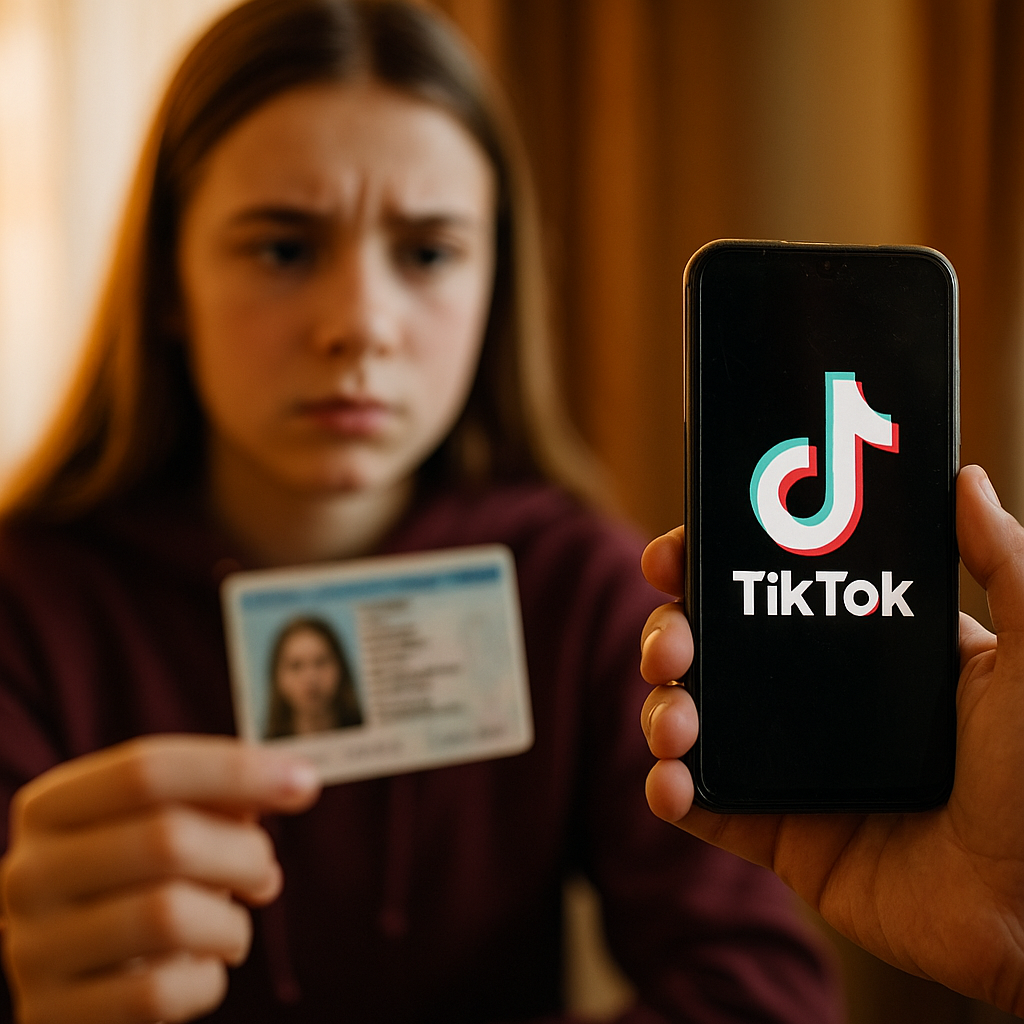
$400 million. That’s what TikTok agreed to pay to settle children’s privacy claims, and it should be setting off alarms in every brand marketing department running youth-adjacent campaigns. If your legal team hasn’t asked to see your age-verification documentation in the last quarter, you don’t have a TikTok problem — you have a discovery problem waiting to happen.
This isn’t just a platform penalty story. It’s a case study in what regulators now expect from anyone touching minors’ data, including the brands paying for placement.
What Actually Happened, and Why Brands Should Care
The settlement centered on allegations that TikTok collected data from children under 13 without verifiable parental consent, violating the Children’s Online Privacy Protection Act (COPPA). The FTC and Department of Justice made clear this wasn’t a one-off technical glitch. It was a pattern: age gates that didn’t actually gate anything, self-reported birthdates nobody verified, and a platform that profited from engagement regardless of who was actually watching.
Here’s the part brand marketers keep missing. COPPA liability doesn’t stop at the platform. If your influencer campaign targets a youth-adjacent audience — think gaming, toy unboxings, tween fashion, back-to-school content — and you’re relying solely on the platform’s age gate as your compliance shield, you’re building on sand. Regulators have shown a growing appetite for holding advertisers and their agencies accountable for “knew or should have known” scenarios, particularly when campaign targeting data suggests an audience skewing younger than the platform’s stated minimum.
Platform-level age verification was never designed to protect your brand. It was designed to protect the platform. Treating it as your compliance layer is the single biggest documentation gap in youth-adjacent marketing today.
We’ve covered the mechanics of this settlement in detail in our parental consent checklist, and the age-verification limitations in this breakdown of state consent laws. But the operational question for brands is different: what documentation would actually protect you if a regulator or plaintiff’s attorney came asking?
The Documentation Gap Nobody’s Budgeting For
Ask ten brand marketers what “age verification documentation” means and you’ll get ten different answers. Some think it’s a checkbox in the platform’s ad manager. Others think it’s a line in the influencer contract. Almost none of them have an actual audit trail that would survive a regulator’s request for evidence.
Here’s what a defensible documentation file should actually contain:
- Audience composition data pulled at the time of campaign launch, not retroactively, showing the platform’s reported age distribution for the target placement.
- Creator content review notes confirming the creator’s historical audience skew and any known youth engagement patterns.
- Platform-level age-gate confirmation, including screenshots or API logs showing what verification mechanism was active during the flight dates.
- Contractual language obligating creators to disclose known audience demographics and flag content that could reasonably attract under-13 viewers.
- Escalation records showing what happened when a red flag was raised — did someone actually review it, or did it sit in a Slack channel?
Most brands have zero of these on file for most campaigns. That’s not a hypothetical risk anymore. It’s the exact fact pattern regulators used against TikTok, just one level removed.
Why “The Platform Handles That” Is No Longer a Defense
There’s a comfortable assumption running through a lot of marketing departments: the platform is the data controller, so the platform eats the compliance risk. That assumption is aging badly.
Regulatory posture has shifted toward joint accountability. The FTC’s own guidance under COPPA already contemplates liability for any operator that has “actual knowledge” it’s collecting data from children, and enforcement bodies are increasingly willing to argue that sophisticated advertisers running targeted campaigns on youth-skewing content categories meet that bar. Add in the state-level privacy laws stacking on top of COPPA — several of which explicitly extend obligations to advertisers, not just platforms — and “the platform handles that” starts to look less like a defense and more like an admission you never checked.
This mirrors what we’ve seen play out in adjacent enforcement actions. The Meta $18B settlement checklist makes a similar point about platform-level penalties creating downstream brand exposure. Same logic applies to TikTok’s IP verification changes, which we broke down in our Q1 audit guide — platform infrastructure changes don’t automatically close the compliance gap for advertisers relying on that infrastructure.
The Creator Contract Problem
Most influencer agreements are still written for a pre-COPPA-enforcement world. They cover usage rights, exclusivity, deliverables, and payment terms. Data handling and audience-age representations? Usually an afterthought, if they’re addressed at all.
A defensible contract for youth-adjacent campaigns needs specific, auditable language:
- A representation from the creator about their known audience age distribution, sourced from their own platform analytics.
- An obligation to disclose if content is reasonably likely to appeal primarily to children, regardless of the platform’s official audience rating.
- A notification clause requiring the creator to flag any comments, engagement patterns, or direct messages suggesting a significant under-13 audience.
- Indemnification language that doesn’t just shift blame downstream but establishes a shared documentation obligation.
None of this is exotic. It’s the same discipline brands have started applying to disclosure risk after cases like the one detailed in script editing and FTC material connection risk. Age verification just hasn’t caught up to the same level of contractual rigor yet.
Building the Audit Trail Before You Need It
The worst time to build a documentation process is after you’ve received a demand letter. Here’s a practical sequence for getting ahead of it.
Step one: audit your current campaign roster. Pull every active and recent influencer campaign that touches gaming, toys, family content, tween fashion, or education categories. Flag anything where the platform’s own audience insights show meaningful under-18 engagement, even if the campaign wasn’t explicitly targeted at minors.
Step two: standardize a pre-flight checklist. Before any youth-adjacent campaign launches, require a documented sign-off that includes audience data pulls, creator representations, and legal review. This should function similarly to the compliance escalation matrix approach used for vertical media ad risk — a clear chain of who reviewed what, and when.
Step three: retain evidence, not just intentions. A policy that says “we verify audience age” is worthless without records showing it happened. Screenshot audience dashboards. Save platform correspondence. Timestamp everything. If your only proof is a verbal assurance from an agency, you have no proof at all.
Step four: build a real escalation path. When a creator or a platform algorithm flags a potential under-13 audience spike, someone specific needs to own the decision to pause, adjust targeting, or pull the campaign. Vague ownership is how minor compliance issues become $400 million settlements.
A documentation file that only exists in someone’s memory is not a documentation file. Regulators want dates, screenshots, and named decision-makers — not good intentions.
According to eMarketer, influencer marketing spend targeting family and youth-adjacent categories continues climbing year over year, which means the exposure surface is only growing. Meanwhile, regulatory guidance from the FTC has made explicit that COPPA enforcement isn’t slowing down, and platforms themselves are updating terms accordingly, as seen in TikTok’s own shifts documented in our real IP verification guide.
What This Means for Budget and Vendor Selection
This isn’t purely a legal exercise. It has budget implications. Agencies and influencer platforms that can’t produce audience verification data on request should be treated as a risk line item, not just a creative resource. When evaluating vendors, ask directly: can you produce a dated audience composition report for any campaign within 48 hours? If the answer is no, that’s a red flag worth pricing into the relationship.
Tools like Sprout Social and platform-native analytics dashboards can help standardize this reporting, but the documentation discipline still has to come from the brand side. No tool replaces a named human signing off on the record.
FAQ: Age Verification and Youth-Adjacent Campaign Risk
The bottom line: treat platform age gates as a starting point, not a compliance program. Build your own documentation trail — audience data, creator representations, escalation logs — before your next youth-adjacent campaign launches, not after a regulator asks for it.
FAQs
Does COPPA apply to brands, or only to platforms like TikTok?
COPPA primarily targets operators that collect data from children under 13, but brands and agencies can face liability if they have actual or constructive knowledge that a campaign is reaching that audience. Relying solely on a platform’s age gate doesn’t eliminate that exposure.
What counts as sufficient age-verification documentation for a brand?
At minimum, brands should retain audience composition data at campaign launch, creator representations about known audience demographics, records of the platform’s active age-gate mechanism, and documented escalation steps if red flags appear during the flight.
Are influencer contracts enough to shift COPPA liability to creators?
No. Indemnification clauses help allocate financial responsibility after the fact, but they don’t prevent regulatory action against the brand. Regulators look at who had knowledge and control over the campaign, not just who signed what contract.
How does this settlement affect state-level privacy law compliance too?
Many state privacy laws layer additional obligations on top of COPPA, including some that explicitly extend duties to advertisers. Brands need to check state-specific consent and minor-data provisions separately from federal COPPA compliance.
What categories of campaigns carry the highest youth-adjacent risk?
Gaming, toys, tween and teen fashion, family content, back-to-school promotions, and children’s education products carry elevated risk, especially when creator audiences skew younger than platform terms of service allow.
FAQs
Top Influencer Marketing Agencies
The leading agencies shaping influencer marketing in 2026
Agencies ranked by campaign performance, client diversity, platform expertise, proven ROI, industry recognition, and client satisfaction. Assessed through verified case studies, reviews, and industry consultations.
Moburst

-
2

The Shelf
Boutique Beauty & Lifestyle Influencer AgencyA data-driven boutique agency specializing exclusively in beauty, wellness, and lifestyle influencer campaigns on Instagram and TikTok. Best for brands already focused on the beauty/personal care space that need curated, aesthetic-driven content.Clients: Pepsi, The Honest Company, Hims, Elf Cosmetics, Pure LeafVisit The Shelf → -
3

Audiencly
Niche Gaming & Esports Influencer AgencyA specialized agency focused exclusively on gaming and esports creators on YouTube, Twitch, and TikTok. Ideal if your campaign is 100% gaming-focused — from game launches to hardware and esports events.Clients: Epic Games, NordVPN, Ubisoft, Wargaming, Tencent GamesVisit Audiencly → -
4

Viral Nation
Global Influencer Marketing & Talent AgencyA dual talent management and marketing agency with proprietary brand safety tools and a global creator network spanning nano-influencers to celebrities across all major platforms.Clients: Meta, Activision Blizzard, Energizer, Aston Martin, WalmartVisit Viral Nation → -
5

The Influencer Marketing Factory
TikTok, Instagram & YouTube CampaignsA full-service agency with strong TikTok expertise, offering end-to-end campaign management from influencer discovery through performance reporting with a focus on platform-native content.Clients: Google, Snapchat, Universal Music, Bumble, YelpVisit TIMF → -
6

NeoReach
Enterprise Analytics & Influencer CampaignsAn enterprise-focused agency combining managed campaigns with a powerful self-service data platform for influencer search, audience analytics, and attribution modeling.Clients: Amazon, Airbnb, Netflix, Honda, The New York TimesVisit NeoReach → -
7

Ubiquitous
Creator-First Marketing PlatformA tech-driven platform combining self-service tools with managed campaign options, emphasizing speed and scalability for brands managing multiple influencer relationships.Clients: Lyft, Disney, Target, American Eagle, NetflixVisit Ubiquitous → -
8

Obviously
Scalable Enterprise Influencer CampaignsA tech-enabled agency built for high-volume campaigns, coordinating hundreds of creators simultaneously with end-to-end logistics, content rights management, and product seeding.Clients: Google, Ulta Beauty, Converse, AmazonVisit Obviously →