


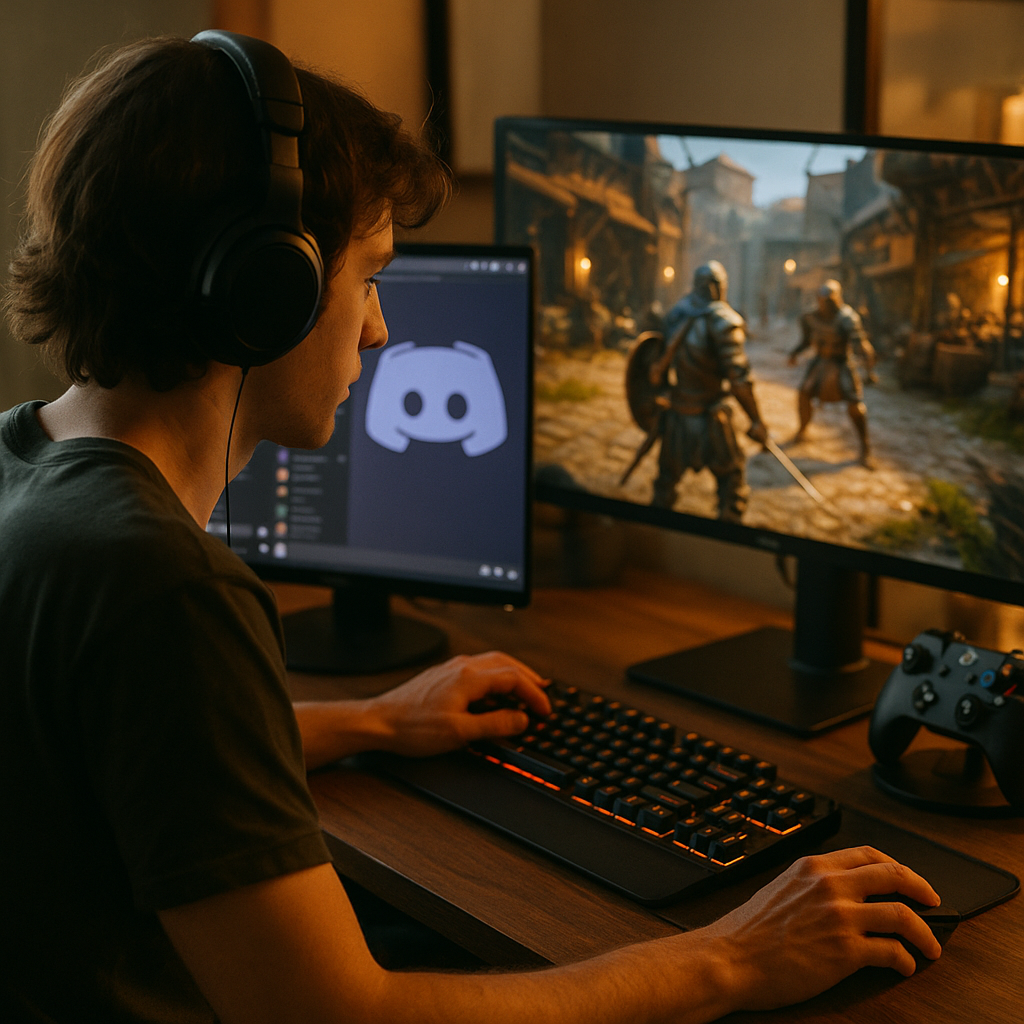
Discord has 200 million monthly active users, and almost none of your competitors are selling anything inside it. That gap is the opportunity. A well-run gaming server isn’t just a retention tool anymore — it’s an underpriced storefront waiting for a brand smart enough to build one. This is the Discord server-to-storefront playbook for brands ready to stop treating community as a cost center.
Why Discord Is Still an Untapped Commerce Channel
Most brands treat Discord like a support ticket queue with better emojis. That’s a mistake. Gaming communities on Discord skew toward high-intent, high-loyalty members who already spend money on skins, subscriptions, and merch for the games and creators they follow. They’re pre-sold on the category. What they’re missing is a frictionless path from “I love this community” to “I just bought the hoodie.”
Compare this to TikTok Shop or Instagram Shopping, where vertical commerce already dominates discovery-to-purchase flows. Discord doesn’t have native shopping infrastructure baked into the feed. That’s actually the advantage: less algorithmic noise, more direct relationship. Your server members chose to be there. They’re not scrolling past you by accident.
Discord communities convert differently than social feeds — members opt in repeatedly, which means purchase intent compounds over weeks, not seconds.
Map the Server Before You Map the Storefront
Don’t bolt a shop link onto your server and call it a strategy. Audit the community first. Which channels have the highest daily active engagement? Where do members self-organize around specific games, tournaments, or content drops? That’s your commerce signal.
A few things to check before building anything:
- Which roles or ranks correlate with the longest tenure and highest message volume?
- Do certain events (patch releases, tournament wins, creator AMAs) spike engagement predictably?
- Is there an existing “hype channel” where members already share fan art, clips, or wishlist items?
- What percentage of members are on mobile versus desktop, since checkout flow needs to work on both?
This audit tells you where to place storefront touchpoints without disrupting the social fabric that made people join in the first place. Drop a shop link in the wrong channel and it reads as spam. Drop it where hype already exists, and it reads as a natural extension.
Building the Actual Storefront Bridge
Discord doesn’t have a native “buy now” button like TikTok Shop’s in-feed checkout. You’re working with bots, embeds, and external links. The most reliable stack right now uses a Shopify or Fourthwall storefront connected via webhook to a Discord bot that posts drops, restocks, and limited releases directly into designated channels.
Here’s the operational sequence that works:
- Set up a dedicated #merch-drops channel separate from general chat, so purchase-intent traffic doesn’t compete with community banter.
- Use a bot (like Sesh, Carl-bot, or a custom webhook) to auto-post new product listings with embed previews, so items render as rich cards instead of plain links.
- Gate early access by role — reward top contributors, subscribers, or tenured members with a 24-hour head start before public release.
- Track click-through with UTM-tagged links unique to each channel and role tier, so you know exactly which community segment converts.
- Reconcile sales data weekly against Discord engagement metrics (message volume, voice channel time, event attendance) to find your actual purchase correlation.
None of this requires custom app development. It requires discipline in tagging and a willingness to treat Discord data with the same rigor you’d apply to livestream selling analytics on other platforms.
Role-Gated Drops Outperform Public Announcements
Here’s something most brands get backwards: broadcasting a merch drop to the entire server usually underperforms a smaller, role-gated release. Scarcity and status matter more in gaming communities than almost anywhere else. Members who’ve earned a “Founder” or “OG” role want that status to mean something tangible.
Give your highest-tier roles first access, limited quantities, and maybe a unique variant (different colorway, exclusive patch, numbered edition). This isn’t gatekeeping for its own sake. It’s converting community capital into commerce capital. A member who spent 200 hours in your voice channels over a year should get a materially different shopping experience than someone who joined last week.
Riot Games and Fortnite-adjacent creator communities have run versions of this for years with in-game cosmetics. The same psychology applies to physical merch. Scarcity plus earned status beats “link in bio” every time.
Pricing, Fulfillment, and the Boring Stuff That Kills Momentum
Nothing tanks a Discord merch drop faster than a shipping delay or a checkout that redirects three times before reaching payment. Gaming audiences are unusually intolerant of friction — they’ll roast a bad UX in the general channel within minutes, and that sentiment sticks.
A few operational non-negotiables:
- One-click checkout wherever possible. Platforms like Fourthwall and Shopify’s Shop Pay reduce cart abandonment significantly compared to multi-step external checkouts.
- Price transparently in the embed. Don’t make members click through three pages to find out shipping costs.
- Batch fulfillment around drop windows. Print-on-demand works for evergreen items, but limited drops need pre-production to avoid the six-week shipping complaint spiral.
- Post fulfillment updates in the same channel. Radio silence after purchase erodes trust for the next drop.
This is where a lot of influencer-driven merch programs fall apart. The creator drives the hype, the community shows up, and then fulfillment logistics quietly kill repeat purchase behavior. Treat Discord commerce with the same operational seriousness you’d apply to any other conversion-focused channel.
Measuring What Actually Moved the Needle
Attribution inside Discord is messier than platforms with native shopping tabs. You won’t get clean, closed-loop reporting the way TikTok Shop or Instagram Shopping increasingly offer. Build your measurement stack around UTM parameters, discount codes unique to Discord, and post-purchase surveys asking “where did you hear about this?”
Track these four metrics at minimum:
- Click-through rate from drop announcement to storefront
- Conversion rate segmented by role tier (this tells you if gating actually works)
- Average order value from Discord-sourced traffic versus other channels
- Repeat purchase rate among members who bought during early-access windows
If repeat purchase rate among early-access buyers isn’t meaningfully higher than public-release buyers, your role-gating strategy isn’t working and needs revisiting. That’s a sign your “loyal member” tier isn’t actually correlated with purchase loyalty, which happens more often than brands expect.
If your role-gated buyers don’t repurchase more than general members, the gating isn’t building loyalty — it’s just adding a delay.
Compliance and Disclosure: Don’t Skip This
If creators or moderators are promoting merch drops in exchange for compensation, free product, or affiliate commission, FTC disclosure rules still apply inside Discord the same way they’d apply on Instagram or TikTok. A pinned message isn’t sufficient disclosure if the actual promotional post buried in a busy channel doesn’t carry its own clear disclosure. Review the FTC’s endorsement guidelines before scaling any affiliate-driven drop structure, and make sure your moderators or ambassador program understands the same rules that apply to public-facing influencer content.
This matters more as Discord commerce scales. Brands running ambassador programs where server moderators get free merch or commission in exchange for hyping drops need documented disclosure practices, not just a verbal agreement in a DM.
Where This Is Heading
Expect more native commerce tooling from Discord itself over the next cycle, similar to how Meta and TikTok built shopping directly into their platforms after years of third-party workarounds. Until then, the brands winning on Discord are the ones treating it like a CRM with a personality, not a broadcast channel. Community data plus commerce infrastructure, applied with the same rigor you’d bring to paid creator testing, is what separates a server that sells from one that just chats.
Platforms like Sprout Social and HubSpot are already building community-commerce integrations that treat Discord as a first-class channel rather than an afterthought. Get your role structure and fulfillment operations sorted now, so you’re ready when the tooling catches up.
Frequently Asked Questions
FAQs
Does Discord have native shopping features like TikTok Shop?
No. Discord doesn’t offer in-app checkout or a native shopping tab. Brands rely on bots, embeds, and external storefronts (Shopify, Fourthwall) linked through webhooks to simulate a shopping experience inside the server.
What’s the best way to segment merch drops by community role?
Use Discord’s built-in role system to gate early access, exclusive variants, or discount codes for your highest-engagement tiers, such as long-tenured members, subscribers, or top contributors. Track conversion by role to confirm gating actually drives incremental sales rather than just delaying purchases.
How do I track ROI from a Discord merch drop?
Use unique UTM parameters and discount codes per channel and role tier, then reconcile weekly against engagement metrics like message volume and voice channel activity. This is the closest you’ll get to closed-loop attribution without native platform analytics.
Do FTC disclosure rules apply to Discord promotions?
Yes. If a moderator, creator, or ambassador is compensated (cash, free product, or commission) to promote a drop, standard FTC endorsement disclosure requirements apply, regardless of platform.
What’s a realistic timeline to launch a Discord storefront?
Most brands can go from community audit to first drop in four to six weeks, assuming the storefront platform and fulfillment partner are already selected. The audit and role-mapping phase typically takes the longest.
Start small: pick one high-engagement channel, gate one drop by role, and measure repeat purchase rate before scaling the whole server. The brands winning on Discord aren’t the loudest — they’re the ones who treated the community map as seriously as the P&L.
Top Influencer Marketing Agencies
The leading agencies shaping influencer marketing in 2026
Agencies ranked by campaign performance, client diversity, platform expertise, proven ROI, industry recognition, and client satisfaction. Assessed through verified case studies, reviews, and industry consultations.
Moburst

-
2

The Shelf
Boutique Beauty & Lifestyle Influencer AgencyA data-driven boutique agency specializing exclusively in beauty, wellness, and lifestyle influencer campaigns on Instagram and TikTok. Best for brands already focused on the beauty/personal care space that need curated, aesthetic-driven content.Clients: Pepsi, The Honest Company, Hims, Elf Cosmetics, Pure LeafVisit The Shelf → -
3

Audiencly
Niche Gaming & Esports Influencer AgencyA specialized agency focused exclusively on gaming and esports creators on YouTube, Twitch, and TikTok. Ideal if your campaign is 100% gaming-focused — from game launches to hardware and esports events.Clients: Epic Games, NordVPN, Ubisoft, Wargaming, Tencent GamesVisit Audiencly → -
4

Viral Nation
Global Influencer Marketing & Talent AgencyA dual talent management and marketing agency with proprietary brand safety tools and a global creator network spanning nano-influencers to celebrities across all major platforms.Clients: Meta, Activision Blizzard, Energizer, Aston Martin, WalmartVisit Viral Nation → -
5

The Influencer Marketing Factory
TikTok, Instagram & YouTube CampaignsA full-service agency with strong TikTok expertise, offering end-to-end campaign management from influencer discovery through performance reporting with a focus on platform-native content.Clients: Google, Snapchat, Universal Music, Bumble, YelpVisit TIMF → -
6

NeoReach
Enterprise Analytics & Influencer CampaignsAn enterprise-focused agency combining managed campaigns with a powerful self-service data platform for influencer search, audience analytics, and attribution modeling.Clients: Amazon, Airbnb, Netflix, Honda, The New York TimesVisit NeoReach → -
7

Ubiquitous
Creator-First Marketing PlatformA tech-driven platform combining self-service tools with managed campaign options, emphasizing speed and scalability for brands managing multiple influencer relationships.Clients: Lyft, Disney, Target, American Eagle, NetflixVisit Ubiquitous → -
8

Obviously
Scalable Enterprise Influencer CampaignsA tech-enabled agency built for high-volume campaigns, coordinating hundreds of creators simultaneously with end-to-end logistics, content rights management, and product seeding.Clients: Google, Ulta Beauty, Converse, AmazonVisit Obviously →