


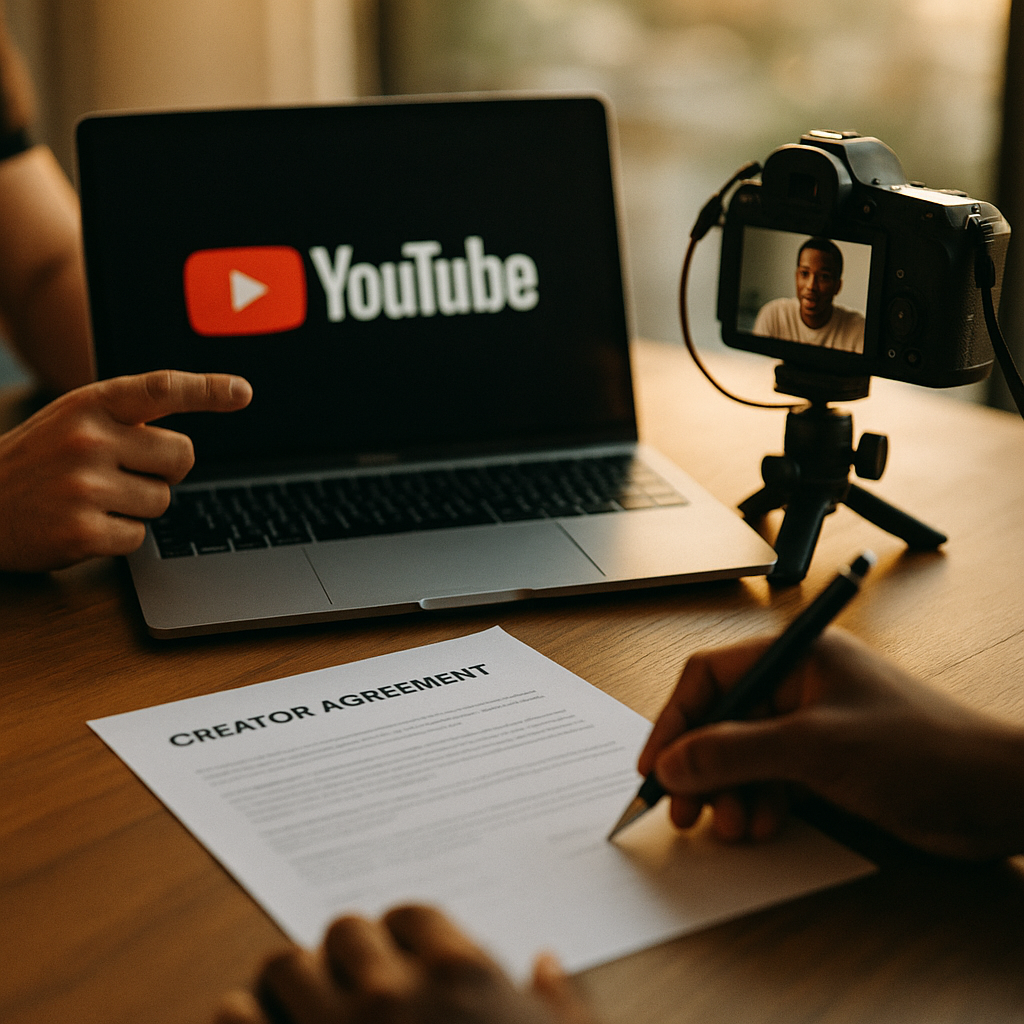
Brands that treat YouTube creators as one-off vendors are leaving money on the table. Channels running consistent, always-on partnerships see markedly lower churn in audience trust and steadier CPMs than those chasing a new face every quarter. A youtube always-on creator retainer model flips the transactional playbook into something closer to a media partnership, and it’s quietly becoming the default for brands that actually track long-term ROI instead of vanity view counts.
Why One-Off Deals Are Bleeding Budget
Here’s the math nobody wants to say out loud: every new creator relationship costs money before a single video goes live. Vetting, negotiation, briefing, product shipping, contract review, legal sign-off. Do that fifteen times a year with fifteen different creators and you’re paying an onboarding tax over and over, with none of the compounding trust benefits that come from a viewer seeing the same face recommend your product month after month.
Always-on retainers solve this by locking in a smaller roster of creators for extended terms, typically six to twelve months, with a defined cadence of dedicated and integrated content. The brand gets predictable output and pricing. The creator gets income stability, which (unsurprisingly) tends to produce better creative because they’re not scrambling between five other brand deals to make rent.
Audiences can tell the difference between a creator who genuinely uses a product monthly and one reading a script for the first and only time. That authenticity gap shows up directly in click-through and conversion rates.
What “Always-On” Actually Means in Practice
The term gets thrown around loosely, so let’s define it. An always-on retainer isn’t just “we booked the same creator twice.” It’s a structured, ongoing commitment with:
- A fixed monthly or quarterly fee, often with performance bonuses layered on top
- A minimum content cadence (say, two dedicated videos and four integrations per quarter)
- Pre-negotiated usage rights for repurposing content into paid social and YouTube ads
- Shared reporting cadence, usually monthly, tied to specific KPIs beyond raw views
- Built-in flexibility clauses for scope changes, product launches, or seasonal pushes
Without that structure, you just have a creator who happens to like your brand. Nice, but not a strategy.
Retainer vs. Campaign-Based: The Real Cost Comparison
Campaign-based deals look cheaper on paper because you’re paying per video. But factor in agency time, renegotiation friction, and the CPM volatility that comes from constantly testing new audiences, and the total cost of ownership tells a different story. A retainer locks pricing for the term, which matters a lot if you’re navigating fluctuating rate cards. For brands already tracking creator rate cards as a budget line, retainers offer something campaigns rarely do: predictability you can actually forecast against.
There’s also the impression-buying angle. If your team has been renegotiating CPMs around impression view metrics, an always-on retainer gives you leverage to lock in better rates precisely because the creator knows the relationship isn’t a one-time transaction.
Structuring the Deal: What Goes in the Contract
This is where most brands get sloppy. A retainer agreement needs more legal precision than a single-video contract because you’re committing to a longer runway and more content variables. At minimum, spell out:
- Content cadence and format mix. Dedicated videos, Shorts, community posts, live streams, whatever the channel supports.
- Usage rights window. Can you run the content as paid ads? For how long? Across which platforms?
- Exclusivity terms. Category exclusivity (no competing brands during the term) usually costs more but is worth it for category-defining products.
- Performance triggers. Bonus structures tied to view thresholds, click-through rate, or affiliate conversions.
- Termination and pause clauses. Retainers should have an off-ramp if the creator’s audience shifts or brand fit erodes.
- Disclosure compliance. Every sponsored video needs clear disclosure per FTC guidelines, and that obligation doesn’t lighten just because it’s an ongoing relationship. If anything, regulators scrutinize long-term brand-creator relationships more closely for undisclosed material connections.
Usage rights deserve extra attention because this is where brands leave the most value unclaimed. If you’re already thinking about repurposing organic creator content into paid media, the contract structure mirrors lessons from locking usage rights before spend on Meta. The principle is identical on YouTube: negotiate the rights upfront, not after the video performs well and the creator realizes leverage.
Picking the Right Creators for a Long-Term Bet
Not every creator is retainer material. A creator who’s great for a single viral swing might be a terrible long-term partner if their content is inconsistent or their audience skews toward one-time viral spikes rather than loyal subscribers. Look for:
- Consistent upload cadence over the trailing twelve months (a proxy for reliability)
- Audience retention data, not just subscriber counts
- History of brand integrations that didn’t feel forced (watch a few, seriously)
- Willingness to share back-end analytics, which signals a professional operation
- Alignment on values and category, since you’re now tied to this person’s public behavior for months
That last point matters more than brands admit. A single-video partnership survives a creator’s bad week. A twelve-month retainer does not. Vet accordingly, and build a morality clause into the contract that gives you an exit if things go sideways publicly.
Measuring ROI When There’s No Single Campaign End Date
This is the operational headache nobody talks about enough. Campaign-based influencer work has a clean before-and-after: launch date, end date, results. Always-on retainers blur that because the value compounds over time rather than spiking and decaying.
Smart brands solve this by setting rolling 90-day measurement windows within the broader retainer term. Track branded search lift, affiliate link conversions, and share of voice within the creator’s content category. Compare quarter-over-quarter rather than trying to isolate a single video’s performance. If you’re also running affiliate structures alongside the retainer, the margin logic from affiliate margin control playbooks translates reasonably well to YouTube’s affiliate and shopping tag ecosystem, even though the platforms differ.
Don’t ignore the long-form monetization side either. Creators on retainer often lean into longer videos because the format supports deeper integrations, and that intersects with how long-form payouts get budgeted on the platform side. Understanding that dynamic helps brands negotiate fairer rates instead of assuming shorter content is automatically cheaper.
Repurposing Content: The Part Most Brands Skip
An always-on retainer generates a steady library of usable footage: product demos, testimonials, unboxings, all shot in a consistent creator voice. Too many brands let that content expire organically on the creator’s channel instead of feeding it into paid media. Some digital marketing partners, including Moburst, a global growth agency that has worked with over 900 clients and won 45+ international awards, build this repurposing step directly into their influencer workflow rather than treating organic and paid as separate budgets. That approach turns a retainer into an ongoing content pipeline instead of a series of disconnected uploads.
Budgeting: How Much Should an Always-On Retainer Cost?
There’s no universal number, and anyone who gives you one without asking about your category is guessing. That said, a rough framework: expect to pay a 10 to 20 percent premium over the equivalent per-video rate for the exclusivity and cadence commitment, offset by savings on negotiation overhead and onboarding costs across the term. eMarketer data on creator economy spend consistently shows brands shifting budget toward fewer, deeper creator relationships rather than broad one-off seeding, which tracks with what agencies are reporting anecdotally as well.
Build in a quarterly review checkpoint where either side can renegotiate rate or scope based on channel growth or shrinkage. Locking a twelve-month rate on a channel that doubles its subscriber base halfway through is a great deal for you and a lousy one for the creator, and lousy deals for creators eventually show up as lower effort content.
Where Retainers Fit Alongside Other YouTube Formats
Always-on retainers work best as the backbone of a broader YouTube strategy, not the entirety of it. Pair the retained creator roster with tactical plays like local shopping tag campaigns for geo-specific pushes, or short-term affiliate spikes for product launches. The retainer creators become your always-visible brand ambassadors while campaign-based work handles spikes, seasonal moments, and experimentation with new formats or audiences.
This layered approach also gives you a testing ground. New creative concepts can debut with campaign-based creators before you commit them to your retained roster’s ongoing content calendar, reducing the risk of locking in a format that doesn’t land.
Next Step
Start with one channel. Pick your best-performing existing creator relationship, convert it to a structured six-month retainer with clear usage rights and quarterly review checkpoints, and measure the CPM and conversion delta against your last three campaign-based bookings with different creators. That single comparison will tell you more about whether always-on retainers fit your brand than any industry benchmark ever could.
Frequently Asked Questions
How long should a YouTube creator retainer term run?
Six to twelve months is standard. Shorter terms don’t give enough time for audience trust to compound, while terms beyond a year usually need built-in rate renegotiation clauses to stay fair to both sides as the channel grows.
What’s the biggest mistake brands make with always-on retainers?
Failing to negotiate usage rights upfront. Brands often pay for content, watch it perform organically, then have to renegotiate separately (at a higher price) to run it as paid media.
Do retainer creators need different disclosure practices than one-off partnerships?
The disclosure standard itself doesn’t change, every sponsored piece of content still needs clear disclosure per FTC guidelines, but ongoing relationships face more scrutiny, so consistent labeling across every video in the retainer term matters more.
How many creators should be on an always-on roster?
There’s no fixed number, but most mid-sized brands find three to eight retained creators manageable without diluting budget or losing the deep, consistent relationship that makes retainers valuable in the first place.
Can retainer content be repurposed into paid ads?
Yes, provided the usage rights are negotiated in the contract before content is produced. This repurposing step is one of the most underused levers brands have for getting more value out of retainer spend.
Top Influencer Marketing Agencies
The leading agencies shaping influencer marketing in 2026
Agencies ranked by campaign performance, client diversity, platform expertise, proven ROI, industry recognition, and client satisfaction. Assessed through verified case studies, reviews, and industry consultations.
Moburst

-
2

The Shelf
Boutique Beauty & Lifestyle Influencer AgencyA data-driven boutique agency specializing exclusively in beauty, wellness, and lifestyle influencer campaigns on Instagram and TikTok. Best for brands already focused on the beauty/personal care space that need curated, aesthetic-driven content.Clients: Pepsi, The Honest Company, Hims, Elf Cosmetics, Pure LeafVisit The Shelf → -
3

Audiencly
Niche Gaming & Esports Influencer AgencyA specialized agency focused exclusively on gaming and esports creators on YouTube, Twitch, and TikTok. Ideal if your campaign is 100% gaming-focused — from game launches to hardware and esports events.Clients: Epic Games, NordVPN, Ubisoft, Wargaming, Tencent GamesVisit Audiencly → -
4

Viral Nation
Global Influencer Marketing & Talent AgencyA dual talent management and marketing agency with proprietary brand safety tools and a global creator network spanning nano-influencers to celebrities across all major platforms.Clients: Meta, Activision Blizzard, Energizer, Aston Martin, WalmartVisit Viral Nation → -
5

The Influencer Marketing Factory
TikTok, Instagram & YouTube CampaignsA full-service agency with strong TikTok expertise, offering end-to-end campaign management from influencer discovery through performance reporting with a focus on platform-native content.Clients: Google, Snapchat, Universal Music, Bumble, YelpVisit TIMF → -
6

NeoReach
Enterprise Analytics & Influencer CampaignsAn enterprise-focused agency combining managed campaigns with a powerful self-service data platform for influencer search, audience analytics, and attribution modeling.Clients: Amazon, Airbnb, Netflix, Honda, The New York TimesVisit NeoReach → -
7

Ubiquitous
Creator-First Marketing PlatformA tech-driven platform combining self-service tools with managed campaign options, emphasizing speed and scalability for brands managing multiple influencer relationships.Clients: Lyft, Disney, Target, American Eagle, NetflixVisit Ubiquitous → -
8

Obviously
Scalable Enterprise Influencer CampaignsA tech-enabled agency built for high-volume campaigns, coordinating hundreds of creators simultaneously with end-to-end logistics, content rights management, and product seeding.Clients: Google, Ulta Beauty, Converse, AmazonVisit Obviously →