


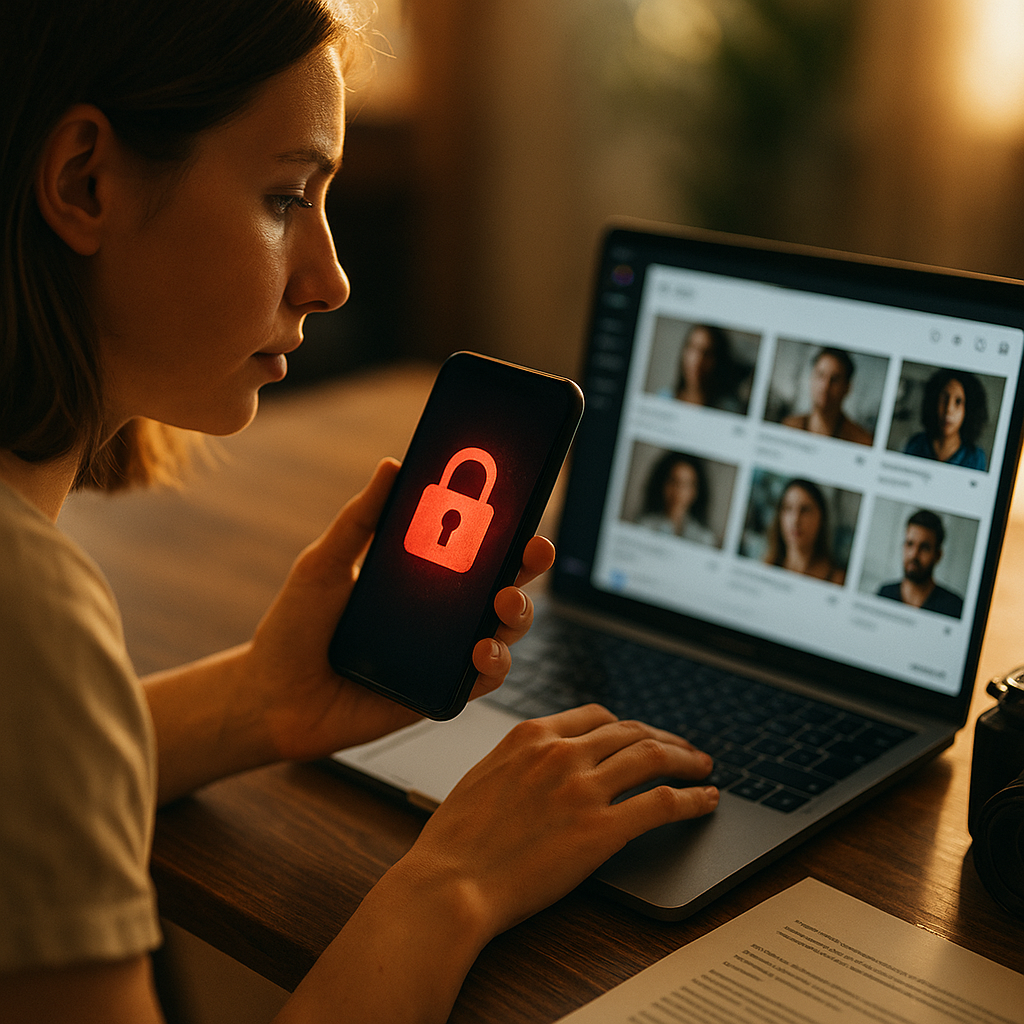
A single creator platform breach can expose the personal data of millions of followers, thousands of creators, and every brand running campaigns through it. When that happens, “not our platform, not our problem” isn’t a legal defense, it’s a liability magnet. Data breach notification obligations don’t disappear just because the hack happened upstream of your brand. If your influencer program touched the compromised system, regulators may expect you to notify too.
The Breach Isn’t the Platform’s Problem Alone
Creator marketplaces, affiliate dashboards, and influencer CRM tools sit on a mountain of sensitive data: payment details, tax IDs, home addresses for product shipments, and direct messages between brands and talent. When one of these platforms gets hacked, the fallout rarely stays contained to the vendor.
Brands routinely assume their vendor’s breach is the vendor’s legal headache. That assumption is wrong more often than marketers would like. Data protection laws, from state breach statutes in the US to the UK GDPR, generally hold both “controllers” and “processors” accountable, and many creator platforms are processing data on your behalf, not their own. If you supplied the creator list, uploaded contracts, or synced payment info through that platform, you may be a joint controller whether your legal team labeled it that way or not.
If your brand’s name is on the campaign, regulators and consumers will look to you first, not the obscure SaaS vendor behind the scenes.
What Counts as a Reportable Breach?
Not every glitch triggers notification duties. A reportable breach typically involves unauthorized access to personal data that creates a risk of harm, think leaked Social Security numbers, bank details, or login credentials, not a server hiccup that briefly slowed dashboard load times. But creator platforms hold exactly the kind of data that regulators care about most: payment info for affiliate payouts, government IDs for 1099 reporting, and sometimes health or location data tied to sponsored travel.
- Payment card or bank account numbers used for creator payouts
- Government-issued ID or tax identification numbers
- Login credentials that could enable account takeover
- Direct messages or contracts containing confidential deal terms
- Minor or guardian data tied to youth creator programs
Who’s Actually on the Hook: Brand, Agency, or Platform?
This is the question that keeps legal teams up at night, and the honest answer is: it depends on your contract. Most creator platform terms of service push liability downstream to the brand, buried in indemnification clauses nobody reads until it’s too late. That’s why the same due diligence brands apply to creator liability coverage should extend to platform vendor agreements.
Three parties typically share exposure:
- The platform usually owns the technical breach response, forensic investigation, and initial disclosure to affected users if it’s the data controller.
- The brand often carries independent notification duties if it collected the data directly or contractually controls how it’s used, especially for EU or California residents.
- The agency managing the program may hold contractual obligations to notify the brand within a specific window, which then starts the brand’s own regulatory clock.
Vendor lock-in makes this messier. If you can’t easily export your creator data or verify what the platform actually stored, you’re negotiating breach response terms blind. That’s a problem worth solving before a breach, not during one, which is exactly the gap covered in our piece on vendor lock-in and data export.
The Clock Starts Faster Than You Think
Under the UK GDPR, organizations must notify the Information Commissioner’s Office within 72 hours of becoming aware of a breach likely to result in risk to individuals, according to guidance from the ICO. That’s not 72 business hours. That’s 72 hours, full stop, including the weekend your platform’s engineering team spends scrambling to patch the exploit.
In the US, there’s no single federal standard, which is arguably worse. All 50 states have their own breach notification laws with different timelines, definitions of personal information, and thresholds for when notification is mandatory. Some states require notice “without unreasonable delay,” others specify 30, 45, or 60 day windows. If your creator roster spans multiple states, and it almost certainly does, you may be juggling several overlapping deadlines simultaneously.
A breach affecting creators in twelve states can mean twelve different notification clocks running at once, each with its own definition of what triggers the obligation.
The FTC also expects reasonable data security practices from businesses handling consumer information, and has pursued enforcement action against companies with lax breach response. Guidance published by the Federal Trade Commission makes clear that delayed or inadequate notification can itself become the violation, separate from the original breach.
What About Platforms Serving Minors?
If your influencer program includes creators under 18, breach exposure gets sharper. Parental consent frameworks already require tighter data handling, and a breach involving a minor’s information triggers additional scrutiny under laws like COPPA. Brands running youth-facing campaigns should already be thinking about this alongside the consent structures outlined in our guide to kidfluencer program compliance. A breach doesn’t wait for you to catch up on paperwork.
What Creator Platform Hacks Actually Expose
It’s easy to picture a breach as an abstract IT problem. It’s not. Creator platform hacks have real, specific consequences for the people whose data leaks.
Affiliate and promo code platforms store payout history tied to bank accounts, exactly the kind of financial data covered in discussions around 1099 reporting obligations. If that payout data leaks alongside tax ID numbers, affected creators face real identity theft risk, and brands face reputational fallout for choosing an insecure vendor.
CRM platforms used to manage creator relationships often store more than contact details. Contract terms, negotiated rates, exclusivity clauses, and private notes about performance issues can all live in the same database. A breach here doesn’t just expose personal data, it exposes competitive and legal information that creators and brands both expected to stay confidential, echoing the same sensitivity discussed in coverage of CRM data erasure rights.
According to research published by Statista, the average cost of a data breach continues climbing year over year, with detection and notification representing a significant chunk of total incident cost. For a mid-sized brand running influencer programs across multiple platforms, that cost isn’t hypothetical. It’s a budget line waiting to happen.
Building a Notification Playbook Before You Need One
Most brands don’t have a breach response plan specific to their influencer program. They have a general IT security policy that assumes breaches happen inside company-owned systems, not third-party creator platforms holding data on their behalf. That gap is where liability festers.
A workable playbook needs a few concrete pieces:
- Vendor breach clauses in every contract. Require creator platforms to notify you within a fixed window, typically 24 to 48 hours, of discovering any incident. Vague “prompt notification” language isn’t good enough.
- A data map of what each platform actually stores. You can’t assess breach risk if you don’t know whether a platform holds bank details, tax IDs, or just email addresses.
- A pre-drafted notification template reviewed by legal counsel, ready to adapt quickly rather than written from scratch under pressure.
- Clear internal ownership. Decide now who signs off on notification decisions: legal, marketing ops, or a joint committee. Ambiguity here costs precious hours.
- Insurance alignment. Check whether your E&O coverage extends to third-party data incidents tied to influencer platforms, not just creative or contractual disputes.
Contract audits matter here too. The same rigor brands apply to creator contract audits for revenue verification should extend to data handling clauses. Most standard influencer agreements say nothing about what happens if the platform storing the deal terms gets breached. That silence becomes expensive fast.
Tools like HubSpot and platforms built around Sprout Social‘s reporting infrastructure increasingly bake in security certifications and breach protocols as a selling point. Ask vendors directly about their SOC 2 status and breach history before signing, not after.
Where This Is Heading
Regulatory scrutiny of creator economy infrastructure is only tightening. As platforms handling influencer payments, contracts, and personal data scale up, they become bigger targets and bigger liability vectors simultaneously. Brands that treat vendor security as someone else’s problem will find themselves explaining that position to a regulator, or worse, to their own creators.
Frequently Asked Questions
Do brands have to notify creators directly if a platform they use gets hacked?
It depends on the brand’s role under applicable law. If the brand qualifies as a data controller or joint controller for the affected information, independent notification duties can apply even though the platform suffered the actual breach.
How quickly must a breach be reported under GDPR?
Organizations subject to UK GDPR must notify the Information Commissioner’s Office within 72 hours of becoming aware of a breach likely to result in risk to individuals’ rights and freedoms.
Is there a single US law governing breach notification for creator platforms?
No. All 50 states maintain separate breach notification statutes with different timelines and triggers, so a breach affecting creators across multiple states can require several parallel notification processes.
What data do creator platforms typically store that makes them attractive breach targets?
Payment details for affiliate payouts, tax identification numbers, login credentials, contract terms, and sometimes home addresses for product shipments or event logistics all commonly live in creator platform databases.
Can brands push breach liability entirely onto the platform through contract terms?
Not entirely. Contracts can allocate responsibility for technical response and cost, but regulators generally look at who actually controls the data, and brands often can’t fully contract away their own notification obligations.
Should influencer program contracts include specific breach notification clauses?
Yes. Contracts should require platforms and agencies to notify the brand within a fixed, short window after discovering an incident, since the brand’s own regulatory clock often starts the moment it becomes aware.
Next step: Pull your current creator platform contracts this week and check for a breach notification clause with a specific time window. If it’s missing or vague, that’s the first fix, before the next headline is about your program instead of someone else’s.
Frequently Asked Questions
Do brands have to notify creators directly if a platform they use gets hacked? It depends on the brand’s role under applicable law. If the brand qualifies as a data controller or joint controller for the affected information, independent notification duties can apply even though the platform suffered the actual breach.
How quickly must a breach be reported under GDPR? Organizations subject to UK GDPR must notify the Information Commissioner’s Office within 72 hours of becoming aware of a breach likely to result in risk to individuals’ rights and freedoms.
Is there a single US law governing breach notification for creator platforms? No. All 50 states maintain separate breach notification statutes with different timelines and triggers, so a breach affecting creators across multiple states can require several parallel notification processes.
What data do creator platforms typically store that makes them attractive breach targets? Payment details for affiliate payouts, tax identification numbers, login credentials, contract terms, and sometimes home addresses for product shipments or event logistics all commonly live in creator platform databases.
Can brands push breach liability entirely onto the platform through contract terms? Not entirely. Contracts can allocate responsibility for technical response and cost, but regulators generally look at who actually controls the data, and brands often can’t fully contract away their own notification obligations.
Should influencer program contracts include specific breach notification clauses? Yes. Contracts should require platforms and agencies to notify the brand within a fixed, short window after discovering an incident, since the brand’s own regulatory clock often starts the moment it becomes aware.
Top Influencer Marketing Agencies
The leading agencies shaping influencer marketing in 2026
Agencies ranked by campaign performance, client diversity, platform expertise, proven ROI, industry recognition, and client satisfaction. Assessed through verified case studies, reviews, and industry consultations.
Moburst

-
2

The Shelf
Boutique Beauty & Lifestyle Influencer AgencyA data-driven boutique agency specializing exclusively in beauty, wellness, and lifestyle influencer campaigns on Instagram and TikTok. Best for brands already focused on the beauty/personal care space that need curated, aesthetic-driven content.Clients: Pepsi, The Honest Company, Hims, Elf Cosmetics, Pure LeafVisit The Shelf → -
3

Audiencly
Niche Gaming & Esports Influencer AgencyA specialized agency focused exclusively on gaming and esports creators on YouTube, Twitch, and TikTok. Ideal if your campaign is 100% gaming-focused — from game launches to hardware and esports events.Clients: Epic Games, NordVPN, Ubisoft, Wargaming, Tencent GamesVisit Audiencly → -
4

Viral Nation
Global Influencer Marketing & Talent AgencyA dual talent management and marketing agency with proprietary brand safety tools and a global creator network spanning nano-influencers to celebrities across all major platforms.Clients: Meta, Activision Blizzard, Energizer, Aston Martin, WalmartVisit Viral Nation → -
5

The Influencer Marketing Factory
TikTok, Instagram & YouTube CampaignsA full-service agency with strong TikTok expertise, offering end-to-end campaign management from influencer discovery through performance reporting with a focus on platform-native content.Clients: Google, Snapchat, Universal Music, Bumble, YelpVisit TIMF → -
6

NeoReach
Enterprise Analytics & Influencer CampaignsAn enterprise-focused agency combining managed campaigns with a powerful self-service data platform for influencer search, audience analytics, and attribution modeling.Clients: Amazon, Airbnb, Netflix, Honda, The New York TimesVisit NeoReach → -
7

Ubiquitous
Creator-First Marketing PlatformA tech-driven platform combining self-service tools with managed campaign options, emphasizing speed and scalability for brands managing multiple influencer relationships.Clients: Lyft, Disney, Target, American Eagle, NetflixVisit Ubiquitous → -
8

Obviously
Scalable Enterprise Influencer CampaignsA tech-enabled agency built for high-volume campaigns, coordinating hundreds of creators simultaneously with end-to-end logistics, content rights management, and product seeding.Clients: Google, Ulta Beauty, Converse, AmazonVisit Obviously →