


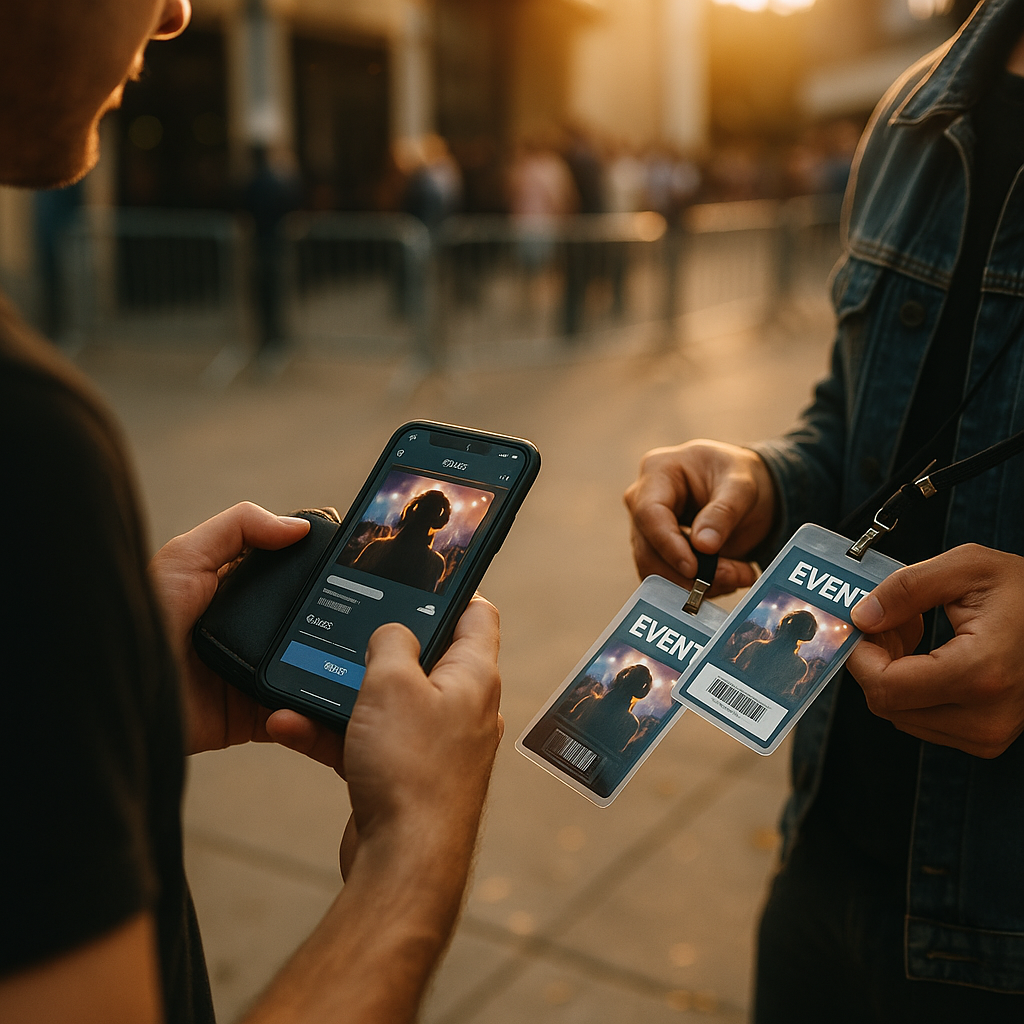
Grand Slam organizers issued thousands of media credentials this year, and by the second week, at least a dozen “verified” creators were caught reselling floor passes, faking press badges, or posting from zones they never had clearance to enter. US Open credential chaos wasn’t a one-off scandal. It was a preview of what happens when brands and events treat creator access like a guest list instead of a compliance function.
If your team sends creators to red carpets, trade shows, or stadium suites, this is the checklist you needed before the last event, not after the next one.
Why a Tennis Tournament Became a Case Study in Creator Risk
The US Open isn’t unique. It’s just visible. High-profile events attract high volumes of credential requests, and organizers under pressure to fill influencer lounges often skip the vetting rigor they’d apply to traditional press. This year, several agencies admitted they’d sub-contracted credential fulfillment to third-party talent brokers who never confirmed follower authenticity, contractual scope, or even identity.
The result: creators showed up with passes tied to brands they’d never signed agreements with, posted sponsored content from restricted areas, and in at least two documented cases, sold their badges to unaffiliated influencers on secondary marketplaces. That’s not a PR footnote. That’s a liability event for every brand whose name got attached to the credential.
When credential access becomes transferable currency instead of a vetted, contractual privilege, brands lose control of who represents them and where.
This mirrors a broader pattern our team flagged in event creator credentialing gaps: most brands still treat credentialing as a logistics task, not a legal one. That distinction is exactly what turned a tennis tournament into a compliance case study.
What Actually Went Wrong (And Why It Wasn’t an Accident)
Three failures compounded into the mess:
- No chain of custody. Credentials passed through multiple intermediaries with no verification step at each handoff.
- No contractual scope tied to the badge. A credential granted physical access but said nothing about content rights, disclosure obligations, or brand exclusivity.
- No real-time revocation mechanism. Once a badge left the building, there was no way to deactivate it if the creator violated terms.
Sound familiar? It should. It’s the same structural gap we’ve seen in IRL influencer event risk and in ambassador programs where contract scope gets murky. Physical access and content obligations are two different things, and most event teams only manage one of them.
The Compliance Checklist Brands Actually Need
Here’s the operational fix, broken into the four control points that would have stopped the US Open situation before it started.
1. Verify Before You Credential
Never delegate identity and follower verification to a third-party ticketing or PR vendor without an audit trail. Confirm:
- The creator’s platform identity matches the legal name on file
- Audience authenticity has been checked (not just follower count, but engagement patterns)
- The creator has no active brand-safety flags from prior campaigns
Tools like Sprout Social and comparable social listening platforms can flag inconsistent engagement or bot-heavy audiences before you ever issue a badge.
2. Tie the Credential to a Signed Rider
A physical badge without a contract is just a piece of laminated plastic. Every credential should be paired with a signed rider that specifies:
- Which zones the creator can access and film in
- Disclosure requirements for any sponsored content produced onsite
- Content usage rights and exclusivity windows
- Explicit non-transferability language
This is the same discipline that governs political content riders and other high-sensitivity creator agreements. If your legal team already builds riders for controversial content categories, extend that same rigor to physical event access.
Non-Transferability Isn’t Optional Anymore
The resale problem at the US Open happened because badges were treated as objects, not agreements. A credential should function more like a licensed asset than a ticket. Build language into every rider stating that transfer, resale, or lending of the credential voids the agreement and triggers immediate revocation plus financial penalty.
Pair that with a physical or digital verification step at each checkpoint (QR code tied to a live database, not a static barcode) so security staff can confirm identity in real time, not just scan for validity.
Insurance and Liability: Who Pays When It Goes Wrong?
If a credentialed creator causes a safety incident, posts something defamatory, or breaches an NDA while wearing your brand’s lanyard, who’s on the hook? Increasingly, it’s the brand, not the event organizer.
This is why E&O insurance riders matter for event-based creator work specifically. Standard influencer contracts often don’t address physical premises liability, and general event insurance rarely covers content-related disputes. You need both, and you need them to reference each other explicitly in the contract language.
A credential that lacks tied insurance coverage is a brand exposure waiting for a headline.
According to industry data compiled by eMarketer, brand spend on live event influencer activations has grown steadily as marketers chase authentic, real-time content. But that growth has outpaced the legal infrastructure supporting it. Most brands are scaling event creator programs faster than they’re scaling the contracts that protect them.
Worker Classification Doesn’t Disappear at the Door
Here’s a wrinkle most event teams miss: if a creator is compensated for event coverage (even with free credentials and travel instead of cash), that arrangement can trigger the same misclassification scrutiny that applies to any paid engagement. The FTC doesn’t care whether compensation was cash or in-kind access. Disclosure obligations apply either way.
This connects directly to the broader classification issues we’ve covered in retention bonus and misclassification risk. Event credentials, hotel comps, and hospitality suites are all forms of compensation. Treat them that way in your documentation, or risk an audit finding that your “gifted” creator was actually an undisclosed paid endorser.
Building the Revocation Protocol Nobody Wants to Think About
The most overlooked piece of event credentialing is the exit plan. What happens when a creator violates terms mid-event? Most organizers have no answer beyond “security will handle it,” which usually means nothing happens until after the damage is public.
A real revocation protocol includes:
- A designated compliance contact onsite with authority to deactivate credentials immediately
- A pre-agreed escalation path (who gets called, in what order, within what timeframe)
- Documentation requirements for any violation, timestamped and stored for legal reference
- A post-event audit comparing issued credentials against actual content output
That last point matters more than people think. If you issued fifty credentials and only forty creators produced compliant content, you need to know why the other ten didn’t, and whether their access was misused in the gap.
What Smart Brands Are Doing Differently Now
Forward-looking marketing teams have started treating event credentials the way they treat platform data access: something to be logged, permissioned, and audited, not handed out on trust. Some are borrowing structure from standardized base contracts used for roster-wide creator agreements, adapting the same template logic to physical event access instead of just content deliverables.
Others are building credential issuance directly into their creator CRM systems, so access requests, contract signatures, and compliance flags live in one place instead of scattered across event agency inboxes and last-minute spreadsheets. Given how often data portability issues already complicate creator program management, adding a fragmented credentialing process on top just multiplies the operational risk.
The brands that get burned at the next major event won’t be the ones who lacked resources. They’ll be the ones who assumed a badge was just a badge.
Frequently Asked Questions
FAQs
What is event based creator access, and why does it need a compliance checklist?
Event based creator access refers to credentials, passes, or hospitality granted to influencers for live event coverage. It needs a compliance checklist because physical access carries legal, liability, and disclosure risks that standard content contracts don’t address.
Who is liable if a credentialed creator violates event rules?
Liability typically falls on whichever brand issued or sponsored the credential, especially if the creator was compensated with access, travel, or hospitality in exchange for coverage. Contracts should explicitly assign responsibility and insurance coverage.
Do free event credentials count as compensation under FTC rules?
Yes. The FTC treats free access, travel, and hospitality as a material connection requiring disclosure, the same as cash payment. Brands must ensure creators disclose sponsored access regardless of payment form.
Can event credentials legally be made non-transferable?
Yes, and they should be. A signed rider stating that credentials are non-transferable, with penalties for resale or lending, gives brands and event organizers legal grounds to revoke access and pursue damages if violated.
What insurance should brands require for event creator programs?
Brands should require E&O coverage that specifically addresses content-related disputes plus event premises liability, since general influencer contracts and standard event insurance rarely cover both.
The next major event on your calendar is a test of whether your credentialing process is a workflow or a liability. Build the rider, assign the revocation authority, and confirm insurance coverage before a single badge goes out the door.
Top Influencer Marketing Agencies
The leading agencies shaping influencer marketing in 2026
Agencies ranked by campaign performance, client diversity, platform expertise, proven ROI, industry recognition, and client satisfaction. Assessed through verified case studies, reviews, and industry consultations.
Moburst

-
2

The Shelf
Boutique Beauty & Lifestyle Influencer AgencyA data-driven boutique agency specializing exclusively in beauty, wellness, and lifestyle influencer campaigns on Instagram and TikTok. Best for brands already focused on the beauty/personal care space that need curated, aesthetic-driven content.Clients: Pepsi, The Honest Company, Hims, Elf Cosmetics, Pure LeafVisit The Shelf → -
3

Audiencly
Niche Gaming & Esports Influencer AgencyA specialized agency focused exclusively on gaming and esports creators on YouTube, Twitch, and TikTok. Ideal if your campaign is 100% gaming-focused — from game launches to hardware and esports events.Clients: Epic Games, NordVPN, Ubisoft, Wargaming, Tencent GamesVisit Audiencly → -
4

Viral Nation
Global Influencer Marketing & Talent AgencyA dual talent management and marketing agency with proprietary brand safety tools and a global creator network spanning nano-influencers to celebrities across all major platforms.Clients: Meta, Activision Blizzard, Energizer, Aston Martin, WalmartVisit Viral Nation → -
5

The Influencer Marketing Factory
TikTok, Instagram & YouTube CampaignsA full-service agency with strong TikTok expertise, offering end-to-end campaign management from influencer discovery through performance reporting with a focus on platform-native content.Clients: Google, Snapchat, Universal Music, Bumble, YelpVisit TIMF → -
6

NeoReach
Enterprise Analytics & Influencer CampaignsAn enterprise-focused agency combining managed campaigns with a powerful self-service data platform for influencer search, audience analytics, and attribution modeling.Clients: Amazon, Airbnb, Netflix, Honda, The New York TimesVisit NeoReach → -
7

Ubiquitous
Creator-First Marketing PlatformA tech-driven platform combining self-service tools with managed campaign options, emphasizing speed and scalability for brands managing multiple influencer relationships.Clients: Lyft, Disney, Target, American Eagle, NetflixVisit Ubiquitous → -
8

Obviously
Scalable Enterprise Influencer CampaignsA tech-enabled agency built for high-volume campaigns, coordinating hundreds of creators simultaneously with end-to-end logistics, content rights management, and product seeding.Clients: Google, Ulta Beauty, Converse, AmazonVisit Obviously →