


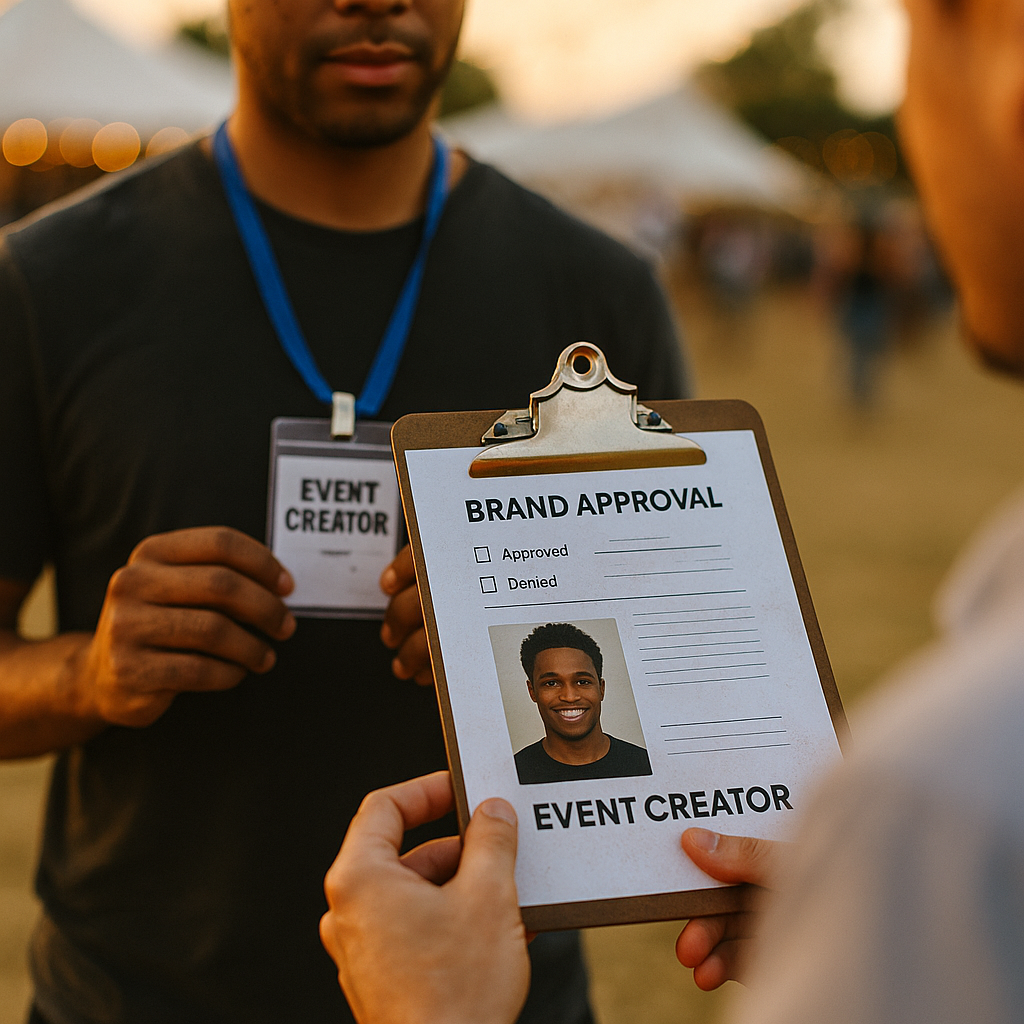
Two credentialed “creators” got escorted out of Arthur Ashe Stadium mid-match this year, and at least one brand partnership tied to their content had to be scrubbed within hours. Brand safety failures like this don’t happen because nobody had a policy. They happen because nobody stress-tested the policy against a real, chaotic, high-visibility event. The US Open creator credentialing missteps are a case study every brand marketer running influencer programs at live events should be studying right now.
What Actually Went Wrong
The details matter here, so let’s be precise. The USTA expanded its creator credentialing program to bring in TikTok and YouTube personalities alongside traditional press, a smart move on paper. Live sports properties have been chasing creator-driven reach for a couple of seasons now, and tennis needed the boost. But the vetting process reportedly relied on follower counts and platform verification badges rather than any real background check or content-history review. At least one credentialed creator had a history of harassment complaints. Another used sideline access to film content that violated the tournament’s own sponsorship exclusivity terms, putting several official partners in an awkward spot.
None of this is exotic. It’s the same failure mode brands see when they skip vetting on smaller influencer campaigns, just scaled up to a stage with global broadcast cameras pointed at it.
Credentialing a creator is functionally the same as signing a partnership contract. If your vetting process wouldn’t survive a media inquiry, it’s not a vetting process, it’s a hope.
Why Brands Should Care About Someone Else’s Event
Here’s the part that should make brand safety teams uncomfortable: your sponsorship logo doesn’t disappear just because the credentialing mistake was the event organizer’s, not yours. Sponsors attached to the US Open faced the exact same reputational exposure as if they’d booked the creator directly. Consumers, journalists, and competitors don’t parse the org chart of who issued the badge. They just see your brand next to the controversy.
This is the uncomfortable truth about event-based influencer activations. When you sponsor a tournament, a festival, or an award show that includes a creator program, you inherit their vetting decisions whether you signed off on them or not. Brand teams that treat event credentialing as “someone else’s problem” are the same ones scrambling to issue statements when it blows up.
The Vetting Gap Nobody Budgets For
Most brand influencer programs have decent vetting for creators they hire directly. Background checks, content audits, sometimes even sentiment analysis on past brand mentions. But that rigor evaporates the moment a third party (an event organizer, a network, a talent agency bundling a roster) hands over an already-approved list. Marketing teams accept the list because auditing it themselves feels redundant, or because the timeline is too tight to push back.
That’s exactly the gap that bit sponsors at the US Open. A recent eMarketer analysis on creator marketing spend shows brands are pouring more budget into experiential and event-based creator activations every year, yet due diligence spend hasn’t scaled proportionally. You’re spending more on reach and less, relatively, on risk reduction. That math eventually catches up with you.
A few questions every brand should be asking before signing off on a third-party credentialing list:
- Who ran the background check, and what did it actually screen for?
- Does the organizer’s exclusivity language conflict with our own sponsorship contract terms?
- What’s the takedown protocol if a credentialed creator posts something off-brand mid-event?
- Do we have contractual recourse against the organizer if their vetting failure damages our brand?
If your team can’t answer all four in under five minutes, you don’t have a credentialing safety net. You have a liability.
Contracts Still Win the Day
The fastest fix isn’t a new AI vetting tool (though those help). It’s contract language. Sponsorship agreements with events that run their own creator credentialing programs need explicit indemnification clauses, content approval rights, and a defined response window for pulling access if a creator violates terms. Too many sponsorship deals were negotiated years before creator programs existed and never got updated riders for this exact scenario.
This mirrors a pattern we’ve covered before with brand ambassador deals: standardized paperwork prevents most disasters. If you haven’t reviewed your base contract templates for creator partnerships in the past year, event or otherwise, that’s your first action item after reading this.
Insurance is the other lever brands underuse. Errors and omissions coverage designed for creator liability exposure can absorb some of the financial fallout when a third-party credentialing failure damages your brand adjacency. It won’t fix the reputational hit, but it blunts the balance-sheet one. Pair that with insurance riders specific to influencer coverage and you’ve got a real financial backstop instead of crossed fingers.
The Compliance Layer Brands Keep Skipping
Credentialing missteps aren’t just a reputation issue, they’re a compliance issue too. If a credentialed creator posted sponsored content from inside the venue without proper disclosure, that’s an FTC problem that lands on the brand, not just the creator or the event organizer. Anyone who’s followed the FTC’s endorsement guidance updates knows regulators are increasingly comfortable pursuing the brand side of these violations, especially when there’s money changing hands via promo codes or affiliate links.
This connects directly to work we’ve done on promo code compliance and shared FTC liability, and to disclosure placement issues covered in our piece on native ad disclosure gaps. Event-based content is arguably higher risk because it’s live, fast-moving, and rarely gets the same legal review as a planned campaign post. Nobody’s proofreading a TikTok Live from courtside for disclosure language.
Live event content moves too fast for after-the-fact compliance review. If your disclosure process depends on catching problems after they post, you’re already too late.
What Smart Brands Are Doing Differently Now
A handful of marketing teams have already adjusted their playbooks after watching the US Open situation unfold. The pattern is consistent across the ones doing it well:
- They require visibility into the organizer’s vetting criteria before signing any event sponsorship that includes a creator credentialing component, not just a headcount of who’s attending.
- They negotiate a 24-hour content pull right into the sponsorship agreement, so a problematic post can be flagged and removed from the creator’s promotional obligations fast.
- They run their own lightweight background pass on any creator list handed to them, even a “pre-vetted” one, using tools like social listening platforms to check recent post history for red flags.
- They build a rapid-response comms plan specifically for event-day creator issues, separate from their general crisis communications plan, because the timeline compresses from days to hours.
None of this is expensive. It’s operational discipline, and it’s the same discipline brands have already had to build for other creator risk categories. If your legal team has already tackled non-compete clauses or ambassador program classification risk, extending that rigor to event credentialing is a natural next step, not a new department.
A Quick Gut Check Before Your Next Event Sponsorship
Before signing on to any event with a creator credentialing component, run this short internal audit: Who owns vetting decisions? What’s our contractual exit if they fail? Who monitors content in real time during the event? And who has authority to pull sponsorship branding if things go sideways publicly? If those four answers live in four different people’s heads and nowhere on paper, you’re exposed in exactly the way sponsors at the US Open were.
Brand safety in the creator economy has always been about anticipating the messy middle ground, not the clean campaign brief. Live events are the messiest middle ground there is.
Frequently Asked Questions
FAQs
What is creator credentialing and why does it matter for brand safety?
Creator credentialing is the process event organizers use to grant influencers press-level access to venues, similar to media badges. It matters for brand safety because sponsors are visually and reputationally linked to whatever those credentialed creators post, regardless of who approved their access.
Can a brand be held liable for a creator it didn’t hire directly?
Yes, particularly around FTC disclosure requirements. If a credentialed creator posts sponsored content without proper disclosure at a branded event, regulators and the public often hold the sponsoring brand accountable alongside the creator and the event organizer.
What should be included in an event sponsorship contract to reduce creator risk?
Look for indemnification clauses covering third-party creator conduct, content approval or review rights, a defined rapid-response window for pulling problematic content, and clear disclosure of the organizer’s vetting criteria before signing.
How is event-based creator risk different from standard influencer campaign risk?
Event content is live and fast-moving, which compresses your response window from days to hours. There’s also less control since the organizer, not the brand, typically owns the credentialing and vetting process.
What immediate steps can a brand take to avoid similar credentialing missteps?
Request the organizer’s vetting criteria in writing, run an independent content-history check on any credentialed creator list, negotiate a fast content-pull clause, and confirm your errors and omissions insurance extends to event-based creator partnerships.
The next major sporting or entertainment event on your sponsorship calendar is your test run: demand the organizer’s vetting criteria in writing, add a content-pull clause to your contract, and confirm your insurance covers third-party credentialing failures before you sign anything.
Top Influencer Marketing Agencies
The leading agencies shaping influencer marketing in 2026
Agencies ranked by campaign performance, client diversity, platform expertise, proven ROI, industry recognition, and client satisfaction. Assessed through verified case studies, reviews, and industry consultations.
Moburst

-
2

The Shelf
Boutique Beauty & Lifestyle Influencer AgencyA data-driven boutique agency specializing exclusively in beauty, wellness, and lifestyle influencer campaigns on Instagram and TikTok. Best for brands already focused on the beauty/personal care space that need curated, aesthetic-driven content.Clients: Pepsi, The Honest Company, Hims, Elf Cosmetics, Pure LeafVisit The Shelf → -
3

Audiencly
Niche Gaming & Esports Influencer AgencyA specialized agency focused exclusively on gaming and esports creators on YouTube, Twitch, and TikTok. Ideal if your campaign is 100% gaming-focused — from game launches to hardware and esports events.Clients: Epic Games, NordVPN, Ubisoft, Wargaming, Tencent GamesVisit Audiencly → -
4

Viral Nation
Global Influencer Marketing & Talent AgencyA dual talent management and marketing agency with proprietary brand safety tools and a global creator network spanning nano-influencers to celebrities across all major platforms.Clients: Meta, Activision Blizzard, Energizer, Aston Martin, WalmartVisit Viral Nation → -
5

The Influencer Marketing Factory
TikTok, Instagram & YouTube CampaignsA full-service agency with strong TikTok expertise, offering end-to-end campaign management from influencer discovery through performance reporting with a focus on platform-native content.Clients: Google, Snapchat, Universal Music, Bumble, YelpVisit TIMF → -
6

NeoReach
Enterprise Analytics & Influencer CampaignsAn enterprise-focused agency combining managed campaigns with a powerful self-service data platform for influencer search, audience analytics, and attribution modeling.Clients: Amazon, Airbnb, Netflix, Honda, The New York TimesVisit NeoReach → -
7

Ubiquitous
Creator-First Marketing PlatformA tech-driven platform combining self-service tools with managed campaign options, emphasizing speed and scalability for brands managing multiple influencer relationships.Clients: Lyft, Disney, Target, American Eagle, NetflixVisit Ubiquitous → -
8

Obviously
Scalable Enterprise Influencer CampaignsA tech-enabled agency built for high-volume campaigns, coordinating hundreds of creators simultaneously with end-to-end logistics, content rights management, and product seeding.Clients: Google, Ulta Beauty, Converse, AmazonVisit Obviously →