


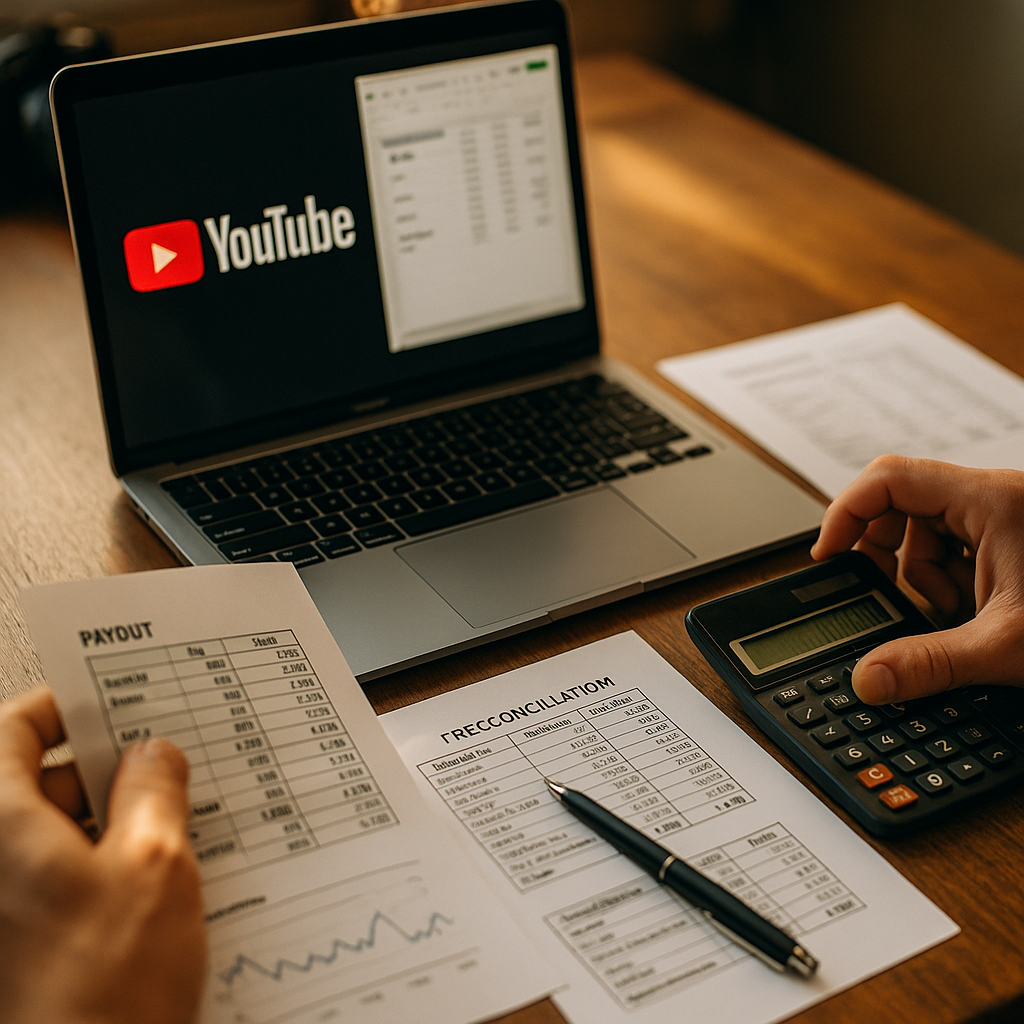
Three platforms. Three commission structures. One reconciliation headache waiting to happen. Euka’s expansion into YouTube Shopping affiliate tools means brands running creator commerce programs on TikTok Shop and Instagram now face a decision they can’t put off: build a real cross-platform operating model, or keep duct-taping spreadsheets together until something breaks during Q4.
The YouTube integration isn’t a minor feature update. It’s a signal that creator commerce infrastructure is consolidating around a handful of platforms that can move payouts, tax documentation, and attribution across three very different ecosystems at once. If your team hasn’t stress-tested what that means operationally, now is the time.
What Euka’s YouTube Move Actually Changes
Euka started as a TikTok Shop affiliate management layer, then added Instagram checkout and creator payouts. YouTube was the obvious next step, given that Google’s shopping tools have been steadily building out affiliate tagging and product tagging for creators over the past several product cycles. The integration lets brands pull YouTube affiliate performance into the same dashboard where they already track TikTok Shop GMV and Instagram commerce links.
That sounds simple. It isn’t. Each platform calculates commission differently, pays on different cycles, and defines “conversion” with slightly different windows. Stitching those together without losing accuracy is the actual work here, not the dashboard itself.
Adding a third commerce platform doesn’t triple your complexity, it multiplies it, because attribution windows, payout cycles, and disclosure rules don’t line up neatly across TikTok Shop, Instagram, and YouTube.
Why Attribution Gets Messier With a Third Platform
TikTok Shop uses a short attribution window built around in-app checkout. Instagram’s commerce links often route through third-party trackers with their own cookie logic. YouTube’s affiliate program leans on Google’s broader measurement stack, which historically has been slower to credit last-touch influencer actions compared to TikTok’s closed-loop system.
Run the same campaign across all three and you’ll get three different stories about what worked. A creator’s YouTube video might drive a search spike that converts on-site three days later, something Instagram or TikTok Shop wouldn’t even register as a related event. Brands that only look at platform-native dashboards will systematically undercount YouTube’s contribution and overcount TikTok Shop’s, simply because of how each system reports.
This is the same fragmentation problem we’ve flagged in the YouTube Shorts vs TikTok CAC comparison, and it gets worse, not better, once you add a real commerce transaction layer on top of raw view and click data.
Commission Structures Don’t Translate
TikTok Shop’s affiliate commissions typically run higher on a percentage basis, often in the 10 to 20 percent range depending on category, because the platform owns the entire checkout flow. Instagram’s commerce commissions vary by brand and are usually negotiated directly. YouTube’s affiliate program tends to mirror standard e-commerce affiliate rates, often lower on a percentage basis but sometimes offset by higher average order values, particularly in categories like electronics, home goods, and long-consideration purchases.
That means the same creator, promoting the same product, might earn meaningfully different amounts depending on which platform drove the sale. Brands need a standardized way to explain this to creators, or risk confusion and, worse, creators quietly deprioritizing the platform that pays them less per unit even if it drives stronger long-term brand equity.
The Operational Checklist Brands Actually Need
Before flipping the switch on YouTube inside Euka or any similar tool, run through this list. It’s the difference between a clean rollout and a finance team that starts asking uncomfortable questions in week three.
- Reconcile payout cycles. TikTok Shop, Instagram, and YouTube pay creators on different schedules. Map them out before promising creators a unified payment date.
- Standardize tax documentation. 1099 thresholds and international tax handling need to be consistent across platforms, or your finance team inherits a manual reconciliation project nobody wants.
- Set platform-specific attribution windows in your reporting. Don’t force a 24-hour TikTok window onto YouTube data. It will make YouTube look artificially weak.
- Update creator contracts. If commission rates differ by platform, that needs to be explicit and easy for creators to understand, not buried in fine print.
- Audit disclosure compliance separately for each platform. YouTube’s disclosure requirements, TikTok’s automatic flagging behavior, and Instagram’s built-in labels all work differently.
On that last point, brands that got burned by inconsistent disclosure practices on TikTok already know how expensive this mistake is. Our TikTok automatic flagging compliance guide covers how platform-side detection can override a creator’s intended labeling, and the same risk now extends to a third channel with its own detection logic.
Compliance Risk Triples Faster Than People Expect
Here’s the uncomfortable math nobody wants to say out loud: adding a platform doesn’t add one compliance workflow, it adds a workflow plus every interaction between that platform and the other two. A creator running the same campaign across TikTok Shop, Instagram, and YouTube now needs disclosure language that satisfies the FTC’s endorsement guidelines in three separate formats, each with different placement rules and character limits.
YouTube in particular has stricter expectations around verbal disclosure in long-form video, something TikTok’s caption-based flagging doesn’t fully replicate. Brands that copy-paste disclosure language across platforms without adjusting for format are taking on unnecessary regulatory exposure. We’ve written before about how disclosure compliance affects reach on Instagram specifically, and that dynamic doesn’t disappear just because you’re now managing a third platform. It compounds.
Where This Fits Into the Broader Creator Commerce Stack
Euka isn’t operating in a vacuum. The IAB’s work on creator marketplace standardization has been pushing toward exactly this kind of cross-platform interoperability, and tools like Euka are effectively racing to build the infrastructure before a formal industry standard forces everyone’s hand. Brands that adopt early get a head start on process, but they also absorb more of the growing pains.
According to eMarketer’s creator economy research, social commerce spend continues climbing across platforms, and the brands seeing the strongest returns are the ones treating creator commerce as a unified budget line rather than three separate platform experiments. That’s easier said than done when the underlying tooling is still catching up.
Worth noting: this isn’t just a TikTok Shop and YouTube story. Live commerce is following a similar trajectory. Our TikTok Shop live cadence playbook and the Twitch shopping extensions guide both point to the same pattern: platforms building commerce features faster than brands can build the operational muscle to manage them across channels simultaneously.
What Brands Should Actually Do Before Turning On YouTube
Don’t flip the switch on all creators at once. Pilot the YouTube integration with a small cohort, maybe five to ten creators who already perform well on your other platforms, and run it for a full payout cycle before scaling. This lets your finance and compliance teams catch reconciliation issues while the stakes are still low.
Assign someone specific ownership over cross-platform reporting. If your current setup has one person managing TikTok Shop and a different person managing Instagram commerce, adding YouTube without consolidating that ownership will guarantee inconsistent reporting to leadership. According to Sprout Social’s research on social media team structures, cross-platform accountability gaps are one of the most common causes of measurement drift in multi-channel programs.
Finally, revisit your creator briefing templates. A brief written for TikTok Shop’s fast-paced, short-form checkout flow won’t translate cleanly to YouTube’s longer consideration cycle. Creators need platform-specific guidance on how to integrate affiliate links naturally into long-form content without tanking watch time, a concern that doesn’t exist in the same way on TikTok Shop.
Next Step
Pilot Euka’s YouTube integration with a capped creator cohort for one full payout cycle, assign a single owner for cross-platform attribution, and rewrite your disclosure language per platform before scaling spend. Get the operational plumbing right now, while volume is low, rather than discovering the gaps during a high-spend campaign.
Frequently Asked Questions
What is Euka’s YouTube integration?
It’s an expansion of Euka’s creator commerce platform, which previously supported TikTok Shop and Instagram, to include YouTube’s affiliate shopping tools. Brands can now track creator commissions, payouts, and performance data for YouTube alongside their existing platforms in one dashboard.
Why does adding a third platform complicate attribution?
Each platform uses different attribution windows and conversion tracking logic. TikTok Shop relies on a closed-loop, short-window system, Instagram often uses third-party tracking links, and YouTube leans on Google’s broader measurement stack, which can credit conversions differently and on a delay. Comparing raw numbers across platforms without adjusting for these differences leads to inaccurate performance conclusions.
Do commission rates differ between TikTok Shop, Instagram, and YouTube?
Yes. TikTok Shop commissions tend to run higher on a percentage basis because the platform controls the full checkout experience. Instagram commissions are typically negotiated per brand. YouTube’s affiliate commissions often run lower on a percentage basis but can involve higher average order values in certain product categories.
What compliance risks come with a three-platform creator commerce program?
Each platform has different disclosure requirements and detection mechanisms. YouTube expects clear disclosure in long-form video content, TikTok uses automatic flagging that can override creator-chosen labels, and Instagram has its own built-in disclosure tools. Brands need platform-specific disclosure language rather than a single copied template to stay compliant with FTC endorsement guidelines.
How should brands pilot a new platform integration like this?
Start with a small creator cohort, run the integration through at least one full payout cycle, and assign a single team member to own cross-platform reporting before scaling to the full creator roster. This limits financial and compliance risk while the operational process is still being validated.
Top Influencer Marketing Agencies
The leading agencies shaping influencer marketing in 2026
Agencies ranked by campaign performance, client diversity, platform expertise, proven ROI, industry recognition, and client satisfaction. Assessed through verified case studies, reviews, and industry consultations.
Moburst

-
2

The Shelf
Boutique Beauty & Lifestyle Influencer AgencyA data-driven boutique agency specializing exclusively in beauty, wellness, and lifestyle influencer campaigns on Instagram and TikTok. Best for brands already focused on the beauty/personal care space that need curated, aesthetic-driven content.Clients: Pepsi, The Honest Company, Hims, Elf Cosmetics, Pure LeafVisit The Shelf → -
3

Audiencly
Niche Gaming & Esports Influencer AgencyA specialized agency focused exclusively on gaming and esports creators on YouTube, Twitch, and TikTok. Ideal if your campaign is 100% gaming-focused — from game launches to hardware and esports events.Clients: Epic Games, NordVPN, Ubisoft, Wargaming, Tencent GamesVisit Audiencly → -
4

Viral Nation
Global Influencer Marketing & Talent AgencyA dual talent management and marketing agency with proprietary brand safety tools and a global creator network spanning nano-influencers to celebrities across all major platforms.Clients: Meta, Activision Blizzard, Energizer, Aston Martin, WalmartVisit Viral Nation → -
5

The Influencer Marketing Factory
TikTok, Instagram & YouTube CampaignsA full-service agency with strong TikTok expertise, offering end-to-end campaign management from influencer discovery through performance reporting with a focus on platform-native content.Clients: Google, Snapchat, Universal Music, Bumble, YelpVisit TIMF → -
6

NeoReach
Enterprise Analytics & Influencer CampaignsAn enterprise-focused agency combining managed campaigns with a powerful self-service data platform for influencer search, audience analytics, and attribution modeling.Clients: Amazon, Airbnb, Netflix, Honda, The New York TimesVisit NeoReach → -
7

Ubiquitous
Creator-First Marketing PlatformA tech-driven platform combining self-service tools with managed campaign options, emphasizing speed and scalability for brands managing multiple influencer relationships.Clients: Lyft, Disney, Target, American Eagle, NetflixVisit Ubiquitous → -
8

Obviously
Scalable Enterprise Influencer CampaignsA tech-enabled agency built for high-volume campaigns, coordinating hundreds of creators simultaneously with end-to-end logistics, content rights management, and product seeding.Clients: Google, Ulta Beauty, Converse, AmazonVisit Obviously →