


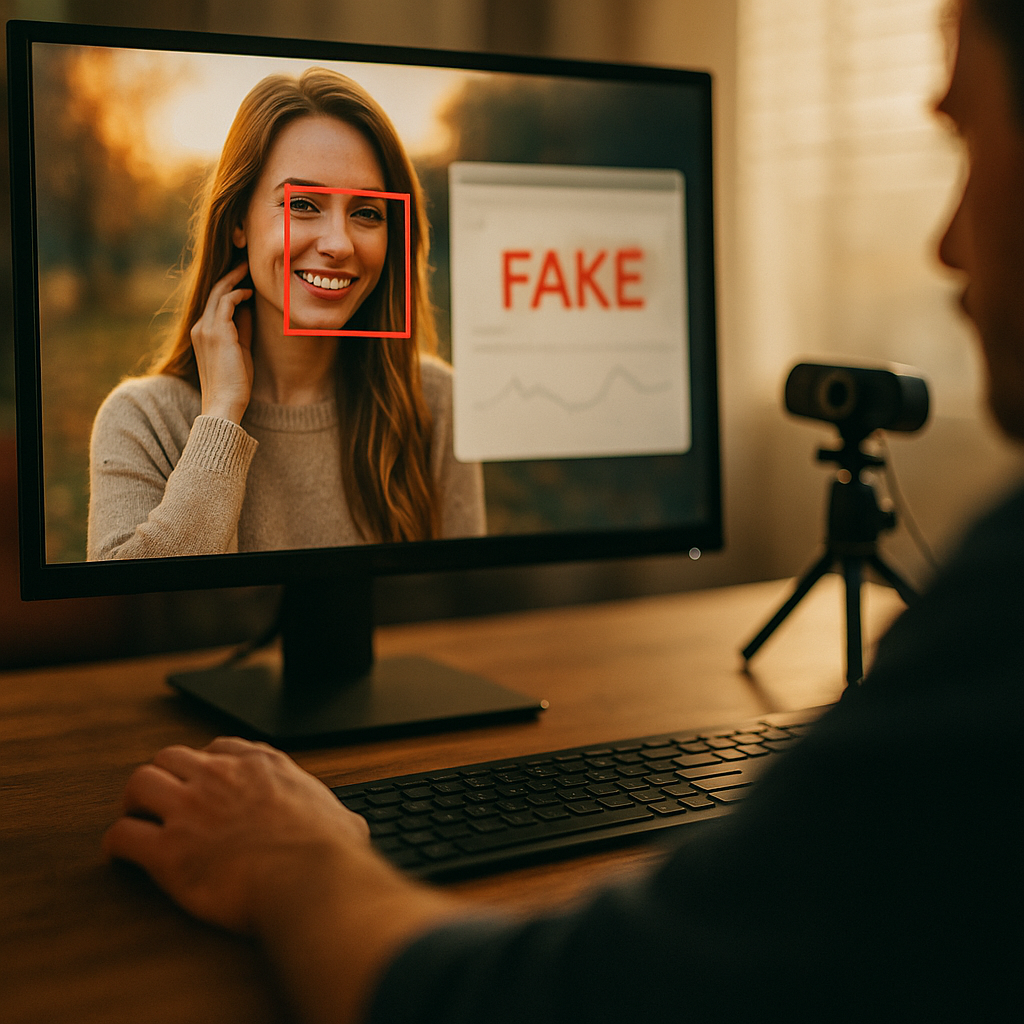
Sixty three billion dollars. That’s roughly what eMarketer estimates brands will funnel into influencer marketing globally, and industry fraud researchers have long warned that a meaningful slice of it rewards content that was never authentic to begin with. Fake followers used to be the whole conversation. Now AI powered fraud detection is expanding into territory most brands haven’t even started auditing: manipulated engagement patterns, synthetic testimonials, and content that never happened the way it claims.
Fake Followers Were Just the Opening Act
For years, “creator vetting” meant running a handle through an audience quality tool and checking the follower to engagement ratio. If the numbers looked clean, the deal moved forward. That approach caught the obvious stuff: bot farms, click farms, purchased followers from Southeast Asian click mills. It did almost nothing to catch the more sophisticated fraud that’s become standard practice among mid-tier creators trying to punch above their real influence.
Here’s the problem. Follower fraud is easy to fake around now. Creators know brands check audience authenticity scores, so they buy followers that pass basic bot detection, then supplement with engagement pods, comment farms, and view manipulation on video content. The follower count looks legitimate. The engagement looks organic. But the content performance driving your ROI calculations is still fabricated, just at a level your existing tools weren’t built to see.
Follower fraud is a numbers problem. Content fraud is a trust problem, and it’s much harder to reverse once a campaign has shipped.
What Content Level Fraud Actually Looks Like
This is where things get uncomfortable for brand teams who thought they’d solved the fraud problem. Content level fraud includes creators who screen record competitor unboxing videos and re-upload with altered branding. It includes purchased comment sections where every “this changed my life” reply comes from the same rotating group of accounts. It includes watch time manipulation on platforms like TikTok and YouTube Shorts, where automated view farms inflate completion rates that then get cited in the creator’s media kit as proof of engagement.
There’s also a newer category: AI generated or AI assisted content dressed up as authentic personal experience. A creator claims to have used a skincare product for six weeks and shows a “before and after,” except the after photo was run through a filter or, increasingly, generated. Our deepfake detection coverage already flagged this risk for fully virtual creators, but the same manipulation techniques are showing up inside human creator content too, just more subtly.
- Recycled or stock footage passed off as original brand experience
- Engagement pods that game algorithmic distribution before organic reach kicks in
- Comment sections seeded with paid or bot generated positive sentiment
- Screenshots of “results” or “sales” that were edited or fabricated entirely
- Synthetic voice or video overlays on real creator footage
How AI Models Catch What Humans Miss
Manual review doesn’t scale against this. A brand safety team reviewing fifty creator posts a week can maybe spot obvious red flags, an inconsistency in lighting, a testimonial that sounds too polished. They cannot detect statistical anomalies in comment timing distribution or cross reference video metadata against a database of known stock footage. That’s a machine job.
Modern fraud detection platforms now run several layers of analysis simultaneously. Computer vision models compare video frames against reverse image and video databases to catch recycled content. Natural language processing flags comment sections with unnatural linguistic patterns, repeated phrasing, or timing clusters that suggest bot posting rather than organic reaction. Audio forensics tools, similar to those covered in our piece on AI voice cloning, can detect synthetic speech patterns even when the visual content looks untouched.
Engagement velocity modeling is another layer worth understanding. Organic content tends to follow predictable engagement curves: a spike shortly after posting, a long tail as the algorithm distributes it further. Fraudulent engagement often shows unnatural spikes, sudden bursts of likes or comments in tight time windows that don’t match normal audience behavior. Tools like HypeAuditor, Traackr, and newer entrants building on large language models are training specifically on these anomaly signatures rather than just follower counts.
If your fraud detection stack still stops at audience authenticity scores, you’re checking the wrong layer of the funnel.
Why This Is a Bigger Risk Than Wasted Spend
Wasted media spend is the easy part to explain to finance. The harder conversation is regulatory exposure. The Federal Trade Commission has made clear that brands share liability when sponsored content misrepresents product experience, and fabricated testimonials or manipulated results fall squarely into that category. If a creator’s “results” post gets flagged as fraudulent and it turns out the brand’s team never verified the underlying content, that’s not just a bad campaign. That’s a compliance file.
The UK’s Information Commissioner’s Office has similarly signaled increasing scrutiny of data practices tied to influencer content, particularly where synthetic media or undisclosed manipulation intersects with consumer protection rules. Brands operating across US and UK markets can’t treat fraud detection as a nice to have. It’s becoming a documented part of due diligence, similar to how legal teams now expect internal AI audit functions to catch martech risk before contracts get signed.
There’s also the reputational angle. Consumers are getting sharper at spotting manipulated content, and when they do, the backlash lands on the brand, not just the creator. A single viral callout thread about a fabricated testimonial can undo months of brand safety work. Sentiment tracking tools that flag when creators are losing viewer trust are increasingly being paired with fraud detection so brands catch the erosion before it becomes a PR problem.
Building a Detection Stack That Actually Matches Your Risk Profile
Not every brand needs enterprise grade forensic tooling. A DTC brand running a handful of micro creator partnerships has a different risk surface than a CPG company running hundreds of campaigns across markets. The starting point is mapping where fraud is most likely to hurt you financially and reputationally, then building detection around that.
Practical steps worth implementing this year:
- Layer content authenticity checks on top of existing audience quality tools rather than replacing them
- Require raw, unedited footage or screen recordings as part of creator contracts, something legal teams are already automating through AI drafted creator contracts
- Run comment sentiment and timing analysis on high spend campaigns before paying out performance bonuses
- Cross reference creator claimed results against actual sales or engagement data using deterministic attribution rather than self reported screenshots
- Build fraud flags into your confidence scoring dashboards so bad matches get caught before renewal, not after
Vendor selection matters here too. Platforms like DoubleVerify and Zefr have expanded from ad verification into creator content adjacency, and specialized influencer fraud tools are increasingly built on the same anomaly detection architecture used in ad fraud prevention. If you’re evaluating new platforms, treat this the same way you’d approach evaluating agentic campaign platforms: pilot before you commit budget, and demand transparency on what the model actually flags versus what it just reports.
For teams building this out internally, Sprout Social and Meta Business Suite both offer engagement anomaly signals worth cross referencing, even if they’re not purpose built fraud detectors. The goal isn’t a single tool that solves everything. It’s a layered system that catches different fraud types at different stages of the campaign lifecycle.
What Good Detection Actually Prevents
Get this right and the payoff isn’t just avoiding embarrassing headlines. It’s cleaner attribution data, more accurate creator scoring for future partnerships, and a defensible compliance record if regulators or platform trust and safety teams come asking questions. Brands that treat fraud detection as core infrastructure, not a bolt on audit, end up with creator rosters that actually perform, because the fraudulent ones get filtered out before they ever get a second contract.
Frequently Asked Questions
What is AI powered fraud detection for creator content?
It refers to machine learning and computer vision tools that analyze creator content itself, not just follower counts, to detect manipulated engagement, recycled footage, fabricated testimonials, and synthetic media within sponsored posts.
How is content fraud different from follower fraud?
Follower fraud involves fake or purchased audiences. Content fraud involves the actual sponsored post being manipulated, whether through recycled footage, bot generated comments, fabricated results, or synthetic voice and video overlays, regardless of whether the follower base is legitimate.
Can brands be held liable for fraudulent creator content?
Yes. Regulators including the FTC have signaled that brands share responsibility when sponsored content misrepresents product experience, even if the creator produced the manipulated material independently.
What tools currently offer content level fraud detection?
Platforms like HypeAuditor and Traackr have expanded beyond audience authenticity into engagement anomaly detection, while ad verification vendors such as DoubleVerify and Zefr are extending similar forensic techniques into creator content adjacency.
Do small brands need enterprise fraud detection tools?
Not necessarily. Smaller brands can start with contractual requirements for raw footage, manual comment audits on high spend campaigns, and basic engagement velocity checks before investing in enterprise grade forensic platforms.
Next step: audit your last quarter of creator content, not just creator audiences, against at least one content level fraud signal before your next renewal cycle locks in budget on partnerships that were never as authentic as their metrics suggested.
Top Influencer Marketing Agencies
The leading agencies shaping influencer marketing in 2026
Agencies ranked by campaign performance, client diversity, platform expertise, proven ROI, industry recognition, and client satisfaction. Assessed through verified case studies, reviews, and industry consultations.
Moburst

-
2

The Shelf
Boutique Beauty & Lifestyle Influencer AgencyA data-driven boutique agency specializing exclusively in beauty, wellness, and lifestyle influencer campaigns on Instagram and TikTok. Best for brands already focused on the beauty/personal care space that need curated, aesthetic-driven content.Clients: Pepsi, The Honest Company, Hims, Elf Cosmetics, Pure LeafVisit The Shelf → -
3

Audiencly
Niche Gaming & Esports Influencer AgencyA specialized agency focused exclusively on gaming and esports creators on YouTube, Twitch, and TikTok. Ideal if your campaign is 100% gaming-focused — from game launches to hardware and esports events.Clients: Epic Games, NordVPN, Ubisoft, Wargaming, Tencent GamesVisit Audiencly → -
4

Viral Nation
Global Influencer Marketing & Talent AgencyA dual talent management and marketing agency with proprietary brand safety tools and a global creator network spanning nano-influencers to celebrities across all major platforms.Clients: Meta, Activision Blizzard, Energizer, Aston Martin, WalmartVisit Viral Nation → -
5

The Influencer Marketing Factory
TikTok, Instagram & YouTube CampaignsA full-service agency with strong TikTok expertise, offering end-to-end campaign management from influencer discovery through performance reporting with a focus on platform-native content.Clients: Google, Snapchat, Universal Music, Bumble, YelpVisit TIMF → -
6

NeoReach
Enterprise Analytics & Influencer CampaignsAn enterprise-focused agency combining managed campaigns with a powerful self-service data platform for influencer search, audience analytics, and attribution modeling.Clients: Amazon, Airbnb, Netflix, Honda, The New York TimesVisit NeoReach → -
7

Ubiquitous
Creator-First Marketing PlatformA tech-driven platform combining self-service tools with managed campaign options, emphasizing speed and scalability for brands managing multiple influencer relationships.Clients: Lyft, Disney, Target, American Eagle, NetflixVisit Ubiquitous → -
8

Obviously
Scalable Enterprise Influencer CampaignsA tech-enabled agency built for high-volume campaigns, coordinating hundreds of creators simultaneously with end-to-end logistics, content rights management, and product seeding.Clients: Google, Ulta Beauty, Converse, AmazonVisit Obviously →