


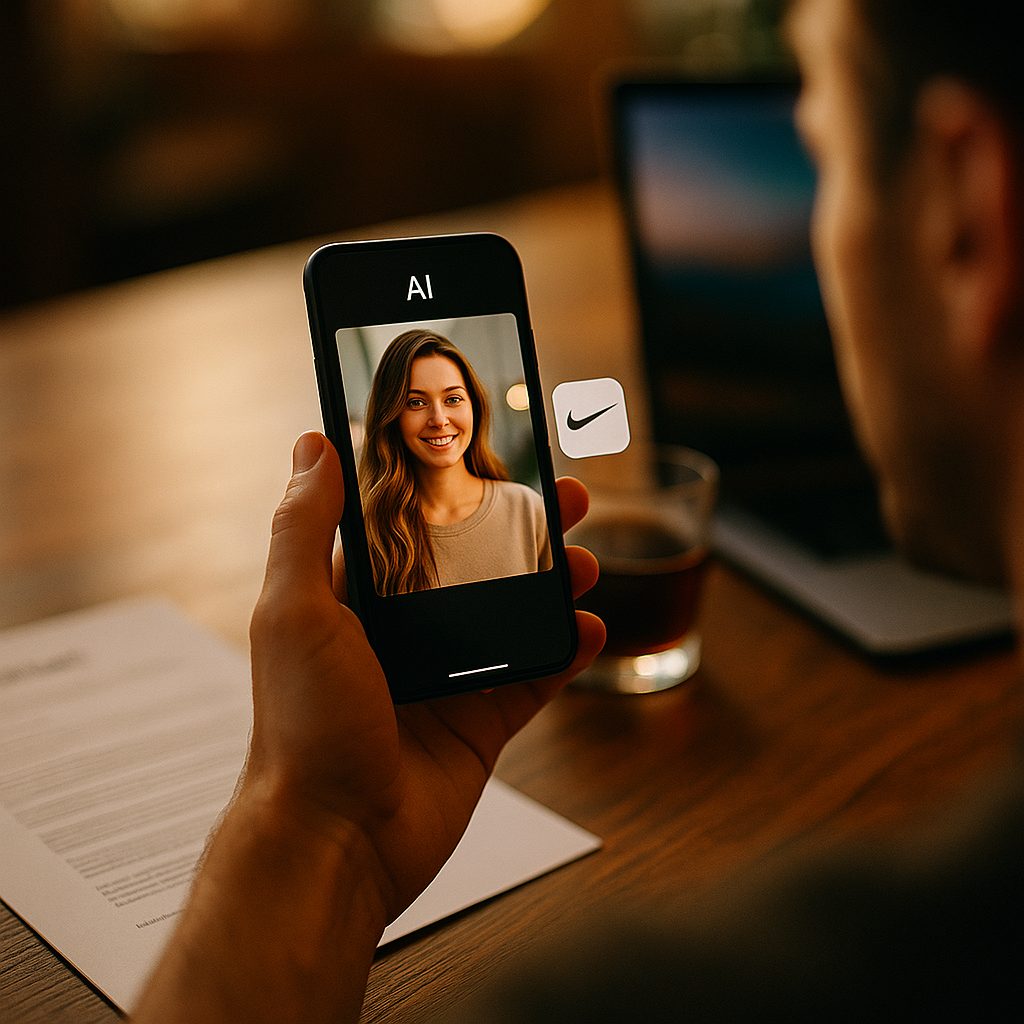
The FTC has penalized companies for fake reviews, hidden #ad tags, and paid endorsements dressed up as organic opinion. Now add this wrinkle: what happens when an AI tool, not a human, inserts the brand mention into a creator’s video? FTC endorsement guidance was written for people endorsing products. It was not written with AI script generators, auto dubbing tools, or algorithmic product placement in mind. That gap is where brand legal teams are now losing sleep.
FTC Endorsement Guidance Was Built for Humans, Not Models
The FTC’s Endorsement Guides, last substantially revised in 2023, focus on one core question: is there a material connection between the endorser and the brand that consumers would not expect? If yes, disclose it. Clearly. Conspicuously. Not buried in a hashtag salad at the bottom of a caption.
That framework assumes a human endorser making a human choice to mention a product. It does not directly address a scenario where an AI editing assistant inserts a brand name into a script, a voice clone reads sponsored copy, or a generative tool auto-suggests product mentions based on a brand’s paid data feed. The guides are technology neutral in theory. In practice, enforcement has lagged the tooling by a wide margin.
The FTC doesn’t care whether a human or an algorithm wrote the sentence. It cares whether the audience understood there was a paid relationship behind it.
That’s the useful shortcut for compliance teams staring down new AI workflows: strip away the technology and ask the old question. Would a reasonable consumer assume this mention was unpaid, organic opinion? If an AI tool is quietly doing the brand’s bidding inside creator content, the answer is almost always no.
Where AI Generated Brand Mentions Actually Show Up in Creator Content
This isn’t a hypothetical. AI is already inserting brand language into creator content in several concrete ways, and most compliance teams haven’t mapped them.
- Script generation tools that creators use to draft video talking points, sometimes pulling from brand briefs or affiliate feeds without flagging the commercial source.
- AI dubbing and voice cloning that inserts localized brand mentions into translated versions of a video, sometimes altering the original disclosure language in the process.
- Auto editing and B-roll insertion tools that can programmatically drop product shots or verbal callouts into existing footage based on sponsorship metadata.
- AI answer engines and chat assistants summarizing creator content and surfacing brand mentions in a synthesized response, stripped of the original disclosure entirely.
- Virtual influencers and AI avatars that deliver endorsement-style content without a human ever having tested or used the product.
Each of these scenarios creates the same underlying risk: a brand mention reaches a consumer without the disclosure context the FTC requires. The creator may not even realize the tool altered the message. That’s the operational nightmare for brands relying on third-party AI tooling inside their influencer programs.
Three Scenarios Compliance Teams Get Wrong
Let’s get specific, because “AI might cause disclosure problems” is too vague to act on.
Scenario one: the AI script tool. A creator uses a generative writing assistant to speed up video scripting. The brand has a content partnership with that tool’s parent company, feeding product talking points directly into the generator. The creator discloses the brand deal in the video but has no idea the script itself was shaped by a second, undisclosed commercial relationship between the brand and the AI vendor. That’s a material connection most audiences would never guess existed.
Scenario two: the dubbed version. A creator posts a properly disclosed sponsored video in English. An AI dubbing service, used by the platform or a distribution partner, creates Spanish and Portuguese versions for wider reach. The disclosure language doesn’t translate cleanly, or gets dropped during the automated process. Now there are three versions of the same sponsored content, and only one meets FTC and equivalent international disclosure standards.
Scenario three: the AI summary. A consumer asks a chatbot to summarize “the best skincare routine according to creators.” The AI pulls from several creator videos, including sponsored ones, and presents a tidy answer with zero disclosure that the underlying content was paid. The brand benefits from the mention. The consumer has no idea it originated as an ad. This is closely related to the disclosure gaps already emerging in AI answer engine placements, where generative search tools strip context from the content they summarize.
Who’s Actually on the Hook?
Here’s the uncomfortable answer: probably the brand, not the AI vendor, and not the creator in most cases.
The FTC has repeatedly signaled that it will pursue the party that benefits from the deceptive endorsement and has the most control over the relationship, which is usually the brand or its agency of record. Creators get warning letters. Brands get investigated. Agencies get named in settlements. If a brand’s AI vendor relationship creates an undisclosed material connection, the brand doesn’t get to point at the software and walk away.
This mirrors the liability questions already playing out around synthetic endorsers and deepfake endorsement liability. In both cases, the technology doesn’t create a liability shield. It just creates a more complicated paper trail for lawyers to untangle after the fact.
If your AI vendor’s involvement in content creation isn’t in your disclosure chain of custody, you don’t have a compliance program, you have a gap waiting to surface in discovery.
Brands that license AI tools for script generation, voice cloning, or auto dubbing need vendor contracts that explicitly address disclosure obligations, not just IP and data use. If you’re licensing an AI matching platform to source and brief creators, the same scrutiny applies. Review your AI matching platform terms the way you’d review any vendor contract that touches consumer-facing disclosure.
Building a Workflow That Actually Catches This
Most brands have a disclosure checklist for human creator content. Captions, verbal mentions, on-screen text, affiliate link labeling. Few have extended that checklist to cover the AI layer sitting underneath the content.
A reasonable starting framework looks like this:
- Map every AI tool touching creator content in your program, from script assistants to dubbing services to platform level recommendation engines.
- Require disclosure persistence in vendor contracts, meaning any AI process that translates, summarizes, or repackages content must preserve the original disclosure language or regenerate an equivalent one.
- Audit AI generated derivatives on a rolling basis, not just the original post. Dubbed versions, clipped versions, and AI summaries all need separate disclosure checks. This is the same discipline brands are applying to evergreen affiliate content audits, extended to AI touchpoints.
- Build sign off into the legal review step rather than treating AI tooling as a creative or production decision made outside compliance’s view. The same escalation logic used in compliance sign off workflows for finfluencer content applies here: catch the issue before publish, not after a complaint.
- Train creators on which AI tools in their own workflow might introduce undisclosed brand relationships, since many creators use generative tools without realizing a brand partnership sits upstream.
None of this requires exotic new legal theory. It requires treating AI tooling as a disclosure risk category with the same seriousness brands already apply to usage rights tracking and UGC licensing. If your team already manages UGC rights chain of custody, extending that same documentation discipline to AI-touched content is a small operational lift with outsized risk reduction.
What Regulators Are Signaling Next
The FTC hasn’t issued AI-specific endorsement rules as of this writing, but its public statements and enforcement actions around deceptive AI practices suggest the agency views its existing authority as broad enough to cover algorithmic mediation of endorsements. The agency’s general guidance resources emphasize substance over mechanism: the method of deception matters less than whether deception occurred.
Industry data backs up the urgency here. eMarketer has tracked accelerating creator adoption of AI production tools, and Statista surveys show rising brand investment in AI-assisted content workflows. None of that adoption curve has been matched by equivalent compliance tooling. Brands are moving faster on AI production than on AI disclosure governance, and that mismatch is exactly where FTC enforcement tends to land.
International regulators are watching too. The UK’s Information Commissioner’s Office has flagged AI transparency as a growing enforcement priority, which matters for any brand running creator programs across US and UK markets simultaneously. A single AI-touched disclosure gap can trigger parallel regulatory exposure in more than one jurisdiction, which is exactly why multi market programs benefit from a global disclosure template library that accounts for AI-mediated content, not just translated captions.
The Bottom Line for Brand and Agency Teams
Treat every AI tool touching creator content as a potential disclosure checkpoint, not a production convenience. Audit your current creator program this quarter for AI touchpoints you haven’t mapped, then update vendor contracts and sign off workflows before an undisclosed AI-generated mention becomes a regulator’s exhibit A.
FAQs
Does the FTC’s Endorsement Guides specifically mention AI generated content?
Not explicitly. The guides are written around the concept of material connections between endorsers and brands, and the FTC has indicated through public statements and enforcement patterns that this framework applies regardless of whether a human or an AI tool generated or inserted the endorsement language.
Who is liable if an AI tool inserts an undisclosed brand mention into creator content?
In most enforcement scenarios, the brand or its agency bears primary liability, since the FTC typically pursues the party benefiting most from the deceptive endorsement and holding the most control over the commercial relationship. Vendor contracts should address this risk explicitly.
Do AI dubbed or translated versions of sponsored content need separate disclosures?
Yes. If an AI dubbing or translation process alters, drops, or obscures the original disclosure language, the resulting version may fail to meet FTC clear and conspicuous disclosure standards even if the original post was fully compliant.
Can an AI chatbot summarizing sponsored creator content create FTC risk for a brand?
Potentially yes. If an AI answer engine surfaces a brand mention from sponsored content without preserving the original disclosure, the brand may still benefit from an endorsement that reaches consumers without adequate transparency, which raises the same concerns the FTC targets in direct endorsements.
What’s the first step brands should take to manage this risk?
Map every AI tool touching your creator content pipeline, from script generation to dubbing to summarization, and build disclosure persistence requirements into those vendor contracts before expanding AI usage further.
Top Influencer Marketing Agencies
The leading agencies shaping influencer marketing in 2026
Agencies ranked by campaign performance, client diversity, platform expertise, proven ROI, industry recognition, and client satisfaction. Assessed through verified case studies, reviews, and industry consultations.
Moburst

-
2

The Shelf
Boutique Beauty & Lifestyle Influencer AgencyA data-driven boutique agency specializing exclusively in beauty, wellness, and lifestyle influencer campaigns on Instagram and TikTok. Best for brands already focused on the beauty/personal care space that need curated, aesthetic-driven content.Clients: Pepsi, The Honest Company, Hims, Elf Cosmetics, Pure LeafVisit The Shelf → -
3

Audiencly
Niche Gaming & Esports Influencer AgencyA specialized agency focused exclusively on gaming and esports creators on YouTube, Twitch, and TikTok. Ideal if your campaign is 100% gaming-focused — from game launches to hardware and esports events.Clients: Epic Games, NordVPN, Ubisoft, Wargaming, Tencent GamesVisit Audiencly → -
4

Viral Nation
Global Influencer Marketing & Talent AgencyA dual talent management and marketing agency with proprietary brand safety tools and a global creator network spanning nano-influencers to celebrities across all major platforms.Clients: Meta, Activision Blizzard, Energizer, Aston Martin, WalmartVisit Viral Nation → -
5

The Influencer Marketing Factory
TikTok, Instagram & YouTube CampaignsA full-service agency with strong TikTok expertise, offering end-to-end campaign management from influencer discovery through performance reporting with a focus on platform-native content.Clients: Google, Snapchat, Universal Music, Bumble, YelpVisit TIMF → -
6

NeoReach
Enterprise Analytics & Influencer CampaignsAn enterprise-focused agency combining managed campaigns with a powerful self-service data platform for influencer search, audience analytics, and attribution modeling.Clients: Amazon, Airbnb, Netflix, Honda, The New York TimesVisit NeoReach → -
7

Ubiquitous
Creator-First Marketing PlatformA tech-driven platform combining self-service tools with managed campaign options, emphasizing speed and scalability for brands managing multiple influencer relationships.Clients: Lyft, Disney, Target, American Eagle, NetflixVisit Ubiquitous → -
8

Obviously
Scalable Enterprise Influencer CampaignsA tech-enabled agency built for high-volume campaigns, coordinating hundreds of creators simultaneously with end-to-end logistics, content rights management, and product seeding.Clients: Google, Ulta Beauty, Converse, AmazonVisit Obviously →