


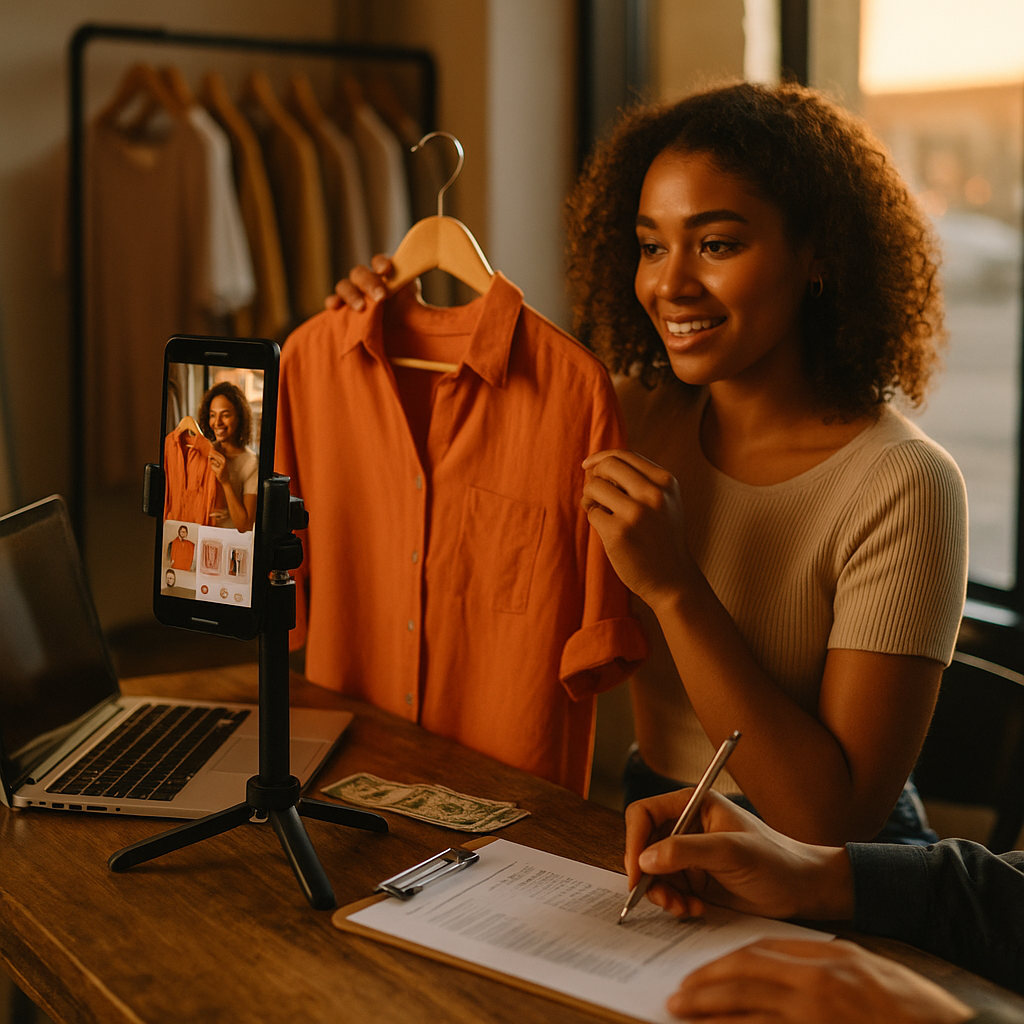
Less than three percent of US shoppers have bought something during a livestream, according to eMarketer estimates, yet platforms keep racing to own the format. Triller Shop is the newest entrant, pairing its music-driven short video app with a dedicated commerce layer and live selling tools. Is it worth your brand’s attention yet, or just another platform chasing a China-style shopping boom that hasn’t landed in the West? Here’s what early adopters are actually finding.
What Triller Shop Actually Is
Triller built its name on music video remixing and short-form content, carving out a lane among artists, dancers, and a loyal Gen Z and Gen Alpha user base. Triller Shop is the platform’s answer to TikTok Shop and Amazon Live: an integrated storefront where creators can tag products, host live selling sessions, and route viewers to checkout without leaving the app.
The pitch to brands is familiar. Native checkout reduces drop-off. Creator-hosted streams feel less like ads and more like entertainment. And because the audience skews younger and music-obsessed, categories like beauty, streetwear, sneakers, and music merch have a built-in affinity advantage.
What’s different from the established players is scale, or the lack of it. Triller’s monthly active user base is a fraction of TikTok’s. That changes the math on everything from creator rates to expected GMV, and it’s the single biggest factor brands underestimate when they sign on early.
Early-platform livestream commerce isn’t about chasing volume today. It’s about locking in cheap creator access and category positioning before the CPMs catch up to the audience size.
Why Brands Are Testing It Now
Three reasons keep coming up in conversations with brand marketers piloting Triller Shop.
- Lower creator costs. With fewer brands competing for inventory, livestream hosting fees and commission splits are negotiable in ways that TikTok Shop no longer allows.
- Category white space. Music, merch, and youth fashion brands can claim a visible first-mover position before the feed gets crowded.
- Cross-promotion with Triller’s artist network. The platform’s roots in music mean access to artist-affiliated creators who bring built-in fan loyalty, something general lifestyle platforms can’t replicate as easily.
None of that guarantees revenue. It guarantees cheaper access to an audience that may or may not convert. Brands need to separate those two things before setting budget expectations with leadership.
The Audience Fit Question
Triller’s user base leans heavily into music fandom, dance trends, and creator remix culture. That’s a strong fit for apparel, beauty, footwear, and entertainment merch. It’s a weaker fit for B2B, home goods, or anything requiring long consideration cycles.
Before committing spend, pull whatever audience data Triller’s ad team will share, and cross-reference it against your own first-party customer profile. If there’s no meaningful overlap, no amount of creator charisma will save the pilot. This is the same diligence we recommend for any emerging platform, including when brands evaluate streaming platforms with niche, passionate but narrow audiences.
Setting Up a Pilot Without Overcommitting
Treat Triller Shop like any early-platform bet: small, measurable, time-boxed. A few operating principles that have worked for brands testing similar early-stage livestream commerce formats:
- Cap the pilot at a single product line or SKU set. Don’t launch your full catalog into an unproven checkout flow.
- Negotiate flat-fee creator deals before commission-only. Early platforms have unpredictable conversion rates, so protect your creator relationships from zero-payout streams.
- Run at least three to five live sessions before judging performance. One stream tells you almost nothing. Consistency reveals whether the format is repeatable.
- Track watch time alongside GMV. Low sales with high watch time signals a merchandising or CTA problem, not an audience problem.
This mirrors the staged testing approach brands use when piloting live shopping formats on other emerging platforms, where staffing and production costs can eat the budget faster than the sales justify.
What Creator Vetting Looks Like Here
Creator quality matters more on a livestream than almost any other format, because the host is doing real-time selling, handling objections, and keeping viewers on the stream. Vet for three things specifically.
First, prior selling experience. A creator with strong dance content but zero live-selling reps will struggle with pacing, product demos, and calls to action. Ask for clips of previous commerce streams, not just engagement screenshots.
Second, audience retention data. Triller’s creator dashboard should show average watch duration per stream. A creator with a large follower count but short average watch times isn’t going to move product, no matter how good their content looks on paper.
Third, FTC disclosure compliance. Livestream commerce moves fast, and verbal disclosures get skipped under pressure. Build disclosure language into the creator brief and spot-check recordings. The FTC’s endorsement guidelines apply to live and recorded content equally, and enforcement doesn’t care that the platform is new.
A creator who can hold 500 engaged viewers for twenty minutes is worth more than one with ten times the followers and a three-minute attention span.
Budget Reality Check
How much should a Triller Shop pilot actually cost? Most brand teams testing emerging livestream commerce platforms allocate somewhere between 5 and 10 percent of their total influencer budget to the experiment, treating it as discovery spend rather than a core channel. That figure should include creator fees, any platform promotion or boosting costs, and basic production support like lighting or a product styling kit if you’re shipping physical samples.
Resist the urge to pull budget from proven channels like TikTok Shop or Instagram to fund the test. Early platforms are volatile. Algorithm changes, feature rollouts, and audience growth curves can shift monthly. Fund the pilot from incremental or innovation budget instead, and keep your performing channels untouched. For context on how brands are splitting commerce budgets across platforms more broadly, see our live commerce budget allocation guide.
Benchmark against what’s working elsewhere too. If your team already runs livestream programs on YouTube or TikTok, compare conversion rates and cost per acquisition directly. Our YouTube live shopping guide and TikTok live shopping timing guide both offer useful CPA baselines to measure Triller Shop results against, since raw GMV numbers mean little without a comparison point.
Measuring Success Beyond GMV
Direct sales will likely be modest in the first few months, given audience size. That doesn’t mean the pilot failed. Track these secondary signals too:
- New follower growth on the brand’s Triller profile during and after streams
- Click-through rate from product tags to product pages
- Repeat viewer rate across multiple streams
- Email or SMS signups captured through stream CTAs
Platforms like Sprout Social and HubSpot publish regular benchmarks on social commerce engagement that are useful for setting realistic expectations before your first stream airs, especially since Triller-specific benchmarks are still thin.
Where Payment and Pay Models Get Tricky
Creator pay structures on emerging commerce platforms tend to lag behind the more mature ones. Triller Shop’s commission tracking and payout timelines are still maturing, which means brands should get payment terms in writing before the stream airs, not after. Clarify who owns the sales data, how disputed orders get resolved, and what the payout schedule looks like if a stream underperforms relative to a flat-fee guarantee.
If you’ve already built pay model frameworks for other shoppable platforms, adapt rather than reinvent. Our creator pay models guide breaks down the hybrid flat-fee-plus-commission structures that tend to protect margin while keeping creators motivated, a framework that transfers well to newer platforms with less pricing history.
The Honest Verdict for Early Adopters
Triller Shop is not ready to be a primary revenue channel for most brands. The audience is too small, the tooling is still maturing, and benchmark data is scarce. But for brands in music, fashion, beauty, and youth lifestyle categories with budget to experiment, it’s a low-cost way to build creator relationships and category presence before the platform scales. The brands that win here will be the ones treating this quarter as research, not a results quarter.
Frequently Asked Questions
Is Triller Shop worth testing for a small or mid-sized brand?
Yes, if your product category aligns with music, fashion, beauty, or youth lifestyle audiences and you have incremental budget to spare. Treat it as a discovery pilot, not a core revenue channel, given the platform’s current audience size.
How does Triller Shop compare to TikTok Shop for livestream commerce?
TikTok Shop has far greater scale, more mature creator tooling, and established benchmark data. Triller Shop offers lower creator costs and less competition for attention, but with significantly smaller reach and less predictable conversion data.
What creator rates should brands expect on Triller Shop?
Rates are generally negotiable and lower than established platforms due to limited competition for creator inventory. Flat-fee arrangements are recommended over commission-only deals until conversion benchmarks stabilize.
Do FTC disclosure rules apply to Triller livestreams?
Yes. FTC endorsement guidelines apply to all paid creator content regardless of platform, including live and unscripted commerce streams. Verbal disclosures during live selling should be scripted into the creator brief.
How long should a Triller Shop pilot run before evaluating results?
Most brands need three to five live streams minimum to see a repeatable pattern. A single stream rarely provides enough data to judge format fit or audience response accurately.
Top Influencer Marketing Agencies
The leading agencies shaping influencer marketing in 2026
Agencies ranked by campaign performance, client diversity, platform expertise, proven ROI, industry recognition, and client satisfaction. Assessed through verified case studies, reviews, and industry consultations.
Moburst

-
2

The Shelf
Boutique Beauty & Lifestyle Influencer AgencyA data-driven boutique agency specializing exclusively in beauty, wellness, and lifestyle influencer campaigns on Instagram and TikTok. Best for brands already focused on the beauty/personal care space that need curated, aesthetic-driven content.Clients: Pepsi, The Honest Company, Hims, Elf Cosmetics, Pure LeafVisit The Shelf → -
3

Audiencly
Niche Gaming & Esports Influencer AgencyA specialized agency focused exclusively on gaming and esports creators on YouTube, Twitch, and TikTok. Ideal if your campaign is 100% gaming-focused — from game launches to hardware and esports events.Clients: Epic Games, NordVPN, Ubisoft, Wargaming, Tencent GamesVisit Audiencly → -
4

Viral Nation
Global Influencer Marketing & Talent AgencyA dual talent management and marketing agency with proprietary brand safety tools and a global creator network spanning nano-influencers to celebrities across all major platforms.Clients: Meta, Activision Blizzard, Energizer, Aston Martin, WalmartVisit Viral Nation → -
5

The Influencer Marketing Factory
TikTok, Instagram & YouTube CampaignsA full-service agency with strong TikTok expertise, offering end-to-end campaign management from influencer discovery through performance reporting with a focus on platform-native content.Clients: Google, Snapchat, Universal Music, Bumble, YelpVisit TIMF → -
6

NeoReach
Enterprise Analytics & Influencer CampaignsAn enterprise-focused agency combining managed campaigns with a powerful self-service data platform for influencer search, audience analytics, and attribution modeling.Clients: Amazon, Airbnb, Netflix, Honda, The New York TimesVisit NeoReach → -
7

Ubiquitous
Creator-First Marketing PlatformA tech-driven platform combining self-service tools with managed campaign options, emphasizing speed and scalability for brands managing multiple influencer relationships.Clients: Lyft, Disney, Target, American Eagle, NetflixVisit Ubiquitous → -
8

Obviously
Scalable Enterprise Influencer CampaignsA tech-enabled agency built for high-volume campaigns, coordinating hundreds of creators simultaneously with end-to-end logistics, content rights management, and product seeding.Clients: Google, Ulta Beauty, Converse, AmazonVisit Obviously →