


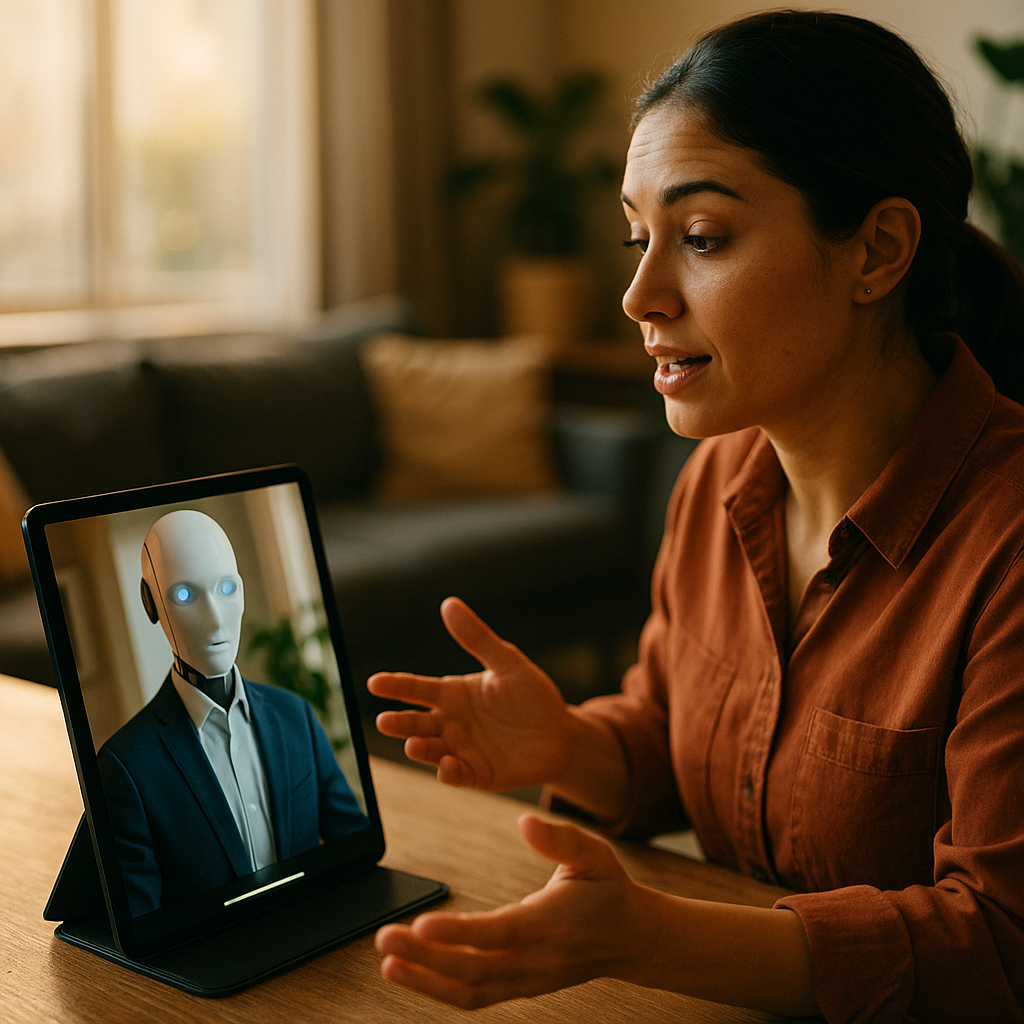
Only 12% of brands still measure influencer marketing by single campaigns, according to recent data cited in eMarketer’s creator economy tracking. The rest? They’ve moved to something that never sleeps. AI-run ambassador programs are replacing the campaign calendar with persistent, always-on agents that recruit, brief, and manage creators around the clock. The question isn’t whether this shift is happening. It’s whether your team is ready for it.
The Campaign Model Is Breaking
Campaigns were built for a slower internet. Brief, negotiate, shoot, post, report, repeat. That cycle made sense when brands ran four influencer pushes a year. It makes no sense when TikTok resets its algorithm quarterly and Instagram tests a new format every six weeks, as documented in the recent platform algorithm resets forcing publishing audits across the industry.
The problem isn’t creativity. It’s cadence. A campaign structure assumes you can plan three months out and hold that plan steady. Anyone running a real program in 2026 knows that’s fantasy. Trends die in days. Creator availability shifts hourly. Brand safety issues surface in real time, not on a reporting schedule.
So brands started asking a different question: what if the program managed itself between campaigns, and the campaigns became peaks on top of a steady baseline rather than isolated events?
What Is an AI-Run Ambassador Program, Exactly?
Strip away the buzzwords and it’s simple. An AI-run ambassador program uses software agents, not just dashboards, to handle the operational layer of a creator relationship. Recruitment, vetting, briefing, content review, payment triggers, and performance flagging all run through automated systems that make decisions, not just report on them.
This is a meaningful step beyond the influencer platforms brands have used for years. Traditional platforms surface creators and track metrics. Agentic systems act on that data. They approve a nano creator’s application based on preset trust thresholds. They flag a post for compliance review before it goes live. They renegotiate a rate card when engagement patterns shift. Chtrbox’s move toward a full-stack platform model is a clear signal of where the agency side is headed too.
The shift isn’t from human to AI creators. It’s from human-run operations to AI-run operations, with humans still making the creative and strategic calls.
Worth repeating: this isn’t about replacing creators with synthetic avatars. Data on synthetic avatars losing trust compared to human creators has made that path unappealing for most consumer categories. The AI sits in the management layer, not the talent layer.
Why Brands Are Actually Making the Switch
Three reasons keep coming up in conversations with brand-side marketing leads: cost, speed, and risk.
- Cost: Managing a roster of 200 nano and micro creators manually requires headcount most brands don’t have. Agentic systems handle the repetitive 80% (contracts, briefs, payment scheduling) so human teams focus on strategy and relationship depth.
- Speed: When nano creator rates jump 40% in a single quarter, a manual program finds out during the next budget review. An agentic system flags the shift the week it happens, giving procurement teams time to react.
- Risk: Bot follower fraud, disclosure violations, and off-brand content are the three things that keep CMOs up at night. Automated vetting has already cut fraud losses by more than half for brands that adopted it early.
Add in the fact that B2B buyers are increasingly vetting vendors through creator content (a striking 74% now do this) and the case for an always-on presence, rather than periodic bursts, becomes hard to argue against.
Always-On Doesn’t Mean Hands-Off
Here’s where a lot of brands get it wrong. They hear “always-on agent” and assume it means “set it and forget it.” It doesn’t. The programs that work best still have a human strategist setting the guardrails: which creators qualify, what tone is acceptable, what triggers escalation to a person instead of an automated approval.
Think of it less like autopilot and more like cruise control with a driver still at the wheel. The agent handles pace and routine adjustments. The human handles judgment calls, crisis moments, and anything involving brand voice nuance an algorithm can’t fully grasp yet.
This matters most in regulated categories. Financial services and healthcare brands running ambassador programs still need every disclosure checked against FTC endorsement guidelines, and UK-facing programs need to track ICO data handling requirements for creator personal information. AI can flag a missing #ad tag. It shouldn’t be the final word on whether a post is compliant.
The Attribution Problem Gets Easier, Not Harder
One underrated benefit of moving to always-on agents: attribution improves. Campaign-based programs generate attribution in bursts, which makes it hard to separate signal from noise. Continuous programs generate continuous data, which is exactly what modern measurement frameworks are built for.
The IAB’s unified scorecard approach, combining brand lift and sales data, works far better against a steady stream of always-on content than against four disconnected campaign spikes a year. Same goes for the attribution gaps that API-driven publishing layers have started closing. Continuous data feeds close continuous gaps.
D2C marketers, in particular, have been vocal about this shift. The push to abandon reach metrics for revenue attribution proof only works if the underlying program produces enough consistent data points to build a real model. Sporadic campaigns don’t. Always-on agents do.
How to Actually Build One (Without Overbuilding)
Brands don’t need to rip out their current stack to start. Most successful transitions follow a similar path:
- Audit your creator roster for tiering. Agentic systems work best on high-volume, lower-touch relationships (nano and micro creators). Keep top-tier ambassador relationships human-led for now.
- Set decision thresholds before you automate. Define exactly what an agent can approve autonomously versus what escalates to a person. Write it down. Don’t leave it implicit.
- Pilot on one platform, not five. Pick the channel with the most consistent creator behavior data (usually Instagram or TikTok) and prove the model before expanding.
- Build compliance checkpoints in from day one. Retrofitting disclosure and data handling rules onto a live agentic system is far harder than baking them in upfront.
- Measure against the old model for at least one full quarter. Run the AI-managed program alongside legacy campaign tracking so you have a real comparison, not a hunch.
Platforms like Sprout Social and enterprise CRM tools from HubSpot are already building agentic layers into their creator and lifecycle workflows, which gives brands without in-house AI teams a realistic entry point.
Where This Is Headed Next
The martech spend backs up the trajectory. Forecasts now put AI martech spend racing toward 74.3 billion dollars in the coming years, and creator management is one of the fastest-growing line items within that number. Meanwhile, dark posting strategies that turn creator content into scalable paid units are becoming the norm rather than the exception, as covered in our look at how dark posting scales creator content into always-available ad inventory.
Expect the next wave to focus on cross-platform agent coordination: one system managing a creator relationship consistently whether the content lands on TikTok, YouTube Shorts, or an emerging CTV placement. The CTV shift already underway suggests ambassador programs won’t stay confined to social feeds much longer.
Your Next Move
Don’t try to automate your entire ambassador program in one leap. Pick your highest-volume, lowest-risk creator tier, define clear automation thresholds, and run it in parallel with your current process for one quarter before you scale it wider.
Frequently Asked Questions
What is an AI-run ambassador program?
It’s a creator management structure where software agents handle recruitment, briefing, compliance checks, and performance monitoring continuously, rather than brands running isolated campaign cycles managed entirely by hand.
Do AI-run programs replace human creators?
No. The automation sits in the management and operations layer. Human creators still produce the content, and human strategists still set brand voice, creative direction, and escalation rules.
Is an always-on ambassador program more expensive than running campaigns?
Initial setup costs more than a single campaign, but ongoing costs typically drop because automated systems reduce the manual headcount needed to manage large creator rosters at scale.
How do brands stay compliant with disclosure rules in an automated program?
By building compliance checkpoints into the system from the start, using automated flags for missing disclosures, and keeping a human reviewer as the final approval step for anything the system can’t confidently clear.
Which brands should consider moving to an AI-run model first?
Brands managing large nano or micro creator rosters with high posting frequency see the fastest returns, since that’s where manual management costs the most time relative to output.
Top Influencer Marketing Agencies
The leading agencies shaping influencer marketing in 2026
Agencies ranked by campaign performance, client diversity, platform expertise, proven ROI, industry recognition, and client satisfaction. Assessed through verified case studies, reviews, and industry consultations.
Moburst

-
2

The Shelf
Boutique Beauty & Lifestyle Influencer AgencyA data-driven boutique agency specializing exclusively in beauty, wellness, and lifestyle influencer campaigns on Instagram and TikTok. Best for brands already focused on the beauty/personal care space that need curated, aesthetic-driven content.Clients: Pepsi, The Honest Company, Hims, Elf Cosmetics, Pure LeafVisit The Shelf → -
3

Audiencly
Niche Gaming & Esports Influencer AgencyA specialized agency focused exclusively on gaming and esports creators on YouTube, Twitch, and TikTok. Ideal if your campaign is 100% gaming-focused — from game launches to hardware and esports events.Clients: Epic Games, NordVPN, Ubisoft, Wargaming, Tencent GamesVisit Audiencly → -
4

Viral Nation
Global Influencer Marketing & Talent AgencyA dual talent management and marketing agency with proprietary brand safety tools and a global creator network spanning nano-influencers to celebrities across all major platforms.Clients: Meta, Activision Blizzard, Energizer, Aston Martin, WalmartVisit Viral Nation → -
5

The Influencer Marketing Factory
TikTok, Instagram & YouTube CampaignsA full-service agency with strong TikTok expertise, offering end-to-end campaign management from influencer discovery through performance reporting with a focus on platform-native content.Clients: Google, Snapchat, Universal Music, Bumble, YelpVisit TIMF → -
6

NeoReach
Enterprise Analytics & Influencer CampaignsAn enterprise-focused agency combining managed campaigns with a powerful self-service data platform for influencer search, audience analytics, and attribution modeling.Clients: Amazon, Airbnb, Netflix, Honda, The New York TimesVisit NeoReach → -
7

Ubiquitous
Creator-First Marketing PlatformA tech-driven platform combining self-service tools with managed campaign options, emphasizing speed and scalability for brands managing multiple influencer relationships.Clients: Lyft, Disney, Target, American Eagle, NetflixVisit Ubiquitous → -
8

Obviously
Scalable Enterprise Influencer CampaignsA tech-enabled agency built for high-volume campaigns, coordinating hundreds of creators simultaneously with end-to-end logistics, content rights management, and product seeding.Clients: Google, Ulta Beauty, Converse, AmazonVisit Obviously →