


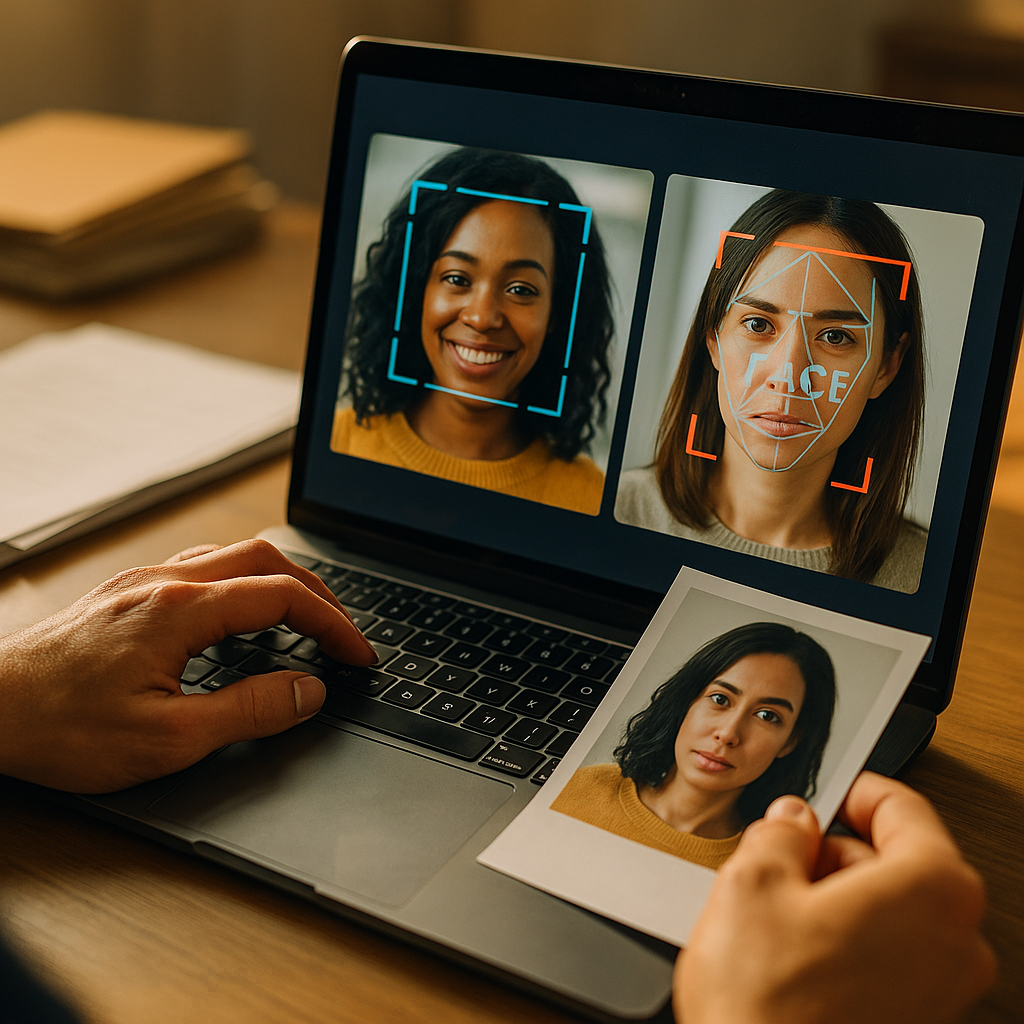
Sixty one percent of marketers say they’ve been burned by a creator whose audience looked great on paper and converted like a ghost town. Follower counts never told the whole story, but for years that’s all brands had time to check. Now AI powered creator vetting tools are digging into content history, audience authenticity, and brand safety signals that a manual scroll through an Instagram grid would never catch. The question isn’t whether to use them anymore. It’s whether your team is using them well.
The Follower Count Trap Still Costs Brands Real Money
Let’s be honest about why follower counts persisted as the default vetting metric for so long: they’re easy. One number, sortable in a spreadsheet, instantly comparable across hundreds of profiles. Easy, but shallow. A creator can buy 50,000 followers overnight. Faking engagement is harder but still common, especially with engagement pods and comment farms that mimic organic chatter.
The real cost shows up downstream. A skincare brand partners with a “lifestyle” creator whose past content includes jokes about questionable dermatology advice. A fintech brand signs a creator who, three months earlier, promoted a crypto scheme the FTC later flagged. These aren’t hypotheticals, they’re the kind of misalignment that surfaces in FTC enforcement actions against brands and creators alike every year.
Manual vetting catches some of this, if your team has the hours. Most don’t. A mid-size agency running 40 creator campaigns a quarter simply cannot have a human read five years of posts for every candidate. That’s the gap AI vetting tools were built to close.
What AI Powered Creator Vetting Actually Checks
Modern vetting platforms, think Modash, HypeAuditor, Grin, and CreatorIQ’s audience quality modules, run analysis far beyond follower math. Here’s what they’re typically scoring:
- Audience authenticity: bot detection, follower growth anomalies, engagement rate consistency over time rather than a single snapshot.
- Content sentiment history: natural language processing scans past captions, video transcripts, and comments for tone, controversy, and topic drift.
- Brand safety flags: hate speech, profanity density, political content frequency, and adjacency to flagged topics or banned keywords.
- Audience overlap and fraud rings: cross-referencing follower lists against known bot networks or engagement pod clusters.
- Demographic match scoring: comparing a creator’s actual audience composition (age, location, language) against a brand’s target customer profile.
This last point matters more than people think. A creator can have a perfectly real, perfectly engaged audience that’s simply the wrong audience. Demographic bias in creator matching algorithms has quietly cost brands budget by routing them toward creators who look like a fit on paper but skew the wrong age bracket or geography entirely.
Follower count tells you reach. It tells you nothing about whether that reach belongs to a human who will ever buy your product.
Semantic Analysis Catches What Keyword Filters Miss
Early brand safety tools worked off blocklists: ban the word “damn,” flag any mention of alcohol, done. Creators learned to route around these filters fast. Today’s tools use semantic models that understand context, a cooking creator saying “this recipe is the bomb” reads differently than a political rant laced with slurs, even if a naive keyword scanner treats both as red flags. That contextual nuance is the difference between a vetting tool that’s useful and one that generates so many false positives your team ignores it within a month.
Where AI Vetting Still Falls Short
No tool catches everything, and pretending otherwise sets your team up for a bad surprise. AI vetting is strong on pattern detection across large data sets: it will flag a creator whose engagement spiked suspiciously or whose content leans controversial 15% of the time. It’s weaker on judgment calls that require cultural context a model hasn’t been trained on, a meme that reads as harmless in one region and offensive in another, for instance.
There’s also the lag problem. Most tools score based on historical content. A creator who posted something problematic yesterday may not show up as flagged until the next data refresh, which on some platforms runs weekly rather than real time. If your campaign timeline is tight, that lag is a real exposure window.
This is why the strongest workflows pair automated vetting with a human review layer, not as a redundancy but as a check on the tool’s blind spots. Related reading on this tension between automation and judgment: AI outreach personalization loses to manual creator vetting when brands skip the human step entirely.
Building a Vetting Stack That Actually Reduces Risk
Treat creator vetting like a pipeline, not a single checkpoint. A workable structure looks like this:
- Automated first pass: run every candidate through audience authenticity and brand safety scoring to eliminate obvious disqualifiers before anyone spends time on manual review.
- Content sentiment deep dive: for shortlisted creators, pull a 12 to 18 month content history scan, not just the last 90 days.
- Demographic fit scoring: cross-reference audience data against your actual customer profile, not your assumed one.
- Human sign-off: a real person reviews the flagged edge cases and makes the final call, with documentation for compliance records.
- Ongoing monitoring: vetting doesn’t end at contract signing. Set up alerts for new content that trips brand safety thresholds mid-campaign.
That last step is the one most brands skip, and it’s the one that bites them hardest. A creator who passed vetting in January can post something problematic in March, well into an active campaign. Agentic monitoring tools that scan creator output in near real time are starting to close that gap, similar to how agentic QA suites cut campaign launch risk in real time for broader campaign operations.
The ROI Case: What Reduced Mis-Alignment Actually Saves
CMOs want numbers, fair enough. Here’s the rough math brands are running internally. A single mis-aligned creator partnership that triggers a PR response typically costs more in crisis management and legal review than an entire quarter’s vetting tool subscription. Sprout Social’s industry research has consistently shown that brand trust erosion from a bad influencer pairing takes months to rebuild, if it rebuilds at all.
Then there’s the quieter cost: wasted media spend on creators whose real audience doesn’t match the target demo. If 20% of a creator’s followers are bots or disengaged accounts, that’s 20% of your sponsored post budget evaporating into nothing. Multiply that across a roster of 50 creators and the number stops being trivial.
A vetting tool that costs $2,000 a month looks expensive until you compare it to a single six-figure campaign built on a fraudulent audience.
Operational efficiency matters too. Teams using AI vetting report cutting creator research time by more than half, freeing strategists to spend time on relationship building and creative briefing instead of spreadsheet forensics. That efficiency gain compounds, especially for agencies managing creator programs across multiple brand clients simultaneously. For teams also managing attribution and CRM handoffs downstream, tools like those covered in HubSpot Smart CRM auto capture are increasingly linked to the same vetting data pipeline, giving brands one source of truth from discovery to performance reporting.
Questions to Ask Before You Buy a Vetting Platform
Not all tools are built the same, and vendor demos tend to show the best case scenario. Before signing a contract, push on these:
- How recent is the audience data? Daily refresh or monthly?
- Does the tool flag false positives at a rate your team can actually review?
- Can it scan video transcripts and audio, not just captions and comments?
- Does it integrate with your existing CRM or campaign management stack?
- What’s the audit trail for compliance documentation if a regulator ever asks?
That last question matters more than it used to. Regulatory scrutiny on influencer disclosure and brand responsibility is tightening, and having a documented vetting process is becoming part of a defensible compliance posture, not just a nice to have. The UK Information Commissioner’s Office and similar bodies elsewhere have made clear that brands share accountability for the creators they platform.
FAQs
Frequently Asked Questions
What is AI powered creator vetting?
It’s the use of machine learning and natural language processing tools to analyze a creator’s audience authenticity, content history, and brand safety risk before a brand signs a partnership, going well beyond manual review of follower counts and engagement rates.
How accurate are AI vetting tools at catching fake followers?
Leading platforms claim detection accuracy above 90% for obvious bot networks, but sophisticated fraud rings using real but disengaged accounts are harder to catch and require combining multiple data signals rather than relying on one score.
Can AI vetting tools replace manual creator research entirely?
No. They’re strongest at flagging patterns across large data sets but weaker on cultural nuance and judgment calls. Most effective workflows use AI for the first pass and human reviewers for final sign-off on edge cases.
How often should brands re-vet creators during an active campaign?
Ongoing monitoring is ideal, especially for campaigns running longer than a few weeks, since a creator’s content and audience composition can shift meaningfully between the initial vetting and the campaign’s end date.
What’s the biggest mistake brands make with creator vetting?
Treating it as a one-time checkbox before signing a contract rather than an ongoing process, which leaves brands exposed to content or behavior changes that happen after the partnership begins.
Next step: audit your current vetting process against the five-stage pipeline above, and if your team still relies primarily on follower counts and a manual scroll, that gap is where your next brand safety incident is most likely to originate.
Top Influencer Marketing Agencies
The leading agencies shaping influencer marketing in 2026
Agencies ranked by campaign performance, client diversity, platform expertise, proven ROI, industry recognition, and client satisfaction. Assessed through verified case studies, reviews, and industry consultations.
Moburst

-
2

The Shelf
Boutique Beauty & Lifestyle Influencer AgencyA data-driven boutique agency specializing exclusively in beauty, wellness, and lifestyle influencer campaigns on Instagram and TikTok. Best for brands already focused on the beauty/personal care space that need curated, aesthetic-driven content.Clients: Pepsi, The Honest Company, Hims, Elf Cosmetics, Pure LeafVisit The Shelf → -
3

Audiencly
Niche Gaming & Esports Influencer AgencyA specialized agency focused exclusively on gaming and esports creators on YouTube, Twitch, and TikTok. Ideal if your campaign is 100% gaming-focused — from game launches to hardware and esports events.Clients: Epic Games, NordVPN, Ubisoft, Wargaming, Tencent GamesVisit Audiencly → -
4

Viral Nation
Global Influencer Marketing & Talent AgencyA dual talent management and marketing agency with proprietary brand safety tools and a global creator network spanning nano-influencers to celebrities across all major platforms.Clients: Meta, Activision Blizzard, Energizer, Aston Martin, WalmartVisit Viral Nation → -
5

The Influencer Marketing Factory
TikTok, Instagram & YouTube CampaignsA full-service agency with strong TikTok expertise, offering end-to-end campaign management from influencer discovery through performance reporting with a focus on platform-native content.Clients: Google, Snapchat, Universal Music, Bumble, YelpVisit TIMF → -
6

NeoReach
Enterprise Analytics & Influencer CampaignsAn enterprise-focused agency combining managed campaigns with a powerful self-service data platform for influencer search, audience analytics, and attribution modeling.Clients: Amazon, Airbnb, Netflix, Honda, The New York TimesVisit NeoReach → -
7

Ubiquitous
Creator-First Marketing PlatformA tech-driven platform combining self-service tools with managed campaign options, emphasizing speed and scalability for brands managing multiple influencer relationships.Clients: Lyft, Disney, Target, American Eagle, NetflixVisit Ubiquitous → -
8

Obviously
Scalable Enterprise Influencer CampaignsA tech-enabled agency built for high-volume campaigns, coordinating hundreds of creators simultaneously with end-to-end logistics, content rights management, and product seeding.Clients: Google, Ulta Beauty, Converse, AmazonVisit Obviously →