


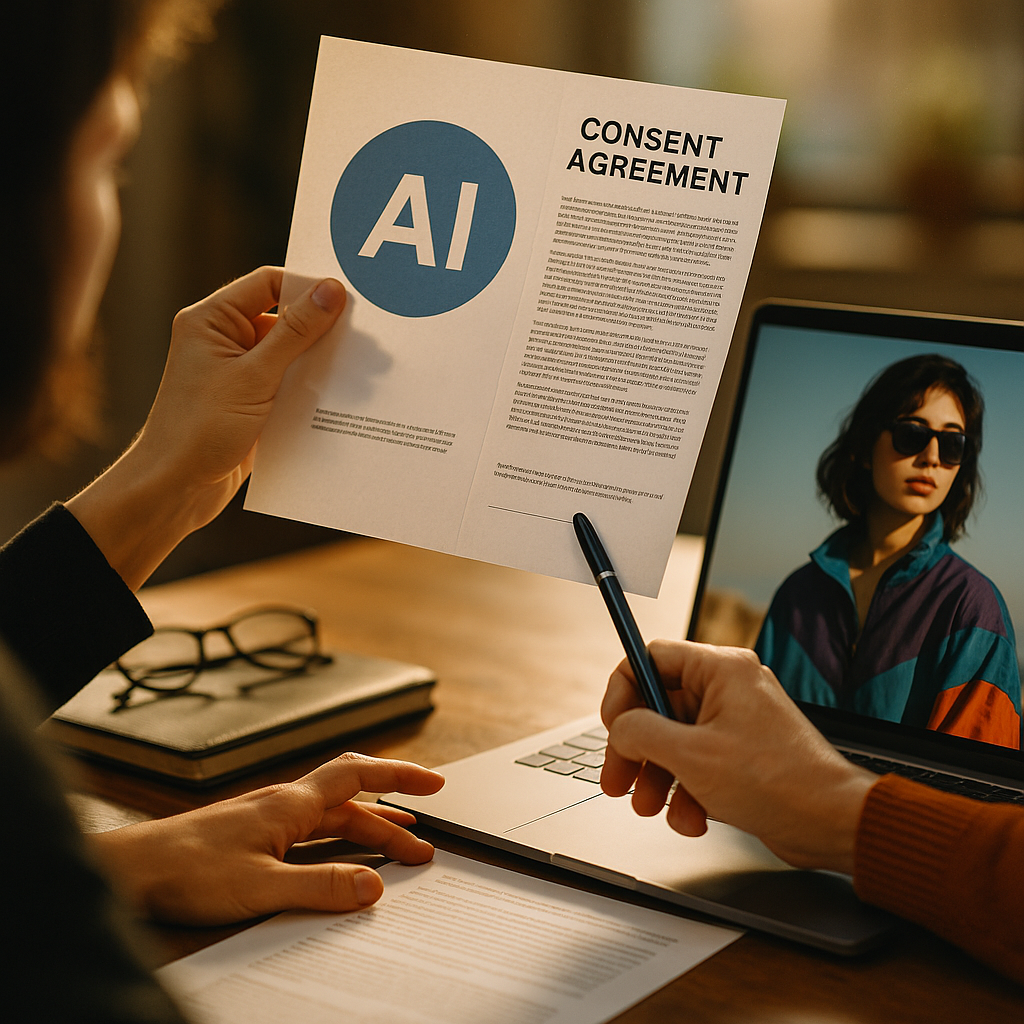
TikTok’s algorithmic remix tools can already splice, dub, and re-cut a creator’s sponsored post into something the original brand never approved. Meta and YouTube are racing to ship similar features. Yet fewer than one in five brand-creator contracts reviewed by legal teams this year contain an AI remix consent clause that actually anticipates this. That gap isn’t a technicality. It’s a liability sitting in plain sight.
If a platform’s AI alters a sponsored post’s audio, visuals, or context after publication, who’s responsible when the remix misrepresents the product, drops the disclosure, or puts words in a creator’s mouth? Right now, the honest answer for most brands is: nobody knows, and that’s the problem this playbook exists to fix.
Why This Suddenly Matters
Platform remix features aren’t a future risk. They’re live. TikTok’s “Smart Remix” and similar generative editing tools can auto-generate derivative clips from existing posts, sometimes pulling sponsored content into new formats, new audiences, and new contexts without the original creator or brand touching the edit button. YouTube’s Dream Screen and Meta’s generative AI ad tools point the same direction: platforms want AI to repurpose content at scale, because remixed content drives engagement and keeps users in-app longer.
Nobody asked brands if they were comfortable with that. Most standard influencer agreements were written for a world where the creator posts once, the brand approves the draft, and that’s the end of the chain of custody. That world is gone.
The core legal problem: platform-side AI remixing happens after your approval workflow ends, which means your indemnification and disclosure language may not even apply to the version of the content that actually reaches consumers.
This connects directly to disclosure risk. The FTC doesn’t care whether a human or an algorithm removed the #ad tag. If a remixed clip strips disclosure language or alters product claims, the brand can still be on the hook. We’ve covered how this plays out with AI co-written creator scripts, and the remix problem is really the same risk one step further down the content lifecycle.
What an AI Remix Consent Clause Actually Needs to Cover
Think of this clause as a permission structure, not a blanket ban. Most creators and brands still want the reach that platform remix tools generate. The goal isn’t to prohibit remixing outright — that’s often contractually impossible anyway, since platforms embed these rights in their own terms of service. The goal is to define boundaries, assign responsibility, and build in an exit ramp.
A functional clause should address six things:
- Scope of permitted alteration. Specify what platform AI is allowed to touch — captioning, aspect ratio, background music — versus what’s off-limits, like voice cloning, claim substitution, or splicing in unrelated footage.
- Disclosure persistence. Require that any remix preserve, or platform-natively re-apply, sponsorship disclosure. If the platform’s tool can’t guarantee that, the clause should trigger a takedown right.
- Attribution and context integrity. The remix can’t imply an endorsement of a different product, a different claim, or a competitor.
- Notice and monitoring obligations. Define who is responsible for catching a bad remix — the brand’s compliance team, the creator, or a third-party monitoring tool — and how fast it needs to be flagged.
- Takedown and correction rights. Spell out the mechanism for demanding platform removal of a non-compliant remix, including timelines.
- Indemnification carve-outs. Clarify that a creator isn’t liable for platform-generated alterations they didn’t create or approve, and vice versa for brands.
Skip any one of these and you’ve got a clause that looks thorough but leaves a hole big enough for a viral mistake to fall through.
Sample Clause Language (Starting Point, Not a Final Draft)
Something like this belongs in the sponsorship agreement, not buried in a platform’s terms of service:
“Creator and Brand acknowledge that the Platform may apply automated or AI-driven editing, remixing, dubbing, or derivative content generation to the Sponsored Content following publication. Any such Platform-Generated Derivative must retain all required sponsorship disclosures in a manner reasonably equivalent to the original post. Neither party shall be deemed in breach of this Agreement solely due to Platform-Generated Derivatives that alter disclosure placement, provided the affected party issues a takedown or correction request within [X] business days of discovery. Brand reserves the right to require immediate removal of any Platform-Generated Derivative that materially misrepresents product claims, alters spoken or written endorsement language, or removes required disclosures.”
Adjust the timelines and remedy language to your risk tolerance. But that structure — acknowledge the risk, protect disclosure, define a notice window, preserve a removal right — is the backbone every version should share.
Where the FTC and State Regulators Actually Stand
The FTC’s Endorsement Guides don’t distinguish between human-edited and AI-edited content. Disclosure has to be “clear and conspicuous” regardless of who — or what — touched the final cut. That means a platform’s remix tool stripping a disclosure overlay isn’t a defense; it’s potentially a new violation with a new timestamp. Brands should treat every platform-generated derivative as a fresh piece of content subject to FTC endorsement rules, not an extension of the originally approved post.
This is closely related to the synthetic media disclosure questions we broke down in our piece on synthetic performer disclosure laws. If a remix tool generates a synthetic voice reading a product claim the creator never said, several state laws now treat that as functionally equivalent to an undisclosed synthetic endorsement, independent of federal FTC exposure.
Add in the EU’s regulatory posture. The EU AI Act’s transparency obligations for AI-generated or AI-altered content will increasingly intersect with platform remix features used on EU audiences, and the compliance overlay gets more complicated when you’re running a global creator program. We mapped a comparable cross-jurisdiction problem in EU AI Act vs US deepfake laws, and the same matrix logic applies here: know which jurisdiction’s remixed version of the content is being served, because the compliance obligation follows the audience, not the origin post.
Building the Monitoring Layer (Because Contracts Alone Don’t Catch This)
Here’s the uncomfortable truth: a perfectly drafted clause is useless if nobody notices the remix happened. Platform remix tools generate derivatives silently, often without notifying either the creator or the brand. You need a detection layer, not just a legal one.
Practically, that means:
- Extending existing creator compliance dashboards to flag derivative content, not just original posts.
- Running periodic reverse-search or platform-API sweeps for remixed versions of sponsored content, especially high-spend campaigns.
- Logging every remix discovery in the same audit trail used for other AI marketing decisions, so there’s a documented timeline if a regulator or platform disputes the takedown request. Our framework on audit trails for AI marketing decisions applies directly here — the remix is itself an AI marketing action, even though the platform triggered it, not the brand.
Sprout Social and similar social listening platforms already offer some derivative-content detection through hashtag and audio-track tracking; check whether your existing social monitoring stack covers remix detection before building something custom. It often already does, just not configured for it.
Negotiating This With Platforms, Not Just Creators
Brands tend to negotiate remix terms only with creators, forgetting that platforms themselves set the default permissions. TikTok Shop, for instance, has its own creator and brand terms that govern what “Smart Remix” and similar tools can touch, largely independent of what’s in your influencer contract. Review the platform-level terms before drafting brand-creator clauses, because a contract provision that contradicts a platform’s own TOS won’t hold up.
This is the same dynamic we’ve flagged in TikTok Shop live-selling script audits: platform-level rules often override brand-level assumptions, and legal teams that only read the influencer contract miss half the risk surface.
Where possible, negotiate opt-out settings at the account level. Several platforms now offer creators and brand-managed accounts a toggle to exclude specific posts from automated remix eligibility. It’s not universal yet, and enforcement is inconsistent, but it’s the single most effective risk-reduction lever available today, more effective than any clause. Use the contract to require creators to enable it for sponsored posts, and audit compliance quarterly.
A remix opt-out toggle, enforced contractually, is worth more than three pages of indemnification language you’ll spend months arguing over after the damage is done.
What Happens When You Skip This
Picture a skincare brand’s sponsored post getting auto-remixed by a platform’s AI into a 15-second clip with a synthesized voiceover making a stronger efficacy claim than the original creator ever stated. The clip goes semi-viral. Consumers complain. The FTC inquiry, if it comes, doesn’t care that the brand’s original approved script was compliant. It cares about what reached consumers.
Without a remix clause, the brand has no contractual basis to demand the creator flag it, no defined takedown timeline, and no clean indemnification position with the creator, since the creator arguably didn’t create the offending version either. Everyone points at the platform. The platform’s terms of service almost certainly limit its own liability. The brand eats the risk by default, not by design.
That’s the scenario this playbook is built to prevent. It costs a few hours of legal drafting now. It costs a lot more in a regulatory inquiry or a PR crisis later.
For brands running larger creator equity or revenue-share arrangements, the stakes compound further, since a misrepresented remix can also trigger disputes under sales-pathway attribution agreements if the altered content affects conversion tracking or attribution claims tied to compensation.
Next Step
Pull your current influencer agreement template and check for a single sentence addressing platform-side AI alteration. If it’s not there, draft the clause this quarter, not after your first viral remix incident. Pair it with a quarterly audit of platform remix opt-out settings, and you’ve closed the biggest gap in creator content compliance heading into next year.
FAQs
What is an AI remix consent clause?
It’s a contract provision that defines what platform-driven AI editing tools are allowed to do to sponsored creator content after publication, who is responsible for monitoring alterations, and what remedies apply if a remix misrepresents claims or strips disclosure.
Are brands legally liable for platform-generated remixes of sponsored content?
Potentially, yes. The FTC’s Endorsement Guides apply to the content consumers actually see, regardless of whether a human or an algorithm produced the final version. Brands should assume liability exposure unless their contracts and monitoring specifically address remix scenarios.
Can creators prevent platforms from remixing their sponsored posts?
Some platforms offer account-level or post-level opt-out settings for automated remix features, though availability and enforcement vary. Contractually requiring creators to enable these settings for sponsored content is currently the most reliable mitigation available.
Does an AI remix that removes a disclosure count as a new FTC violation?
It can. Regulators generally evaluate disclosure compliance based on what audiences actually saw, not the originally approved version. A remix stripping disclosure language creates fresh exposure, independent of the original post’s compliance status.
How often should brands audit for unauthorized remixes?
Monthly at minimum for active sponsored campaigns, weekly for high-spend or high-visibility placements. Building remix detection into existing compliance dashboards and audit trail processes reduces the manual burden significantly.
FAQs
What is an AI remix consent clause?
It’s a contract provision that defines what platform-driven AI editing tools are allowed to do to sponsored creator content after publication, who is responsible for monitoring alterations, and what remedies apply if a remix misrepresents claims or strips disclosure.
Are brands legally liable for platform-generated remixes of sponsored content?
Potentially, yes. The FTC’s Endorsement Guides apply to the content consumers actually see, regardless of whether a human or an algorithm produced the final version. Brands should assume liability exposure unless their contracts and monitoring specifically address remix scenarios.
Can creators prevent platforms from remixing their sponsored posts?
Some platforms offer account-level or post-level opt-out settings for automated remix features, though availability and enforcement vary. Contractually requiring creators to enable these settings for sponsored content is currently the most reliable mitigation available.
Does an AI remix that removes a disclosure count as a new FTC violation?
It can. Regulators generally evaluate disclosure compliance based on what audiences actually saw, not the originally approved version. A remix stripping disclosure language creates fresh exposure, independent of the original post’s compliance status.
How often should brands audit for unauthorized remixes?
Monthly at minimum for active sponsored campaigns, weekly for high-spend or high-visibility placements. Building remix detection into existing compliance dashboards and audit trail processes reduces the manual burden significantly.
Top Influencer Marketing Agencies
The leading agencies shaping influencer marketing in 2026
Agencies ranked by campaign performance, client diversity, platform expertise, proven ROI, industry recognition, and client satisfaction. Assessed through verified case studies, reviews, and industry consultations.
Moburst

-
2

The Shelf
Boutique Beauty & Lifestyle Influencer AgencyA data-driven boutique agency specializing exclusively in beauty, wellness, and lifestyle influencer campaigns on Instagram and TikTok. Best for brands already focused on the beauty/personal care space that need curated, aesthetic-driven content.Clients: Pepsi, The Honest Company, Hims, Elf Cosmetics, Pure LeafVisit The Shelf → -
3

Audiencly
Niche Gaming & Esports Influencer AgencyA specialized agency focused exclusively on gaming and esports creators on YouTube, Twitch, and TikTok. Ideal if your campaign is 100% gaming-focused — from game launches to hardware and esports events.Clients: Epic Games, NordVPN, Ubisoft, Wargaming, Tencent GamesVisit Audiencly → -
4

Viral Nation
Global Influencer Marketing & Talent AgencyA dual talent management and marketing agency with proprietary brand safety tools and a global creator network spanning nano-influencers to celebrities across all major platforms.Clients: Meta, Activision Blizzard, Energizer, Aston Martin, WalmartVisit Viral Nation → -
5

The Influencer Marketing Factory
TikTok, Instagram & YouTube CampaignsA full-service agency with strong TikTok expertise, offering end-to-end campaign management from influencer discovery through performance reporting with a focus on platform-native content.Clients: Google, Snapchat, Universal Music, Bumble, YelpVisit TIMF → -
6

NeoReach
Enterprise Analytics & Influencer CampaignsAn enterprise-focused agency combining managed campaigns with a powerful self-service data platform for influencer search, audience analytics, and attribution modeling.Clients: Amazon, Airbnb, Netflix, Honda, The New York TimesVisit NeoReach → -
7

Ubiquitous
Creator-First Marketing PlatformA tech-driven platform combining self-service tools with managed campaign options, emphasizing speed and scalability for brands managing multiple influencer relationships.Clients: Lyft, Disney, Target, American Eagle, NetflixVisit Ubiquitous → -
8

Obviously
Scalable Enterprise Influencer CampaignsA tech-enabled agency built for high-volume campaigns, coordinating hundreds of creators simultaneously with end-to-end logistics, content rights management, and product seeding.Clients: Google, Ulta Beauty, Converse, AmazonVisit Obviously →