


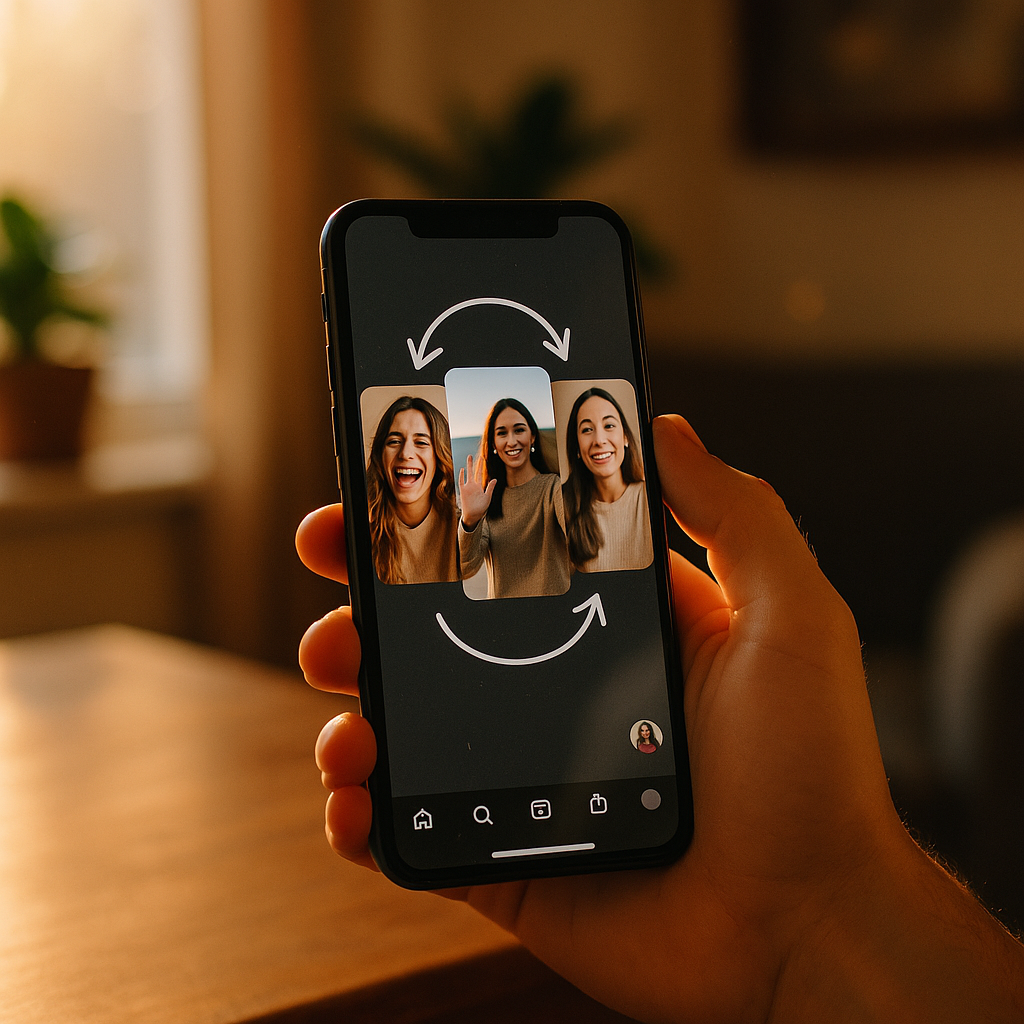
One sponsored post generates a spike. A structured ambassador reel series generates a habit, and habits convert at rates single posts never touch. Brands still burning entire quarterly budgets on isolated deliverables are leaving retention, trust, and compounding reach on the table. If your influencer program resets to zero after every post, you’re not building an audience relationship. You’re renting attention, one invoice at a time.
Why One-Off Posts Are a Structural Dead End
A single sponsored reel has a shelf life measured in hours. The algorithm gives it a window, the audience gives it a glance, and then it’s gone. There’s no narrative thread for a viewer to follow, no reason to come back, and no compounding brand association because the creator never gets to build one. You pay full price for a fraction of the value.
Contrast that with a reel series built around a recurring ambassador arc. Each installment references the last. Viewers start anticipating the next drop. The creator’s audience starts to associate the brand with an ongoing story rather than a single transaction. That’s the difference between an ad impression and a relationship, and relationships are what drive repeat purchase behavior.
Brands running structured, multi-part creator arcs see meaningfully higher retention and recall than those running isolated one-off posts, because serialized content trains audiences to return on a schedule instead of scrolling past a single sponsored moment.
What Actually Makes an Arc “Structured”
Structure isn’t a content calendar with the same creator posting five random times over three months. That’s just frequency. A real arc needs a spine: a clear beginning, escalating stakes or themes, and a payoff. Think of it less like a series of ads and more like a limited series with a brand as the sponsor, not the star.
- A defined arc length. Four to eight installments works well for most categories. Shorter feels like a campaign burst, longer risks fatigue unless you’re building a long-haul brand ambassador relationship.
- A narrative hook per episode. Each post should tease or resolve something from the last. This borrows directly from the serialized formats gaining traction across short-form video, where serialized content briefs are used specifically to build watch habits instead of one-time views.
- Consistent visual or verbal motifs. A recurring intro line, a signature transition, a running joke. These become recognition triggers that work even when the audience skims sound-off.
- A measurable arc goal. Awareness in episode one, consideration by episode four, conversion push by the finale. Map KPIs to the arc, not just the campaign total.
The Brief Has to Change Too
Most influencer briefs are written for isolated deliverables: one hook, one CTA, one usage window. That template breaks the moment you’re asking a creator to sustain a character or theme across two months. Your brief needs continuity notes: what happened in the last episode, what the audience reaction was, what needs to carry forward. Treat it more like a writers’ room document than a one-off creative brief.
This is also where a lot of brands underinvest. They’ll spend hours perfecting a single sponsored post brief and then hand a creator a vague “just keep doing what you did last time” for episode three. That’s how arcs collapse into disconnected posts wearing a series label. If you want the format to actually behave like a series, borrow discipline from chaptered content pacing, where each segment is scripted to earn the next view rather than stand alone.
Picking the Right Ambassador for a Long Arc
Not every creator can sustain a multi-episode arc. Some are built for one great hook and out. Others thrive with continuity because their audience already treats them like a recurring character in their feed. Before locking a multi-month agreement, look at their posting history for signs of narrative stamina: recurring bits, callback jokes, ongoing personal storylines their audience already tracks.
Vet for reliability as much as reach. A three-month arc with a creator who ghosts by episode four is worse than no arc at all, because you’ve trained the audience to expect a payoff that never arrives. Check their historical consistency using platform analytics and, where possible, audience engagement tracking tools to confirm their following actually returns for follow-up content rather than spiking once and dispersing.
Contract and Compensation for Multi-Episode Work
Structuring pay for a series is different from a flat per-post rate. Consider staggered payments tied to each installment’s delivery and performance, with a bonus tied to full-arc completion. This protects the brand from paying full value upfront for a series that fizzles, and it gives the creator a real incentive to sustain quality through episode six instead of phoning in the finale.
Usage rights also get more complicated. A one-off post typically has a defined paid media window. A series often needs longer usage terms because you’ll want to repurpose the arc across other channels, including cutdowns for other placements and even connected TV. Negotiate broader usage rights upfront rather than renegotiating mid-arc when leverage has shifted toward the creator.
Format Choices That Support Continuity
Some formats naturally lend themselves to serialization better than others. A recurring “day in the life” thread works. A single polished product demo generally doesn’t, unless you’re running it as a multi-angle demo series that reveals a new use case each installment. Founder-led arcs also perform well as ongoing formats, since audiences are already primed to follow a person’s story over time rather than a single polished pitch, similar to what’s covered in founder video diary formats.
Low-polish formats tend to outperform in a series context because they read as authentic continuation rather than another ad drop. This mirrors what’s already happening in the photo dump format, where imperfection signals real life rather than a media buy. Apply that same logic to an ambassador arc: episode two doesn’t need to look more produced than episode one. It needs to feel like the same person, same voice, same ongoing story.
Where AI Fits (and Where It Doesn’t)
Brands running high-volume ambassador arcs are increasingly leaning on AI tools for captioning, localization, and light editing to keep pace with a multi-episode schedule without ballooning production costs. Tools that support instant localization let a single arc scale across regions without re-shooting every episode. That’s a legitimate efficiency play.
Where it gets risky is using AI to fill gaps in the ambassador’s actual presence, synthetic voiceovers standing in for the creator, or avatar-generated segments when the real person isn’t available. Audiences notice inconsistency fast, and a series lives or dies on trust in continuity. If you’re blending AI-assisted segments into a live-action ambassador arc, keep the guardrails tight, the kind laid out in brand-safe AI blending guidance, so the audience never feels like they’re watching a stand-in.
Measuring an Arc, Not Just a Post
Standard sponsored post metrics (views, likes, one-time click-through) don’t capture what a series is actually built to do. You need arc-specific measurement:
- Episode-over-episode retention. Are the same viewers coming back, or is each installment reaching a fresh, unconnected audience?
- Comment sentiment evolution. Comments referencing earlier episodes (“finally she got the answer from ep 2!”) are a strong signal the arc is working as intended.
- Search and direct traffic lift during the arc window. A working series should nudge branded search behavior upward as episodes progress, not just spike once at launch.
- Cost per completed arc view versus cost per single post view. This is the number that actually justifies the format to finance.
Pull baseline engagement data before the arc starts so you have something to compare against. Platforms like Meta Business Suite and TikTok’s creator analytics both support tracking series-linked content if you tag it consistently, and third-party tools like those referenced by eMarketer’s creator economy research can help benchmark whether your retention numbers are actually competitive.
Common Ways Arcs Fall Apart
Most failed ambassador series don’t fail because the concept was weak. They fail on execution details that seem minor until they compound.
- Inconsistent posting cadence. A series that drops episode two three weeks after episode one loses the audience that was tracking it.
- No clear ending. Arcs that just trail off feel unfinished and waste the payoff you built toward.
- Legal and disclosure drift. Multi-episode partnerships still require consistent sponsorship disclosure on every single installment, not just the first. The FTC’s endorsement guidance applies per post, not per campaign, so don’t assume one disclosure at launch covers the whole arc.
- Creative fatigue from the ambassador. Long arcs ask a lot from a single creator. Build in format variety between episodes (a sensory-driven format here, a straightforward talking segment there) to keep both the creator and the audience engaged across the full run.
None of these are exotic problems. They’re operational discipline problems, and they’re exactly why arcs need a production plan more detailed than a standard influencer brief.
FAQs
Frequently Asked Questions
How long should an ambassador reel series run?
Most effective arcs run four to eight installments over four to twelve weeks. Shorter feels like a burst campaign, and much longer risks audience and creator fatigue unless you’re building a genuine long-term ambassador relationship spanning multiple arcs.
How is a reel series different from just posting more often with the same creator?
Frequency alone isn’t structure. A true series has a narrative spine, connects each episode to the last, and builds toward a defined payoff. Posting the same creator five unrelated times a month is repetition, not serialization.
Do disclosure rules change for a multi-part sponsored series?
No. Every single post in the arc needs its own clear sponsorship disclosure. Regulators, including the FTC, evaluate each post independently, so one disclosure at the start of the series does not cover later installments.
What KPIs matter most for a serialized ambassador campaign?
Episode-over-episode retention, comment sentiment referencing earlier installments, and cost per completed arc view matter more than single-post view counts, since the format is designed to build cumulative engagement rather than one-time reach.
Can AI tools be used inside an ambassador content arc?
Yes, for efficiency tasks like localization, captioning, and light editing. It becomes risky when AI is used to replace the ambassador’s actual presence, such as synthetic voiceovers or avatar stand-ins, since audiences quickly notice inconsistency across a series built on continuity.
Stop briefing ambassador content like it’s a single transaction. Map the arc, lock continuity notes into every brief, and measure retention across episodes instead of views per post. That’s the shift that turns a sponsored placement into a compounding brand asset.
Top Influencer Marketing Agencies
The leading agencies shaping influencer marketing in 2026
Agencies ranked by campaign performance, client diversity, platform expertise, proven ROI, industry recognition, and client satisfaction. Assessed through verified case studies, reviews, and industry consultations.
Moburst

-
2

The Shelf
Boutique Beauty & Lifestyle Influencer AgencyA data-driven boutique agency specializing exclusively in beauty, wellness, and lifestyle influencer campaigns on Instagram and TikTok. Best for brands already focused on the beauty/personal care space that need curated, aesthetic-driven content.Clients: Pepsi, The Honest Company, Hims, Elf Cosmetics, Pure LeafVisit The Shelf → -
3

Audiencly
Niche Gaming & Esports Influencer AgencyA specialized agency focused exclusively on gaming and esports creators on YouTube, Twitch, and TikTok. Ideal if your campaign is 100% gaming-focused — from game launches to hardware and esports events.Clients: Epic Games, NordVPN, Ubisoft, Wargaming, Tencent GamesVisit Audiencly → -
4

Viral Nation
Global Influencer Marketing & Talent AgencyA dual talent management and marketing agency with proprietary brand safety tools and a global creator network spanning nano-influencers to celebrities across all major platforms.Clients: Meta, Activision Blizzard, Energizer, Aston Martin, WalmartVisit Viral Nation → -
5

The Influencer Marketing Factory
TikTok, Instagram & YouTube CampaignsA full-service agency with strong TikTok expertise, offering end-to-end campaign management from influencer discovery through performance reporting with a focus on platform-native content.Clients: Google, Snapchat, Universal Music, Bumble, YelpVisit TIMF → -
6

NeoReach
Enterprise Analytics & Influencer CampaignsAn enterprise-focused agency combining managed campaigns with a powerful self-service data platform for influencer search, audience analytics, and attribution modeling.Clients: Amazon, Airbnb, Netflix, Honda, The New York TimesVisit NeoReach → -
7

Ubiquitous
Creator-First Marketing PlatformA tech-driven platform combining self-service tools with managed campaign options, emphasizing speed and scalability for brands managing multiple influencer relationships.Clients: Lyft, Disney, Target, American Eagle, NetflixVisit Ubiquitous → -
8

Obviously
Scalable Enterprise Influencer CampaignsA tech-enabled agency built for high-volume campaigns, coordinating hundreds of creators simultaneously with end-to-end logistics, content rights management, and product seeding.Clients: Google, Ulta Beauty, Converse, AmazonVisit Obviously →