


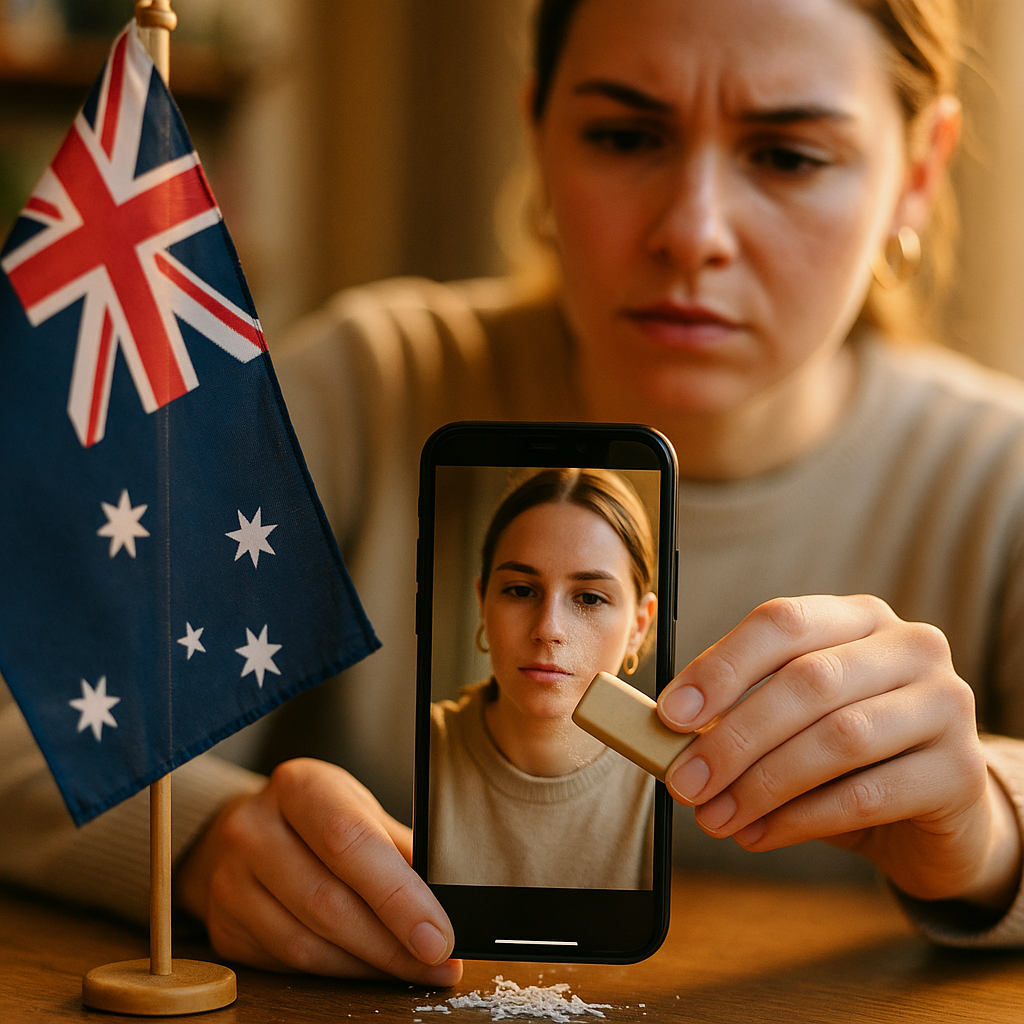
Here is an uncomfortable number for anyone running influencer programs that touch Australian consumers: non-compliance penalties under the revamped Privacy Act can now reach the greater of AU$50 million, three times the benefit gained, or 30% of adjusted turnover. That is not a parking ticket. It is a boardroom conversation. Australia’s Privacy Bill reforms, including a new right to erasure, are about to reshape how brands and agencies collect, store, and act on creator and audience data, and most influencer marketing stacks were never built with that in mind.
What the Right to Erasure Actually Requires
The right to erasure, sometimes called a right to deletion, gives individuals the ability to demand that an organization stop holding their personal information and remove it from active systems. Australia’s reforms, building on the Attorney-General’s Privacy Act Review, bring the country’s framework closer to the EU’s GDPR model, which has included erasure rights since 2018.
For brand marketers, the obvious reading is “this applies to consumer data, not creators.” That reading is wrong, or at least dangerously incomplete. Influencer programs generate mountains of personal data that sits outside the campaign brief: creator contact details, payment information, performance analytics tied to named individuals, audience demographic exports from affiliate platforms, and UGC rights databases that often include biometric or likeness data. Every one of those data sets can trigger an erasure request.
If your influencer CRM cannot produce a clean, auditable deletion within a defined window, you do not have a data strategy. You have a liability waiting for a complaint.
Agencies that run multi-market programs should already be familiar with this pattern. The EU has forced similar reckonings through its GDPR creator consent updates, and APAC regulators are moving in lockstep, as seen in Korea’s daily penalty bill and broader China creator data rules. Australia is simply the next major market where “we will deal with it later” stops being a viable strategy.
Why Creator Data Collection Is a Bigger Risk Than Consumer Data
Most brand compliance teams have spent years hardening consumer-facing privacy practices: cookie banners, consent management platforms, data processing agreements with ad tech vendors. Creator data collection has gotten almost none of that attention, largely because it felt like a vendor relationship rather than a consumer one.
That distinction collapses under Australia’s reformed definitions. A creator who shares their email, phone number, bank details, and audience insights with a brand or agency is, under the Privacy Act, an individual whose personal information deserves the same protections as any customer. The fact that they are paid for content does not exempt the relationship from the law.
- Payment and tax data held by finance teams or payroll platforms, often retained far longer than campaign cycles require.
- Audience analytics exported from TikTok Shop, Instagram, or affiliate dashboards that sometimes include identifiable follower segments.
- Biometric and likeness data captured through UGC licensing, AI content generation, or virtual try-on experiences.
- Contact and negotiation records stored in CRM tools, Slack threads, or shared spreadsheets with no retention policy at all.
Here is the part that should worry procurement teams: most of this data lives in third-party tools (influencer marketplaces, affiliate platforms, AI content generators) where the brand has limited visibility into retention practices. If a creator submits an erasure request to the brand, the brand is on the hook for making sure every downstream vendor complies too. That is the same accountability gap that has already surfaced in vendor liability disputes over AI scraping and in AI decisioning tools that lack a clear consent trail.
The Vendor Contract Problem Nobody Wants to Fix
Ask your legal team a simple question: if a creator demands deletion today, can you identify every system that holds their data within 72 hours? Most brands cannot answer yes. Influencer data typically flows through a patchwork of marketplaces, CRM tools, DAM systems, payment processors, and spreadsheets maintained by individual campaign managers. Each hop adds a point of failure.
The fix is not glamorous, but it is necessary: data processing agreements with every vendor that touches creator information, explicit deletion SLAs, and a documented chain of custody. This mirrors the retail media accountability gap flagged in retail media network ownership disputes, where nobody could agree who actually controlled the data once it left the brand’s hands.
How This Intersects With Existing Disclosure Obligations
Australia’s privacy reforms do not exist in isolation. They stack on top of an already crowded compliance landscape that includes ASIC guidance on financial influencers, ACCC consumer law enforcement, and emerging AI disclosure expectations. Brands running cross-border programs are already managing state-level AI disclosure requirements in the US and EU AI Act labeling rules. Layering a right to erasure on top means compliance teams need a unified data governance view, not a patchwork of market-specific fixes.
Consider a practical scenario. An Australian beauty creator partners with a global skincare brand. The brand’s affiliate platform tracks her commission data, her payment processor holds banking details, and an AI content tool stores a trained likeness model used for localized ad variants. If she requests erasure, the brand needs to coordinate deletion across at least three vendors simultaneously, while also honoring any contractual retention requirements for tax or audit purposes. Few influencer agreements currently address this conflict explicitly.
The brands that will struggle most are not the ones with bad intentions. They are the ones who assumed their influencer marketplace vendor “handled privacy” without ever confirming what that actually meant.
What Brand Teams Should Do Before the Bill Takes Full Effect
Treat this as an operational project, not a legal memo. Here is a practical sequence that compliance-minded marketing teams are already adopting:
- Audit every system that touches creator personal data, including shadow tools like personal spreadsheets or unsanctioned CRM exports.
- Set retention limits so creator data does not linger indefinitely after a campaign ends. Thirty to ninety days post-payout is a reasonable default for most non-financial records.
- Rewrite vendor contracts to include explicit deletion SLAs, ideally within 30 days of a verified request, matching the spirit of GDPR practice.
- Appoint a single owner for erasure requests, usually within legal or data governance, so creators are not bounced between marketing, finance, and IT.
- Document everything. Regulators under the reformed Privacy Act will expect evidence of process, not just policy language.
This is also an opportunity to tighten creator contracts more broadly. Programs dealing with franchise IP, as discussed in creator franchise IP agreements, or cross-platform rights issues covered in CTV creator contract disputes, already show how much friction comes from vague data and ownership clauses. Fixing data governance now reduces exposure across multiple compliance fronts at once, not just privacy.
It is also worth benchmarking against international standards bodies. The UK Information Commissioner’s Office publishes practical guidance on erasure request handling that translates well to Australian contexts, even though jurisdictions differ. Marketing leaders tracking spend allocation should also watch how compliance costs factor into overall budget planning, a trend eMarketer has flagged as a growing line item in influencer program budgets.
Does This Change How You Should Brief Creators?
Yes, and it is overdue. Creator briefs rarely mention data handling beyond content usage rights. Going forward, briefs should specify what personal data will be collected, how long it will be retained, and how a creator can request deletion. This is not just regulatory hygiene, it is a trust signal. Creators increasingly compare notes on which brands treat them professionally versus which ones ghost basic admin requests. A clear data policy in the brief is a small thing that pays off in creator relationships over time.
Platforms are not waiting around either. Expect influencer marketplaces and CRM vendors serving the Australian market to roll out “erasure request” workflows similar to what GDPR forced in Europe. Brands that get ahead of this by demanding it from vendors now, rather than reacting later, will have a smoother transition. For reference on how fast enforcement can escalate once a market moves, look at how South Korea’s FTC daily fines forced immediate contract rewrites across the region. Australia’s regulators have signaled similar appetite for enforcement, not just guidance.
Industry benchmarking resources like Sprout Social and HubSpot are already building privacy and consent management into their creator and CRM tooling guidance, a signal that this is becoming table stakes rather than a niche concern.
The Cost of Getting This Wrong
Beyond the headline penalty figures, the real cost is operational disruption. A brand facing a Privacy Commissioner investigation does not just pay a fine. It loses weeks of marketing team time producing records, explaining vendor relationships, and potentially pausing active campaigns while data practices are reviewed. That is the kind of hidden cost that never shows up in a campaign budget but absolutely shows up in a quarterly results conversation.
Compare that to the relatively modest cost of a data audit and updated vendor contracts now. The math favors acting early, and it is the same math that is playing out across state attorney general enforcement trends in other markets: regulators are moving faster than voluntary industry compliance, and the gap is where penalties get written.
Next step: run a 30-day audit of every tool touching creator personal data in your current programs, confirm each vendor can execute a deletion within a defined SLA, and update your standard creator brief to disclose data handling terms before Australia’s reformed Privacy Act enforcement powers fully kick in.
FAQs
Does Australia’s right to erasure apply to influencer and creator data, not just consumer data?
Yes. Creators are individuals whose personal information, including payment details, contact information, and analytics data, falls under the same protections as consumer data once the Privacy Bill reforms take effect.
How quickly must a brand respond to an erasure request from a creator?
The Bill does not fix a universal number, but most compliance teams are planning for response and deletion within 30 days, matching international norms like GDPR, to avoid regulatory scrutiny.
What happens if a third-party vendor refuses to delete creator data?
The brand remains accountable regardless of vendor cooperation. This is why updated data processing agreements with explicit deletion SLAs are essential before the reforms take full effect.
Are the penalties for non-compliance really tied to company turnover?
Yes. Penalties can reach the greater of a fixed dollar amount, three times the benefit obtained from the violation, or a percentage of adjusted turnover, making this a material financial risk for larger brands.
Should creator contracts be updated specifically for this reform?
Yes. Contracts and briefs should disclose what personal data is collected, how long it is retained, and how creators can submit deletion requests, reducing both legal exposure and creator relationship friction.
Top Influencer Marketing Agencies
The leading agencies shaping influencer marketing in 2026
Agencies ranked by campaign performance, client diversity, platform expertise, proven ROI, industry recognition, and client satisfaction. Assessed through verified case studies, reviews, and industry consultations.
Moburst

-
2

The Shelf
Boutique Beauty & Lifestyle Influencer AgencyA data-driven boutique agency specializing exclusively in beauty, wellness, and lifestyle influencer campaigns on Instagram and TikTok. Best for brands already focused on the beauty/personal care space that need curated, aesthetic-driven content.Clients: Pepsi, The Honest Company, Hims, Elf Cosmetics, Pure LeafVisit The Shelf → -
3

Audiencly
Niche Gaming & Esports Influencer AgencyA specialized agency focused exclusively on gaming and esports creators on YouTube, Twitch, and TikTok. Ideal if your campaign is 100% gaming-focused — from game launches to hardware and esports events.Clients: Epic Games, NordVPN, Ubisoft, Wargaming, Tencent GamesVisit Audiencly → -
4

Viral Nation
Global Influencer Marketing & Talent AgencyA dual talent management and marketing agency with proprietary brand safety tools and a global creator network spanning nano-influencers to celebrities across all major platforms.Clients: Meta, Activision Blizzard, Energizer, Aston Martin, WalmartVisit Viral Nation → -
5

The Influencer Marketing Factory
TikTok, Instagram & YouTube CampaignsA full-service agency with strong TikTok expertise, offering end-to-end campaign management from influencer discovery through performance reporting with a focus on platform-native content.Clients: Google, Snapchat, Universal Music, Bumble, YelpVisit TIMF → -
6

NeoReach
Enterprise Analytics & Influencer CampaignsAn enterprise-focused agency combining managed campaigns with a powerful self-service data platform for influencer search, audience analytics, and attribution modeling.Clients: Amazon, Airbnb, Netflix, Honda, The New York TimesVisit NeoReach → -
7

Ubiquitous
Creator-First Marketing PlatformA tech-driven platform combining self-service tools with managed campaign options, emphasizing speed and scalability for brands managing multiple influencer relationships.Clients: Lyft, Disney, Target, American Eagle, NetflixVisit Ubiquitous → -
8

Obviously
Scalable Enterprise Influencer CampaignsA tech-enabled agency built for high-volume campaigns, coordinating hundreds of creators simultaneously with end-to-end logistics, content rights management, and product seeding.Clients: Google, Ulta Beauty, Converse, AmazonVisit Obviously →