


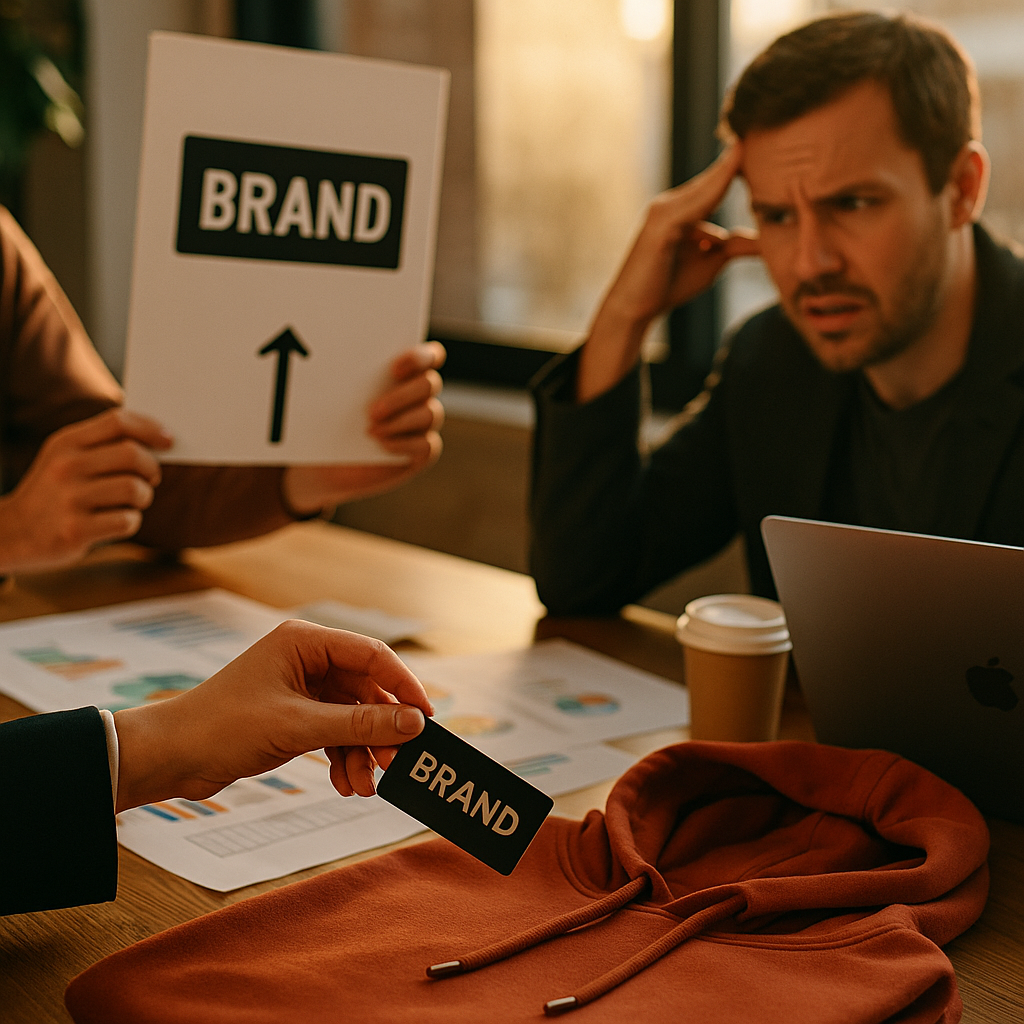
When a high-profile post-mortem of a brand collaboration revealed a logistical nightmare, it sent shockwaves through the marketing world. Collaborative campaigns can offer incredible gains, but when mismanaged, they expose deep operational weaknesses. Discover what went wrong and how leading brands now avoid these costly pitfalls.
The Anatomy of a Brand Collaboration Gone Wrong
Brand partnerships are more than sourcing matching aesthetics—behind the scenes, detailed planning and alignment are everything. In this ill-fated collaboration, two established brands with strong reputations joined forces, hoping to blend audiences for a major product launch. However, their lack of unified objectives and misaligned timelines led to missed deadlines, duplicated work, and product shortages. This fiasco highlights why logistical harmony is as crucial as creative synergy.
Miscommunication: The Root of the Logistical Nightmare
Communication breakdowns caused cascading errors throughout this project. Instead of setting up a central communication platform, teams defaulted to scattered email threads and sporadic meetings. For example, inventory levels were not properly shared, leading to entire regions missing out on launch products. Regular cross-team updates and clear, shared project documents could have prevented many embarrassing oversights and kept the collaboration on track.
Insufficient Supply Chain Integration Amplifies Issues
Effective brand partnerships rely on seamless supply chain integration. In this case, incompatible inventory systems meant orders weren’t tracked holistically. Delayed shipments became rampant, harming customer trust. According to a 2025 Statista survey, 71% of consumers expect accurate product availability and shipping information during collaborations. Brands must invest in integrated logistics technology to ensure transparency and agility across joint campaigns.
Differing Brand Cultures and Unclear Governance
When brands collaborate, aligning internal cultures and governance is paramount. Here, decision-making stalled because of overly complex approval processes and no dedicated collaboration leader. One brand prioritized speed, while the other moved cautiously, leading to missed opportunities and blame-shifting. Clear delineation of roles, a single point of contact, and mutually agreed-upon timelines could have mitigated much of the turmoil.
Learning from the Post-Mortem: Strategies to Avoid Disaster
This brand collaboration’s post-mortem underscores valuable lessons for today’s marketers:
- Set Unified Objectives: Agree on KPIs and success metrics before project kickoff.
- Establish Centralized Communication: Use collaborative project management tools to minimize confusion.
- Sync Supply Chains: Invest in integrated logistics and inventory tracking software.
- Clarify Roles and Governance: Designate a cross-company collaboration manager with authority to make timely decisions.
- Cultivate Cultural Harmony: Host joint workshops to foster trust and mutual respect between brand teams.
Brands that prioritize operational alignment over flashy announcements are far better positioned to deliver successful collaborations in 2025 and beyond.
Building Sustainable Brand Partnerships Post-2025
Embracing transparency, adaptive project management, and proactive governance builds trust both internally and with consumers. Brands now conduct thorough pre-collaboration audits, evaluating not just market fit but logistical compatibility. Those that share real-time data, maintain open dialogue, and respect each other’s operational rhythms can turn collaborations into enduring success stories.
FAQs About Post-Mortem Brand Collaboration Challenges
-
What are common causes of logistical nightmares in brand collaborations?
Poor communication, incompatible systems, unclear responsibilities, and cultural misalignment are top contributors. These issues disrupt schedules, inventory, and marketing efforts.
-
How can brands prevent major logistical errors when partnering?
Using integrated project management tools, designating a dedicated collaboration manager, and conducting joint supply chain planning sessions drastically reduces the risk of errors.
-
Are there tools to help manage brand collaborations?
Yes. Cloud-based platforms like Asana, Monday.com, and integrated ERP systems allow real-time tracking, communication, and resource sharing between partners.
-
What’s the main takeaway from failed collaborations?
Operational alignment is as important as creative synergy. Successful partnerships invest in communication, governance, and logistics integration before launching public campaigns.
A post-mortem on a brand collaboration that was a logistical nightmare proves that operational rigor is the foundation of successful partnerships. Plan comprehensively, communicate openly, and integrate your systems—your next collaboration could set new standards for the industry.
Top Influencer Marketing Agencies
The leading agencies shaping influencer marketing in 2026
Agencies ranked by campaign performance, client diversity, platform expertise, proven ROI, industry recognition, and client satisfaction. Assessed through verified case studies, reviews, and industry consultations.
Moburst

-
2

The Shelf
Boutique Beauty & Lifestyle Influencer AgencyA data-driven boutique agency specializing exclusively in beauty, wellness, and lifestyle influencer campaigns on Instagram and TikTok. Best for brands already focused on the beauty/personal care space that need curated, aesthetic-driven content.Clients: Pepsi, The Honest Company, Hims, Elf Cosmetics, Pure LeafVisit The Shelf → -
3

Audiencly
Niche Gaming & Esports Influencer AgencyA specialized agency focused exclusively on gaming and esports creators on YouTube, Twitch, and TikTok. Ideal if your campaign is 100% gaming-focused — from game launches to hardware and esports events.Clients: Epic Games, NordVPN, Ubisoft, Wargaming, Tencent GamesVisit Audiencly → -
4

Viral Nation
Global Influencer Marketing & Talent AgencyA dual talent management and marketing agency with proprietary brand safety tools and a global creator network spanning nano-influencers to celebrities across all major platforms.Clients: Meta, Activision Blizzard, Energizer, Aston Martin, WalmartVisit Viral Nation → -
5

The Influencer Marketing Factory
TikTok, Instagram & YouTube CampaignsA full-service agency with strong TikTok expertise, offering end-to-end campaign management from influencer discovery through performance reporting with a focus on platform-native content.Clients: Google, Snapchat, Universal Music, Bumble, YelpVisit TIMF → -
6

NeoReach
Enterprise Analytics & Influencer CampaignsAn enterprise-focused agency combining managed campaigns with a powerful self-service data platform for influencer search, audience analytics, and attribution modeling.Clients: Amazon, Airbnb, Netflix, Honda, The New York TimesVisit NeoReach → -
7

Ubiquitous
Creator-First Marketing PlatformA tech-driven platform combining self-service tools with managed campaign options, emphasizing speed and scalability for brands managing multiple influencer relationships.Clients: Lyft, Disney, Target, American Eagle, NetflixVisit Ubiquitous → -
8

Obviously
Scalable Enterprise Influencer CampaignsA tech-enabled agency built for high-volume campaigns, coordinating hundreds of creators simultaneously with end-to-end logistics, content rights management, and product seeding.Clients: Google, Ulta Beauty, Converse, AmazonVisit Obviously →