


Would you let a creator tell your audience your bestseller isn’t actually your best product? Brands running the blind ranking format are doing exactly that, and it’s converting better than their polished campaigns. In a climate where 88% of consumers say authenticity influences which brands they support, staged perfection is starting to cost more than it earns.
What Is the Blind Ranking Format?
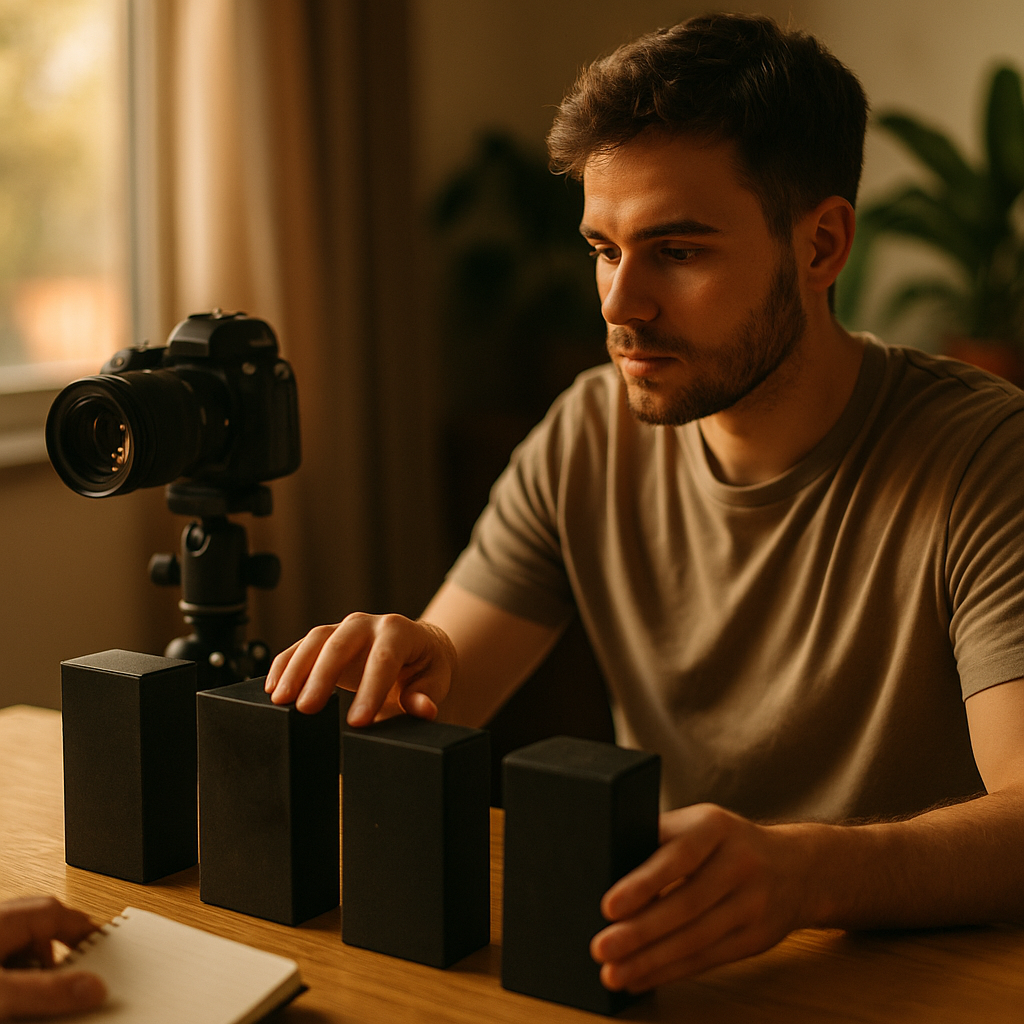
The premise is simple, almost uncomfortably so. A brand ships its full product line, or a category subset, to a creator. No talking points. No “lead with this SKU.” The creator tests everything, ranks it worst to best on camera, and posts the result unedited by brand input. Flaws get named. Favorites get crowned. The brand’s own hierarchy, decided by an actual user rather than a marketing deck.
It sounds risky because it is, in a narrow sense. You’re handing narrative control to someone outside your building. But that’s precisely why it works. Audiences have gotten remarkably good at detecting when a “review” is really a script in disguise, and they punish it with scroll-past indifference or, worse, comment-section skepticism.
A ranked list with one honest “skip this one” does more for purchase intent than five five-star reviews, because it proves the other four weren’t bought.
Why Brands Are Warming Up to Public Flaws
Marketers spent a decade optimizing for flawless. Every product shot retouched, every claim softened by legal, every testimonial vetted for enthusiasm. That approach built trust ceilings we’ve now hit. Edelman’s Trust Barometer research has repeatedly shown that consumers trust “a person like me” far more than brand-owned messaging, and blind ranking content is essentially manufactured proof of that dynamic, on your own product line, at your own initiative.
There’s also a simpler commercial logic. If a customer already suspects your $68 serum isn’t dramatically better than your $34 one, avoiding the topic doesn’t make the suspicion go away. It just means they’ll go find that comparison on Reddit or TikTok, made by someone with zero incentive to defend your margin structure. Better you commission the comparison, on your terms, with your disclosure, than let it happen without you in the room.
This isn’t charity. It’s risk transfer. You’re trading a small hit to a weaker product’s perceived status for a large gain in credibility across the whole catalog. Most brand portfolios have at least one item that’s underperforming or redundant. Naming it costs less than customers assume.
The Data Behind Radical Candor in Reviews
Reviews platforms have quietly confirmed this for years. Products with a review distribution that includes some 3-star and 4-star ratings convert better than those sitting at a suspicious, uniform 5.0. Shoppers read that uniformity as manipulation. Power Reviews and similar research groups have found conversion actually dips when a product has zero negative reviews, because it reads as unverified or gated. Blind ranking content applies that same psychology at the video level: a list that says “this one is fine but not great” makes the “great” verdict at the top of the list believable.
How to Brief It Without Losing Control of the Story
Handing over honesty doesn’t mean handing over strategy. You still architect the brief carefully, you just architect it around candor instead of around message discipline. Here’s what a workable brief structure looks like.
- Define the category, not the ranking. Tell the creator which products are in scope. Do not suggest an order, even subtly, through packaging emphasis or “this one’s our newest.”
- Set testing criteria upfront. Ask the creator to rank on stated dimensions, texture, longevity, value for money, ease of use, so the ranking has visible logic rather than reading as a mood.
- Require disclosure at the top of the video. This is a paid or gifted partnership regardless of how unscripted the content feels, and FTC guidance applies exactly the same way it would to a glowing single-product review.
- Build in a real testing window. A 24-hour turnaround produces shallow rankings. Give creators a week or two of actual use before filming, especially for skincare, supplements, or anything with a break-in period.
- Agree on a no-veto clause, in writing, before content is filmed. The brand can request a reshoot for technical or compliance reasons, not because the ranking was unflattering.
That last point is the one brands struggle with most. Legal and brand teams instinctively want an approval step. But approval defeats the format’s entire value proposition. If viewers sense the brand edited the verdict, you’ve recreated the exact trust problem this format exists to solve. This connects to a broader lesson from other unscripted formats: our reverse unboxing coverage found the same thing: audiences reward brands willing to show the unflattering parts of the process, not just the finished product.
Where Blind Ranking Fits in a Broader Creator Strategy
Blind ranking isn’t a standalone tactic; it slots into a larger honesty-forward content trend that’s reshaping briefing standards across the industry. Formats like the confession-booth format and product rescue content work on the same principle: give creators room to be critical, and the praise that survives becomes far more persuasive. Brands running multiple honesty-driven formats often batch production, similar to the efficiency logic behind a package-deal creative brief, so one shoot day yields a ranking video, a comparison cutdown, and organic social assets.
If you’re running a full product line comparison, pair it with a split-screen price comparison format for the SKUs that land closest in the ranking. Viewers who see two products neck-and-neck in a ranked list often want the head-to-head detail immediately after, and that’s a natural second content piece from the same testing period.
What Goes Wrong When Brands Fake the Ranking
Audiences have seen enough “brutally honest ranking” videos to spot a rigged one. The tells are consistent: every “flaw” is cosmetic (packaging color, scent preference) rather than functional; the newest or highest-margin product always wins; the creator’s tone shifts to noticeably more enthusiastic language right at the top of the list. When viewers catch this, the damage isn’t limited to that one video. It retroactively poisons every other piece of creator content from that brand, because now the audience assumes all of it was scripted.
The fix is structural, not tonal. Choose creators who genuinely didn’t know the brand’s internal bestseller data before testing. Don’t seed talking points through a “just for reference” call before filming. And resist the urge to have legal review anything beyond the disclosure language and factual claims. If your compliance team is editing the ranking logic, you no longer have a blind ranking, you have a testimonial with extra steps.
Measuring Whether It Actually Worked
Standard engagement metrics undersell this format. A ranking video’s real value shows up downstream: in the sell-through rate of the product that landed mid-pack, in reduced return rates for the top-ranked item (because expectations were calibrated honestly), and in comment sentiment on the brand’s own channels afterward. Track branded search lift for the specific SKU that “won” the ranking. That’s a stronger signal than views, because it means someone trusted the verdict enough to act on it days or weeks later.
It’s also worth watching whether the lowest-ranked product’s sales actually drop, or simply plateau. In several documented cases across the beauty and supplement categories, the “loser” product still sold reasonably well, just to a more accurately matched customer, one who wanted a budget or lighter-strength option rather than the flagship. Honest ranking doesn’t necessarily shrink your bottom SKU; it just puts the right customer in front of it.
The goal isn’t to make every product win. It’s to make every purchase decision feel informed, which is what actually reduces returns and refund requests.
For brands nervous about FTC exposure on unscripted formats generally, it’s worth reviewing FTC endorsement guidance directly rather than relying on platform-level disclosure tools alone, since the disclosure obligation sits with both brand and creator. Industry benchmarking from eMarketer and creator-economy trend data from Sprout Social are useful for benchmarking engagement rates on comparison-style content specifically, since it behaves differently from standard product demos in the algorithm.
Who Should Not Run This Format
Blind ranking assumes your product line can survive scrutiny. If your portfolio has genuine quality gaps, an item that’s simply broken, mislabeled, or misrepresented, this format will surface that publicly and fast. It’s not a format for brands mid-crisis or mid-recall. It’s also a poor fit for single-SKU brands with nothing to rank against, though those brands can borrow the same honesty principle through formats like the overnight transformation format, which applies unscripted candor to a single product’s real-world performance instead of a lineup.
The Next Step
Pick your smallest, lowest-risk product category, three to five SKUs, and run one blind ranking test with a single trusted creator before scaling it brand-wide. Watch the sell-through data on whichever product lands last, not just the top pick, since that’s the number that tells you whether honesty is actually converting or just generating comments.
FAQs
What is the blind ranking format in influencer marketing?
It’s a creator brief where a brand ships its full product line to a creator who tests everything and ranks it publicly, worst to best, without brand approval over the final verdict.
Is the blind ranking format FTC compliant?
Yes, provided the creator discloses the paid or gifted relationship clearly at the start of the content, regardless of how unscripted or critical the ranking appears.
Does ranking a product last hurt its sales?
Not necessarily. In many cases the lowest-ranked product still sells, just to customers whose needs match it better, because expectations were set honestly rather than inflated.
How do brands keep control without scripting the ranking?
By setting testing criteria and category scope upfront, then limiting review rights to compliance and factual accuracy rather than the actual order of the ranking.
Which brands should avoid this format?
Brands with a known quality issue, a single-SKU catalog, or an active product crisis should hold off, since the format is designed to surface real flaws quickly and publicly.
Top Influencer Marketing Agencies
The leading agencies shaping influencer marketing in 2026
Agencies ranked by campaign performance, client diversity, platform expertise, proven ROI, industry recognition, and client satisfaction. Assessed through verified case studies, reviews, and industry consultations.
Moburst

-
2

The Shelf
Boutique Beauty & Lifestyle Influencer AgencyA data-driven boutique agency specializing exclusively in beauty, wellness, and lifestyle influencer campaigns on Instagram and TikTok. Best for brands already focused on the beauty/personal care space that need curated, aesthetic-driven content.Clients: Pepsi, The Honest Company, Hims, Elf Cosmetics, Pure LeafVisit The Shelf → -
3

Audiencly
Niche Gaming & Esports Influencer AgencyA specialized agency focused exclusively on gaming and esports creators on YouTube, Twitch, and TikTok. Ideal if your campaign is 100% gaming-focused — from game launches to hardware and esports events.Clients: Epic Games, NordVPN, Ubisoft, Wargaming, Tencent GamesVisit Audiencly → -
4

Viral Nation
Global Influencer Marketing & Talent AgencyA dual talent management and marketing agency with proprietary brand safety tools and a global creator network spanning nano-influencers to celebrities across all major platforms.Clients: Meta, Activision Blizzard, Energizer, Aston Martin, WalmartVisit Viral Nation → -
5

The Influencer Marketing Factory
TikTok, Instagram & YouTube CampaignsA full-service agency with strong TikTok expertise, offering end-to-end campaign management from influencer discovery through performance reporting with a focus on platform-native content.Clients: Google, Snapchat, Universal Music, Bumble, YelpVisit TIMF → -
6

NeoReach
Enterprise Analytics & Influencer CampaignsAn enterprise-focused agency combining managed campaigns with a powerful self-service data platform for influencer search, audience analytics, and attribution modeling.Clients: Amazon, Airbnb, Netflix, Honda, The New York TimesVisit NeoReach → -
7

Ubiquitous
Creator-First Marketing PlatformA tech-driven platform combining self-service tools with managed campaign options, emphasizing speed and scalability for brands managing multiple influencer relationships.Clients: Lyft, Disney, Target, American Eagle, NetflixVisit Ubiquitous → -
8

Obviously
Scalable Enterprise Influencer CampaignsA tech-enabled agency built for high-volume campaigns, coordinating hundreds of creators simultaneously with end-to-end logistics, content rights management, and product seeding.Clients: Google, Ulta Beauty, Converse, AmazonVisit Obviously →