


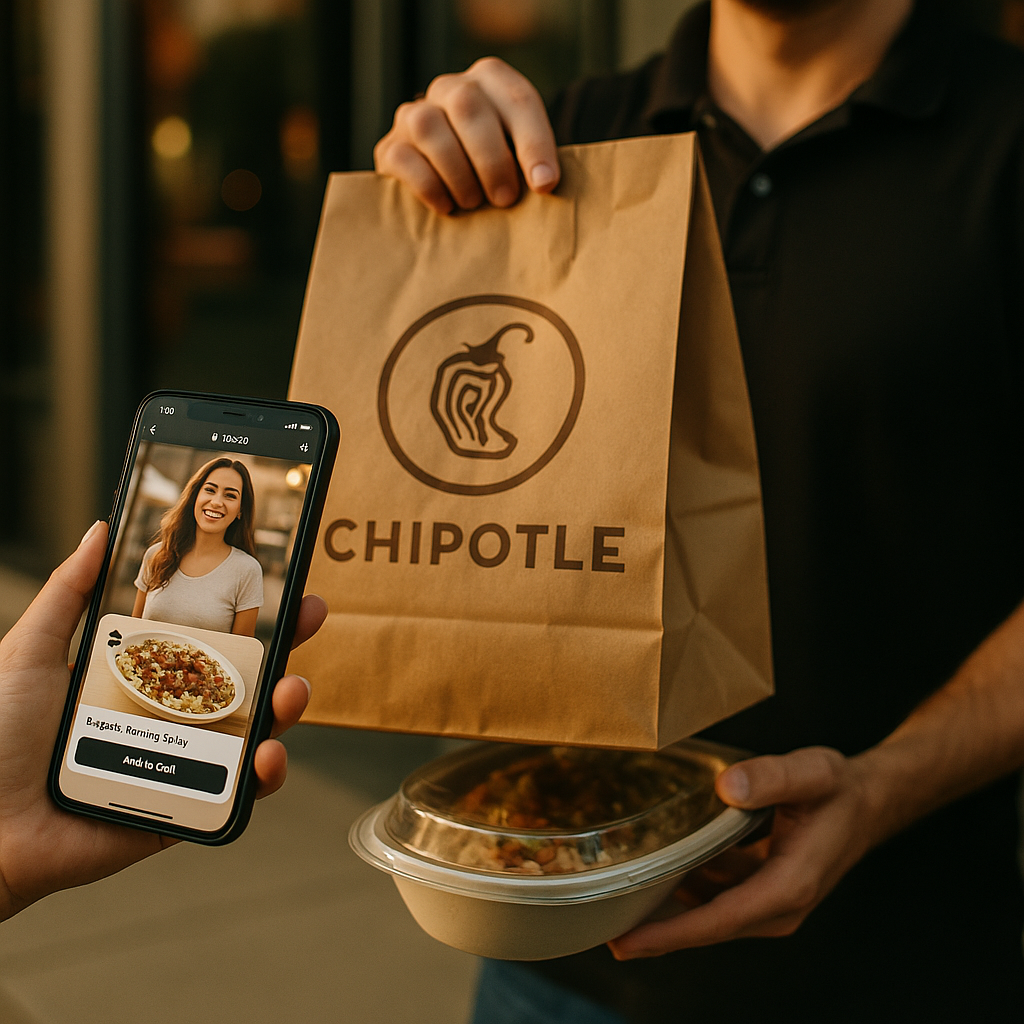
Same-day attribution is the metric most influencer programs still fake their way through. Chipotle didn’t. When it built its TikTok Shop affiliate compliance for same-day order attribution, the chain turned a notoriously murky measurement problem into a repeatable operational system, and the results are forcing other QSR brands to rethink how they structure creator commerce entirely.
The Attribution Problem Every Brand Ignores Until It Can’t
Most brands running affiliate programs on TikTok Shop still rely on last-click windows stretched across seven, fourteen, even thirty days. That’s fine for considered purchases. It’s useless for a burrito bowl someone orders forty minutes after watching a creator video during their lunch break.
Chipotle’s finance and digital teams flagged this early. Standard TikTok Shop attribution windows weren’t built for quick-service commerce, where the gap between impulse and purchase is measured in minutes, not days. Longer windows meant conversions got credited to the wrong touchpoint, or worse, double-counted across paid and organic creator content. That’s not a minor reporting nuisance. It’s a budget allocation problem, because marketing leaders can’t defend spend they can’t isolate.
When same-day orders make up the bulk of conversion volume, any attribution model built for multi-day consideration cycles will systematically undercount your best-performing creators and overcount your worst.
So Chipotle rebuilt the compliance framework around a same-day standard, tightening creator tagging requirements, disclosure timing, and product-link hygiene until the data actually reflected reality. This is the same instinct behind Chipotle’s earlier work turning TikTok menu hacks into trackable sales, but the affiliate compliance layer takes it further by formalizing the rules creators must follow to even qualify for commission.
What “Compliance” Actually Meant Here
Compliance, in this context, isn’t just FTC disclosure boilerplate. It’s a structured set of technical and editorial requirements creators had to meet before their content counted toward attribution at all.
Chipotle’s framework included:
- Mandatory native TikTok Shop tagging on every video, no external link workarounds. Off-platform links break the closed-loop tracking TikTok Shop depends on.
- Time-stamped disclosure placement within the first three seconds of video, meeting both FTC guidance and TikTok’s branded content policies.
- Single-SKU or bundle-specific tagging rather than generic storefront links, so attribution could tie back to the exact menu item featured.
- Creator-level UTM parity layered on top of TikTok’s native pixel data, giving Chipotle’s analytics team a secondary verification source.
- A 24-hour attribution ceiling for affiliate commission eligibility, explicitly excluding delayed conversions that couldn’t be reasonably tied to the original video view.
That last point is the one competitors keep getting wrong. Most affiliate programs default to whatever window the platform offers because building a custom one requires engineering resources most brand marketing teams don’t have direct control over. Chipotle treated it as a cross-functional project between marketing, data science, and legal, not a checkbox in the influencer platform’s dashboard.
Why Same-Day Windows Change Creator Behavior
Here’s the part that surprised even Chipotle’s own team: tightening the attribution window didn’t hurt creator performance. It improved content quality.
When creators knew their commission depended on driving action within hours, not days, they stopped making generic “check out this menu hack” videos and started building genuine urgency. Limited-time bundle call-outs. “Order before this drops off the app” framing. Countdown-style captions.
It’s a small psychological shift, but it compounds. A creator optimizing for a same-day conversion window behaves more like a direct-response marketer and less like a brand ambassador. That’s exactly the behavior Chipotle wanted, and it mirrors what Vessi found when turning a single TikTok video into a shop referral engine: tighter feedback loops between content and purchase produce sharper creative, not weaker.
The Compliance Stack: Legal, Platform, and Creator Contract Layers
Three layers had to align for this to work, and most brands only ever build one or two of them properly.
Legal layer. Disclosure requirements under FTC guidelines aren’t optional, and TikTok Shop’s own creator marketplace policies add platform-specific rules on top. Chipotle’s legal team built disclosure templates creators could drop straight into captions and voiceovers, reducing the “creator forgot to disclose” risk that’s tanked other brands’ campaigns. The FTC’s endorsement guidance is unambiguous about material connections needing clear disclosure, and TikTok Shop’s affiliate structure counts as exactly that.
Platform layer. TikTok Shop’s native attribution tools track clicks-to-purchase within its closed ecosystem, but only if creators use in-app product links correctly. Chipotle required creators to route through TikTok Shop’s official tagging flow exclusively, no Linktree stacking, no bio-link redirects. That single rule eliminated a huge chunk of the attribution leakage brands typically write off as “unattributable revenue.”
Contract layer. Affiliate agreements specified commission eligibility tied directly to the 24-hour window and correct tagging compliance. Creators who didn’t follow the format simply didn’t get paid on affiliate terms, they’d fall back to flat-fee arrangements if those existed. That’s a strong incentive structure. Nobody ignores compliance requirements when their check depends on it.
Same-Day Attribution: What the Data Actually Showed
Chipotle hasn’t published exact affiliate revenue figures, understandably, but the directional data lines up with broader category trends. eMarketer’s research on social commerce shows TikTok Shop driving increasingly compressed purchase cycles for food and beverage categories compared to fashion or beauty, where consideration windows run longer. Food is impulse-driven. Attribution models should reflect that.
Internally, Chipotle’s tighter window reportedly reduced reporting discrepancies between TikTok’s native dashboard and the brand’s own commerce analytics, closing a gap that had previously made ROI conversations with finance more contentious than they needed to be.
That gap matters more than people admit. When native platform reporting and brand-side analytics disagree by 15-20%, which is common, finance teams default to skepticism about the entire channel. Chipotle’s compliance restructuring wasn’t just a measurement fix. It was a trust-rebuilding exercise between marketing and finance.
Fixing attribution isn’t a data science problem alone, it’s a credibility problem. Marketing teams that can’t reconcile platform and internal numbers lose budget arguments regardless of actual performance.
What Other Brands Get Wrong Trying to Copy This
Plenty of QSR and CPG brands have tried replicating Chipotle’s TikTok Shop playbook after seeing how it turned menu hacks into trackable orders. Most stumble on the same three things.
First, they treat compliance as a creator-side responsibility only, sending a disclosure guideline PDF and hoping for the best. Chipotle built enforcement into the payment structure itself, which is a fundamentally stronger lever than a guidelines document nobody reads twice.
Second, they don’t loop in legal early enough. Attribution windows, disclosure timing, and platform tagging rules all touch regulatory risk. Treating this purely as a marketing ops decision creates exposure that shows up months later as an FTC compliance issue, not a marketing one.
Third, and this is the subtle one: brands copy the attribution window number without understanding why it was chosen. A 24-hour standard makes sense for a $9 burrito bowl. It might not make sense for a $60 skincare bundle where consideration naturally takes longer. Brands in categories like beauty or home goods, similar to what Rare Beauty built with its creator cohort strategy, need windows calibrated to actual purchase behavior in their category, not borrowed from a QSR case study.
A Note on Nano and Micro-Creator Programs
Chipotle’s affiliate compliance framework runs alongside its broader creator seeding efforts, and there’s a lesson here that echoes what Aldi found with nano-creator grocery hauls: smaller creators, given clear structural rules, often produce cleaner attribution data than larger ones. Why? Fewer legacy habits to unlearn. A nano-creator onboarded directly into a compliant tagging workflow doesn’t have three years of bio-link muscle memory to override. Chipotle reportedly prioritized nano and micro-tier creators specifically for the affiliate same-day tests before scaling to larger partners, treating them as a lower-risk testing ground for the compliance framework before full rollout.
This mirrors a pattern showing up across categories. Brands like Liquid Death and Warby Parker have found that nano-creator seeding beats paid search on cost efficiency precisely because smaller creators are easier to standardize across a compliance framework. Scale amplifies whatever structure you already have, good or bad.
The Operational Checklist
For brand marketers looking to replicate this without Chipotle’s internal engineering resources, the framework compresses into five steps:
- Audit your current attribution window against actual category purchase behavior, not platform defaults.
- Mandate native platform tagging exclusively, eliminate off-platform link workarounds in creator contracts.
- Build disclosure compliance into payment eligibility, not a separate guidelines document.
- Loop legal into attribution window decisions before finalizing creator contracts, not after a complaint.
- Run a nano-creator pilot before scaling the compliance framework to larger partnerships.
None of this requires exotic technology. It requires treating compliance as an operational system with enforcement mechanisms, not a policy document creators are trusted to read.
Next step: Pull your last quarter’s TikTok Shop affiliate data and check how many conversions are attributed outside a same-day window. If that number is high, you’re not measuring influencer impact, you’re measuring noise, and it’s costing you budget arguments you should be winning.
FAQs
What is same-day order attribution in influencer marketing?
Same-day order attribution means crediting a purchase to a specific creator’s content only if the order happens within 24 hours of the video interaction, rather than using longer multi-day windows that risk misattributing conversions to the wrong touchpoint.
Why did Chipotle shorten its TikTok Shop attribution window?
Chipotle found that standard multi-day attribution windows didn’t match actual purchase behavior for quick-service food, where impulse-driven orders typically happen within minutes or hours of viewing content, not days later.
Does tighter attribution hurt creator commission earnings?
Not necessarily. Chipotle’s approach shows tighter windows can actually improve content quality, as creators shift toward urgency-driven messaging that drives faster action, which can increase conversion rates even with a shorter eligibility window.
What compliance elements matter most for TikTok Shop affiliate programs?
Native platform tagging (no off-platform links), timely FTC-compliant disclosure, SKU-specific product linking, and payment eligibility tied directly to compliance rules are the core elements that make attribution data trustworthy.
Can smaller brands replicate Chipotle’s compliance framework?
Yes. The framework doesn’t require custom engineering, it requires enforcing native tagging, building disclosure into contracts, and calibrating the attribution window to actual category purchase behavior rather than defaulting to platform settings.
Top Influencer Marketing Agencies
The leading agencies shaping influencer marketing in 2026
Agencies ranked by campaign performance, client diversity, platform expertise, proven ROI, industry recognition, and client satisfaction. Assessed through verified case studies, reviews, and industry consultations.
Moburst

-
2

The Shelf
Boutique Beauty & Lifestyle Influencer AgencyA data-driven boutique agency specializing exclusively in beauty, wellness, and lifestyle influencer campaigns on Instagram and TikTok. Best for brands already focused on the beauty/personal care space that need curated, aesthetic-driven content.Clients: Pepsi, The Honest Company, Hims, Elf Cosmetics, Pure LeafVisit The Shelf → -
3

Audiencly
Niche Gaming & Esports Influencer AgencyA specialized agency focused exclusively on gaming and esports creators on YouTube, Twitch, and TikTok. Ideal if your campaign is 100% gaming-focused — from game launches to hardware and esports events.Clients: Epic Games, NordVPN, Ubisoft, Wargaming, Tencent GamesVisit Audiencly → -
4

Viral Nation
Global Influencer Marketing & Talent AgencyA dual talent management and marketing agency with proprietary brand safety tools and a global creator network spanning nano-influencers to celebrities across all major platforms.Clients: Meta, Activision Blizzard, Energizer, Aston Martin, WalmartVisit Viral Nation → -
5

The Influencer Marketing Factory
TikTok, Instagram & YouTube CampaignsA full-service agency with strong TikTok expertise, offering end-to-end campaign management from influencer discovery through performance reporting with a focus on platform-native content.Clients: Google, Snapchat, Universal Music, Bumble, YelpVisit TIMF → -
6

NeoReach
Enterprise Analytics & Influencer CampaignsAn enterprise-focused agency combining managed campaigns with a powerful self-service data platform for influencer search, audience analytics, and attribution modeling.Clients: Amazon, Airbnb, Netflix, Honda, The New York TimesVisit NeoReach → -
7

Ubiquitous
Creator-First Marketing PlatformA tech-driven platform combining self-service tools with managed campaign options, emphasizing speed and scalability for brands managing multiple influencer relationships.Clients: Lyft, Disney, Target, American Eagle, NetflixVisit Ubiquitous → -
8

Obviously
Scalable Enterprise Influencer CampaignsA tech-enabled agency built for high-volume campaigns, coordinating hundreds of creators simultaneously with end-to-end logistics, content rights management, and product seeding.Clients: Google, Ulta Beauty, Converse, AmazonVisit Obviously →