


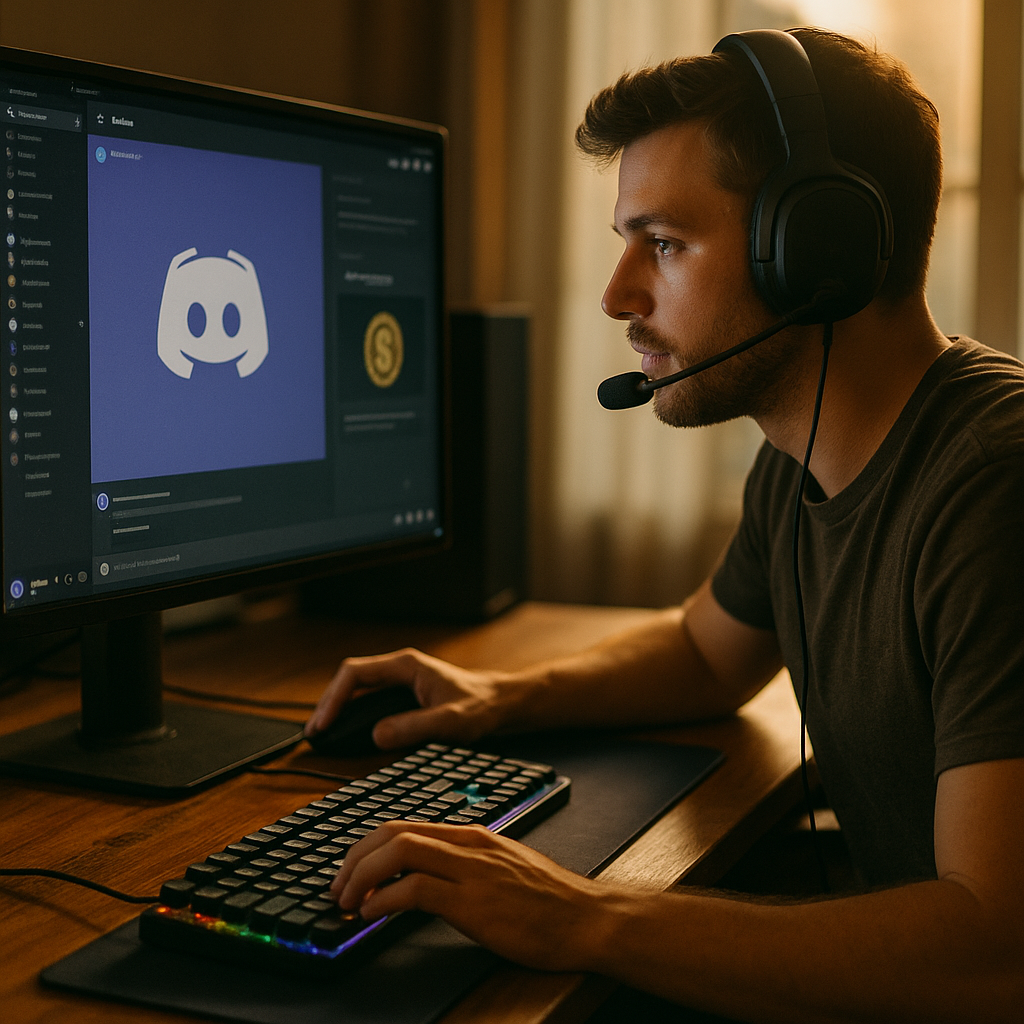
Discord now hosts more than 200 million monthly active users, and a growing share of them spend more time in creator-run servers than on any single social feed. Yet most brand safety teams still treat Discord as a black box. Sponsoring creator-run community servers is quietly becoming one of the highest-retention, lowest-noise plays in the creator economy, if you know how to structure the deal.
Why Discord Sponsorships Look Different From Every Other Platform
Every other platform in the influencer stack sells you reach against a feed. Discord sells you access to a room. That distinction matters more than it sounds. A creator’s Discord server is an owned audience wrapped in a private, opt-in environment where members have already self-selected for deep interest in a topic, whether that’s competitive gaming, fintech education, fitness programming, or niche fandoms.
There’s no algorithm deciding who sees your sponsored message. Members either read the announcements channel or they don’t. That kills the vanity-metrics game brands love to play on TikTok or Instagram, but it also means the people who do see your placement are genuinely there.
A Discord server sponsorship isn’t a reach buy. It’s a trust rental, and trust doesn’t scale the way impressions do.
What You’re Actually Buying
When a brand sponsors a creator-run Discord server, the deliverables typically fall into a handful of buckets:
- Branded channels or roles: a dedicated channel, a custom member role, or badge tied to the sponsorship.
- Pinned announcements: recurring posts in high-traffic channels like #announcements or #general.
- Voice or Stage events: live AMAs, product walkthroughs, or co-hosted community calls.
- Bot integrations: custom commands, giveaway bots, or verification flows that surface your brand inside the server’s daily rituals.
- Exclusive perks: early access codes, beta invites, or discount drops gated behind server membership.
None of this is standardized the way a TikTok Shop affiliate rate or a YouTube pre-roll buy is. Every deal gets negotiated individually with the creator or the moderator team running the server, which is both the opportunity and the operational headache.
The Math That Actually Matters: Engagement Density, Not Follower Count
Forget follower counts. On Discord, the metric that predicts ROI is engagement density: messages per active member, voice channel occupancy, and retention across weeks, not days. A server with 8,000 members and consistent daily voice activity will usually outperform a server with 80,000 members that logs in once for a game patch announcement.
Ask creators for their server insights dashboard before you commit budget. Legit community-first creators track this obsessively because their own monetization depends on it (Nitro boosts, server subscriptions, merch drops). If a creator can’t produce basic activity data, that’s a signal, not an oversight.
According to eMarketer, community-based platforms are seeing disproportionate growth in time-spent metrics compared to open social feeds, a trend that tracks with what brand teams are reporting anecdotally from Discord pilots. Meanwhile, Sprout Social research on community management consistently shows that owned, opt-in spaces convert better on trust-dependent categories like finance, health, and B2B software than open social platforms do.
Building the Brief: What to Ask Creators For
A Discord sponsorship brief should look nothing like an Instagram Reels brief. You’re not writing hook lines and shot lists. You’re negotiating placement inside a living community, so the brief needs to cover:
- Channel mapping: which channels get the placement, and what’s the average daily message volume in each?
- Moderator sign-off: does the mod team (often unpaid volunteers) approve sponsored content, or does the creator have unilateral control?
- Frequency caps: how often can sponsored messages post before members start muting the channel or leaving?
- Disclosure language: how will the server label sponsored content to stay compliant with FTC endorsement guidelines?
- Exit terms: what happens to your branded role, pinned posts, or bot integration when the contract ends?
That last point trips up a lot of brand teams. Unlike a sponsored post that ages out of a feed, a branded Discord role or pinned message can linger indefinitely unless someone actively removes it. Build removal into the contract, not as an afterthought.
Disclosure Isn’t Optional, and Discord Makes It Harder
The FTC’s endorsement rules apply inside Discord the same way they apply on Instagram or YouTube. The problem is enforcement visibility. A sponsored pinned message can get buried under a scroll of member chatter within hours, and a “sponsored” tag in a channel description isn’t the same as a clear, conspicuous disclosure at the point of the actual endorsement.
Brand legal and compliance teams should require creators to:
- Tag sponsored messages with a visible label (not just a channel-wide disclaimer)
- Repeat disclosure in voice events and Stage channels, since audio content can’t rely on visual tags alone
- Archive sponsored content for a defined retention window in case of audit or dispute
This is the same discipline brands are already applying to sponsorship disclosure on other platforms, and it’s arguably more important here because Discord’s private, ephemeral nature makes screenshots and archives the only real audit trail.
Picking the Right Server: A Filter, Not a Vibe Check
Not every creator with a Discord server is a good sponsorship candidate. Before committing budget, run servers through a short filter:
- Moderation quality: are there active mods enforcing community guidelines, or is it a free-for-all?
- Member churn: does the server retain members past the first 30 days, or is it mostly drive-by traffic from a single viral moment?
- Existing sponsor history: has the creator run sponsorships before, and did those brands report satisfaction? Ask for references. Yes, actually ask.
- Category fit: does the server’s core topic align with your product category closely enough that members won’t perceive the sponsorship as an intrusion?
Category fit is the one brands underestimate most. A gaming peripherals brand sponsoring a competitive esports server makes obvious sense. A fintech app trying to buy its way into that same server, without a clear tie-in, will read as tone-deaf no matter how well-produced the placement is.
Budget Ranges and Negotiation Reality
Pricing on Discord sponsorships is still wildly inconsistent because there’s no marketplace standard the way there is with TikTok’s ad platform or Meta’s business tools. Expect to negotiate case by case, factoring in:
- Server size and active member percentage (not total member count)
- Duration of the sponsorship (single event vs. ongoing monthly retainer)
- Whether the creator is also promoting the sponsorship across other channels (YouTube, X, newsletter) to drive traffic into the server
- Custom development work, like bot builds or verification flows, which should be billed separately from the base sponsorship fee
Mid-tier creators with servers in the 5,000 to 25,000 member range are often the sweet spot for brands testing this channel. Enterprise-scale servers tied to major streamers or franchises command premium rates but come with the same brand safety scrutiny you’d apply to any large-scale influencer partnership.
Where This Fits in a Broader Creator Strategy
Discord sponsorships shouldn’t operate in isolation. The strongest programs treat the server as one node in a larger creator ecosystem, feeding traffic from platforms like Twitch drops campaigns or YouTube content into the community, then using the server itself to deepen retention and gather first-party feedback. Some brands are also experimenting with cross-posting sponsored community perks into adjacent spaces, similar to how early-adopter platform strategies get tested before mainstream ad tools arrive.
If your team is already running structured creator briefs elsewhere, the discipline of rebuilding briefs for new formats applies directly here. Discord just demands a version built around community norms instead of content formats.
For deeper platform benchmarking, HubSpot’s marketing research and Statista’s platform usage data are useful starting points for building the internal business case before you pitch this channel to leadership.
FAQs
Frequently Asked Questions
What does it cost to sponsor a Discord server?
Pricing varies widely and isn’t standardized like ad platform rate cards. Expect negotiations based on active member counts, sponsorship duration, and whether custom bot or channel work is required, with mid-tier servers often offering the best cost-to-engagement ratio for brands testing the channel.
How do I measure ROI on a Discord sponsorship?
Track engagement density metrics like messages per active member, voice channel occupancy during sponsored events, and retention of members acquired through sponsored perks, rather than relying on total server size alone.
Is Discord sponsorship compliant with FTC disclosure rules?
Yes, but it requires extra diligence. Sponsored messages need visible, point-of-endorsement disclosure rather than a general channel disclaimer, and voice or Stage events need verbal disclosure since there’s no visual tag to rely on.
What size Discord server is worth sponsoring?
Server size matters less than activity. A smaller server with high daily engagement and strong moderation often outperforms a larger, less active one, so request activity data before evaluating based on member count.
Can brands run Discord sponsorships alongside other creator platforms?
Yes, and it often works best that way. Many brands use Discord as a retention layer that receives traffic driven by sponsorships on platforms like Twitch or YouTube, then uses the community space to deepen loyalty and collect direct feedback.
Next step: pick one creator-run server in your category, request their engagement dashboard, and run a single 30-day pilot sponsorship with clear disclosure and exit terms before committing to an annual retainer.
Top Influencer Marketing Agencies
The leading agencies shaping influencer marketing in 2026
Agencies ranked by campaign performance, client diversity, platform expertise, proven ROI, industry recognition, and client satisfaction. Assessed through verified case studies, reviews, and industry consultations.
Moburst

-
2

The Shelf
Boutique Beauty & Lifestyle Influencer AgencyA data-driven boutique agency specializing exclusively in beauty, wellness, and lifestyle influencer campaigns on Instagram and TikTok. Best for brands already focused on the beauty/personal care space that need curated, aesthetic-driven content.Clients: Pepsi, The Honest Company, Hims, Elf Cosmetics, Pure LeafVisit The Shelf → -
3

Audiencly
Niche Gaming & Esports Influencer AgencyA specialized agency focused exclusively on gaming and esports creators on YouTube, Twitch, and TikTok. Ideal if your campaign is 100% gaming-focused — from game launches to hardware and esports events.Clients: Epic Games, NordVPN, Ubisoft, Wargaming, Tencent GamesVisit Audiencly → -
4

Viral Nation
Global Influencer Marketing & Talent AgencyA dual talent management and marketing agency with proprietary brand safety tools and a global creator network spanning nano-influencers to celebrities across all major platforms.Clients: Meta, Activision Blizzard, Energizer, Aston Martin, WalmartVisit Viral Nation → -
5

The Influencer Marketing Factory
TikTok, Instagram & YouTube CampaignsA full-service agency with strong TikTok expertise, offering end-to-end campaign management from influencer discovery through performance reporting with a focus on platform-native content.Clients: Google, Snapchat, Universal Music, Bumble, YelpVisit TIMF → -
6

NeoReach
Enterprise Analytics & Influencer CampaignsAn enterprise-focused agency combining managed campaigns with a powerful self-service data platform for influencer search, audience analytics, and attribution modeling.Clients: Amazon, Airbnb, Netflix, Honda, The New York TimesVisit NeoReach → -
7

Ubiquitous
Creator-First Marketing PlatformA tech-driven platform combining self-service tools with managed campaign options, emphasizing speed and scalability for brands managing multiple influencer relationships.Clients: Lyft, Disney, Target, American Eagle, NetflixVisit Ubiquitous → -
8

Obviously
Scalable Enterprise Influencer CampaignsA tech-enabled agency built for high-volume campaigns, coordinating hundreds of creators simultaneously with end-to-end logistics, content rights management, and product seeding.Clients: Google, Ulta Beauty, Converse, AmazonVisit Obviously →