


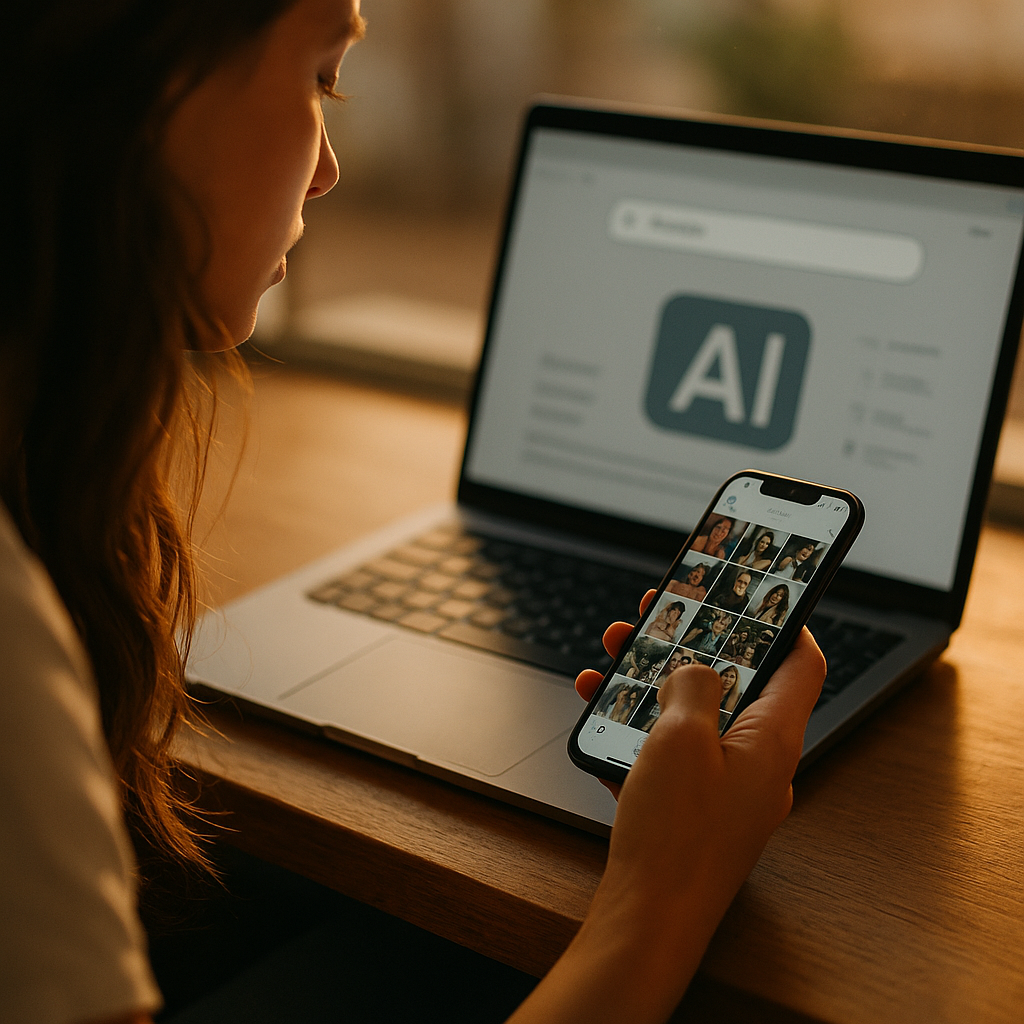
Only 22% of product discovery now starts on a social feed, down from nearly half three years ago. If your creator strategy still treats Instagram and TikTok as the first touchpoint, you’re optimizing for a moment that’s already passed. Consumer discovery has fragmented into search engines, retail marketplaces, and AI chat interfaces, and brands that haven’t rebuilt their creator playbooks around that shift are burning budget on the wrong channel.
The Feed Is No Longer the Front Door
For a decade, the funnel was simple: scroll, discover, click, buy. That model is breaking down. Consumers now bounce between five or six discovery surfaces before they ever land on a brand’s site, and social feeds are increasingly just one stop among many, not the starting line.
Part of this is algorithmic fatigue. Users have grown wary of feeds optimized for watch time rather than usefulness. Part of it is habit change: typing a question into ChatGPT or Perplexity feels faster than scrolling for twenty minutes hoping the right video surfaces. Our own reporting on how feeds are fading as the dominant discovery channel laid out the early data. What’s changed since then is the speed of the shift, not the direction.
Brands still allocating the majority of creator budget to feed-based awareness content are optimizing for a discovery pattern that covers less than a quarter of actual consumer journeys.
Where Consumers Actually Start Looking Now
Three surfaces have absorbed the volume that used to belong to feeds: search engines (increasingly AI-powered), retail marketplace search bars, and conversational AI tools. Each behaves differently, and each requires a different kind of creator content to win.
- Search, including AI overviews: Roughly half of consumers now begin product research inside AI search results rather than a traditional SERP, according to data we covered in our look at AI search adoption. These tools synthesize creator reviews, Reddit threads, and comparison content into a single answer, often without a click-through.
- Retail marketplace search: Amazon, Walmart, and Target’s own search bars now function as discovery engines in their own right, surfacing creator-produced UGC directly in product listings.
- AI shopping assistants and recommendation engines: Tools that recommend products conversationally are pulling from a different content diet entirely, favoring structured, factual, comparison-style creator content over polished brand ads.
This tracks with what we’ve documented in AI recommendation engines rewiring product discovery. The engines don’t care how many followers a creator has. They care whether the content answers a specific buying question clearly and credibly.
Retail Media Didn’t Just Grow, It Rewired the Funnel
Retail media networks used to be a bottom-funnel afterthought, a place to run a few sponsored listings after the “real” campaign ran on social. That’s inverted. Retail search is now often the first stop, especially for categories like beauty, home goods, and electronics, where shoppers arrive already intending to buy and just need a nudge toward which SKU.
This matters enormously for creator strategy because retail platforms increasingly ingest and surface creator content natively. Amazon’s storefronts, TikTok Shop, and Walmart Connect all reward sellers who can plug authentic creator UGC directly into the purchase surface rather than routing traffic through an external feed post. According to Statista’s retail media tracking, retail media ad spend continues to outpace traditional social ad growth by a wide margin, and creator content is the fuel driving conversion inside those environments, not just the awareness layer feeding into them.
We’ve written before about the measurement gaps this creates. Commerce media measurement gaps mean a lot of brands can’t actually prove which creator asset drove a retail conversion, which is a problem when finance is asking for ROI clarity on every dollar.
Why Zero-Click Search Breaks the Old Attribution Model
Here’s the uncomfortable part. If an AI overview answers a shopper’s question using a creator’s review without sending a click anywhere, how do you attribute that influence? You largely can’t, at least not with last-click models.
We covered this problem in depth in our piece on zero-click search. The short version: brands need to stop measuring creator success purely by click-through and start measuring by presence, whether your creator content actually shows up when AI tools synthesize an answer for your category. That’s a fundamentally different KPI, closer to share of voice in AI answers than to traditional conversion tracking.
This is also why view-through rate has overtaken click-through rate as a core creator marketing metric. When the path from discovery to purchase runs through three or four surfaces instead of one, click attribution loses meaning fast.
What This Means for Creator Strategy, Practically
None of this means influencer marketing is dying. It means the content brief has to change. A creator video optimized to stop the scroll on a feed looks nothing like a creator asset optimized to be cited by an AI answer engine or surfaced in a retail search result.
Here’s what’s shifting in practice for teams that are ahead of the curve:
- Structured, factual content wins over vibe-driven content. AI engines favor creator content with clear claims, specifications, and comparisons, not just aesthetic appeal. Our analysis of AI search traffic converting 4.4x higher found that content structured like an honest answer, not an ad, performs dramatically better once it enters AI-driven discovery paths.
- Organic seeding is outperforming paid amplification. When the algorithm layer disappears (as it does inside AI search and retail search), authenticity signals matter more than spend. That’s echoed in data showing organic-first seeding beating paid amplification in modern media mix models, and in the finding that organic CPM sits well below paid CPM for creator-driven content right now.
- Nano and micro creators have an edge in this environment. They tend to produce the specific, unpolished, question-answering content that AI engines and retail search actually reward. That aligns with what we found in nano and micro deals outperforming macro on speed and engagement.
- Compliance and disclosure requirements don’t disappear, they multiply. When creator content gets ingested by retail platforms and AI tools, it’s syndicated across more surfaces than the original post, which means more places disclosure can get lost. The FTC’s endorsement guidelines still apply wherever that content resurfaces.
The winning creator strategy for this environment isn’t about chasing reach on any single platform. It’s about producing content credible and specific enough to survive being re-served by an algorithm you don’t control.
Building a Discovery-First Creator Program
So what does a rebuilt program actually look like? A few operational moves separate the brands adapting well from the ones still fighting last cycle’s playbook.
Start by auditing where your category’s discovery actually happens. Pull search console data, retail marketplace analytics, and if you can get it, mentions inside AI tools. Don’t assume social is still the primary entry point just because it used to be. Tools like HubSpot’s marketing analytics and platform-native reporting from TikTok Ads Manager can help map where traffic and conversions are truly originating.
Next, rebrief your creators. Ask for content that answers a specific buying question instead of content built purely to entertain. A ten-second unboxing clip built for feed retention is a different asset than a ninety-second comparison video meant to be indexed and cited. Some brands are running both simultaneously and tagging them for different distribution channels, which lines up with the multi-channel approach outlined in mapping a fragmented distribution strategy across five channels.
Finally, renegotiate how you pay for performance. If reach and click-through no longer capture the value creators generate, your contracts shouldn’t either. That’s part of why LTV metrics are replacing reach in influencer pay contracts, and why conversion data is replacing reach in creator tier selection at a growing number of agencies. Platforms like Sprout Social and internal BI dashboards are increasingly used to track this shift, since native platform analytics alone can’t connect a creator asset to a retail or AI-driven conversion.
The Trust Layer Underneath All of This
One more thing worth naming plainly: this shift is happening partly because consumer trust in traditional ads keeps declining, while trust in creator recommendations, especially specific, credible ones, keeps holding up. We tracked that dynamic in AI personalization rising as ad trust falls. It’s a reminder that the discovery shift isn’t just a technical or algorithmic story. It’s a trust story, and creators who show up as informative rather than promotional are the ones benefiting most as discovery scatters across new surfaces.
Next Step
Audit your last three months of creator content against a simple test: would this asset answer a shopper’s question if it surfaced with zero context inside an AI search result or a retail listing? If the honest answer is no, that’s your starting brief for the next campaign cycle, not a future roadmap item.
Frequently Asked Questions
Why is consumer discovery shifting away from social feeds?
Algorithmic feed fatigue, the rise of AI-powered search, and retail platforms building native search and discovery tools have all pulled consumer attention away from scrolling as the default first step in product research.
Does this mean influencer marketing is becoming less important?
No, it means the content format matters more than the platform. Creator content is still highly influential, but it now needs to work across search results, retail listings, and AI answer engines, not just social feeds.
How should brands measure creator performance if clicks are disappearing?
Shift toward view-through rate, share of voice within AI-generated answers, and downstream conversion or LTV data rather than relying solely on last-click attribution, which increasingly misses influence that happens in zero-click environments.
What kind of creator content performs best in AI search results?
Structured, specific, comparison-style content that reads like an honest answer to a buying question tends to outperform polished, purely promotional content when it comes to being surfaced by AI tools.
Are nano and micro influencers better suited to this new discovery landscape?
Often yes. Their content tends to be more specific and less produced, which aligns with what retail search and AI engines favor, though results vary by category and campaign goal.
Top Influencer Marketing Agencies
The leading agencies shaping influencer marketing in 2026
Agencies ranked by campaign performance, client diversity, platform expertise, proven ROI, industry recognition, and client satisfaction. Assessed through verified case studies, reviews, and industry consultations.
Moburst

-
2

The Shelf
Boutique Beauty & Lifestyle Influencer AgencyA data-driven boutique agency specializing exclusively in beauty, wellness, and lifestyle influencer campaigns on Instagram and TikTok. Best for brands already focused on the beauty/personal care space that need curated, aesthetic-driven content.Clients: Pepsi, The Honest Company, Hims, Elf Cosmetics, Pure LeafVisit The Shelf → -
3

Audiencly
Niche Gaming & Esports Influencer AgencyA specialized agency focused exclusively on gaming and esports creators on YouTube, Twitch, and TikTok. Ideal if your campaign is 100% gaming-focused — from game launches to hardware and esports events.Clients: Epic Games, NordVPN, Ubisoft, Wargaming, Tencent GamesVisit Audiencly → -
4

Viral Nation
Global Influencer Marketing & Talent AgencyA dual talent management and marketing agency with proprietary brand safety tools and a global creator network spanning nano-influencers to celebrities across all major platforms.Clients: Meta, Activision Blizzard, Energizer, Aston Martin, WalmartVisit Viral Nation → -
5

The Influencer Marketing Factory
TikTok, Instagram & YouTube CampaignsA full-service agency with strong TikTok expertise, offering end-to-end campaign management from influencer discovery through performance reporting with a focus on platform-native content.Clients: Google, Snapchat, Universal Music, Bumble, YelpVisit TIMF → -
6

NeoReach
Enterprise Analytics & Influencer CampaignsAn enterprise-focused agency combining managed campaigns with a powerful self-service data platform for influencer search, audience analytics, and attribution modeling.Clients: Amazon, Airbnb, Netflix, Honda, The New York TimesVisit NeoReach → -
7

Ubiquitous
Creator-First Marketing PlatformA tech-driven platform combining self-service tools with managed campaign options, emphasizing speed and scalability for brands managing multiple influencer relationships.Clients: Lyft, Disney, Target, American Eagle, NetflixVisit Ubiquitous → -
8

Obviously
Scalable Enterprise Influencer CampaignsA tech-enabled agency built for high-volume campaigns, coordinating hundreds of creators simultaneously with end-to-end logistics, content rights management, and product seeding.Clients: Google, Ulta Beauty, Converse, AmazonVisit Obviously →