


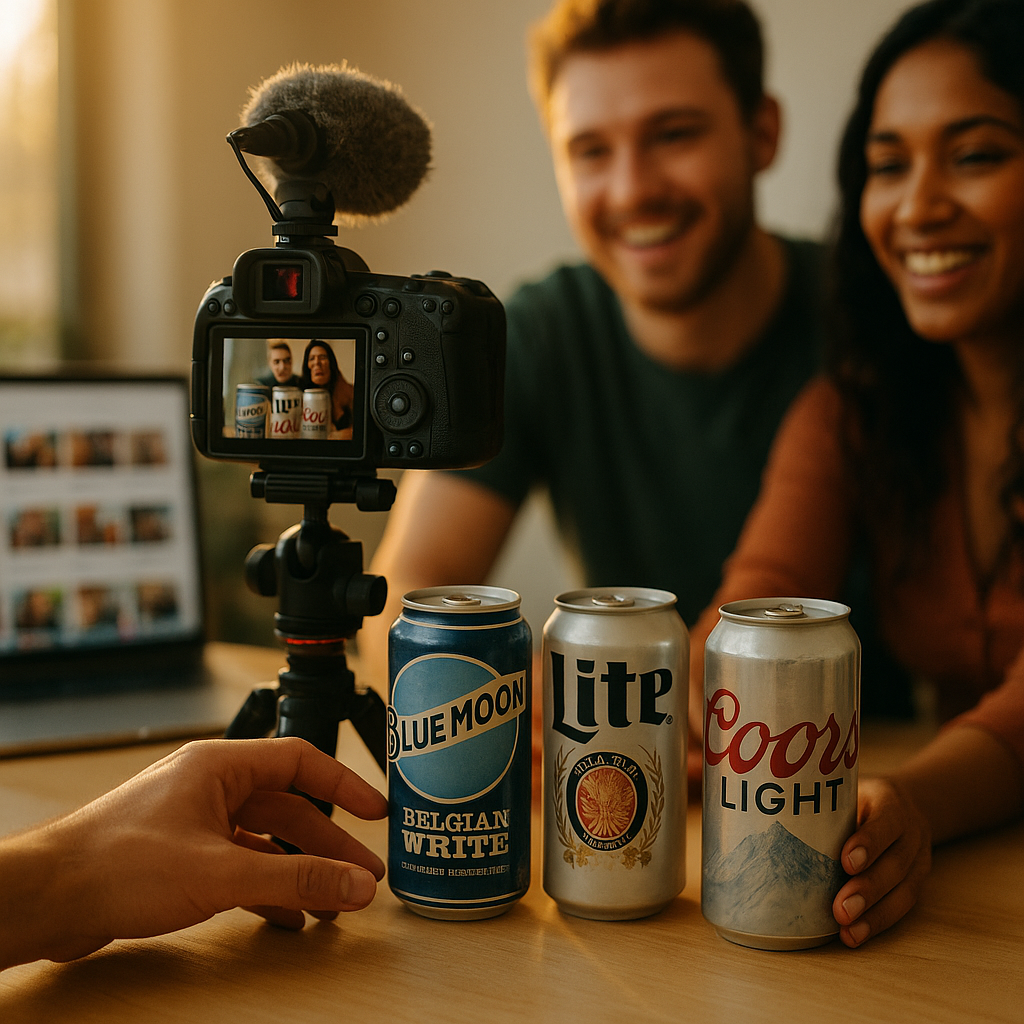
Most CPG marketers add headcount to fix a creator program. Molson Coors did the opposite: it consolidated, cut redundant agency layers, and reportedly quadrupled engagement in the process. Molson Coors restructuring its creator marketing operation is a case study in what happens when a legacy brewer treats influencer work like a media discipline instead of a side project.
What Molson Coors Actually Changed
For years, Molson Coors ran creator partnerships the way most large beverage companies do: brand by brand, market by market, with separate agencies handling Coors Light, Miller Lite, and the company’s growing portfolio of hard seltzers and spirits. Each team negotiated its own influencer contracts. Each team built its own vetting process. Nobody had a full picture of spend, reach, or overlap.
The restructure pulled creator strategy, sourcing, and measurement into a centralized function that reports directly into brand marketing leadership rather than sitting inside a fragmented web of regional agencies. That single move eliminated a lot of duplicate spend on the same mid-tier lifestyle and sports creators who were getting booked separately by three different brand teams without anyone noticing.
It also gave the company a unified compliance layer, which matters more for alcohol marketers than almost any other category. One team now owns age-gating verification, disclosure standards, and platform-specific alcohol advertising rules across the entire portfolio instead of leaving it to individual brand managers to interpret FTC endorsement guidance on their own.
The Numbers Behind the Quadrupled Engagement
Engagement didn’t quadruple because Molson Coors spent more. It grew because the company stopped paying for reach it couldn’t measure and started paying for creators whose audiences actually matched category buyers. That’s a familiar pattern for anyone who has watched attribution-driven programs outperform reach-driven ones, but it’s rare to see a company this size execute the pivot cleanly.
A centralized creator function isn’t a cost-cutting move dressed up as strategy. It’s what lets a multi-brand portfolio stop competing with itself for the same influencer inventory.
Part of the engagement lift came from shifting budget toward sports and tailgate culture creators, an audience segment where Molson Coors brands have natural relevance, rather than spreading spend thin across generic lifestyle influencers who happened to have big follower counts. Sports and live-event content consistently outperforms generic lifestyle posts on engagement rate, a trend eMarketer has flagged repeatedly in its creator economy forecasts.
The other part came from cadence. A centralized team can plan a full-year content calendar tied to tentpole moments (football season, spring break, summer grilling) instead of reacting brand by brand to whatever campaign brief lands that quarter. Consistency compounds. Audiences reward creators who show up around the same moments every year, and brands that align spend to that rhythm see engagement curves that fragmented programs simply can’t replicate.
Why Centralization Beats a Fragmented Agency Roster
Ask any CMO running a multi-brand portfolio why creator programs underperform, and the honest answer is usually organizational, not creative. Too many cooks, too many agencies, no shared data layer. Molson Coors’ fix mirrors what other large CPG players have started doing as influencer budgets stop being treated as a rounding error on the media plan.
- One creator database instead of five. No more paying three different rates for the same influencer across different brand teams.
- Shared measurement standards. Engagement, conversion, and sentiment get tracked the same way across every brand, so leadership can actually compare performance.
- Faster negotiation leverage. A centralized buyer with portfolio-wide volume gets better rates than five separate brand teams each negotiating solo deals.
- Reduced legal exposure. One compliance playbook instead of five interpretations of the same regulations.
Coty went through a similar reckoning when it rebuilt its influencer spend around sales attribution instead of vanity metrics, a shift detailed in this breakdown of how the beauty giant restructured its measurement stack. Henkel took a comparable path when it fused creator commerce into its retail media operation, folding influencer output directly into performance channels rather than treating it as brand marketing’s separate hobby. The pattern across CPG is consistent: centralize the function, then let the data decide where budget goes.
The Compliance Angle Brewers Can’t Ignore
Alcohol marketing carries regulatory weight that most consumer categories don’t deal with. Platform rules on alcohol advertising differ by region, age-verification requirements aren’t optional, and a single mismanaged influencer post can trigger scrutiny that a skincare brand never has to worry about. Centralizing creator operations gives Molson Coors one point of accountability instead of five brand teams each guessing at what’s compliant.
For regulated categories, a fragmented creator program isn’t just inefficient. It’s a liability sitting in plain sight.
This is also where rights management becomes non-negotiable. When five brand teams source creators independently, contract terms vary wildly, usage rights get murky, and legal ends up chasing down paperwork after a campaign has already gone live. New Engen’s approach to fixing UGC rights at scale shows why brands with complex portfolios are starting to treat content licensing as infrastructure, not an afterthought buried in a contract addendum. Molson Coors’ restructure appears to follow the same logic: standardize the paperwork once, and every brand downstream benefits.
What Other CPG Brands Should Steal From This Playbook
You don’t need Molson Coors’ budget to apply the same logic. The core insight scales down fine: fragmentation is the enemy, not spend level. A regional beverage brand running three separate influencer relationships through three separate agencies is bleeding the same inefficiency at a smaller scale.
Liquid Death offers a useful counterpoint from the other end of the spectrum. The brand built its entire engagement engine around micro-creator UGC that stays trackable and attributable from day one, rather than bolting measurement on after the fact. That’s the same principle Molson Coors applied at portfolio scale: build the tracking infrastructure before you scale the spend, not after.
Brands that don’t have the internal headcount to build a centralized function from scratch are increasingly turning to vetted creator networks that already solve the fragmentation problem externally. Stack Influence’s model, which cuts DTC launch costs by running everything through one vetted network instead of a patchwork of freelance sourcing, is worth studying for mid-size brands that can’t justify an in-house restructure but still want the same efficiency gains.
A few practical steps for marketing leaders looking at their own fragmented creator spend:
- Audit every brand or regional team’s creator spend for the last four quarters and flag overlapping talent.
- Consolidate vetting and compliance into a single owner, even if execution stays decentralized.
- Standardize measurement definitions before comparing performance across brands. “Engagement” needs to mean the same thing everywhere.
- Renegotiate agency and platform contracts with combined volume, not brand-by-brand leverage.
None of this requires exotic technology. It requires organizational will, which is usually the harder ask. Tools like those tracked by Sprout Social and reporting frameworks from HubSpot can support the measurement layer, but the structural decision has to come from leadership first.
Frequently Asked Questions
Why did Molson Coors restructure its creator marketing team?
The company centralized a previously fragmented, brand-by-brand influencer operation into a single function to eliminate duplicate spend, standardize compliance, and improve measurement consistency across its portfolio of beer, seltzer, and spirits brands.
How did engagement quadruple without a bigger budget?
Reallocating spend toward creators whose audiences matched category buyers, focusing on sports and tailgate culture content, and planning a consistent year-round content calendar all contributed more than raw spend increases did.
Why does centralization matter more for alcohol brands than other categories?
Alcohol marketing carries regulatory requirements around age verification and disclosure that vary by platform and region. A single compliance owner reduces legal risk that a fragmented, brand-by-brand structure tends to multiply.
Can smaller CPG brands apply the same restructuring logic?
Yes. The underlying principle, consolidating vetting, measurement, and compliance into one function, scales down regardless of budget size. Smaller brands without internal capacity often achieve similar efficiency by working through a vetted creator network instead.
What metrics should brands track when consolidating a creator program?
Engagement rate by creator tier, cost per engagement across brands, content usage rights status, and compliance flags should all sit on one shared dashboard rather than living in separate agency reports.
The takeaway for any marketing leader watching this from the outside: audit your creator spend for overlap before you ask for more budget. Molson Coors didn’t spend its way to quadrupled engagement, it organized its way there.
Frequently Asked Questions
Why did Molson Coors restructure its creator marketing team?
The company centralized a previously fragmented, brand-by-brand influencer operation into a single function to eliminate duplicate spend, standardize compliance, and improve measurement consistency across its portfolio of beer, seltzer, and spirits brands.
How did engagement quadruple without a bigger budget?
Reallocating spend toward creators whose audiences matched category buyers, focusing on sports and tailgate culture content, and planning a consistent year-round content calendar all contributed more than raw spend increases did.
Why does centralization matter more for alcohol brands than other categories?
Alcohol marketing carries regulatory requirements around age verification and disclosure that vary by platform and region. A single compliance owner reduces legal risk that a fragmented, brand-by-brand structure tends to multiply.
Can smaller CPG brands apply the same restructuring logic?
Yes. The underlying principle, consolidating vetting, measurement, and compliance into one function, scales down regardless of budget size. Smaller brands without internal capacity often achieve similar efficiency by working through a vetted creator network instead.
What metrics should brands track when consolidating a creator program?
Engagement rate by creator tier, cost per engagement across brands, content usage rights status, and compliance flags should all sit on one shared dashboard rather than living in separate agency reports.
Top Influencer Marketing Agencies
The leading agencies shaping influencer marketing in 2026
Agencies ranked by campaign performance, client diversity, platform expertise, proven ROI, industry recognition, and client satisfaction. Assessed through verified case studies, reviews, and industry consultations.
Moburst

-
2

The Shelf
Boutique Beauty & Lifestyle Influencer AgencyA data-driven boutique agency specializing exclusively in beauty, wellness, and lifestyle influencer campaigns on Instagram and TikTok. Best for brands already focused on the beauty/personal care space that need curated, aesthetic-driven content.Clients: Pepsi, The Honest Company, Hims, Elf Cosmetics, Pure LeafVisit The Shelf → -
3

Audiencly
Niche Gaming & Esports Influencer AgencyA specialized agency focused exclusively on gaming and esports creators on YouTube, Twitch, and TikTok. Ideal if your campaign is 100% gaming-focused — from game launches to hardware and esports events.Clients: Epic Games, NordVPN, Ubisoft, Wargaming, Tencent GamesVisit Audiencly → -
4

Viral Nation
Global Influencer Marketing & Talent AgencyA dual talent management and marketing agency with proprietary brand safety tools and a global creator network spanning nano-influencers to celebrities across all major platforms.Clients: Meta, Activision Blizzard, Energizer, Aston Martin, WalmartVisit Viral Nation → -
5

The Influencer Marketing Factory
TikTok, Instagram & YouTube CampaignsA full-service agency with strong TikTok expertise, offering end-to-end campaign management from influencer discovery through performance reporting with a focus on platform-native content.Clients: Google, Snapchat, Universal Music, Bumble, YelpVisit TIMF → -
6

NeoReach
Enterprise Analytics & Influencer CampaignsAn enterprise-focused agency combining managed campaigns with a powerful self-service data platform for influencer search, audience analytics, and attribution modeling.Clients: Amazon, Airbnb, Netflix, Honda, The New York TimesVisit NeoReach → -
7

Ubiquitous
Creator-First Marketing PlatformA tech-driven platform combining self-service tools with managed campaign options, emphasizing speed and scalability for brands managing multiple influencer relationships.Clients: Lyft, Disney, Target, American Eagle, NetflixVisit Ubiquitous → -
8

Obviously
Scalable Enterprise Influencer CampaignsA tech-enabled agency built for high-volume campaigns, coordinating hundreds of creators simultaneously with end-to-end logistics, content rights management, and product seeding.Clients: Google, Ulta Beauty, Converse, AmazonVisit Obviously →