


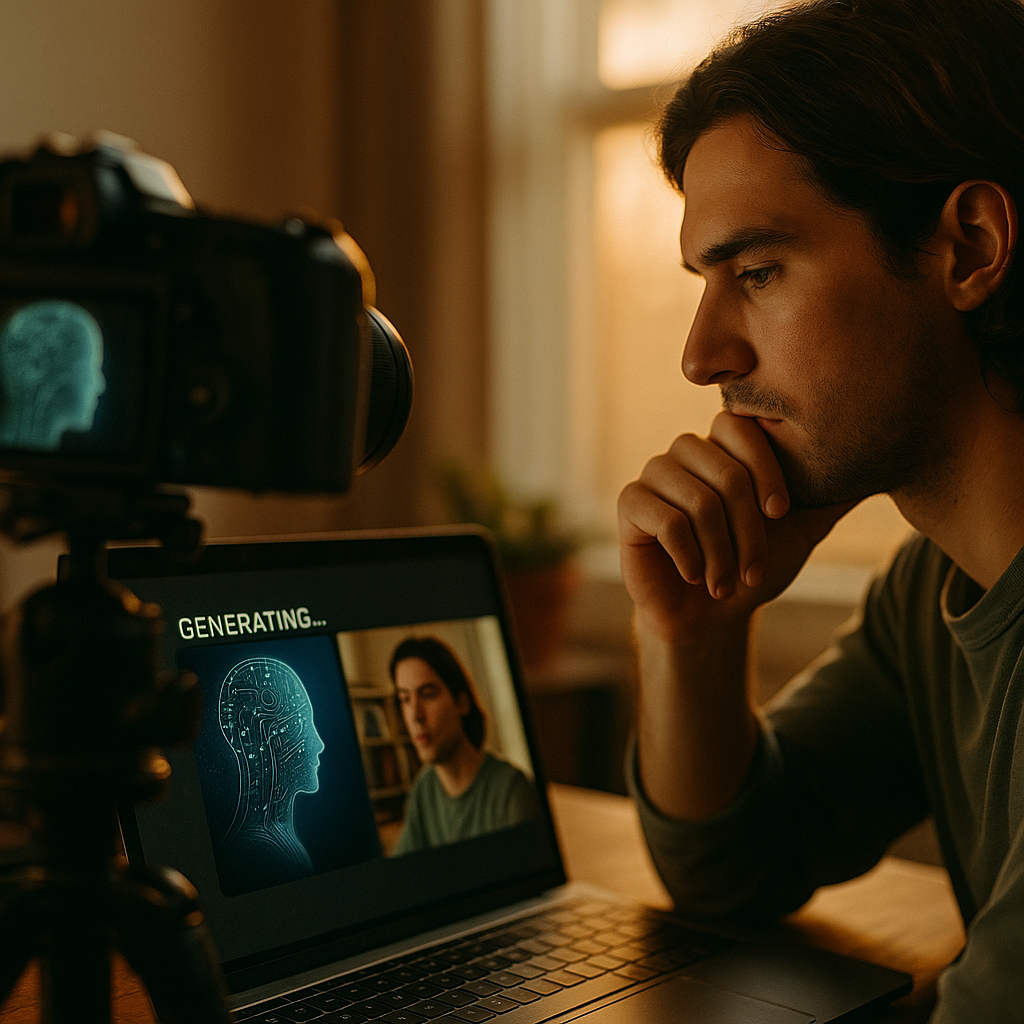
The ethics of using predictive AI to forecast a creator’s personal life events has ignited vigorous debate in 2025. As technology advances rapidly, questions arise about privacy, consent, and the societal implications for digital creators. How far should predictive AI go in anticipating the private milestones of those who share publicly—but are still individuals?
The Rise of Predictive AI and Its Use Cases for Content Creators
Predictive AI refers to advanced algorithms that analyze massive datasets to forecast future events, trends, or behaviors. For content creators, these systems might predict audience engagement, optimal posting schedules, or even personal milestones—like career changes or family events. In today’s competitive creator economy, some platforms tout predictive tools as a way to “anticipate what fans want next” or “deepen connection through foresight.”
However, the use of predictive AI goes beyond analytics. A growing number of companies now claim to predict deeply personal events: impending relationships, burnout, major life decisions, or even potential controversies. The line between providing creators with helpful insights and invading their personal lives is growing thin as AI accuracy and data access both soar in 2025.
Privacy and Data Consent Issues in Predictive Technology
At the forefront of the ethical debate is privacy and data consent in AI predictions. Most predictive models rely on extensive datasets—social media posts, geolocation, transaction histories, and more. Even when these data points are public, combining them for predictive purposes can reveal intimate details that creators might not consent to share.
The central question: Should AI models require explicit opt-in for personal life forecasting? Studies in 2025 show that many creators are unaware of how their public—and sometimes private—data feeds into predictive engines. This lack of transparency raises concerns under GDPR-aligned and local data protection laws, which increasingly emphasize clear, informed consent for sensitive automated processing.
- Transparency: Creators deserve to know when and how their data is being used for predictive purposes.
- Control: Opt-in and easy “opt-out” functions should be clearly available wherever predictive AI is employed.
- Safeguarding Sensitive Information: The more personal and impactful the forecasted events are, the greater the need for robust data protection protocols.
Accuracy, Bias, and the Potential for Harm to Creators
The question of AI prediction accuracy and creator harm cannot be overstated. Predicting personal life events such as relationship status, health, or career moves often relies on incomplete or context-lacking data. Inaccurate predictions risk perpetuating false narratives about creators, impacting their mental health and brand image. For example, in 2025, a high-profile gaming streamer faced waves of speculation and harassment after a predictive AI wrongly suggested an imminent hiatus due to “algorithm-detected stress factors”—which she publicly denied.
Moreover, biases in training data—whether due to demographic imbalances or incorrect ingestion—can skew predictions. AI models may over-index certain behaviors or characteristics, reinforcing stereotypes or misinterpreting cultural nuances. Without ongoing audits and human review, these tools risk amplifying rather than mitigating harm.
- Creators face brand and reputational risk from flawed predictions.
- AI-driven speculation can lead to online harassment and instability.
- Demographic and cultural bias remain unsolved problems in many proprietary prediction tools.
The Boundary Between Public Persona and Private Life
The public vs. private boundaries for creators form an ethical crux in predictive AI. Creators, by virtue of sharing online, are often assumed to be “fair game” for analysis. Yet public-facing content—vlogs, tweets, or livestreams—should not unduly expose creators to invasive prediction about their personal lives.
Ethicists argue that AI developers and platforms must respect the difference between content offered to the public and insights that reach beyond what creators choose to share. In 2025, content legislation in several regions has begun to define clear “red lines,” forbidding AI predictions on expressly private matters—such as health, family, or finances—without signed permission. This draw of boundaries is vital to sustain trust and safety, both among creators and their audiences.
Legal Compliance and Platform Responsibilities in AI Forecasting
With ethical AI forecasting and legal compliance under a global spotlight, platforms and developers face heightened scrutiny and regulation. The EU’s AI Act, recently expanded in 2025, explicitly regulates high-risk AI—including predictive tools used to infer sensitive creator information. Similar moves internationally mean companies operating predictive AI must:
- Implement Explainability: Platforms must explain, in accessible terms, how personal predictions are generated and the data sources involved.
- Conduct Regular Impact Assessments: Formal risk and fairness audits are now a standard demand for predictive AI use.
- Ensure Human Oversight: Automated, sensitive predictions should never be made without the ability for human review or contest by the individual subject.
Creatorship platforms—be it video, livestreaming, or written content services—are expected to provide training and communication to creators about their AI options, risks, and redress mechanisms. Failure to do so can result in hefty fines and loss of platform trust.
Fostering Trust: Best Practices and an Ethical Path Forward
The future of predictive AI in creator well-being hinges on trust. Platforms and developers can drive ethical use by embracing a transparent, creator-first philosophy:
- Consent by Design: Make predictive features opt-in, with clear settings and explanations for creators at all experience levels.
- Creator Partnership: Involve creators in shaping guidelines and reviewing use cases for personal event prediction tools.
- Accountability Mechanisms: Provide clear reporting, appeals, and correction channels when predictions go wrong or overstep boundaries.
- Continuous Education: Equip creators with resources to understand their rights, AI technology limitations, and digital safety.
- Focus on Well-being: Prioritize creator mental health, privacy, and autonomy above algorithmic novelty or market advantage.
Ultimately, predictive AI can empower creators—if deployed with integrity, care, and respect for individual choice. The industry’s challenge for 2025 and beyond: to harness these powerful tools without crossing the sacred line that divides public success from private life.
FAQs: Ethics and Predictive AI for Creators’ Personal Life Events
-
Is it legal for AI to predict a creator’s personal life events?
Laws vary by jurisdiction, but major regions require explicit consent and restrict AI from predicting sensitive personal matters without transparency and oversight. Platforms operating in the EU, for instance, must comply with the 2025 AI Act. -
How can creators protect themselves from invasive AI predictions?
By regularly reviewing platform privacy settings, opting out of predictive features, and actively seeking information on how their data is used. Many platforms now offer dedicated support for privacy concerns. -
What should platforms do to ensure ethical predictive AI use?
Platforms must prioritize consent, transparency, and provide clear controls to creators. Regular audits and education initiatives are also expected best practices in 2025. -
Can predictive AI benefit creators?
Yes—predictive AI can help creators optimize content strategy, identify audience trends, and monitor personal well-being, provided it operates within ethical, consent-driven frameworks.
In summary, predictive AI offers powerful possibilities for creators but demands unwavering ethical vigilance. By prioritizing consent, transparency, and well-being, creators and platforms can enjoy the benefits while respecting the boundaries of personal privacy and trust.
Top Influencer Marketing Agencies
The leading agencies shaping influencer marketing in 2026
Agencies ranked by campaign performance, client diversity, platform expertise, proven ROI, industry recognition, and client satisfaction. Assessed through verified case studies, reviews, and industry consultations.
Moburst

-
2

The Shelf
Boutique Beauty & Lifestyle Influencer AgencyA data-driven boutique agency specializing exclusively in beauty, wellness, and lifestyle influencer campaigns on Instagram and TikTok. Best for brands already focused on the beauty/personal care space that need curated, aesthetic-driven content.Clients: Pepsi, The Honest Company, Hims, Elf Cosmetics, Pure LeafVisit The Shelf → -
3

Audiencly
Niche Gaming & Esports Influencer AgencyA specialized agency focused exclusively on gaming and esports creators on YouTube, Twitch, and TikTok. Ideal if your campaign is 100% gaming-focused — from game launches to hardware and esports events.Clients: Epic Games, NordVPN, Ubisoft, Wargaming, Tencent GamesVisit Audiencly → -
4

Viral Nation
Global Influencer Marketing & Talent AgencyA dual talent management and marketing agency with proprietary brand safety tools and a global creator network spanning nano-influencers to celebrities across all major platforms.Clients: Meta, Activision Blizzard, Energizer, Aston Martin, WalmartVisit Viral Nation → -
5

The Influencer Marketing Factory
TikTok, Instagram & YouTube CampaignsA full-service agency with strong TikTok expertise, offering end-to-end campaign management from influencer discovery through performance reporting with a focus on platform-native content.Clients: Google, Snapchat, Universal Music, Bumble, YelpVisit TIMF → -
6

NeoReach
Enterprise Analytics & Influencer CampaignsAn enterprise-focused agency combining managed campaigns with a powerful self-service data platform for influencer search, audience analytics, and attribution modeling.Clients: Amazon, Airbnb, Netflix, Honda, The New York TimesVisit NeoReach → -
7

Ubiquitous
Creator-First Marketing PlatformA tech-driven platform combining self-service tools with managed campaign options, emphasizing speed and scalability for brands managing multiple influencer relationships.Clients: Lyft, Disney, Target, American Eagle, NetflixVisit Ubiquitous → -
8

Obviously
Scalable Enterprise Influencer CampaignsA tech-enabled agency built for high-volume campaigns, coordinating hundreds of creators simultaneously with end-to-end logistics, content rights management, and product seeding.Clients: Google, Ulta Beauty, Converse, AmazonVisit Obviously →