


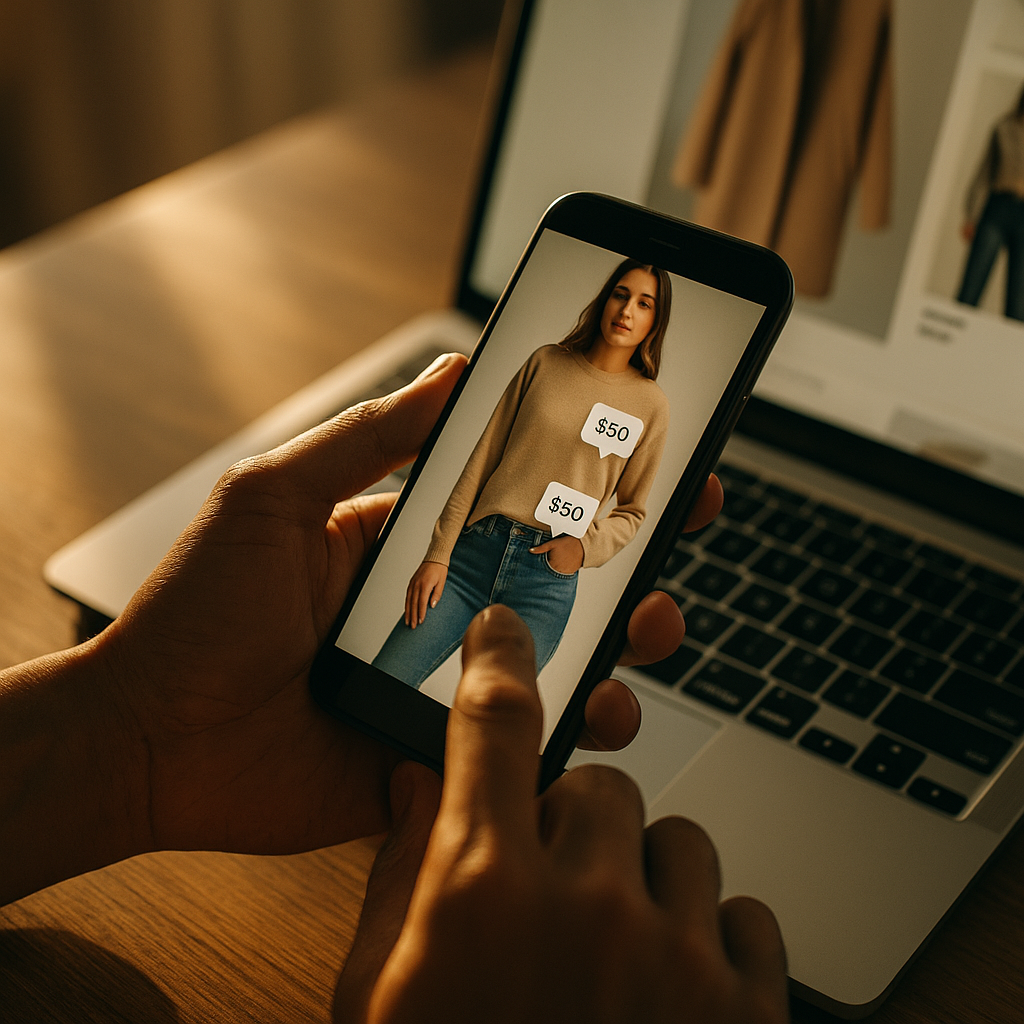
Shoppable tags now touch nearly every dollar in the creator economy, yet most brands still pick a platform based on follower counts instead of checkout data. eMarketer estimates social commerce sales will keep climbing through the decade, and the platform you tag on matters almost as much as the creator you hire. So which shoppable tag actually protects margin and drives repeat buyers? Let’s break it down.
Why the Shoppable Tag You Choose Changes the Math
Every platform’s shoppable tag is a different contract. Some prioritize instant impulse buys, others favor discovery over months. A brand that treats them all the same ends up misallocating budget, chasing TikTok Shop velocity metrics on a platform built for slow-burn intent, or expecting Pinterest to close sales in 24 hours like TikTok does.
The operational reality: tagging mechanics, fee structures, and attribution windows differ enough that your creator brief, your product catalog feed, and even your return policy need platform-specific tweaks. Get this wrong and you’re not just losing sales, you’re burning creator goodwill on integrations that never convert.
The platform’s default attribution window often matters more than the creator’s follower count when forecasting shoppable tag revenue.
Instagram Shopping Tags: Mature, Reliable, Margin-Squeezed
Instagram’s product tagging has been around long enough to feel boring, and that’s actually its strength. Tags in feed posts, Reels, and Stories pull from your Meta catalog, and checkout can happen in-app or route to your site depending on your setup. For brands with an established Shopify or catalog feed, this is the lowest-friction integration on this list.
The tradeoff is discoverability. Instagram’s algorithm doesn’t surprise-and-delight shoppable content the way TikTok’s For You Page does. You’re relying heavily on the creator’s existing audience rather than platform-driven discovery. That makes creator selection more consequential here than almost anywhere else. Paired with paid boosting behind top-performing reels, tagged posts can extend well past organic reach, but that’s an added spend line most brands underbudget.
Disclosure labeling has also gotten stricter. Brands running partnership content need tags that align with Meta’s paid partnership rules, and mismatches between the tag and the disclosure label have quietly tanked reach on otherwise strong posts. If you haven’t audited this recently, the paid partnership labeling fix is worth a read before your next campaign goes live.
For brands building creator-led storefronts rather than one-off tagged posts, Instagram’s affiliate collections feature has become the more scalable play, letting creators curate a shoppable page instead of tagging item by item. That’s a meaningfully different operational model, and one covered in depth in the creator storefront playbook.
TikTok Shop Tags: Built for Impulse, Not Loyalty
TikTok’s shoppable tags live inside a fundamentally different ecosystem. TikTok Shop isn’t just a tag, it’s a full commerce layer with its own affiliate marketplace, fulfillment options, and commission structures negotiated at the item level. TikTok’s own advertising resources lean heavily into this “discovery to cart in seconds” pitch, and the data backs it up for impulse categories like beauty, snacks, and cheap home goods.
Here’s the catch most brands miss: TikTok Shop’s commission and payout structure eats into margin faster than Instagram or Pinterest ever will. If you’re not modeling this carefully, you can end up subsidizing viral reach at the expense of actual profit. We’ve broken down exactly how this compares against other payout models in TikTok Shop versus Amazon versus LTK, and the margin gap is bigger than most finance teams expect going in.
TikTok’s affiliate program adds another layer creators love and finance teams need to watch closely. Open commission rates invite a flood of low-quality creators tagging your product for cheap traffic that rarely converts. A tighter affiliate structure, the kind detailed in the margin control playbook, keeps commission spend proportional to actual sales rather than impressions.
For brands ready to run TikTok Shop as its own storefront rather than scattered tagged posts, the setup mechanics (catalog sync, live shopping integration, creator sampling programs) are worth mapping out before launch, not after your first viral moment catches you unprepared.
YouTube’s Shopping Layer: Slow Burn, Long Tail
YouTube doesn’t do impulse well, and it doesn’t try to. Product tags and shopping shelves under long-form videos or Shorts pull from a linked merchant feed, and the real value shows up weeks or months after publish, not in the first 48 hours. That long tail is YouTube’s superpower for evergreen content like tutorials, reviews, and unboxings that keep surfacing in search.
This slow-burn behavior means attribution gets messy fast. A viewer who watches a tagged review in month one might not buy until month three, after seeing the product again elsewhere. If your measurement stack only credits last-click or same-week conversions, you’re systematically undercounting YouTube’s contribution. This is the same attribution trap that shows up in longer consideration-cycle categories like travel, and the fix (extended lookback windows, incrementality testing) applies just as well to YouTube shoppable tags.
YouTube’s local shopping and affiliate tags have also matured into a legitimate foot-traffic and store-level sales driver, particularly for brands with physical retail presence. The mechanics differ from the standard feed-based tag, and brands running national campaigns with local retail tie-ins should look closely at the store-level sales playbook before assuming one national feed covers every market.
If your creator relationships lean toward long-form or Shorts on connected TV, don’t ignore that shoppable tags on Shorts viewed on TV screens behave differently than mobile, with lower immediate click-through but higher recall. Budget accordingly, and don’t panic when the CTR looks weak next to TikTok.
Pinterest Commerce: The Quiet Conversion Engine
Pinterest gets left out of most creator commerce conversations, which is a mistake. Its shoppable Pins and Idea Pins connect directly to a merchant catalog, and the platform’s users arrive with buying intent baked in already. People come to Pinterest planning a purchase, not killing time. That’s a fundamentally different psychological starting point than TikTok or Instagram.
Pinterest’s shoppable tags also benefit from an unusually long content shelf life. A tagged Pin from a creator collaboration can keep driving traffic a year later, something almost unheard of on TikTok or Instagram where content decays within days. For brands running evergreen product lines (home goods, fashion basics, wellness), this compounding effect makes Pinterest’s ROI curve look completely different in a cohort analysis.
The downside is scale. Pinterest’s creator ecosystem is smaller and less flush with agency infrastructure than TikTok or Instagram, so sourcing the right creators takes more manual work. It’s less a discovery platform and more a patient, high-intent one, and brands should staff and budget it that way rather than expecting viral spikes.
Matching the Tag to the Funnel Stage
Stop asking “which platform is best” and start asking “best for what stage.” A rough framework that’s held up across categories:
- Instagram: mid-funnel consideration, strongest with established audiences and retargeting layered on top.
- TikTok Shop: bottom-funnel impulse, best for low-price, high-frequency categories with margin to spare.
- YouTube: top-of-funnel education that pays off on a delay, ideal for considered purchases and evergreen search traffic.
- Pinterest: planning-stage intent capture, strongest for seasonal and lifestyle categories with long buying cycles.
Most mature creator programs run at least two of these simultaneously, with the shoppable tag mechanics tailored to each platform’s actual buyer behavior rather than a copy-pasted brief. Sprout Social’s social commerce research has consistently found that cross-platform shopping strategies outperform single-platform bets, largely because they capture buyers at different points in the decision journey instead of fighting for the same impulse moment.
Compliance Still Trips Up Bigger Brands Than You’d Think
Shoppable tags don’t erase disclosure obligations, they complicate them. The FTC’s endorsement guidelines apply whether the purchase happens in-app or on your site, and a mistagged affiliate link with no clear paid partnership disclosure is still a compliance risk regardless of platform. Meta, TikTok, and Pinterest all have their own disclosure tooling layered on top of the legal requirement, and using the platform’s native tag (rather than a generic bio link) is usually the safer, more auditable path.
Locking usage rights before spend matters here too, especially once you start running paid amplification behind organic shoppable posts. The setup guidance in Meta’s partnership ads framework is a useful checklist even if you’re running primarily organic tagged content today and paid tomorrow.
FAQs
Frequently Asked Questions
Which platform has the highest shoppable tag conversion rate?
TikTok Shop typically posts the highest immediate click-to-purchase rate for low-price impulse categories, but Pinterest often wins on longer-window conversion for considered purchases. The “highest converting” platform depends entirely on your product’s price point and purchase cycle.
Do shoppable tags cost extra to use?
Most platforms don’t charge a flat fee for the tag itself, but TikTok Shop takes a commission on completed sales, and Instagram checkout can involve a small transaction fee depending on your setup. Pinterest and standard Instagram catalog tags that route to your own site typically avoid platform commission entirely.
Can I use the same product feed across all four platforms?
Technically yes, most support standard catalog feed formats, but in practice each platform has slightly different field requirements and image specs. Brands running cross-platform campaigns usually maintain one master feed with platform-specific export rules to avoid rejected listings.
How long should attribution windows be for shoppable tag campaigns?
It depends on the platform. TikTok Shop’s impulse-driven behavior suits shorter windows of a few days, while YouTube and Pinterest content can influence purchases weeks or months later, so a 30 to 90 day lookback captures more accurate credit for those platforms.
Is it worth running shoppable tags on more than one platform at once?
Yes, for most established brands. Running Instagram and TikTok together, or layering Pinterest onto a seasonal push, captures buyers at different funnel stages rather than competing for the same impulse click on a single platform.
Pick your shoppable tag strategy by funnel stage and product margin, not by which platform your team happens to like scrolling. Audit one campaign’s attribution window this quarter before committing next year’s creator budget to a single tag type.
Top Influencer Marketing Agencies
The leading agencies shaping influencer marketing in 2026
Agencies ranked by campaign performance, client diversity, platform expertise, proven ROI, industry recognition, and client satisfaction. Assessed through verified case studies, reviews, and industry consultations.
Moburst

-
2

The Shelf
Boutique Beauty & Lifestyle Influencer AgencyA data-driven boutique agency specializing exclusively in beauty, wellness, and lifestyle influencer campaigns on Instagram and TikTok. Best for brands already focused on the beauty/personal care space that need curated, aesthetic-driven content.Clients: Pepsi, The Honest Company, Hims, Elf Cosmetics, Pure LeafVisit The Shelf → -
3

Audiencly
Niche Gaming & Esports Influencer AgencyA specialized agency focused exclusively on gaming and esports creators on YouTube, Twitch, and TikTok. Ideal if your campaign is 100% gaming-focused — from game launches to hardware and esports events.Clients: Epic Games, NordVPN, Ubisoft, Wargaming, Tencent GamesVisit Audiencly → -
4

Viral Nation
Global Influencer Marketing & Talent AgencyA dual talent management and marketing agency with proprietary brand safety tools and a global creator network spanning nano-influencers to celebrities across all major platforms.Clients: Meta, Activision Blizzard, Energizer, Aston Martin, WalmartVisit Viral Nation → -
5

The Influencer Marketing Factory
TikTok, Instagram & YouTube CampaignsA full-service agency with strong TikTok expertise, offering end-to-end campaign management from influencer discovery through performance reporting with a focus on platform-native content.Clients: Google, Snapchat, Universal Music, Bumble, YelpVisit TIMF → -
6

NeoReach
Enterprise Analytics & Influencer CampaignsAn enterprise-focused agency combining managed campaigns with a powerful self-service data platform for influencer search, audience analytics, and attribution modeling.Clients: Amazon, Airbnb, Netflix, Honda, The New York TimesVisit NeoReach → -
7

Ubiquitous
Creator-First Marketing PlatformA tech-driven platform combining self-service tools with managed campaign options, emphasizing speed and scalability for brands managing multiple influencer relationships.Clients: Lyft, Disney, Target, American Eagle, NetflixVisit Ubiquitous → -
8

Obviously
Scalable Enterprise Influencer CampaignsA tech-enabled agency built for high-volume campaigns, coordinating hundreds of creators simultaneously with end-to-end logistics, content rights management, and product seeding.Clients: Google, Ulta Beauty, Converse, AmazonVisit Obviously →