


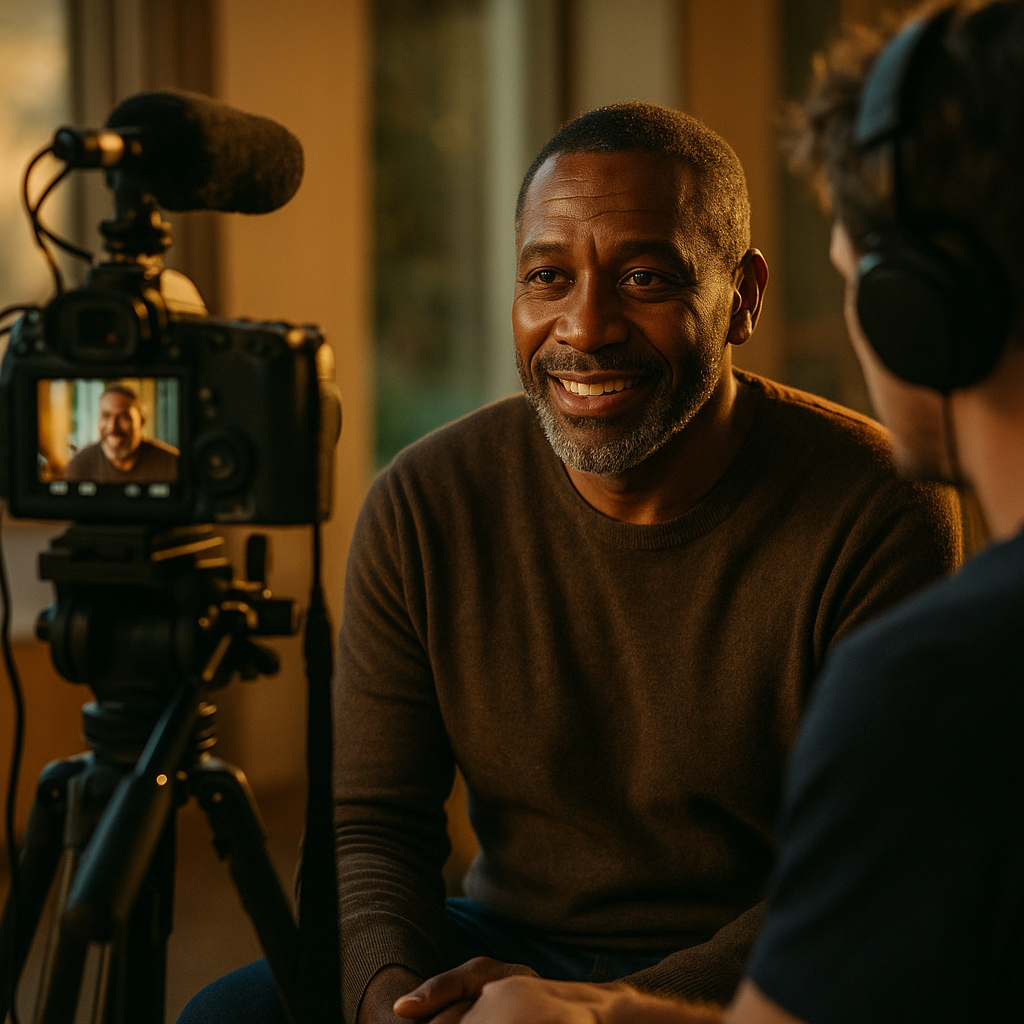
Three minutes. That is roughly how long a well-cut micro-documentary needs to make a skeptical viewer trust a brand more than a fifteen-second ad ever could. Marketers chasing completion rates and brand lift are quietly moving budget away from polished 30-second spots and into the micro-documentary format, a short-form narrative style borrowed from long-form journalism and shrunk to fit a feed. Here is how to brief one without blowing the timeline or the budget.
What Counts as a Micro-Documentary, Exactly?
Not every talking-head video with a moody color grade qualifies. A true micro-documentary runs somewhere between ninety seconds and six minutes, follows a real person or a real problem, and resolves with an outcome the audience can verify. It borrows the beats of documentary filmmaking (setup, tension, resolution) but compresses them for platforms where attention decays fast. Think of it as the difference between a case study PDF and a case study you can feel.
Brands like Patagonia and Dove have used this format for years, but it used to require a six-figure production budget and a broadcast timeline. That is no longer true. Creator-led micro-documentaries, shot on a gimbal and a lav mic, now regularly outperform studio productions on watch time and shares. Our earlier breakdown of the three-minute format covers why the compressed runtime forces sharper storytelling than a full-length brand film.
A micro-documentary succeeds or fails in the first eight seconds. If the hook does not signal a real stake, no amount of cinematography saves the rest of the cut.
Why the Format Is Getting Budget Right Now
Skepticism toward branded content is at an all-time high, and audiences have gotten very good at spotting a script. A micro-documentary works around that fatigue by leaning on verifiable proof rather than polished claims. According to eMarketer, trust in creator-generated content continues to outpace trust in traditional brand advertising among younger demographics, and documentary-style formats consistently test higher on believability metrics than scripted testimonials. When Sprout Social surveys marketers about content that drives engagement without paid boosting, unscripted, narrative-driven formats keep rising to the top of the list.
There is also a practical budget argument. One well-shot micro-documentary generates enough footage to fuel a quarter’s worth of shorter cutdowns, similar to how a long podcast episode gets sliced into dozens of clips. Instead of commissioning five separate assets, you shoot once and edit five ways.
Building the Production Brief
The brief is where most micro-documentary projects fall apart. Marketers either over-script it, killing the authenticity that makes the format work, or under-brief it, leaving the creator with no narrative spine to follow. The fix is a structural brief, not a scripted one. Give the creator or director a shape, not a shot list.
- Cold open (0 to 8 seconds): A single, specific stake. Not “meet Sarah,” but “Sarah almost lost her business over this one mistake.”
- Context (8 to 40 seconds): Enough backstory to make the stake believable, told through the subject, not a narrator.
- Tension (40 seconds to 2 minutes): The obstacle, the doubt, the moment it could have gone wrong. This is where most brand videos flinch and cut the tension, which is exactly why they underperform.
- Turn (2 to 2:30): The product or brand enters, but as a tool the subject chose, not a sponsor message.
- Resolution and proof (2:30 to end): A verifiable outcome. Numbers, before-and-after visuals, or a direct quote work better than a summary voiceover.
Notice there is no dialogue script in that list. Scripting exact lines is what turns a documentary into an infomercial. If you need help holding structure while keeping the creator’s voice loose, our piece on loose structure briefs covers the same tension between control and authenticity.
Casting Matters More Than Camera Gear
Here is an uncomfortable truth: a mediocre camera with a compelling subject beats a cinema rig pointed at a boring one, every single time. Casting is the single highest-leverage decision in a micro-documentary brief. Look for subjects with a clear, specific stake, not just a large following. A micro-influencer with 12,000 followers and a genuinely surprising story will outperform a mega-creator reciting brand talking points.
Vet for authenticity risk before you vet for reach. Has this person publicly criticized competitors in a way that could resurface? Do they actually use the product outside the paid engagement? Skipping this step is how brands end up with a documentary that gets fact-checked by their own comment section.
Budget and Timeline: What This Actually Costs
A credible micro-documentary runs anywhere from a two-day shoot with a solo creator and a small crew to a five-day shoot involving multiple locations and a director of photography. Post-production usually takes longer than people expect, two to three weeks for a proper edit with color and sound design, because the pacing has to be tuned scene by scene rather than templated. Budget for a dedicated editor who understands narrative pacing, not just a social media editor who trims for length.
Where brands overspend is chasing production value at the expense of story. Where they underspend is skimping on the edit, which is where the actual storytelling happens. If your timeline is compressed, prioritize a longer edit window over a longer shoot. You can salvage a rough shoot with strong editing. You cannot edit your way out of a story with no tension.
Teams that cut editing time to save budget almost always ship a weaker documentary than teams that cut shoot days to save budget. Protect the edit first.
One Shoot, Many Cuts: Distribution Strategy
The mistake most marketing teams make is treating the micro-documentary as a single deliverable. It should be the anchor of a distribution system, not the whole system. Plan for cutdowns from the start, not as an afterthought once the full cut is locked.
- A 60-second version for paid social, front-loading the tension beat since the cold open already ran once organically.
- Three to five vertical clips pulled from the tension and resolution sections, styled like unscripted b-roll diary clips for organic reach.
- A subtitle-heavy cut for muted autoplay environments, following the logic in our subtitle-first design brief.
- A behind-the-scenes companion piece using outtakes, which doubles as a trust signal per our raw footage guidance.
This approach mirrors the logic behind format-agnostic distribution, one production, many platform-native outputs. It is also simply better economics. A five-day shoot that only produces one asset is a much harder budget line to defend than one that produces a full quarter of content.
Disclosure Isn’t Optional, Even When It Feels Like Journalism
Because micro-documentaries mimic editorial nonfiction, brands sometimes get sloppy about disclosure, assuming the format’s authenticity somehow exempts it from labeling rules. It does not. The FTC’s endorsement guidance applies regardless of format length or documentary styling, and regulators in the UK enforce similarly through the ICO on data handling within testimonial content. Build disclosure into the brief from the start rather than bolting it onto the final cut. A clean “paid partnership” tag at the open does not undercut believability the way marketers fear it will.
Measuring What Actually Matters
Standard video metrics undersell this format. Completion rate matters more than view count, since a documentary that gets watched to the end is doing exactly what it was designed to do. Track saves and shares separately from likes, since documentary-style content tends to earn passive engagement (likes) at a lower rate than active engagement (shares to a friend, a saved link). Brand lift surveys run against exposed versus unexposed audiences remain the clearest way to prove the format’s ROI to finance, since view-through metrics alone rarely satisfy a CFO. Tools referenced by HubSpot on content attribution can help connect documentary views to downstream conversion, particularly when paired with UTM-tagged links in captions.
Next step: before your next brand video brief goes out, swap the shot list for a five-beat structure and cast for stakes, not follower count. That single change is usually the difference between a video that gets watched and one that gets skipped.
Frequently Asked Questions
How long should a brand micro-documentary run?
Most effective versions run between ninety seconds and four minutes. Anything shorter struggles to build real tension, and anything longer risks losing feed-based audiences who did not arrive expecting a long watch.
Do micro-documentaries need a script?
They need a structural outline, not a word-for-word script. Scripting exact dialogue tends to flatten the authenticity that makes the format work in the first place.
What is a realistic budget range for this format?
Creator-led versions can run from a few thousand dollars for a solo shoot with a small crew to well into five figures for multi-location productions with a full crew and dedicated colorist.
How is a micro-documentary different from a testimonial video?
A testimonial states a claim. A micro-documentary shows the stakes, the doubt, and a verifiable outcome, which is why it tends to score higher on believability and completion rate.
Does this format require FTC disclosure?
Yes. Documentary styling does not exempt sponsored content from endorsement disclosure requirements, and disclosure should be planned into the brief rather than added after editing.
Can one micro-documentary shoot produce other content formats?
Yes, and it should. A single shoot typically yields enough footage for several vertical cutdowns, a behind-the-scenes piece, and a subtitle-first version for muted autoplay feeds.
Top Influencer Marketing Agencies
The leading agencies shaping influencer marketing in 2026
Agencies ranked by campaign performance, client diversity, platform expertise, proven ROI, industry recognition, and client satisfaction. Assessed through verified case studies, reviews, and industry consultations.
Moburst

-
2

The Shelf
Boutique Beauty & Lifestyle Influencer AgencyA data-driven boutique agency specializing exclusively in beauty, wellness, and lifestyle influencer campaigns on Instagram and TikTok. Best for brands already focused on the beauty/personal care space that need curated, aesthetic-driven content.Clients: Pepsi, The Honest Company, Hims, Elf Cosmetics, Pure LeafVisit The Shelf → -
3

Audiencly
Niche Gaming & Esports Influencer AgencyA specialized agency focused exclusively on gaming and esports creators on YouTube, Twitch, and TikTok. Ideal if your campaign is 100% gaming-focused — from game launches to hardware and esports events.Clients: Epic Games, NordVPN, Ubisoft, Wargaming, Tencent GamesVisit Audiencly → -
4

Viral Nation
Global Influencer Marketing & Talent AgencyA dual talent management and marketing agency with proprietary brand safety tools and a global creator network spanning nano-influencers to celebrities across all major platforms.Clients: Meta, Activision Blizzard, Energizer, Aston Martin, WalmartVisit Viral Nation → -
5

The Influencer Marketing Factory
TikTok, Instagram & YouTube CampaignsA full-service agency with strong TikTok expertise, offering end-to-end campaign management from influencer discovery through performance reporting with a focus on platform-native content.Clients: Google, Snapchat, Universal Music, Bumble, YelpVisit TIMF → -
6

NeoReach
Enterprise Analytics & Influencer CampaignsAn enterprise-focused agency combining managed campaigns with a powerful self-service data platform for influencer search, audience analytics, and attribution modeling.Clients: Amazon, Airbnb, Netflix, Honda, The New York TimesVisit NeoReach → -
7

Ubiquitous
Creator-First Marketing PlatformA tech-driven platform combining self-service tools with managed campaign options, emphasizing speed and scalability for brands managing multiple influencer relationships.Clients: Lyft, Disney, Target, American Eagle, NetflixVisit Ubiquitous → -
8

Obviously
Scalable Enterprise Influencer CampaignsA tech-enabled agency built for high-volume campaigns, coordinating hundreds of creators simultaneously with end-to-end logistics, content rights management, and product seeding.Clients: Google, Ulta Beauty, Converse, AmazonVisit Obviously →