


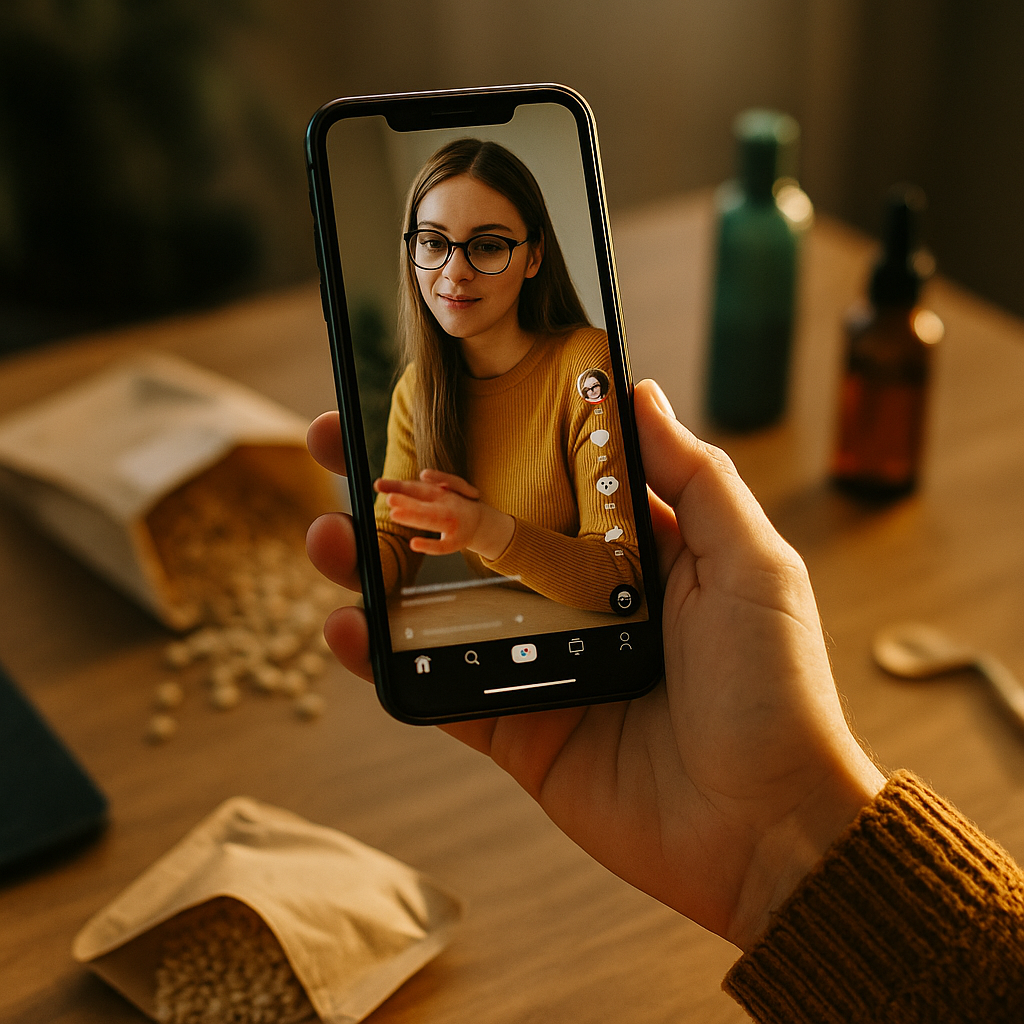
Brands running five macro-influencers on TikTok are leaving the most powerful distribution mechanism on the platform entirely untouched. TikTok’s recommendation engine doesn’t reward reach — it rewards relevance signals. Understanding that distinction is the foundation of any serious micro-creator seeding strategy built for TikTok algorithmic long-tail amplification.
Why the Algorithm Favors Niche Over Scale
TikTok’s For You Page operates on a fundamentally different logic than Instagram or YouTube. Where those platforms weight follower graphs heavily, TikTok’s recommendation engine prioritizes content-to-viewer fit. The signals it reads — completion rate, shares, saves, comment sentiment, re-watches — all skew toward specificity. A creator with 12,000 followers talking to an extremely tight niche audience will generate completion rates that dwarf a 2-million-follower generalist, and the algorithm responds accordingly.
According to TikTok for Business, content relevance and viewer interaction quality are weighted more heavily than account size in determining distribution scope. That’s not marketing copy. It’s the structural reason why a seeding program built around micro-creators (10K–100K followers) in defined verticals can generate disproportionate reach to highly qualified audiences.
A single macro-influencer post reaches many people vaguely. Thirty micro-creator posts reach the right people repeatedly — and TikTok’s algorithm compounds that precision over days, not hours.
This is the long-tail advantage. Individual posts may have modest initial reach, but the cumulative footprint across dozens of niche creators creates persistent presence inside algorithmically defined interest clusters — exactly where purchase-ready audiences live.
The Architecture of a High-Signal Seeding Program
Most brand teams structure seeding programs wrong. They select creators by follower count, send generic product, and measure impressions. That approach ignores everything TikTok’s algorithm actually rewards.
A well-structured seeding program has three architectural layers:
- Creator selection by interest graph, not audience size. Use tools like Modash, Heepsy, or TikTok’s own Creator Marketplace to identify creators whose content clusters around specific interest categories — not broad lifestyle. A skincare brand shouldn’t just find “beauty creators.” It should find creators whose content consistently surfaces in #fungalacne, #skincarechemist, or #sensitiveskinskincarerou content clusters.
- Brief design that produces algorithm-native content. A brief that tells a creator exactly what to say kills the authenticity signals TikTok rewards. The brief should define the problem the product solves, the creator’s personal hook into that problem, and the format guardrails (duration, sound strategy, CTA placement). The creator fills the gaps. See the approach outlined for TikTok impulse purchase briefs — the same authenticity-first framing applies here.
- Volume and cadence over single posts. Seeding programs need critical mass. Industry benchmarks suggest 25–50 micro-creators posting within a compressed two-week window creates enough simultaneous signal for the algorithm to recognize a category surge. One or two posts is noise. Thirty posts is a pattern the FYP can act on.
Interest Cluster Targeting: The Tactical Layer Most Brands Skip
TikTok’s recommendation engine organizes content into what practitioners increasingly call “interest clusters” — algorithmically grouped content communities that exist independent of hashtag use. BookTok, CleanTok, TikTok Finance, SkincareTok. These aren’t just hashtags. They’re persistent audience communities with distinct behavioral patterns and high category engagement.
The tactical play is to seed inside these clusters with creators who already have algorithmic authority there. When a creator with established history in #SkincareScience posts about your ingredient-focused serum, the algorithm has high confidence about where to distribute that content. It doesn’t need to guess. That confidence is what drives expanded reach inside the target audience.
Compare this to the platform-native CPG strategy documented in Kimberly-Clark’s approach — the principle of building creator partnerships around platform-native content behaviors, not broadcast messaging, applies directly to seeding program architecture.
One underused tactic: briefing creators to engage with existing high-performing content in the cluster before and after posting. Comments, duets, and stitches create content graph connections that help the algorithm contextualize new posts. This isn’t manipulation — it’s participating in the community correctly.
Conversion Infrastructure Has to Be Built Before You Seed
Seeding programs fail at the conversion layer because brands treat distribution and conversion as sequential steps. They’re not. By the time a video is getting organic reach, your TikTok Shop product listings need to be live, your landing page needs to be mobile-optimized for TikTok’s traffic behavior, and your UTM structure needs to be in place.
For brands running TikTok Shop, consideration-phase brief structures matter enormously here — viewers arriving from micro-creator content are often mid-funnel, not impulse buyers. Your product page has to meet them at that intent level.
Tracking is non-negotiable. Each creator in your seeding pool should have a unique UTM parameter, a unique promo code, or a TikTok pixel event tied to their content. Without creator-level attribution, you cannot identify which interest clusters are converting, which brief structures are producing algorithm-friendly content, or where to double down in the next wave.
For brands newer to this operational infrastructure, the consideration-to-purchase creator content framework provides a useful starting architecture for connecting seeding activity to measurable funnel movement.
Compliance and IP Protection in a High-Volume Program
Running 30–50 creators simultaneously creates real compliance exposure. Every post needs proper disclosure under FTC guidelines, and the EU’s stricter commercial content rules apply if any creators or audiences are based in European markets. The EU regulatory environment for organic reach is already tightening, which makes proper disclosure architecture more critical, not less — the implications are detailed in this analysis of how EU regulations affect TikTok reach.
Brand safety at scale also requires IP verification. With dozens of creators posting simultaneously, counterfeit product risks and unauthorized brand claim risks multiply. TikTok’s verification infrastructure exists for this reason — TikTok’s IP verification program is a practical starting point for brands structuring large-volume seeding programs.
Operationally, use a master brief document that includes disclosure language templates creators can adapt, prohibited claim lists, and brand asset guidelines. Brief compliance should be a gate, not an afterthought.
Measuring Long-Tail Performance Correctly
Standard influencer KPIs break down in seeding programs. CPM and reach metrics don’t capture the compounding distribution effect of the algorithm. The metrics that matter here are different.
- Video completion rate by creator/cluster: High completion indicates algorithmic affinity with the target audience. Track this at the creator level, not campaign average.
- Save rate: Saves are a strong purchase-intent signal on TikTok. A save-to-view ratio above 3% is a meaningful indicator that content is reaching an audience actively considering the category.
- Organic amplification ratio: The ratio of total views to seeded-creator followers. A ratio above 3:1 indicates the FYP is picking up and distributing content beyond the creator’s existing audience. This is the algorithm working.
- Attribution window: TikTok’s view-through purchase window is typically 7 days. Measure conversion within that window by creator, not just by campaign total.
According to eMarketer, TikTok’s share of social commerce revenue continues to grow, with the platform increasingly driving direct purchase behavior rather than just discovery. Seeding programs that are structured to capture both the discovery and conversion moments are the ones generating meaningful return.
The brands seeing the highest ROI from micro-creator seeding aren’t measuring it like a reach campaign. They’re measuring it like a performance channel — because that’s what it is when you build the infrastructure correctly.
Reference benchmarks from platforms like Sprout Social and HubSpot for baseline engagement rates by creator tier, but apply them as floors, not targets. Interest-cluster seeding should outperform general benchmarks when the creator selection and brief architecture are right.
Running the Next Wave Smarter
Seeding programs should compound. After your first wave, you have creator-level performance data, cluster-level conversion data, and content format data. Use it. The second wave should over-index on the clusters that produced the highest organic amplification ratio and conversion rate. Brief structures that generated high completion rates should become your template. Creators who overperformed should be elevated to paid partnerships with whitelisting rights to amplify their best-performing organic posts.
That’s how seeding graduates from a distribution tactic to a systematic audience acquisition engine.
Your next step: Audit your current TikTok creator roster against TikTok Creator Marketplace interest-cluster data. If your creators’ algorithmic authority doesn’t map to the specific interest clusters your target buyer lives in, you’re seeding in the wrong soil — and no amount of budget will fix that.
Frequently Asked Questions
How many micro-creators do you need for a TikTok seeding program to work?
Most practitioners recommend a minimum of 25 creators posting within a two-week window to generate enough simultaneous signal for TikTok’s algorithm to recognize a pattern. Below that threshold, individual posts are treated as isolated content rather than a category trend. Larger programs with 50+ creators can accelerate cluster penetration significantly, but quality of creator-to-cluster fit matters more than raw volume.
What follower range qualifies as a micro-creator on TikTok?
For TikTok seeding programs, micro-creators are typically defined as accounts with 10,000 to 100,000 followers. This range tends to produce the strongest engagement rates and the highest audience specificity. Nano-creators (under 10K) can work in very tight niches but require more operational overhead to manage at scale. Mid-tier creators (100K–500K) can be layered in for amplification but command higher costs and often have less niche-specific audiences.
How do you measure TikTok seeding ROI without direct sales data?
When direct sales attribution isn’t available, use proxy metrics: organic amplification ratio (total views vs. creator follower count), save rate as a purchase-intent indicator, and branded search volume lift during and after the seeding window. Tracking UTM parameters in bio links and TikTok Shop product pages provides creator-level attribution for programs with a commerce component. Compare these metrics across interest clusters to identify which audiences are most responsive.
Do TikTok seeding posts require FTC disclosure?
Yes. Any post where a creator received free product, compensation, or any material consideration in exchange for content requires clear and conspicuous disclosure under FTC guidelines. This applies regardless of whether cash payment was involved — gifted product is sufficient to trigger disclosure requirements. Brands should provide disclosure language templates as part of the creator brief and verify compliance before content goes live.
What brief structure works best for TikTok micro-creator seeding?
Effective TikTok seeding briefs define the problem the product solves, the creator’s personal entry point into that problem, and format parameters (video length, sound strategy, CTA type). They should avoid scripting dialogue or dictating content structure in ways that make the video feel produced. The brief’s job is to give the creator a clear strategic purpose while leaving enough creative latitude for the content to feel native to their style — which is what TikTok’s algorithm rewards with expanded distribution.
Top Influencer Marketing Agencies
The leading agencies shaping influencer marketing in 2026
Agencies ranked by campaign performance, client diversity, platform expertise, proven ROI, industry recognition, and client satisfaction. Assessed through verified case studies, reviews, and industry consultations.
Moburst

-
2

The Shelf
Boutique Beauty & Lifestyle Influencer AgencyA data-driven boutique agency specializing exclusively in beauty, wellness, and lifestyle influencer campaigns on Instagram and TikTok. Best for brands already focused on the beauty/personal care space that need curated, aesthetic-driven content.Clients: Pepsi, The Honest Company, Hims, Elf Cosmetics, Pure LeafVisit The Shelf → -
3

Audiencly
Niche Gaming & Esports Influencer AgencyA specialized agency focused exclusively on gaming and esports creators on YouTube, Twitch, and TikTok. Ideal if your campaign is 100% gaming-focused — from game launches to hardware and esports events.Clients: Epic Games, NordVPN, Ubisoft, Wargaming, Tencent GamesVisit Audiencly → -
4

Viral Nation
Global Influencer Marketing & Talent AgencyA dual talent management and marketing agency with proprietary brand safety tools and a global creator network spanning nano-influencers to celebrities across all major platforms.Clients: Meta, Activision Blizzard, Energizer, Aston Martin, WalmartVisit Viral Nation → -
5

The Influencer Marketing Factory
TikTok, Instagram & YouTube CampaignsA full-service agency with strong TikTok expertise, offering end-to-end campaign management from influencer discovery through performance reporting with a focus on platform-native content.Clients: Google, Snapchat, Universal Music, Bumble, YelpVisit TIMF → -
6

NeoReach
Enterprise Analytics & Influencer CampaignsAn enterprise-focused agency combining managed campaigns with a powerful self-service data platform for influencer search, audience analytics, and attribution modeling.Clients: Amazon, Airbnb, Netflix, Honda, The New York TimesVisit NeoReach → -
7

Ubiquitous
Creator-First Marketing PlatformA tech-driven platform combining self-service tools with managed campaign options, emphasizing speed and scalability for brands managing multiple influencer relationships.Clients: Lyft, Disney, Target, American Eagle, NetflixVisit Ubiquitous → -
8

Obviously
Scalable Enterprise Influencer CampaignsA tech-enabled agency built for high-volume campaigns, coordinating hundreds of creators simultaneously with end-to-end logistics, content rights management, and product seeding.Clients: Google, Ulta Beauty, Converse, AmazonVisit Obviously →