


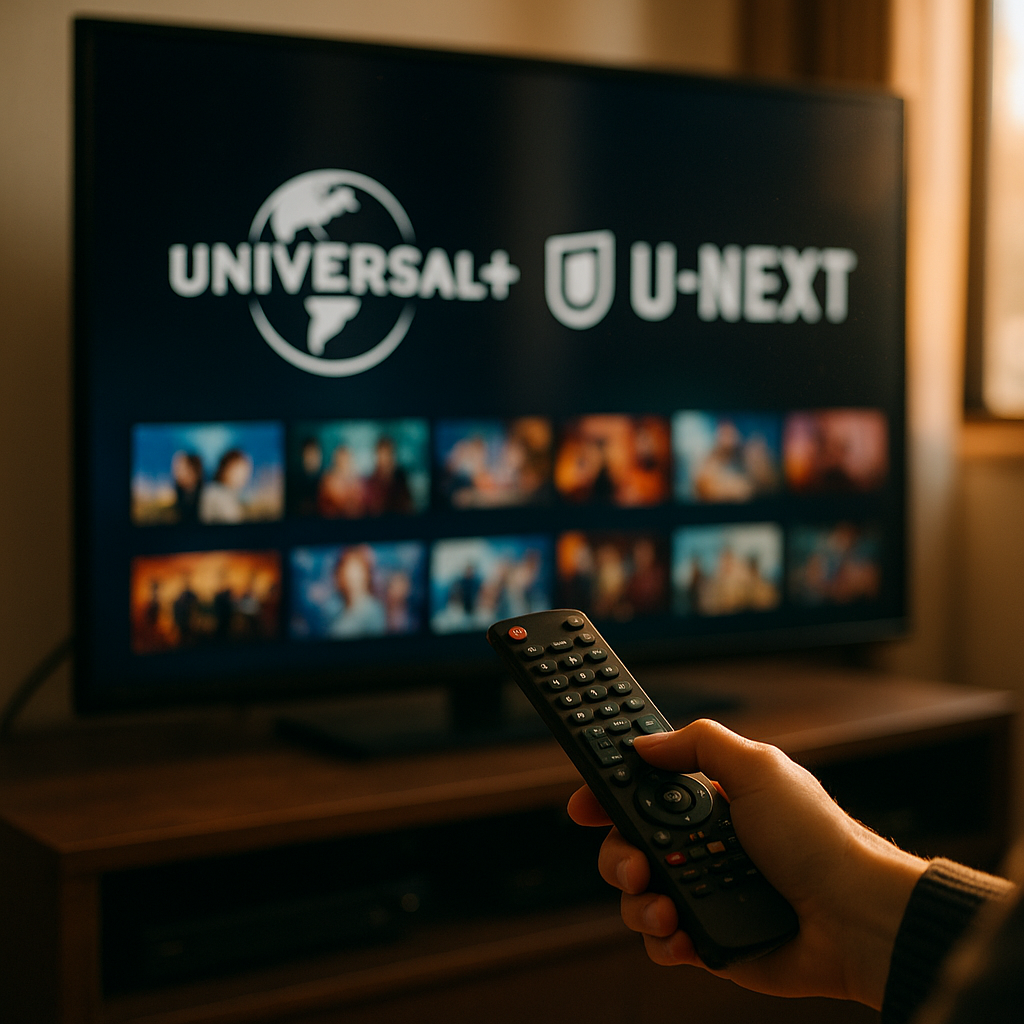
Japan’s streaming market is projected to top $8 billion by the end of the decade, yet most Western brands still treat it as an afterthought. NBCUniversal just signaled otherwise. Its new distribution agreement with U-Next to launch a branded “Universal+” channel inside Japan’s largest subscription video platform isn’t just a licensing footnote. It’s a template for how global media and marketing organizations should think about creator distribution, localization, and compliance in one of the world’s most lucrative, most misunderstood ad markets.
What Actually Happened: NBCUniversal and U-Next’s Universal+ Deal
U-Next, Japan’s largest domestic streaming service by subscriber count, has agreed to carry a dedicated Universal+ channel featuring NBCUniversal’s film, TV, and original content library, packaged specifically for Japanese audiences. Unlike a straightforward licensing arrangement where titles get scattered across a platform’s general catalog, this is a branded destination: a curated hub with its own identity, its own merchandising real estate, and its own promotional cadence inside U-Next’s app.
That distinction matters more than it sounds. A branded channel gives NBCUniversal (and by extension, any brand partner riding alongside its IP) a controlled environment for co-viewing campaigns, creator tie-ins, and localized ad units that a generic licensing deal simply doesn’t offer. Think of it less like renting shelf space and more like opening a flagship store inside someone else’s mall.
A branded channel inside a dominant local platform gives global media companies something licensing alone never has: a controlled, addressable environment for creator and ad experimentation in a market notoriously resistant to outside playbooks.
Why Brand Strategists Should Care About a Streaming Licensing Deal
Here’s the question most CMOs will ask: why does a content distribution deal between two media companies belong in a creator economy conversation? Because Universal+ isn’t just streaming movies. It’s building an ecosystem where Japanese creators, dubbing talent, clip-culture commentators, and fan communities will inevitably attach themselves to that content, the same way creator ecosystems formed around Netflix originals and Disney+ franchises in North America.
Brands that got early into creator distribution around Squid Game or Marvel content on Western platforms captured outsized reach at a fraction of later-stage CPMs. The same window is opening now in Japan, and it’s smaller than you think. U-Next’s userbase skews toward high-intent, high-spend subscribers, exactly the audience segment that Japanese beauty, gaming, and consumer electronics brands have struggled to reach efficiently through traditional TV buys.
For agencies managing international creator budgets, this deal is a signal to start mapping which platforms are quietly becoming the next distribution layer for co-branded content, the way AI-driven video ad formats reshaped performance expectations elsewhere.
The Playbook: Five Moves Brands Should Make Now
You don’t need a media conglomerate’s budget to act on this. What you need is a sequence.
- Map the rights holders, not just the platform. U-Next carries Universal+ content, but the actual creator and brand partnership opportunities sit with NBCUniversal’s regional licensing team and any co-marketing agencies they’ve contracted locally. Go to the source.
- Localize before you translate. Japanese streaming audiences respond to distinct pacing, humor, and disclosure norms. A dubbed Western influencer campaign rarely performs; a rebuilt one, using Japanese creators reacting to or extending the IP, does.
- Treat the channel launch window as your entry point. Platform launches generate a temporary spike in algorithmic favor and press coverage. Brands that align product drops or co-branded content to the first 90 days of Universal+ will get amplification that later entrants won’t.
- Build creator briefs around platform-native formats. U-Next’s interface, recommendation logic, and ad units differ meaningfully from YouTube or TikTok. Briefs built for one rarely transfer cleanly, a lesson brands learned the hard way when editing tool shifts forced creator brief rebuilds elsewhere.
- Plan for dual-market measurement. Japanese subscription metrics and engagement benchmarks don’t map one-to-one onto U.S. or European KPIs. Build a separate scorecard rather than forcing Universal+ performance into a global dashboard that misrepresents it.
Compliance Isn’t Optional: Japan’s Disclosure Rules Are Stricter Than Most Marketers Assume
Japan tightened its stance on undisclosed sponsorships with amendments to its Act against Unjustifiable Premiums and Misleading Representations, commonly referred to in trade circles as the “stealth marketing” ban. Any creator content tied to Universal+ that carries brand compensation, product seeding, or affiliate incentives must be disclosed clearly, in Japanese, and in a manner the Consumer Affairs Agency considers unambiguous. Vague hashtags or buried captions won’t cut it.
This is where brands entering Japan through a new distribution channel most often stumble. Teams accustomed to FTC-style disclosure norms in the U.S. assume similar leniency applies abroad. It doesn’t. For a useful baseline on disclosure sequencing principles that translate across markets, review the FTC’s endorsement guidance and adapt it to local statutory language rather than copying it wholesale.
Brands already navigating overlay and sequencing requirements in other markets, as outlined in our breakdown of shoppable overlay disclosure sequencing, will find the operational discipline transfers well. The specific legal thresholds do not.
Assuming U.S. disclosure norms satisfy Japanese regulators is one of the fastest ways to turn a promising Universal+ tie-in into a compliance liability before the campaign even launches.
What ROI Actually Looks Like Here
Skip the vanity metrics. Subscriber lift for U-Next itself isn’t a KPI most brand marketers control or should chase. The metrics that matter sit one layer down:
- Co-viewing completion rates on branded content segments within the Universal+ hub
- Creator-driven referral traffic from Japanese social platforms into the U-Next app
- Affiliate or promo code redemption tied specifically to Universal+ content windows
- Sentiment and disclosure compliance rate across any sponsored creator content referencing the channel
Early data from comparable APAC streaming launches, tracked by firms like eMarketer, suggests branded channel launches see their strongest engagement in the first six to eight weeks, then flatten unless refreshed with new creator content drops. Budget accordingly: front-load creator activation, don’t spread it evenly across a quarter.
Statista’s subscription streaming forecasts for Japan also show U-Next holding a commanding domestic share relative to global entrants like Netflix and Amazon Prime Video, which is precisely why NBCUniversal chose a local partner over a direct-to-consumer play. Distribution through a trusted domestic platform beats cold-starting brand recognition every time.
Where This Fits Alongside Other Distribution Bets
Universal+ isn’t happening in isolation. Brands are simultaneously navigating rights and whitelisting complexity on platforms like TikTok, where automated whitelisting and dark posting tools are reshaping how sponsored content gets distributed at scale. The common thread: distribution is fragmenting, and the brands winning are the ones building repeatable evaluation frameworks rather than reacting deal by deal.
The same logic applies to streaming commerce experiments, like the loop-based formats detailed in our look at evergreen streaming content models. Universal+ won’t be the last branded channel launch inside a regional streaming giant this year. Treat it as a case study, build your evaluation checklist now, and you’ll move faster than competitors still asking “should we even care about Japan?”
For teams managing broader B2B sponsorship disclosure across regions, the frameworks in our sponsorship disclosure playbook offer a useful cross-check, even though the platform context differs.
The Next Move
Don’t wait for a formal Universal+ brand partnership program to materialize. Contact NBCUniversal’s APAC licensing team or your agency’s Tokyo office this quarter, get ahead of the 90-day launch window, and build your disclosure language in Japanese before your first creator brief goes out, not after a compliance complaint forces the rewrite.
FAQs
What is the Universal+ deal between NBCUniversal and U-Next?
It’s a distribution agreement giving NBCUniversal a dedicated, branded content channel inside U-Next, Japan’s largest domestic streaming platform, rather than a standard catalog licensing arrangement.
Why does this matter for brands outside the media industry?
Branded streaming channels create controlled environments for creator tie-ins, co-viewing campaigns, and localized ad formats, giving brands an early distribution advantage similar to what happened around major franchise launches on Western streaming platforms.
What compliance risks should brands watch for in Japan?
Japan’s amended stealth marketing regulations require clear, unambiguous sponsorship disclosure in Japanese. Assuming U.S. or EU disclosure norms will satisfy local regulators is a common and costly mistake.
How should brands measure ROI on a Universal+ style partnership?
Focus on co-viewing completion rates, creator-driven referral traffic, promo code redemption tied to the channel, and disclosure compliance rates rather than platform-wide subscriber growth, which brands don’t control.
Is Japan’s streaming market worth prioritizing over larger markets?
Japan’s subscription streaming sector is among the largest in Asia by revenue per user, and its high-intent, high-spend subscriber base often outperforms larger but lower-conversion markets for brands with the right localized approach.
Top Influencer Marketing Agencies
The leading agencies shaping influencer marketing in 2026
Agencies ranked by campaign performance, client diversity, platform expertise, proven ROI, industry recognition, and client satisfaction. Assessed through verified case studies, reviews, and industry consultations.
Moburst

-
2

The Shelf
Boutique Beauty & Lifestyle Influencer AgencyA data-driven boutique agency specializing exclusively in beauty, wellness, and lifestyle influencer campaigns on Instagram and TikTok. Best for brands already focused on the beauty/personal care space that need curated, aesthetic-driven content.Clients: Pepsi, The Honest Company, Hims, Elf Cosmetics, Pure LeafVisit The Shelf → -
3

Audiencly
Niche Gaming & Esports Influencer AgencyA specialized agency focused exclusively on gaming and esports creators on YouTube, Twitch, and TikTok. Ideal if your campaign is 100% gaming-focused — from game launches to hardware and esports events.Clients: Epic Games, NordVPN, Ubisoft, Wargaming, Tencent GamesVisit Audiencly → -
4

Viral Nation
Global Influencer Marketing & Talent AgencyA dual talent management and marketing agency with proprietary brand safety tools and a global creator network spanning nano-influencers to celebrities across all major platforms.Clients: Meta, Activision Blizzard, Energizer, Aston Martin, WalmartVisit Viral Nation → -
5

The Influencer Marketing Factory
TikTok, Instagram & YouTube CampaignsA full-service agency with strong TikTok expertise, offering end-to-end campaign management from influencer discovery through performance reporting with a focus on platform-native content.Clients: Google, Snapchat, Universal Music, Bumble, YelpVisit TIMF → -
6

NeoReach
Enterprise Analytics & Influencer CampaignsAn enterprise-focused agency combining managed campaigns with a powerful self-service data platform for influencer search, audience analytics, and attribution modeling.Clients: Amazon, Airbnb, Netflix, Honda, The New York TimesVisit NeoReach → -
7

Ubiquitous
Creator-First Marketing PlatformA tech-driven platform combining self-service tools with managed campaign options, emphasizing speed and scalability for brands managing multiple influencer relationships.Clients: Lyft, Disney, Target, American Eagle, NetflixVisit Ubiquitous → -
8

Obviously
Scalable Enterprise Influencer CampaignsA tech-enabled agency built for high-volume campaigns, coordinating hundreds of creators simultaneously with end-to-end logistics, content rights management, and product seeding.Clients: Google, Ulta Beauty, Converse, AmazonVisit Obviously →