


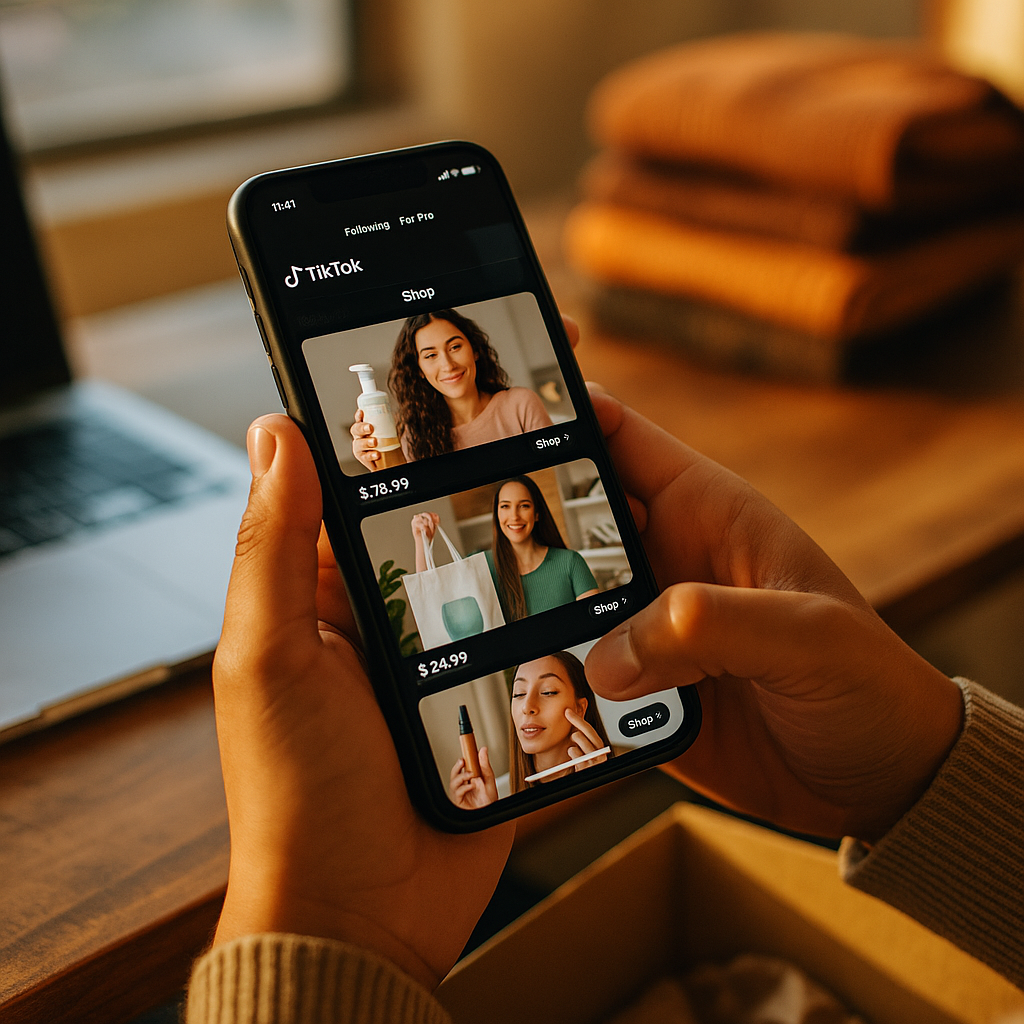
Brands running ten or more active TikTok Shop creators simultaneously see conversion rates nearly three times higher than those managing fewer than five. That gap is not accidental. It is structural. The brands winning at TikTok commerce have stopped treating creator relationships as one-off deals and started engineering TikTok custom creator network tools for brand commerce as a repeatable operating system.
Why a Creator Roster Is Not the Same as a Creator Network
Most brand teams have a roster. They have a spreadsheet of creators who have posted for them, a shared Dropbox of briefs, and a vague sense of which niches perform. That is not a network. A network has architecture: defined tiers, clear conversion mandates at each tier, automated matching logic, and feedback loops that feed performance signals back into selection criteria.
The distinction matters enormously when you are scaling TikTok Shop. A roster is managed. A network compounds. Every creator you add should make the next creator’s performance easier to predict, because you are learning from a structured system rather than isolated experiments.
Brands that systematize creator selection using platform-native AI tools report a 40–60% reduction in onboarding time per creator compared to manual vetting, according to TikTok for Business benchmarks.
Symphony Agent, TikTok’s AI orchestration layer inside TikTok for Business, now gives brand teams the infrastructure to stop managing rosters and start operating networks. The Custom Creator Network feature is where that shift becomes operational.
What Symphony Agent’s Custom Network Feature Actually Does
At its core, the Custom Network feature inside TikTok for Business lets brand teams build a curated pool of pre-vetted creators that the Symphony Agent AI can then match to specific campaign objectives, product SKUs, and audience segments automatically. Think of it as a private talent exchange that your AI assistant can query in real time.
Here is what that means operationally:
- Persistent creator profiles: Each creator in your custom network carries a machine-readable profile built from historical performance data, audience demographics, content category affinity, and Shop conversion metrics.
- SKU-level matching: Symphony Agent can match a specific product in your TikTok Shop catalog to the creator whose audience has the highest purchase-intent overlap for that category, not just for your brand generally.
- Brief automation: Once a match is confirmed, the agent can generate a pre-populated brief incorporating your brand guidelines, product claims, and disclosure requirements.
- Performance feedback loops: Post-campaign data flows back into each creator’s profile, continuously refining the match quality over time.
For brands already familiar with Symphony Agent’s creator matching capabilities, the Custom Network layer adds proprietary data advantages that the open marketplace cannot replicate.
Building the Tiered Ecosystem: How to Structure It
Not every creator in your network should be doing the same job. The brands generating the most consistent Shop revenue are running three-tier ecosystems, and the tier structure should be explicit, not emergent.
Tier 1: Anchor Creators (5–10 accounts)
These are your highest-reach, brand-aligned creators. Their primary mandate is awareness and trust signaling. They introduce products to cold audiences, establish social proof, and generate the kind of content that can be repurposed as Spark Ads. Conversion is a secondary metric here. Do not punish a Tier 1 creator for a low CVR on a first-touch post.
Tier 2: Category Specialists (15–30 accounts)
This is where your TikTok Shop conversion actually lives. Category specialists, whether that is a skincare formulator with 180,000 followers or a home organization creator with a loyal mid-size audience, drive purchase decisions because their audiences are already pre-qualified for that product type. Symphony Agent’s SKU-matching logic is most powerful at this tier. Every creator assignment should map to a specific product or product family.
Tier 3: High-Frequency Micro Creators (50–200+ accounts)
Volume and velocity. Micro creators at the 10,000–80,000 follower range generate the content frequency that feeds TikTok’s algorithm and keeps your Shop products discoverable in search and For You pages. Their commission-based compensation structure through TikTok Shop affiliate briefs keeps your cost base performance-linked.
The operational leverage comes from running all three tiers simultaneously rather than sequentially. Anchor content creates cultural permission. Category specialist content closes the purchase consideration loop. Micro creator volume sustains algorithmic momentum.
Feeding the Algorithm: Brief Architecture for Shop Conversion
Symphony Agent’s brief generation is only as good as the inputs you give it. This is where many brand teams underinvest. Before the AI can write an effective brief, your team needs to define three things explicitly: the conversion hook format that works for your category, the disclosure language that is FTC-compliant, and the product claim boundaries your legal team has approved.
On disclosure: FTC guidelines require clear and conspicuous disclosure of material connections, including affiliate commissions. Make this a locked field in every Symphony Agent brief template, not an optional reminder. Brand safety and compliance should be non-negotiable parameters, not afterthoughts. For deeper coverage on brand safety configuration inside TikTok’s tools, the keyword filter configuration layer is worth auditing alongside your network setup.
Hook architecture for Shop posts deserves particular attention. The first two seconds determine whether a viewer will click the product link. Symphony Agent can generate hook variants, but your team should be providing a bank of proven hook templates segmented by product type and audience intent stage. Cold audience hooks (“I didn’t know my skin needed this until…”) differ structurally from warm retargeting hooks (“Everyone’s asking where I got this…”).
The brief is not a creative constraint. It is the conversion architecture. Brands that include specific hook formats, timing cues for product mentions, and pre-approved claim language see measurably higher Shop click-through rates from creator content.
Attribution: What You Can Actually Measure
One of the persistent frustrations with creator-driven commerce is multi-touch attribution. A customer might see an Anchor Tier post, then a category specialist review three days later, then click a Spark Ad based on micro creator content. Which creator gets credit?
TikTok’s Shop attribution window, currently a 7-day click and 1-day view default (adjustable in TikTok Ads Manager), does not automatically account for creator-assisted journeys across organic and paid. Brands running structured networks should layer in two additional measurement approaches:
- Creator-specific promo codes: Even when affiliate links are the primary conversion mechanism, unique promo codes give you last-touch attribution that cross-references against affiliate click data.
- Cohort analysis by network tier: Track new customer acquisition rates separately for Tier 1, 2, and 3 creator traffic. This tells you where in the funnel each tier is actually producing revenue, versus where you assumed it would.
For brands also running Meta creator programs in parallel, comparing attribution models across platforms is instructive. The Meta creator affiliate structure handles catalog attribution differently, and understanding both systems helps you build a more coherent cross-platform view of creator-driven revenue.
Scaling Without Losing Creative Quality
The risk with any automated network system is creative dilution. When Symphony Agent is generating briefs and matching creators at volume, the content can start to feel templated. Audiences notice. TikTok’s algorithm notices too, since it deprioritizes content that pattern-matches to previous posts.
The solution is constraint-based diversity. Set hard parameters for what must stay consistent (disclosure language, product claims, brand mentions) and explicitly free creators from constraints on format, narrative angle, and aesthetic. A brief that says “mention the vitamin C concentration and include #TikTokShop, everything else is yours” will outperform a six-point directive every time.
Also worth monitoring: TikTok’s ongoing suppression of AI-generated faceless content. Brands building custom networks should audit creator authenticity as part of their onboarding criteria. The creator authorship verification issue has direct implications for which creators you allow into your network and how you validate content before it goes live.
Separately, if you are using sponsored video placements to amplify creator content, understanding hook timing and disclosure formats for Shop-specific posts will protect both your compliance posture and your conversion performance.
For competitive context, it is worth understanding how analogous tools work on other platforms. Pinterest’s AI ad and Shopify integration offers a useful comparison point for how platform-native AI matching translates (or does not) to commerce outcomes in different intent environments. TikTok’s purchase intent signals are behaviorally distinct, but the structural lessons around catalog integration and creator-product alignment transfer.
The Operating Cadence That Makes It Sustainable
A custom creator network is not a campaign. It is infrastructure. That means it requires a maintenance cadence, not just a launch plan. Quarterly network audits should evaluate creator performance against tier benchmarks, remove underperformers, recruit replacements using Symphony Agent’s matching against updated audience data, and refresh brief templates based on what the last 90 days of content performance revealed.
Monthly, your team should be reviewing SKU-to-creator match quality. Products launch, go out of stock, or shift in strategic priority. Your creator assignments need to move with that. Weekly, someone should be checking that disclosure language is appearing correctly in published posts, because this is an area where brand exposure accumulates quietly until it does not.
Start by auditing your current creator roster against the three-tier framework, then identify which tier has the largest structural gap. That gap is where Symphony Agent’s Custom Network feature will generate the most immediate return.
Frequently Asked Questions
What is TikTok Symphony Agent’s Custom Creator Network feature?
It is a feature within TikTok for Business that allows brands to build a curated pool of pre-vetted creators. The Symphony Agent AI then automatically matches those creators to specific campaign objectives, product SKUs, and audience segments, streamlining creator selection and brief generation at scale.
How many creators do brands typically need to run an effective TikTok Shop network?
Effective networks typically start with a minimum of 20–30 creators spread across three tiers: 5–10 anchor creators, 15–30 category specialists, and a larger pool of micro creators. The optimal number scales with catalog size and campaign frequency, but volume at the micro tier is important for sustained algorithmic visibility.
How does SKU-level matching work inside Symphony Agent?
Symphony Agent analyzes each creator’s historical content performance, audience demographics, and category affinity, then maps those signals against your TikTok Shop catalog. The result is a match between a specific product and the creator whose audience has the highest purchase-intent overlap for that product type, rather than a generic brand-fit score.
What attribution model should brands use for creator-driven TikTok Shop sales?
TikTok Ads Manager offers a 7-day click, 1-day view default attribution window that can be adjusted per campaign. For creator networks, brands should layer in creator-specific promo codes alongside affiliate links and conduct cohort analysis by network tier to understand which part of the funnel each creator tier is actually influencing.
How do brands prevent creative fatigue in a high-volume creator network?
The most effective approach is constraint-based diversity: lock down the non-negotiable elements like disclosure language and product claims, then explicitly free creators from constraints on format, narrative, and aesthetics. Prescriptive briefs at scale tend to produce homogeneous content that both audiences and TikTok’s algorithm deprioritize over time.
What compliance requirements apply to TikTok Shop creator content?
Brands must ensure all creator content includes clear and conspicuous disclosure of material connections, including affiliate commissions, in line with FTC guidelines. This disclosure language should be a locked, non-negotiable field in every brief template, not an optional recommendation. Platform-level brand safety configurations should also be audited regularly.
Top Influencer Marketing Agencies
The leading agencies shaping influencer marketing in 2026
Agencies ranked by campaign performance, client diversity, platform expertise, proven ROI, industry recognition, and client satisfaction. Assessed through verified case studies, reviews, and industry consultations.
Moburst

-
2

The Shelf
Boutique Beauty & Lifestyle Influencer AgencyA data-driven boutique agency specializing exclusively in beauty, wellness, and lifestyle influencer campaigns on Instagram and TikTok. Best for brands already focused on the beauty/personal care space that need curated, aesthetic-driven content.Clients: Pepsi, The Honest Company, Hims, Elf Cosmetics, Pure LeafVisit The Shelf → -
3

Audiencly
Niche Gaming & Esports Influencer AgencyA specialized agency focused exclusively on gaming and esports creators on YouTube, Twitch, and TikTok. Ideal if your campaign is 100% gaming-focused — from game launches to hardware and esports events.Clients: Epic Games, NordVPN, Ubisoft, Wargaming, Tencent GamesVisit Audiencly → -
4

Viral Nation
Global Influencer Marketing & Talent AgencyA dual talent management and marketing agency with proprietary brand safety tools and a global creator network spanning nano-influencers to celebrities across all major platforms.Clients: Meta, Activision Blizzard, Energizer, Aston Martin, WalmartVisit Viral Nation → -
5

The Influencer Marketing Factory
TikTok, Instagram & YouTube CampaignsA full-service agency with strong TikTok expertise, offering end-to-end campaign management from influencer discovery through performance reporting with a focus on platform-native content.Clients: Google, Snapchat, Universal Music, Bumble, YelpVisit TIMF → -
6

NeoReach
Enterprise Analytics & Influencer CampaignsAn enterprise-focused agency combining managed campaigns with a powerful self-service data platform for influencer search, audience analytics, and attribution modeling.Clients: Amazon, Airbnb, Netflix, Honda, The New York TimesVisit NeoReach → -
7

Ubiquitous
Creator-First Marketing PlatformA tech-driven platform combining self-service tools with managed campaign options, emphasizing speed and scalability for brands managing multiple influencer relationships.Clients: Lyft, Disney, Target, American Eagle, NetflixVisit Ubiquitous → -
8

Obviously
Scalable Enterprise Influencer CampaignsA tech-enabled agency built for high-volume campaigns, coordinating hundreds of creators simultaneously with end-to-end logistics, content rights management, and product seeding.Clients: Google, Ulta Beauty, Converse, AmazonVisit Obviously →