


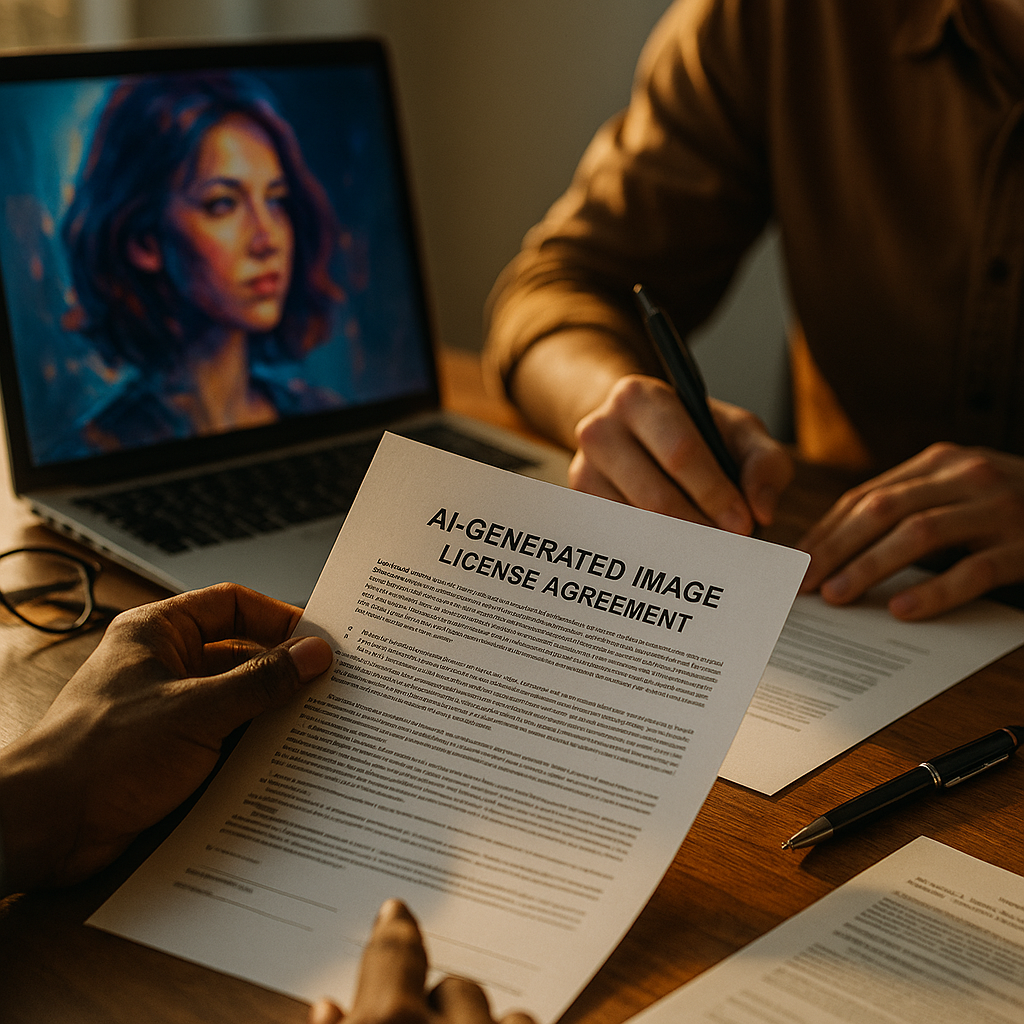
A brand runs a single sponsored video. Within a week, TikTok’s AI has spun it into six auto-generated variants, complete with new voiceovers, captions, and edited pacing, none of which anyone at the brand or the creator’s team ever approved. Sound far-fetched? It’s already happening, and most creator contracts have nothing to say about it. AI remix rights have quietly become one of the biggest blind spots in influencer marketing legal ops.
This isn’t a theoretical risk brands can punt to next quarter. Platforms are building generative remix tools directly into their infrastructure, and sponsored content is getting swept up alongside organic posts. If your contracts were drafted before platform-native AI remixing existed, they almost certainly don’t cover what’s happening to your campaigns right now.
What Platform-Level Remixing Actually Means for Sponsored Content
TikTok’s Symphony suite and Instagram’s expanding AI editing tools don’t just recommend content differently, they actively transform it. Think auto-dubbing into other languages, AI-generated B-roll insertions, algorithmic re-cutting for different aspect ratios, and even synthetic voice overlays applied without a human editor touching the file. Meta has signaled similar ambitions with generative tools baked into Advantage+ and Reels production features.
None of this used to matter much for organic content. Nobody sued over a filter. But sponsored content is different: it carries FTC disclosure obligations, brand claims language, image rights, and often a paid usage license with specific term limits. When a platform algorithmically alters that asset after publication, who is responsible for what that altered version says, implies, or fails to disclose?
If a platform’s AI inserts a health claim, alters a disclosure placement, or generates a synthetic voice track without consent, the brand is still the one facing FTC scrutiny, not TikTok.
That’s the crux of it. Regulators go after the advertiser. Platforms have terms of service that broadly disclaim liability for how their AI systems repurpose uploaded content. Creators, meanwhile, often don’t have visibility into what happens to their video after it leaves their hands. Brand legal teams are left holding a risk they didn’t create and can’t fully see.
Why “Post-Publication” Is the Legal Blind Spot
Most influencer agreements are built around a pre-publication mindset: approval rights before posting, usage rights for a defined window after posting, and morality clauses covering the creator’s own future conduct. Almost none of them anticipate that the content itself might change shape after it goes live, without any human in the loop.
That gap creates three distinct exposure points:
- Disclosure drift. An AI remix might crop out or reposition a #ad tag, or generate a caption that omits it entirely. That’s a direct FTC disclosure problem, and it’s arguably worse than a fresh violation, because the original post was compliant.
- Claims mutation. Auto-generated captions or voiceovers can introduce language the brand never approved, including performance claims that weren’t in the original script.
- Likeness and voice rights. Synthetic dubbing or AI-generated voice tracks raise a separate right-of-publicity question. Did the creator consent to an AI recreation of their voice in twelve languages, or just to the original English-language post?
Each of these issues already has cousins in the compliance world. Disclosure drift echoes the placement problems covered in the cross-platform ad disclosure matrix, and claims mutation runs parallel to the risks outlined in FTC claim pre-clearance guidance for AI-generated content. Legal teams that have already built muscle around those issues have a head start, but remix rights need their own dedicated clause.
The Contract Clauses Legal Teams Need to Add Now
You don’t need to rebuild your entire influencer agreement template. You need to bolt on specific, narrowly scoped provisions that address algorithmic transformation directly. Here’s what belongs in the next round of redlines.
1. An AI Remix Consent and Scope Clause
Define, explicitly, whether the creator and brand consent to platform-native AI remixing of the sponsored asset, and under what conditions. This should specify permitted transformation types (translation, aspect-ratio edits, caption generation) versus prohibited ones (synthetic voice cloning, face/likeness alteration, claims-bearing text insertion). Silence is not a strategy here; an unaddressed clause defaults to whatever the platform’s terms of service say, and those terms are written to protect the platform, not you.
2. A Disclosure Persistence Warranty
Require that any remixed or algorithmically transformed version of the content must preserve, or platforms must be configured to preserve, the original sponsorship disclosure. This won’t stop every AI editing glitch, but it establishes contractual grounds for a cure obligation and shifts negotiating leverage back toward the brand if a dispute arises. Pair this with monitoring language obligating the creator (or the brand’s own compliance team) to flag any AI-remixed version that strips or buries the disclosure.
3. Indemnification Carve-Outs for AI-Introduced Claims
This is the one legal teams most often skip, and it’s the one that bites hardest. If a platform’s AI remix generates new caption text or voiceover content containing a claim the brand never made, who’s liable if the FTC comes knocking? Structure indemnification so the creator isn’t held responsible for platform-generated content they didn’t author or approve, while the brand retains the right to demand takedown or correction. This mirrors the logic already established in remix indemnification clauses built for pre-publication AI editing tools, just extended to the post-publication scenario.
4. A Takedown-and-Cure Mechanism, Not Just a Takedown Right
A standard “brand may request removal” clause isn’t enough anymore, because algorithmic remixes can regenerate faster than a single takedown request can process. Build in a defined response window (48-72 hours is a reasonable industry benchmark) and require the creator’s cooperation in flagging remix variants to the platform’s trust and safety team. Some brands are borrowing structure from notice-and-cure frameworks used in state-level compliance work, similar to the mechanics detailed in the pre-cure notification protocol, adapted here for platform-side remediation rather than regulator-side.
5. Voice and Likeness Licensing for Synthetic Derivatives
If a platform’s AI can auto-dub a creator’s video into Spanish, Portuguese, and Hindi using a synthetic reproduction of their voice, that’s a separate licensable right. Contracts should explicitly address whether that consent is granted, for which markets, and for how long. This is functionally an extension of the voice clone consent language already standard in dubbing agreements. Legal teams building this out should look at the AI voice clone clause template as a starting structure and adapt it for platform-initiated rather than brand-initiated dubbing.
Who Actually Owns the Remixed Asset?
Here’s a question that comes up in nearly every negotiation once remix rights enter the conversation: does the brand’s usage license extend to platform-generated derivative versions, or only the original upload?
Default usage licenses typically grant rights to “the content” as delivered, not to algorithmically generated derivatives the platform creates afterward. That’s a gap worth closing explicitly. Brands paying for whitelisting or extended usage rights, similar to the structures discussed in whitelisting agreement frameworks, should specify whether that paid usage extends to AI-remixed derivatives or terminates at the original asset.
There’s also a practical wrinkle: platforms may generate remix variants that get more algorithmic distribution than the original post. If a brand paid for a usage license tied to reach thresholds or performance guarantees, an AI-remixed variant performing better (or worse) than the original creates measurement headaches that finance and legal both need to anticipate.
Usage rights negotiated for “the sponsored post” no longer automatically cover what the platform’s AI does to that post six days later. That gap needs closing in every renewal cycle from here forward.
Building This Into Renewal Cycles, Not Just New Contracts
Retrofitting every legacy contract isn’t realistic for most legal teams managing hundreds of creator relationships. The more practical approach: treat AI remix exposure as a standing item in the renewal and audit cycle. Brands already running structured reviews, like the process outlined in the Q4 renewal checklist for AI remix liability, have a natural mechanism to slot this in without creating a separate compliance project.
Prioritize by exposure level. High-spend, high-visibility campaigns (anything with a paid usage extension, whitelisting, or health/finance claims) go first. Smaller organic-adjacent gifting arrangements can wait for the next natural renewal point. This isn’t about panic-renegotiating your entire roster overnight; it’s about triage based on where the FTC or a plaintiff’s attorney would actually look first.
It also helps to loop in platform relations teams. TikTok and Meta both maintain brand safety and trust liaison channels for large advertisers. If your legal team knows a specific remix feature is rolling out, that’s leverage in negotiating both contract language and platform-side opt-outs. According to eMarketer research on creator economy spend, brand investment in influencer content continues to climb year over year, which means the cost of getting this wrong scales right alongside it.
What This Isn’t: A Reason to Slow Down Creator Programs
None of this is an argument for stepping back from influencer partnerships or getting precious about AI tools. Platforms aren’t going to un-ship remix features because legal teams are uncomfortable. The realistic play is building contracts flexible enough to keep pace, not contracts that try to freeze platform behavior in place.
Brands that get this right will actually move faster, not slower. Clear remix consent language means less back-and-forth when a platform ships a new AI feature. Clear indemnification carve-outs mean fewer emergency legal reviews when something goes sideways. This is operational efficiency dressed up as risk mitigation, and it’s exactly the kind of groundwork that separates brands scrambling reactively from brands who saw it coming.
For broader context on how algorithmic dependency is reshaping brand risk generally, it’s worth reviewing the reasoning in Instagram algorithm reach risk coverage, and how EU regulators are already treating platform algorithm behavior as a compliance issue in its own right, not just a UX quirk. US regulatory attention tends to follow EU precedent with a lag, and FTC enforcement priorities have historically tracked emerging ad-tech patterns once they hit scale.
Next Step
Pull your top twenty highest-spend creator contracts this week and check for a single line addressing platform-initiated AI transformation of published content. If it’s not there, that’s your first redline, not your next quarter’s project.
FAQs
Do TikTok and Instagram’s terms of service already cover AI remix liability?
Platform terms of service typically grant broad rights to modify, edit, and repurpose uploaded content, and they disclaim liability for how those transformations affect advertisers. They protect the platform, not the brand or creator. Relying on platform ToS instead of your own contract language leaves you exposed.
Can a brand be held liable for a disclosure that an AI remix accidentally removed?
Yes, in principle. The FTC evaluates whether a disclosure was clear and conspicuous to the consumer viewing the ad, not whether the brand intended for it to disappear. If an algorithmically remixed version strips the disclosure, the brand still faces exposure unless the contract has clear remediation and monitoring obligations in place.
Should creators be compensated separately for AI-remixed versions of their content?
Many creator advocates argue yes, particularly when remixed versions (translated dubs, extended cuts) generate additional reach or revenue. This is becoming a negotiation point in usage rights discussions, especially for creators with strong bargaining power or exclusive brand deals.
How does this differ from AI-generated content created before publication?
Pre-publication AI tools (scriptwriting assistants, editing software) are typically used with the creator’s or brand’s direct involvement and can be reviewed before anything goes live. Post-publication algorithmic remixing happens automatically, often without notice, which is why it requires a distinct contractual approach rather than reusing pre-publication AI disclosure clauses.
What’s the fastest way to start addressing this without renegotiating every contract?
Prioritize high-spend and high-visibility campaigns first, add a remix consent and disclosure persistence clause to renewal templates immediately, and build AI remix exposure into existing Q4 or quarterly contract audits rather than treating it as a standalone legal project.
FAQs
Do TikTok and Instagram’s terms of service already cover AI remix liability?
Platform terms of service typically grant broad rights to modify, edit, and repurpose uploaded content, and they disclaim liability for how those transformations affect advertisers. They protect the platform, not the brand or creator. Relying on platform ToS instead of your own contract language leaves you exposed.
Can a brand be held liable for a disclosure that an AI remix accidentally removed?
Yes, in principle. The FTC evaluates whether a disclosure was clear and conspicuous to the consumer viewing the ad, not whether the brand intended for it to disappear. If an algorithmically remixed version strips the disclosure, the brand still faces exposure unless the contract has clear remediation and monitoring obligations in place.
Should creators be compensated separately for AI-remixed versions of their content?
Many creator advocates argue yes, particularly when remixed versions (translated dubs, extended cuts) generate additional reach or revenue. This is becoming a negotiation point in usage rights discussions, especially for creators with strong bargaining power or exclusive brand deals.
How does this differ from AI-generated content created before publication?
Pre-publication AI tools (scriptwriting assistants, editing software) are typically used with the creator’s or brand’s direct involvement and can be reviewed before anything goes live. Post-publication algorithmic remixing happens automatically, often without notice, which is why it requires a distinct contractual approach rather than reusing pre-publication AI disclosure clauses.
What’s the fastest way to start addressing this without renegotiating every contract?
Prioritize high-spend and high-visibility campaigns first, add a remix consent and disclosure persistence clause to renewal templates immediately, and build AI remix exposure into existing Q4 or quarterly contract audits rather than treating it as a standalone legal project.
Top Influencer Marketing Agencies
The leading agencies shaping influencer marketing in 2026
Agencies ranked by campaign performance, client diversity, platform expertise, proven ROI, industry recognition, and client satisfaction. Assessed through verified case studies, reviews, and industry consultations.
Moburst

-
2

The Shelf
Boutique Beauty & Lifestyle Influencer AgencyA data-driven boutique agency specializing exclusively in beauty, wellness, and lifestyle influencer campaigns on Instagram and TikTok. Best for brands already focused on the beauty/personal care space that need curated, aesthetic-driven content.Clients: Pepsi, The Honest Company, Hims, Elf Cosmetics, Pure LeafVisit The Shelf → -
3

Audiencly
Niche Gaming & Esports Influencer AgencyA specialized agency focused exclusively on gaming and esports creators on YouTube, Twitch, and TikTok. Ideal if your campaign is 100% gaming-focused — from game launches to hardware and esports events.Clients: Epic Games, NordVPN, Ubisoft, Wargaming, Tencent GamesVisit Audiencly → -
4

Viral Nation
Global Influencer Marketing & Talent AgencyA dual talent management and marketing agency with proprietary brand safety tools and a global creator network spanning nano-influencers to celebrities across all major platforms.Clients: Meta, Activision Blizzard, Energizer, Aston Martin, WalmartVisit Viral Nation → -
5

The Influencer Marketing Factory
TikTok, Instagram & YouTube CampaignsA full-service agency with strong TikTok expertise, offering end-to-end campaign management from influencer discovery through performance reporting with a focus on platform-native content.Clients: Google, Snapchat, Universal Music, Bumble, YelpVisit TIMF → -
6

NeoReach
Enterprise Analytics & Influencer CampaignsAn enterprise-focused agency combining managed campaigns with a powerful self-service data platform for influencer search, audience analytics, and attribution modeling.Clients: Amazon, Airbnb, Netflix, Honda, The New York TimesVisit NeoReach → -
7

Ubiquitous
Creator-First Marketing PlatformA tech-driven platform combining self-service tools with managed campaign options, emphasizing speed and scalability for brands managing multiple influencer relationships.Clients: Lyft, Disney, Target, American Eagle, NetflixVisit Ubiquitous → -
8

Obviously
Scalable Enterprise Influencer CampaignsA tech-enabled agency built for high-volume campaigns, coordinating hundreds of creators simultaneously with end-to-end logistics, content rights management, and product seeding.Clients: Google, Ulta Beauty, Converse, AmazonVisit Obviously →