


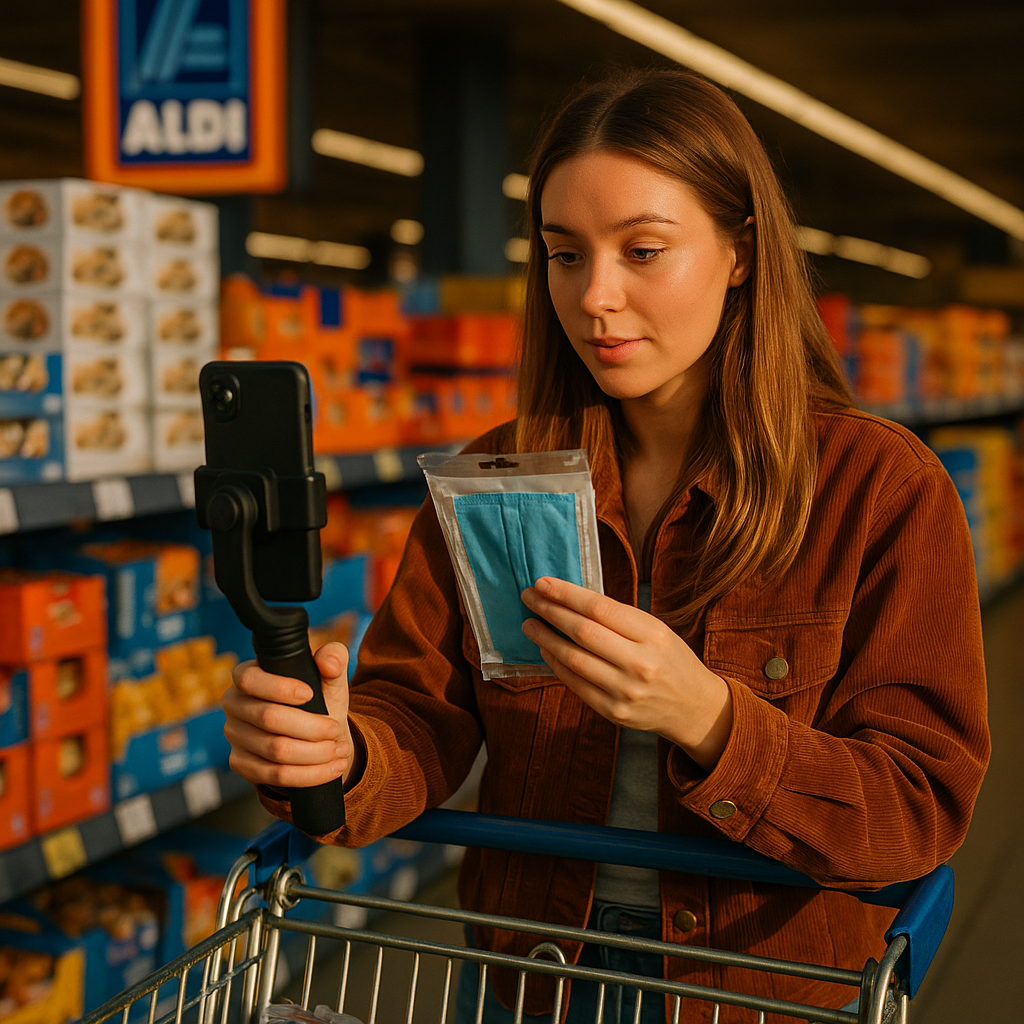
Surplus inventory usually means one thing: markdowns nobody wants to see on a P&L. So when Aldi UK turned a warehouse overstock problem into a string of sell-out events using creators with fewer than 10,000 followers, it broke a rule most brands still treat as gospel — that you need reach to move product. The Aldi UK nano-creator overstock unboxing series proved otherwise, and the data behind it is worth every marketer’s attention.
The Problem Nobody Wants to Talk About
Overstock is the industry’s quiet embarrassment. Retailers over-order, forecasts miss, seasonal lines don’t clear, and the result sits in a distribution center costing money every day it’s unsold. The usual playbook is grim: liquidation auctions, deep discounting, or write-offs that quietly erode margin. None of it builds brand equity. None of it makes anyone excited about the product.
Aldi UK’s marketing team looked at this differently. Instead of asking “how do we get rid of this,” they asked “how do we make this desirable again?” That reframe is the whole case study in miniature.
What Actually Happened
Aldi identified a batch of overstocked homeware, seasonal kitchen items, and a handful of discontinued Special Buys sitting in regional distribution. Rather than routing them to clearance aisles with orange stickers, the team seeded boxes directly to a curated group of nano-creators — mostly UK-based lifestyle, home organization, and parenting accounts with follower counts between 2,000 and 9,000.
Each creator received a themed “mystery overstock box” and was asked to film an authentic unboxing: no script, no brand-mandated talking points, just genuine reactions. The only ask was disclosure compliance and a link or tag back to Aldi’s product pages where stock remained available.
Within 72 hours of the first wave of unboxing videos going live, several featured SKUs sold out in specific regional stores — not through paid amplification, but through organic sharing across TikTok and Instagram Reels.
The full breakdown of the campaign mechanics is covered in depth in Aldi UK’s original nano-creator overstock story, but the short version: no media spend, no macro-influencer contracts, no paid amplification. Just seeding, timing, and trust.
Why Nano-Creators Outperformed the Obvious Choice
Most brand teams default to reach when they have inventory to move. More followers, more eyeballs, faster clearance — or so the logic goes. Aldi’s data suggests the opposite works better for this specific use case.
- Trust density beats audience size. Nano-creators typically post to friends, neighbors, and genuinely engaged local followers. Engagement rates on sub-10K accounts routinely outperform macro accounts by a factor of two to three, according to benchmarks from Sprout Social.
- Unboxing feels like discovery, not advertising. When a creator with 4,000 followers finds a bargain in a mystery box, it reads as a tip-off. When a creator with 400,000 does it, it reads as a paid placement — because it usually is.
- Regional relevance matched Aldi’s store footprint. Nano-creators are hyperlocal by nature. Their followers often shop the same stores. That geographic alignment meant demand spikes hit the exact locations holding the surplus stock.
- Cost per unit moved was near zero. No usage fees, no whitelisting spend, no boosted posts. Just product cost and shipping.
This mirrors a pattern Influencers Time has tracked across multiple retail categories. Duluth Trading’s nano-creator workwear push and Chubbies’ 48-hour shorts sell-out both leaned on the same trust-density mechanic rather than reach.
The Operational Playbook, Step by Step
Strip away the novelty and this is a repeatable operations model, not a one-off stunt. Here’s how brand and retail marketing teams can adapt it:
- Audit dead stock weekly, not quarterly. Aldi’s team flagged overstock fast enough that seeding still happened while product was seasonally relevant, not after the moment passed.
- Build a standing nano-creator bench. Don’t start creator recruitment when the stock problem appears. Aldi maintained relationships with home and lifestyle nano-creators as an always-on resource, similar to the tiered rosters used by L’Oréal’s creator roster strategy.
- Ship product, not briefs. The “mystery box” format worked because creators reacted in real time. Over-scripting kills the authenticity that makes unboxing content convert.
- Tie content to real-time inventory, not evergreen catalog pages. Product links pointed to specific in-stock SKUs at specific stores, reducing the “sold out when I clicked” frustration that kills conversion.
- Track regional sell-through, not just impressions. Aldi’s marketing and merchandising teams coordinated closely enough to see store-level sales lift within days, which is the real KPI here — not views.
Compliance Is Not Optional
Any UK retail campaign involving gifted product and creator content sits squarely under Advertising Standards Authority and ICO disclosure expectations. Aldi’s legal and marketing teams built disclosure requirements into the seeding agreement itself: #ad or #gifted tagging, clear on-screen labeling, and no implied claims about pricing that couldn’t be verified in real time.
This matters more than brands like to admit. The FTC has increasingly scrutinized undisclosed gifting arrangements in the US, and UK regulators have followed a similar enforcement trajectory. Any brand replicating this model needs disclosure language reviewed before seeding, not after a creator posts. Retrofitting compliance after a video goes viral is a PR problem waiting to happen.
Gifting-based campaigns carry lower media cost but higher reputational risk if disclosure isn’t baked into the creator agreement from day one.
Where This Fits in the Bigger Creator Economy Shift
Aldi’s overstock series isn’t happening in isolation. It’s part of a broader move away from top-heavy influencer budgets toward distributed, high-trust seeding models. eMarketer data has repeatedly shown creator marketing budgets shifting toward micro and nano tiers as brands chase engagement efficiency over raw reach. Retailers sitting on inventory problems, particularly grocery and discount chains with thin margins, don’t have the budget flexibility for celebrity partnerships anyway. Nano-seeding is often the only creator strategy that pencils out financially.
It also plays into commerce-native platform features. TikTok Shop and Instagram Shopping tags mean a creator’s unboxing video can drive a purchase without the viewer ever leaving the app. Aldi didn’t need TikTok Shop specifically since UK grocery retail operates differently than direct-to-consumer brands, but the discovery-to-purchase pathway (creator content, geotagged store availability, immediate demand) is functionally the same mechanic Graza used to build a TikTok Shop bestseller and that Grind Coffee applied to hit a 30% conversion rate on livestream selling.
What Brands Get Wrong When They Try to Copy This
The failure mode is predictable: brands see “nano-creator unboxing” and think it’s just influencer marketing on a budget. It’s not. It’s an inventory strategy disguised as a content strategy, and the two teams (merchandising and marketing) have to be in the same room.
Three common mistakes when brands attempt to replicate this:
- Seeding stock that’s already sold out by the time content goes live. Real-time inventory syncing between merchandising and creator ops is non-negotiable.
- Over-briefing creators to sound like the brand. The entire value of nano-creator content is that it doesn’t sound like advertising. Scripts kill that.
- Treating it as a one-time PR play instead of a standing capability. Aldi’s model works because it’s repeatable every time surplus appears, not because it was a single viral moment.
Compare this to how Rhode manages zero-warehouse seeding for new launches or how Poppi used micro-creator seeding to rebuild trust after a brand setback. Different problems, same underlying discipline: creator seeding works when it’s operationalized, not improvised.
The ROI Case, Plainly Stated
For a CFO or CMO evaluating whether this model deserves budget, the math is straightforward. Traditional liquidation recovers pennies on the dollar and generates zero brand equity. Paid media to clear overstock still costs media dollars with no guarantee of sell-through timed to inventory location. Nano-creator seeding costs product plus shipping, generates organic content assets the brand can repurpose, and drives sell-through timed almost exactly to when creators post.
The intangible upside matters too. Aldi’s brand reputation for value and “surprising finds” (its Middle Aisle mystique) got reinforced by real customers finding real deals, not by an ad campaign telling them to believe it. That’s brand-building and inventory management happening in the same motion, which is rare.
Next step: if your brand is sitting on overstock right now, don’t wait for quarter-end to build a liquidation plan. Pull your regional inventory data, identify five nano-creators in the geographic footprint of the stock, and seed a mystery-box style unboxing this week. Speed to seeding is the entire advantage here.
FAQs
What is a nano-creator overstock unboxing series?
It’s a marketing tactic where brands ship surplus or overstocked inventory directly to creators with small, highly engaged followings (typically under 10,000) who film unscripted unboxing content, driving organic demand and store-level sell-through without paid media.
Why did Aldi UK choose nano-creators over larger influencers?
Nano-creators generate higher engagement rates, feel more authentic to audiences, and are typically hyperlocal, meaning their followers shop the same regional stores where the overstock actually sat. This alignment drove faster, geographically targeted sell-through.
Does this model work outside of grocery retail?
Yes. The same seeding mechanics have driven results for apparel, workwear, and DTC brands, including case studies at Duluth Trading, Chubbies, and Gap, all of which used tiered or nano-creator seeding to clear inventory or drive launch demand without paid advertising.
What compliance rules apply to gifted product campaigns in the UK?
Creators must clearly disclose gifted or sponsored content per Advertising Standards Authority guidelines, and brands should ensure agreements address labeling requirements upfront. UK data and consumer protection considerations may also fall under ICO oversight depending on how campaigns collect creator or customer data.
How do brands measure ROI on nano-creator seeding campaigns?
The most reliable metrics are regional sell-through rate and inventory clearance speed, not impressions or follower reach. Brands should track store-level sales data against content publish dates to isolate the causal impact of creator posts.
Can this strategy work without a large marketing budget?
Yes, that’s the core appeal. Costs are largely limited to product and shipping, since nano-creators are typically gifted product rather than paid flat fees, making this one of the lowest-cost creator marketing models available.
FAQs
What is a nano-creator overstock unboxing series?
It’s a marketing tactic where brands ship surplus or overstocked inventory directly to creators with small, highly engaged followings (typically under 10,000) who film unscripted unboxing content, driving organic demand and store-level sell-through without paid media.
Why did Aldi UK choose nano-creators over larger influencers?
Nano-creators generate higher engagement rates, feel more authentic to audiences, and are typically hyperlocal, meaning their followers shop the same regional stores where the overstock actually sat. This alignment drove faster, geographically targeted sell-through.
Does this model work outside of grocery retail?
Yes. The same seeding mechanics have driven results for apparel, workwear, and DTC brands, including case studies at Duluth Trading, Chubbies, and Gap, all of which used tiered or nano-creator seeding to clear inventory or drive launch demand without paid advertising.
What compliance rules apply to gifted product campaigns in the UK?
Creators must clearly disclose gifted or sponsored content per Advertising Standards Authority guidelines, and brands should ensure agreements address labeling requirements upfront. UK data and consumer protection considerations may also fall under ICO oversight depending on how campaigns collect creator or customer data.
How do brands measure ROI on nano-creator seeding campaigns?
The most reliable metrics are regional sell-through rate and inventory clearance speed, not impressions or follower reach. Brands should track store-level sales data against content publish dates to isolate the causal impact of creator posts.
Can this strategy work without a large marketing budget?
Yes, that’s the core appeal. Costs are largely limited to product and shipping, since nano-creators are typically gifted product rather than paid flat fees, making this one of the lowest-cost creator marketing models available.
Top Influencer Marketing Agencies
The leading agencies shaping influencer marketing in 2026
Agencies ranked by campaign performance, client diversity, platform expertise, proven ROI, industry recognition, and client satisfaction. Assessed through verified case studies, reviews, and industry consultations.
Moburst

-
2

The Shelf
Boutique Beauty & Lifestyle Influencer AgencyA data-driven boutique agency specializing exclusively in beauty, wellness, and lifestyle influencer campaigns on Instagram and TikTok. Best for brands already focused on the beauty/personal care space that need curated, aesthetic-driven content.Clients: Pepsi, The Honest Company, Hims, Elf Cosmetics, Pure LeafVisit The Shelf → -
3

Audiencly
Niche Gaming & Esports Influencer AgencyA specialized agency focused exclusively on gaming and esports creators on YouTube, Twitch, and TikTok. Ideal if your campaign is 100% gaming-focused — from game launches to hardware and esports events.Clients: Epic Games, NordVPN, Ubisoft, Wargaming, Tencent GamesVisit Audiencly → -
4

Viral Nation
Global Influencer Marketing & Talent AgencyA dual talent management and marketing agency with proprietary brand safety tools and a global creator network spanning nano-influencers to celebrities across all major platforms.Clients: Meta, Activision Blizzard, Energizer, Aston Martin, WalmartVisit Viral Nation → -
5

The Influencer Marketing Factory
TikTok, Instagram & YouTube CampaignsA full-service agency with strong TikTok expertise, offering end-to-end campaign management from influencer discovery through performance reporting with a focus on platform-native content.Clients: Google, Snapchat, Universal Music, Bumble, YelpVisit TIMF → -
6

NeoReach
Enterprise Analytics & Influencer CampaignsAn enterprise-focused agency combining managed campaigns with a powerful self-service data platform for influencer search, audience analytics, and attribution modeling.Clients: Amazon, Airbnb, Netflix, Honda, The New York TimesVisit NeoReach → -
7

Ubiquitous
Creator-First Marketing PlatformA tech-driven platform combining self-service tools with managed campaign options, emphasizing speed and scalability for brands managing multiple influencer relationships.Clients: Lyft, Disney, Target, American Eagle, NetflixVisit Ubiquitous → -
8

Obviously
Scalable Enterprise Influencer CampaignsA tech-enabled agency built for high-volume campaigns, coordinating hundreds of creators simultaneously with end-to-end logistics, content rights management, and product seeding.Clients: Google, Ulta Beauty, Converse, AmazonVisit Obviously →