


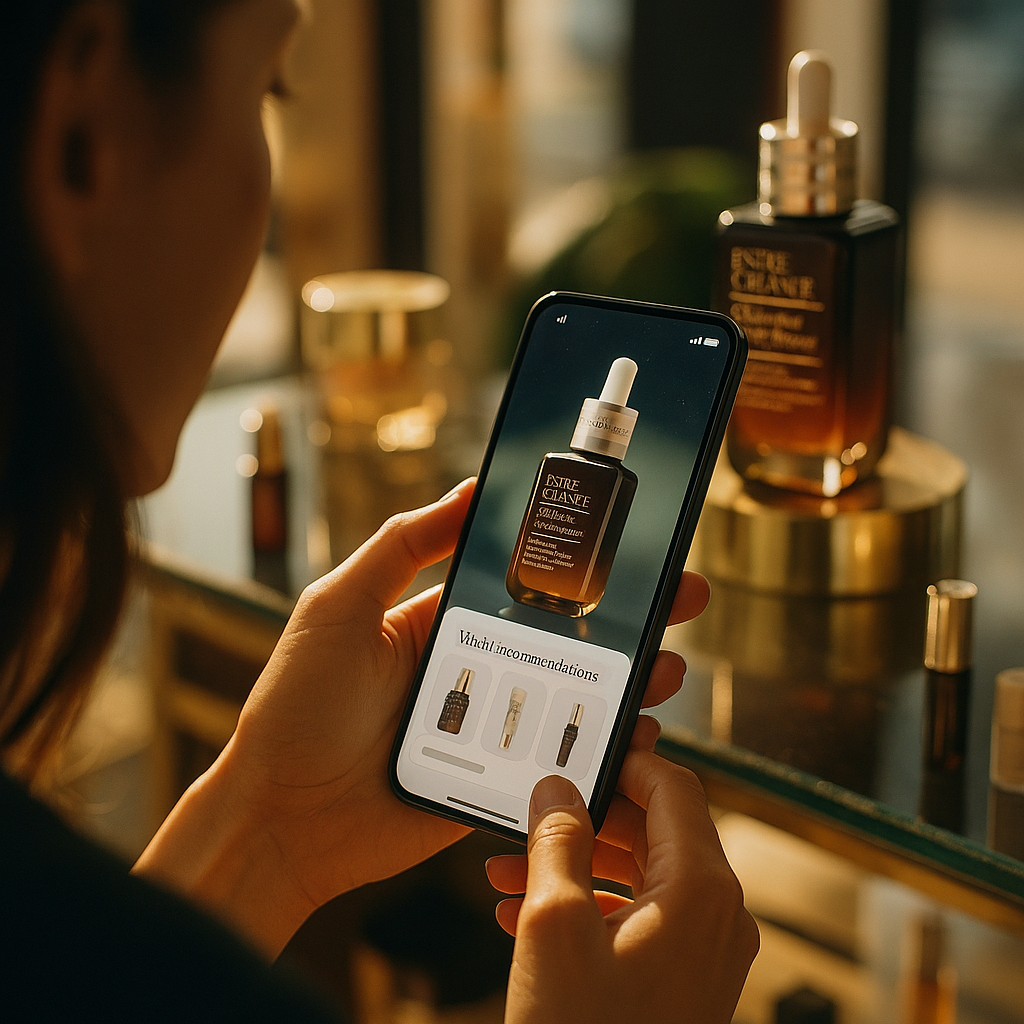
Estee Lauder just told Wall Street it plans to spend hundreds of millions on AI shopping technology over the next several years. That number alone should make every CMO and CDO reading this pause. When a beauty conglomerate with 20-plus brands bets big on AI-driven commerce, it’s not a marketing stunt. It’s a signal about where innovation budgets are actually going, and it’s worth reverse-engineering what that means for your own roadmap.
The company’s chief data officer has spent the past year rebuilding how Estee Lauder brands discover, engage, and convert shoppers using machine learning, generative AI, and predictive personalization. That roadmap isn’t just internal plumbing. It’s a template other brand leaders can study, steal from, and adapt, whether you run a nine-figure innovation budget or a scrappy DTC line fighting for attention on TikTok Shop.
Why Estee Lauder’s AI Spend Matters Beyond Beauty
Estee Lauder isn’t a startup experimenting with novelty. It’s a legacy conglomerate managing brands like Clinique, MAC, and La Mer across dozens of markets, each with different retail partners, regulatory environments, and consumer expectations. When a company this size commits serious capital to AI shopping tech, it’s making a bet that personalization and predictive commerce are no longer optional infrastructure. They’re the cost of staying competitive.
The company has already rolled out AI tools across content creation, trend forecasting, and creator matching, something we covered in depth in our piece on Estee Lauder’s AI everywhere strategy. The shopping tech bet extends that thesis further: instead of just using AI to produce content faster, the company wants AI embedded in the actual purchase decision, from product recommendation engines to virtual try-on to predictive replenishment.
When a conglomerate managing 20-plus brands commits hundreds of millions to AI shopping infrastructure, it’s not chasing a trend. It’s pricing in the cost of falling behind.
According to eMarketer research, retail media and AI-driven commerce tools are among the fastest-growing line items in enterprise marketing budgets, outpacing traditional paid social growth. Estee Lauder’s roadmap fits squarely inside that trend, but the scale of commitment is unusual even by industry standards.
What’s Actually in the CDO’s Roadmap
The public details of Estee Lauder’s plan break down into a few concrete workstreams. None of them are exotic. That’s actually the point.
- Generative AI for personalized product discovery, where shoppers get tailored recommendations based on skin type, purchase history, and even uploaded selfies analyzed for skin condition.
- Predictive inventory and replenishment models that reduce stockouts and overproduction, a cost center that rarely gets marketing attention but eats margin relentlessly.
- AI-assisted content localization, allowing a single campaign asset to be adapted for dozens of markets without rebuilding creative from scratch.
- Conversational commerce tools, essentially AI shopping assistants embedded in owned e-commerce and third-party retail platforms.
None of this is groundbreaking in isolation. Sephora, L’Oreal, and Ulta have all dabbled in similar territory. What’s different is the sequencing: Estee Lauder is treating AI shopping tech as core infrastructure, not a bolt-on feature for a single brand launch. That distinction matters enormously for how budgets get allocated internally.
The Budget Signal Every Brand Strategist Should Notice
Here’s the uncomfortable question this roadmap raises: if a legacy beauty giant is reallocating this much capital toward AI shopping infrastructure, what does that mean for creator and influencer budgets sitting adjacent to it?
The honest answer is that AI shopping tech and creator marketing aren’t competing for the same dollars, they’re converging. Estee Lauder’s own creator ops already lean on AI for matching and content sorting, similar to what we saw with Chipotle’s AI sorting 200,000 TikTok submissions. The next logical step is connecting that creator content directly to AI-powered shopping surfaces, so a TikTok Shop live stream or an Instagram Reel feeds directly into a personalized recommendation engine rather than sitting in a silo.
For brand strategists managing innovation budgets, the takeaway isn’t “spend more on AI.” It’s “stop treating AI shopping tech and creator marketing as separate budget lines.” The brands winning right now, from e.l.f. Beauty’s TikTok Shop playbook to Liquid Death’s micro-creator UGC engine, are the ones where content, commerce, and data infrastructure talk to each other in near real time.
The real budget question isn’t whether to invest in AI shopping tech. It’s whether your creator content pipeline is structured to actually feed it.
Risk Mitigation: What Could Go Wrong
Big AI bets carry real operational risk, and Estee Lauder’s roadmap isn’t immune to the usual pitfalls. Three risks stand out for anyone considering a similar path.
Data privacy and consent. Skin analysis tools, purchase history modeling, and conversational commerce all require sensitive personal data. Brands need airtight consent flows and clear disclosure, particularly given scrutiny from regulators like the Federal Trade Commission around AI-driven personalization and data use. The UK Information Commissioner’s Office has flagged similar concerns for AI systems processing biometric or health-adjacent data, which includes skin condition analysis tools like the ones Estee Lauder is deploying.
Overpromising personalization. Consumers have grown skeptical of “AI-powered” claims that don’t deliver noticeably better experiences. If the recommendation engine feels generic, shoppers notice, and trust erodes fast.
Creator content misalignment. If AI shopping tools recommend products based on data that doesn’t account for how creators actually frame products in authentic content, you get a disconnect between what influencers say and what the algorithm pushes. That mismatch can tank conversion rates even when both systems are technically “working.”
Brands that have solved rights and content structuring at scale, like the approach detailed in New Engen’s Grapevine deal fixing UGC rights, offer a useful model here. Getting the legal and structural foundation right before layering AI on top saves enormous headaches later.
How Mid-Market Brands Can Apply This Without a Nine-Figure Budget
Not every brand has Estee Lauder’s balance sheet, and that’s fine. The roadmap still offers a usable framework for smaller teams.
Start with data hygiene, not flashy tools. Estee Lauder’s AI shopping bet only works because the company has spent years consolidating customer data across brands. A mid-market brand chasing similar personalization without clean first-party data will just build expensive guesswork. Tools like HubSpot and similar CRM platforms can help smaller teams centralize customer data before layering on AI personalization.
Next, connect creator content to commerce data early. Brands like Alo Yoga, covered in our piece on paying creators like partners, succeed partly because their creator relationships are structured to feed real performance data back into brand decisions, not just produce content in a vacuum. That same principle applies to AI shopping tech: the input data quality determines the output quality.
Finally, pilot before you scale. Estee Lauder can afford enterprise-wide rollouts. Most brands can’t. Test AI shopping tools on a single product line or single market first, measure lift against a control group, and expand only when the data justifies it. This mirrors what worked for the grocery chain in our case study on beating national CPG cost per sale with AI nano creators: small, measurable pilots that proved ROI before wider investment.
What This Means for Innovation Budget Planning
If you’re building next year’s innovation budget right now, Estee Lauder’s roadmap suggests a few practical shifts worth considering.
- Treat AI shopping tech and creator content infrastructure as one connected budget line, not two competing requests.
- Prioritize data consolidation and consent frameworks before committing to consumer-facing AI features.
- Build in pilot phases with clear success metrics rather than enterprise-wide launches from day one.
- Assign clear ownership, whether that’s a CDO, a VP of marketing technology, or a cross-functional team, so AI and creator strategy don’t drift apart operationally.
Platforms like TikTok Shop’s advertising suite and Meta’s business tools already bake AI-driven recommendation logic into commerce features, meaning even brands without a dedicated AI team are already interacting with this infrastructure. The question isn’t whether you’ll use AI shopping tech. It’s whether you’re using it deliberately or by accident.
Frequently Asked Questions
What is Estee Lauder’s AI shopping tech strategy?
Estee Lauder is investing in generative AI for personalized product discovery, predictive inventory management, AI-assisted content localization, and conversational commerce tools across its portfolio of beauty brands. The goal is to embed AI directly into the shopping journey rather than using it only for backend operations.
How much is Estee Lauder investing in AI shopping technology?
The company has publicly signaled plans to invest hundreds of millions of dollars into AI-driven shopping and commerce infrastructure over the coming years, positioning it as a core part of long-term brand innovation strategy rather than a short-term experiment.
Should smaller brands try to copy this AI shopping approach?
Smaller brands can adapt the underlying principles, clean first-party data, connected creator and commerce systems, and pilot-based testing, without needing Estee Lauder’s budget. The key is prioritizing data quality and structured content pipelines before investing heavily in AI tools.
What risks come with AI-driven shopping personalization?
The biggest risks include data privacy and consent issues, especially with sensitive data like skin analysis, overpromising personalization that fails to deliver noticeable value, and misalignment between AI recommendations and authentic creator content.
How does creator marketing connect to AI shopping tech budgets?
Creator content increasingly feeds AI-powered recommendation and commerce engines directly, meaning brands should plan creator and AI infrastructure budgets together rather than as separate line items. Content quality and rights management directly affect how well AI systems can use that content for personalization.
Estee Lauder’s roadmap is a preview, not a prophecy. The brands that win from here won’t be the ones with the biggest AI budget, they’ll be the ones whose creator content and commerce data are clean enough for AI to actually use.
Frequently Asked Questions
What is Estee Lauder’s AI shopping tech strategy?
Estee Lauder is investing in generative AI for personalized product discovery, predictive inventory management, AI-assisted content localization, and conversational commerce tools across its portfolio of beauty brands. The goal is to embed AI directly into the shopping journey rather than using it only for backend operations.
How much is Estee Lauder investing in AI shopping technology?
The company has publicly signaled plans to invest hundreds of millions of dollars into AI-driven shopping and commerce infrastructure over the coming years, positioning it as a core part of long-term brand innovation strategy rather than a short-term experiment.
Should smaller brands try to copy this AI shopping approach?
Smaller brands can adapt the underlying principles, clean first-party data, connected creator and commerce systems, and pilot-based testing, without needing Estee Lauder’s budget. The key is prioritizing data quality and structured content pipelines before investing heavily in AI tools.
What risks come with AI-driven shopping personalization?
The biggest risks include data privacy and consent issues, especially with sensitive data like skin analysis, overpromising personalization that fails to deliver noticeable value, and misalignment between AI recommendations and authentic creator content.
How does creator marketing connect to AI shopping tech budgets?
Creator content increasingly feeds AI-powered recommendation and commerce engines directly, meaning brands should plan creator and AI infrastructure budgets together rather than as separate line items. Content quality and rights management directly affect how well AI systems can use that content for personalization.
Top Influencer Marketing Agencies
The leading agencies shaping influencer marketing in 2026
Agencies ranked by campaign performance, client diversity, platform expertise, proven ROI, industry recognition, and client satisfaction. Assessed through verified case studies, reviews, and industry consultations.
Moburst

-
2

The Shelf
Boutique Beauty & Lifestyle Influencer AgencyA data-driven boutique agency specializing exclusively in beauty, wellness, and lifestyle influencer campaigns on Instagram and TikTok. Best for brands already focused on the beauty/personal care space that need curated, aesthetic-driven content.Clients: Pepsi, The Honest Company, Hims, Elf Cosmetics, Pure LeafVisit The Shelf → -
3

Audiencly
Niche Gaming & Esports Influencer AgencyA specialized agency focused exclusively on gaming and esports creators on YouTube, Twitch, and TikTok. Ideal if your campaign is 100% gaming-focused — from game launches to hardware and esports events.Clients: Epic Games, NordVPN, Ubisoft, Wargaming, Tencent GamesVisit Audiencly → -
4

Viral Nation
Global Influencer Marketing & Talent AgencyA dual talent management and marketing agency with proprietary brand safety tools and a global creator network spanning nano-influencers to celebrities across all major platforms.Clients: Meta, Activision Blizzard, Energizer, Aston Martin, WalmartVisit Viral Nation → -
5

The Influencer Marketing Factory
TikTok, Instagram & YouTube CampaignsA full-service agency with strong TikTok expertise, offering end-to-end campaign management from influencer discovery through performance reporting with a focus on platform-native content.Clients: Google, Snapchat, Universal Music, Bumble, YelpVisit TIMF → -
6

NeoReach
Enterprise Analytics & Influencer CampaignsAn enterprise-focused agency combining managed campaigns with a powerful self-service data platform for influencer search, audience analytics, and attribution modeling.Clients: Amazon, Airbnb, Netflix, Honda, The New York TimesVisit NeoReach → -
7

Ubiquitous
Creator-First Marketing PlatformA tech-driven platform combining self-service tools with managed campaign options, emphasizing speed and scalability for brands managing multiple influencer relationships.Clients: Lyft, Disney, Target, American Eagle, NetflixVisit Ubiquitous → -
8

Obviously
Scalable Enterprise Influencer CampaignsA tech-enabled agency built for high-volume campaigns, coordinating hundreds of creators simultaneously with end-to-end logistics, content rights management, and product seeding.Clients: Google, Ulta Beauty, Converse, AmazonVisit Obviously →