


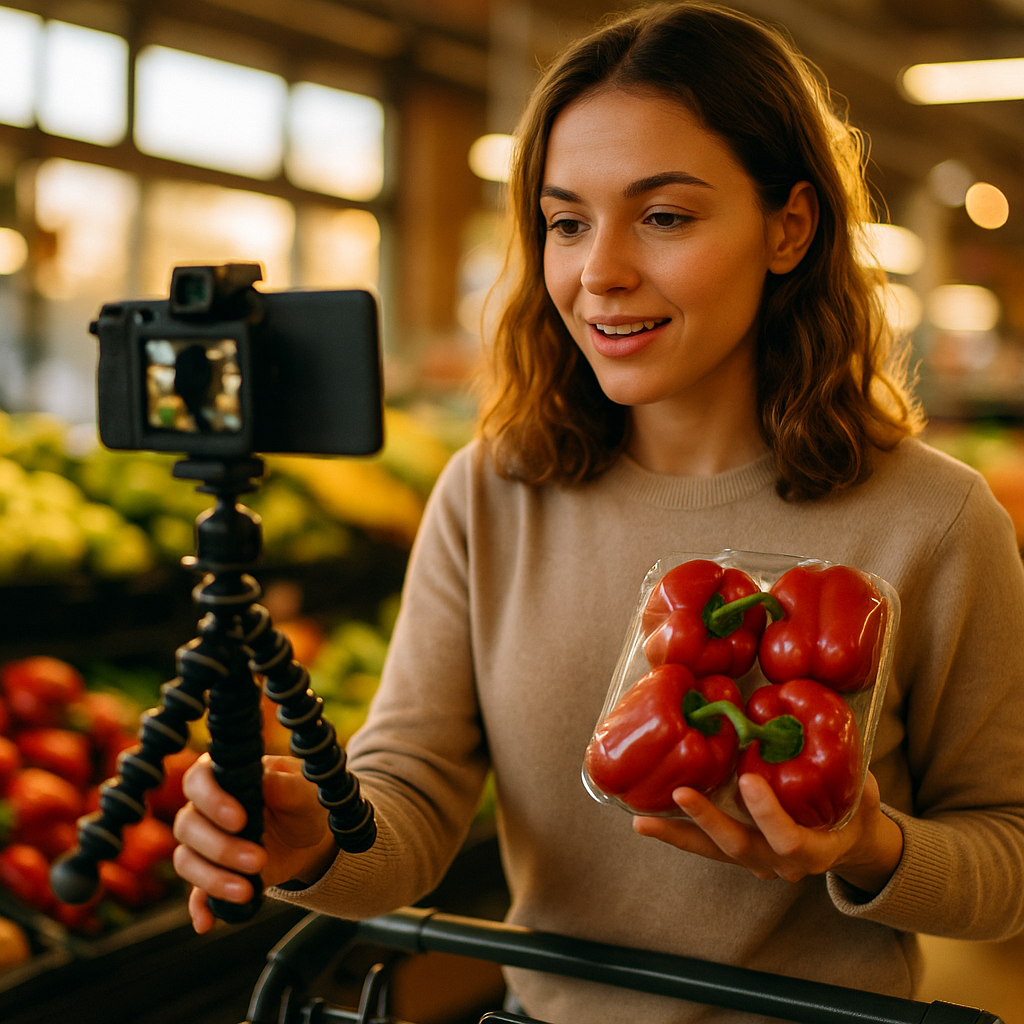
National CPG brands spend seven figures on influencer campaigns and still average a cost-per-sale that would make most CFOs wince. So how did a 42-store regional grocery chain beat that benchmark using a fraction of the budget? The answer: AI-matched nano-creators paired directly with first-party retail media data, turning loyalty card purchases into a targeting engine that Procter & Gamble’s agency roster couldn’t touch.
The Cost-Per-Sale Problem National Brands Can’t Solve
Big CPG media budgets are built for reach, not precision. A national campaign might hit 40 million impressions and still convert at rates that barely clear a 1% lift, because the targeting is demographic, not transactional. Regional grocers, by contrast, sit on something most national brands would kill for: SKU-level purchase history tied to real households.
This particular chain, operating in the Midwest with a loyalty program covering roughly 68% of transaction volume, realized its retail media arm was underselling its own data. They were running the standard playbook: sponsored search placements, endcap displays, maybe a seasonal email blast. Meanwhile, national CPG partners were pouring money into broad-reach influencer deals that the grocer’s own shopper data suggested were barely moving units in-store.
The grocer’s internal analysis found that campaigns using purchase-verified nano-creators converted at nearly triple the rate of broad-reach influencer buys, at less than half the media cost per sale.
Building the AI Matching Layer
The pivot started with a simple question: what if creator selection used the same data that already drove retail media targeting? Instead of picking influencers by follower count or engagement rate, the team built a matching model that cross-referenced three signals.
- Loyalty card purchase categories (organic produce buyers, snack-heavy carts, meal-kit adjacent shoppers)
- Geographic proximity to specific store locations running the promotion
- Creator content history showing authentic grocery, cooking, or budget-shopping content, not just lifestyle posts with a product shoved into frame
This is where the “nano” part matters. Creators in the 1,000 to 15,000 follower range were prioritized specifically because their audiences skew hyper-local and their engagement tends to reflect real trust rather than parasocial fandom at scale. The chain’s retail media team worked with a third-party matching platform to score roughly 3,200 candidate creators, filtering down to 180 who fit both the audience-overlap model and a basic content-quality bar.
The approach mirrors what’s already working elsewhere in food and beverage. nano-creator taste tests have shown that smaller, hyper-relevant audiences often outperform mega-influencer reach when the goal is actual purchase behavior rather than brand awareness. Grocery just hadn’t applied the same logic to store-level promotions until now.
Retail Media Data as the Missing Link
Here’s the part most influencer campaigns skip entirely: closing the loop between content and checkout. The grocery chain’s retail media platform already tracked which loyalty card numbers redeemed specific promotions. By tagging each nano-creator’s unique promo code or trackable link to that same backend, the team could attribute actual basket-level sales to individual creator posts, not just clicks or impressions.
That attribution accuracy is the real differentiator. National CPG brands running influencer campaigns typically rely on modeled attribution or, worse, self-reported engagement metrics from the platforms themselves. This chain instead had verified purchase data within 48 hours of a post going live. When a creator’s audience didn’t convert, the campaign pivoted within a week instead of waiting for a quarterly review.
Some of the operational thinking here echoes what’s happening in programmatic creator matching at larger QSR chains, where tiered creator networks get matched to specific store markets rather than blasted nationally. The grocery chain essentially applied that logic but layered in transactional proof instead of just engagement scoring.
What the Numbers Actually Looked Like
Over a 10-week pilot spanning three promotional categories (private-label snacks, a regional produce push, and a meal-kit tie-in), the results broke down like this:
- Cost-per-sale landed at $2.85, compared to an internal benchmark of $7.40 for national CPG co-op campaigns run through the same retail media channel
- Redemption rates on trackable creator codes hit 4.1%, well above the 1.2% average for the chain’s standard digital coupon campaigns
- Repeat purchase rate within 30 days among converted customers was 22%, suggesting the nano-creator audience wasn’t just chasing a discount
Those numbers hold up against broader industry benchmarks too. According to data referenced by eMarketer, average influencer marketing ROI varies wildly by execution quality, and campaigns without verified purchase attribution tend to overstate performance significantly. This grocer’s closed-loop approach removed most of that guesswork.
Why This Beat National CPG Spend, Specifically
It’s worth being blunt about why the math favored the grocer over its national brand partners. CPG media buys running through retail media networks often pay a premium for placement without controlling the creative layer or the targeting logic underneath it. The grocer, running its own program, controlled both.
National brands also tend to over-index on macro and mid-tier influencers because those are easier to find, vet, and negotiate with at scale. That convenience comes at a cost: audiences that are broader but less locally relevant, and creative that reads as an ad because, well, it is one. Nano-creators sourced through purchase-behavior matching produce content that looks like a neighbor’s grocery haul, not a media buy.
When targeting logic and attribution both run through the same first-party data, the retailer, not the national brand, becomes the one holding the performance advantage.
Compliance Didn’t Get Skipped
None of this works if disclosure gets sloppy, especially with nano-creators who may not be used to formal brand partnerships. The chain built disclosure language directly into its creator briefs, aligned with FTC endorsement guidelines, and required screenshot confirmation before any payout released. Given how many brands have gotten burned by disclosure failures recently, that’s not a footnote, it’s a prerequisite. For a cautionary example of what happens when this goes wrong, see how one beverage brand had to rebuild trust after an FTC settlement tied to influencer disclosure gaps.
Scaling Without Losing the Local Edge
The obvious next question: does this scale past a 42-store pilot? The chain’s answer was cautious optimism. Expanding the nano-creator pool to cover all store markets meant sourcing closer to 600 creators, which strained manual vetting capacity. They’re now testing automated matching refreshes on a monthly cycle rather than campaign-by-campaign, which keeps the creator pool current without requiring a full re-vetting sprint each time.
There’s a lesson here for any regional retailer sitting on unused first-party data. The infrastructure already exists in most loyalty programs and retail media platforms. What’s missing is usually the willingness to treat creator selection as a data problem rather than a relationship-management problem. Brands exploring similar territory should look at how AI creator matching tripled ROAS for a coffee brand facing a similar attribution gap, or how a skincare company used a data lakehouse to prove creator ROI when leadership demanded harder numbers than engagement rate.
For a more direct comparison, another grocer’s approach to the same problem is documented in this AI creator seeding case study, which reinforces that this isn’t a one-off fluke but an emerging pattern in grocery retail media.
What This Means for Brand and Agency Teams Right Now
If you’re managing influencer budgets for a national brand, the uncomfortable takeaway is that regional retailers may soon out-negotiate you on the exact same shelf space, because they can prove performance you can’t match without their data. The practical move is partnering earlier with retail media teams rather than treating them as a media placement afterthought. Ask for creator-level attribution data before committing spend, not after the campaign wraps. And build measurement standards, similar to what Sprout Social and other analytics platforms already recommend for social commerce tracking, into every brief from day one.
Marketers should also revisit how creator tiers get defined internally. If “micro” and “nano” are still being sorted purely by follower count rather than purchase-behavior relevance, that’s a gap worth closing before the next budget cycle, not after.
Next Step
Audit whether your current retail media partnerships share creator-level purchase attribution, and if they don’t, that’s the first conversation to have before your next influencer budget gets locked in.
FAQs
What makes nano-creators effective for grocery retail campaigns?
Nano-creators, typically defined as those with 1,000 to 15,000 followers, tend to have hyper-local, high-trust audiences. When matched using purchase behavior data rather than follower count alone, their content converts at higher rates because it reads as authentic rather than sponsored.
How does AI creator matching differ from traditional influencer vetting?
Traditional vetting relies on engagement rate, follower demographics, and manual review. AI matching cross-references creator content and audience data against first-party purchase history, geographic targeting, and category relevance to predict actual sales conversion rather than just reach.
Why did retail media data improve cost-per-sale so significantly?
Retail media data provided closed-loop attribution, linking specific creator content directly to loyalty card purchases. This removed the guesswork of modeled attribution that most influencer campaigns rely on, allowing the team to identify and cut underperforming creators within days rather than waiting for quarterly reviews.
Can smaller regional brands replicate this without a large martech budget?
Yes, provided they have an existing loyalty program and retail media infrastructure. The core requirement is a way to tie trackable creator codes or links back to actual purchase data, which many retail media platforms already support without additional custom development.
What compliance risks should brands watch for with nano-creator programs?
Disclosure consistency is the biggest risk, since nano-creators often lack formal brand partnership experience. Brands should build FTC-aligned disclosure requirements directly into briefs and verify compliance with screenshot confirmation before releasing payment.
Top Influencer Marketing Agencies
The leading agencies shaping influencer marketing in 2026
Agencies ranked by campaign performance, client diversity, platform expertise, proven ROI, industry recognition, and client satisfaction. Assessed through verified case studies, reviews, and industry consultations.
Moburst

-
2

The Shelf
Boutique Beauty & Lifestyle Influencer AgencyA data-driven boutique agency specializing exclusively in beauty, wellness, and lifestyle influencer campaigns on Instagram and TikTok. Best for brands already focused on the beauty/personal care space that need curated, aesthetic-driven content.Clients: Pepsi, The Honest Company, Hims, Elf Cosmetics, Pure LeafVisit The Shelf → -
3

Audiencly
Niche Gaming & Esports Influencer AgencyA specialized agency focused exclusively on gaming and esports creators on YouTube, Twitch, and TikTok. Ideal if your campaign is 100% gaming-focused — from game launches to hardware and esports events.Clients: Epic Games, NordVPN, Ubisoft, Wargaming, Tencent GamesVisit Audiencly → -
4

Viral Nation
Global Influencer Marketing & Talent AgencyA dual talent management and marketing agency with proprietary brand safety tools and a global creator network spanning nano-influencers to celebrities across all major platforms.Clients: Meta, Activision Blizzard, Energizer, Aston Martin, WalmartVisit Viral Nation → -
5

The Influencer Marketing Factory
TikTok, Instagram & YouTube CampaignsA full-service agency with strong TikTok expertise, offering end-to-end campaign management from influencer discovery through performance reporting with a focus on platform-native content.Clients: Google, Snapchat, Universal Music, Bumble, YelpVisit TIMF → -
6

NeoReach
Enterprise Analytics & Influencer CampaignsAn enterprise-focused agency combining managed campaigns with a powerful self-service data platform for influencer search, audience analytics, and attribution modeling.Clients: Amazon, Airbnb, Netflix, Honda, The New York TimesVisit NeoReach → -
7

Ubiquitous
Creator-First Marketing PlatformA tech-driven platform combining self-service tools with managed campaign options, emphasizing speed and scalability for brands managing multiple influencer relationships.Clients: Lyft, Disney, Target, American Eagle, NetflixVisit Ubiquitous → -
8

Obviously
Scalable Enterprise Influencer CampaignsA tech-enabled agency built for high-volume campaigns, coordinating hundreds of creators simultaneously with end-to-end logistics, content rights management, and product seeding.Clients: Google, Ulta Beauty, Converse, AmazonVisit Obviously →