


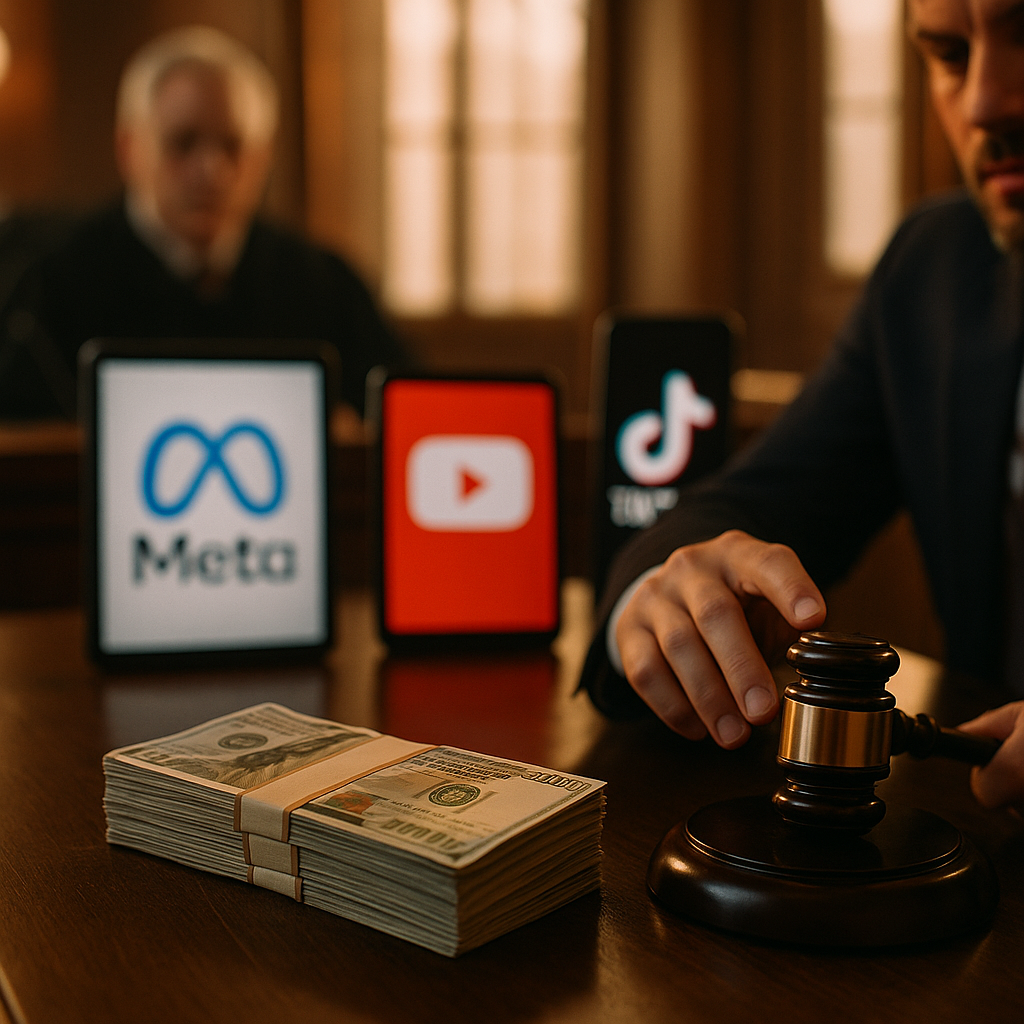
$5.3 billion. That’s the number that just reset the baseline for platform accountability, and it didn’t come from a privacy regulator or an antitrust suit. It came from a teen safety settlement that Meta will be paying out for years. If you run influencer programs on YouTube or TikTok and think this is a Meta problem, think again. The Meta $5.3 billion settlement is the opening move in a broader enforcement pattern, and the brands still treating platform compliance as a checkbox are about to find out how expensive that assumption can get.
The Settlement That Changed the Math
Meta’s settlement wasn’t a one-off fine for a single bad ad or a leaked dataset. It resolved a sprawling set of claims tied to how the platform handled minors, from algorithmic amplification of harmful content to inadequate age verification and data collection practices targeting teen users. We covered the mechanics of this in detail in our breakdown of the Meta teen safety settlement, but the short version is this: regulators proved that platform design choices, not just individual bad actors, create liability.
That distinction matters enormously for brands. If a platform’s architecture is the problem, then everyone who advertises or runs influencer campaigns on that architecture inherits some portion of the risk. Legal teams at major agencies have already started flagging this in client reviews. The question isn’t “did our creator follow FTC disclosure rules.” It’s “does the platform itself expose us to downstream liability regardless of what our creator did.”
Platform-level settlements signal that regulators are no longer satisfied chasing individual creators or isolated ad campaigns. They’re going after the systems that make noncompliant content profitable at scale.
Why YouTube Is the Obvious Next Target
YouTube has spent years positioning itself as the “safe” platform for brand advertising, largely because of its Content ID system and relatively mature monetization controls. But safe for copyright doesn’t mean safe for minors, and that’s exactly where regulators are now looking.
YouTube Kids already operates under a separate compliance framework, and the main platform has algorithmic recommendation systems that function almost identically to the ones Meta got penalized for. Multiple state attorneys general have signaled interest in extending teen safety scrutiny beyond Meta properties. YouTube’s own transparency reports, available through Google’s support documentation, show the platform removes millions of videos quarterly for policy violations, which tells you the scale of the underlying problem even with enforcement already in place.
For brands running YouTube influencer campaigns, the practical risk looks a lot like what we outlined in our piece on teen-targeted content filters. If your creator’s audience skews younger than disclosed, and the platform’s recommendation engine pushed your branded content into that audience without your knowledge, you’re now part of a fact pattern that looks uncomfortably similar to Meta’s.
TikTok’s Exposure Looks Different, But It’s Not Smaller
TikTok already settled a significant teen safety case in Alabama, which we analyzed in our coverage of the TikTok Alabama teen safety deal. That settlement established a template that other states are now replicating, and it’s a template that puts brand audit obligations front and center rather than leaving them as an afterthought.
Here’s the uncomfortable truth for TikTok advertisers: the platform’s algorithm is arguably more aggressive at audience targeting than YouTube’s, which means the same minors-in-the-audience problem exists at potentially higher volume. TikTok Shop adds another layer of complexity, since commerce features blur the line between content consumption and transaction, a dynamic we’ve tracked closely in our reporting on TikTok Shop data handling.
Brands running TikTok Shop affiliate programs should be asking a specific question right now: if a minor made a purchase through a creator’s storefront link, who’s liable when a state regulator comes asking? Right now, the answer is murky, and murky is expensive.
What Regulators Actually Want From Brands
It’s easy to read these settlements as platform problems and move on. That’s a mistake. Regulatory filings increasingly name advertisers and agencies as parties with independent compliance obligations, not just passive beneficiaries of platform policy.
- Audience age verification documentation. Brands need proof they took reasonable steps to confirm creator audience demographics before running campaigns targeting adult products or services.
- Disclosure audit trails. Every sponsored post needs a documented compliance check, not a one-time creator agreement signed and forgotten.
- Platform-specific risk assessments. What works for YouTube compliance doesn’t automatically transfer to TikTok, and vice versa.
- Contractual indemnification clarity. Who absorbs liability if a creator’s audience data was misrepresented or if platform targeting malfunctioned?
This last point connects directly to broader contract gaps we’ve flagged before. Our analysis of state privacy law audits found that most standard creator agreements still don’t address platform-level liability shifts, which leaves brands exposed exactly when they need protection most.
The ROI Case for Getting Ahead of This
Compliance spending always gets questioned when budgets tighten. Fair enough. But run the math on what reactive compliance actually costs versus proactive investment.
A single state AG investigation into a brand’s influencer program can run into seven figures in legal fees alone, before any settlement or fine. Compare that to the cost of a quarterly compliance audit, updated creator contracts, and documented age verification processes. The proactive path is cheaper by an order of magnitude, and it protects something fines can’t fully restore: brand trust with parents, regulators, and platform partners.
Every dollar spent on compliance infrastructure now is insurance against a settlement that could cost fifty to a hundred times more later, plus the reputational damage no settlement check can undo.
Marketing leaders should also watch how insurance markets respond. We’ve already seen growing interest in errors and omissions coverage tailored to influencer content, and expect premiums tied to platform-specific risk to become a standard line item in 2026 media planning.
Practical Steps for the Next Two Quarters
Waiting for formal regulation to catch up isn’t a strategy. Here’s what forward-looking brand teams are doing right now:
- Commission a platform-by-platform audience age audit across your top 20 creator partnerships.
- Update creator contracts to include explicit liability allocation language tied to platform compliance failures.
- Build a disclosure documentation system that timestamps and archives every sponsored post review, not just the creator’s self-reported compliance.
- Assign a single compliance owner per platform rather than treating influencer compliance as a generalist marketing task.
- Review your current E&O insurance coverage against the specific liability categories exposed by the Meta settlement.
None of this is glamorous work. It also won’t show up in a quarterly performance deck the way campaign reach numbers do. But according to data tracked by eMarketer, influencer marketing spend continues climbing even as regulatory scrutiny intensifies, which means the brands that build compliance muscle now will outlast the ones scrambling after the next settlement headline.
Where This Leaves Platform Selection
Some marketing leaders are already asking whether this changes platform allocation decisions entirely. It’s a fair question. If YouTube and TikTok face settlement exposure similar to Meta’s, does that change where brands should concentrate influencer budgets?
The honest answer: not yet, and probably not dramatically even after enforcement lands. These platforms remain dominant for reach and engagement, and Sprout Social’s research consistently shows audience behavior hasn’t shifted meaningfully in response to compliance news. What’s changing is the due diligence layer underneath platform selection. Brands aren’t abandoning TikTok or YouTube. They’re building the documentation and contractual armor that should have existed years ago.
Frequently Asked Questions
Does Meta’s settlement create direct legal exposure for brands that advertise on YouTube or TikTok?
Not directly, but it establishes a legal and regulatory pattern that other platforms are now being measured against. Brands should treat it as an early warning signal rather than an isolated Meta issue.
What specific compliance documents should brands update first?
Creator contracts and disclosure audit trails should be the priority, since both directly address the liability gaps regulators have flagged in recent settlements.
Is TikTok Shop more exposed than standard TikTok advertising?
Yes, because commerce features add a transactional layer that complicates age verification and liability allocation beyond standard content compliance.
Should brands pause influencer campaigns on YouTube while waiting for regulatory clarity?
Pausing isn’t necessary or practical for most brands. Strengthening documentation, audience verification, and contract language while campaigns continue is the more realistic approach.
How does this connect to existing FTC disclosure requirements?
FTC disclosure rules address whether an audience knows content is sponsored. These newer settlements address a separate issue, whether platform design and audience targeting themselves create liability, which means brands now need to satisfy both frameworks simultaneously.
Next step: Pull your top 20 creator partnerships across YouTube and TikTok this quarter and run an audience age verification check against current contract language. If the documentation gap is as wide as it is for most brands right now, you’ll want that fixed before the next settlement headline forces the issue.
Frequently Asked Questions
Does Meta’s settlement create direct legal exposure for brands that advertise on YouTube or TikTok?
Not directly, but it establishes a legal and regulatory pattern that other platforms are now being measured against. Brands should treat it as an early warning signal rather than an isolated Meta issue.
What specific compliance documents should brands update first?
Creator contracts and disclosure audit trails should be the priority, since both directly address the liability gaps regulators have flagged in recent settlements.
Is TikTok Shop more exposed than standard TikTok advertising?
Yes, because commerce features add a transactional layer that complicates age verification and liability allocation beyond standard content compliance.
Should brands pause influencer campaigns on YouTube while waiting for regulatory clarity?
Pausing isn’t necessary or practical for most brands. Strengthening documentation, audience verification, and contract language while campaigns continue is the more realistic approach.
How does this connect to existing FTC disclosure requirements?
FTC disclosure rules address whether an audience knows content is sponsored. These newer settlements address a separate issue, whether platform design and audience targeting themselves create liability, which means brands now need to satisfy both frameworks simultaneously.
Top Influencer Marketing Agencies
The leading agencies shaping influencer marketing in 2026
Agencies ranked by campaign performance, client diversity, platform expertise, proven ROI, industry recognition, and client satisfaction. Assessed through verified case studies, reviews, and industry consultations.
Moburst

-
2

The Shelf
Boutique Beauty & Lifestyle Influencer AgencyA data-driven boutique agency specializing exclusively in beauty, wellness, and lifestyle influencer campaigns on Instagram and TikTok. Best for brands already focused on the beauty/personal care space that need curated, aesthetic-driven content.Clients: Pepsi, The Honest Company, Hims, Elf Cosmetics, Pure LeafVisit The Shelf → -
3

Audiencly
Niche Gaming & Esports Influencer AgencyA specialized agency focused exclusively on gaming and esports creators on YouTube, Twitch, and TikTok. Ideal if your campaign is 100% gaming-focused — from game launches to hardware and esports events.Clients: Epic Games, NordVPN, Ubisoft, Wargaming, Tencent GamesVisit Audiencly → -
4

Viral Nation
Global Influencer Marketing & Talent AgencyA dual talent management and marketing agency with proprietary brand safety tools and a global creator network spanning nano-influencers to celebrities across all major platforms.Clients: Meta, Activision Blizzard, Energizer, Aston Martin, WalmartVisit Viral Nation → -
5

The Influencer Marketing Factory
TikTok, Instagram & YouTube CampaignsA full-service agency with strong TikTok expertise, offering end-to-end campaign management from influencer discovery through performance reporting with a focus on platform-native content.Clients: Google, Snapchat, Universal Music, Bumble, YelpVisit TIMF → -
6

NeoReach
Enterprise Analytics & Influencer CampaignsAn enterprise-focused agency combining managed campaigns with a powerful self-service data platform for influencer search, audience analytics, and attribution modeling.Clients: Amazon, Airbnb, Netflix, Honda, The New York TimesVisit NeoReach → -
7

Ubiquitous
Creator-First Marketing PlatformA tech-driven platform combining self-service tools with managed campaign options, emphasizing speed and scalability for brands managing multiple influencer relationships.Clients: Lyft, Disney, Target, American Eagle, NetflixVisit Ubiquitous → -
8

Obviously
Scalable Enterprise Influencer CampaignsA tech-enabled agency built for high-volume campaigns, coordinating hundreds of creators simultaneously with end-to-end logistics, content rights management, and product seeding.Clients: Google, Ulta Beauty, Converse, AmazonVisit Obviously →