


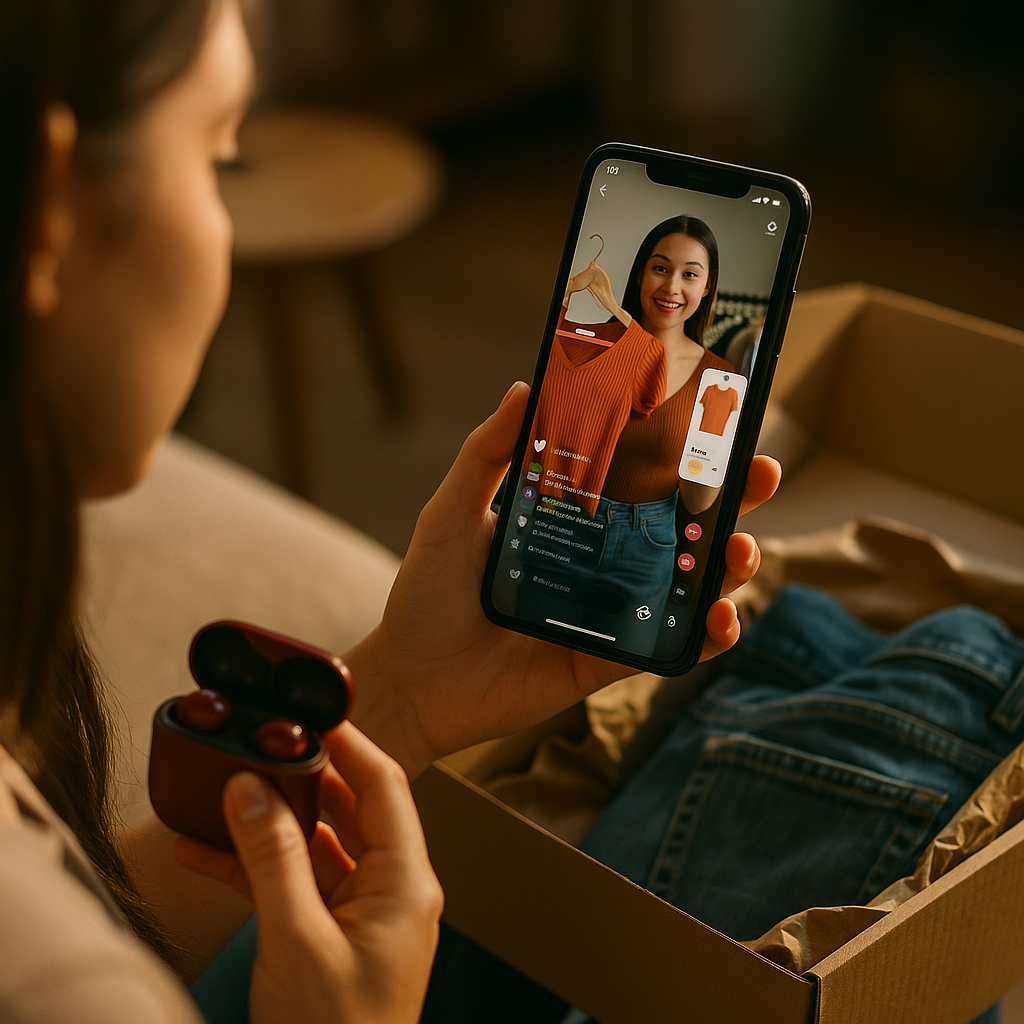
Brands running one-off TikTok Shop livestreams are leaving money on the table. TikTok’s own commerce data has repeatedly shown that accounts hosting livestreams on a consistent cadence see dramatically higher repeat viewership than those that stream sporadically. A recurring shoppable episode format turns a livestream from a one-time event into appointment viewing, and appointment viewing is where the real revenue compounds.
Most brands still treat TikTok Shop livestreams like a product launch party: big push, one night, then silence for weeks. That’s a mistake. The platform rewards habit formation, and habit formation requires a recognizable, repeatable structure that viewers learn to expect.
Why a One-Off Livestream Can’t Compete With a Series
Think about why QVC lasted four decades. It wasn’t the products. It was the schedule, the hosts, the rhythm viewers could set their watch to. TikTok Shop livestreams work the same way. A single stream might spike on launch day and then vanish from the algorithm within 48 hours. A recurring show, by contrast, builds a subscriber-like audience that returns because they know a new episode drops every Tuesday at 7pm, or every Friday at noon, or whatever cadence fits the brand.
This isn’t just a content strategy preference. It’s an operational one. Recurring formats let teams batch planning, reuse production templates, and build a performance baseline they can actually optimize against. One-off streams give you a single data point. A series gives you a trend line.
A branded livestream show isn’t a marketing event anymore, it’s a media property that happens to sell product in real time.
What “Episode Format” Actually Means Here
An episode format is a repeatable structure with segments, not an unscripted hour of a host holding up products. Think of it the way you’d think of a podcast rundown or a morning show block. Successful TikTok Shop shows typically run something like this:
- Cold open (0 to 2 minutes): A hook that stops scrollers, often tied to a deal reveal or a trending product.
- Segment one, the hero drop: The flagship product of the episode, demoed with urgency (limited stock, flash pricing).
- Segment two, Q&A or live comments: Host answers chat questions, builds parasocial trust, name-drops viewers.
- Segment three, the rotating category: A themed sub-segment that changes weekly (new arrivals, restocks, bundle deals).
- Closing countdown: A final urgency push before the stream ends, often with a teaser for next episode.
This structure matters because it gives editors a template for livestream clip repurposing after the stream ends. If every episode has the same segment shape, clipping teams know exactly where to look for the strongest moments without scrubbing through hours of raw footage.
Casting the Host: Consistency Beats Star Power
Brands often overinvest in booking a different big-name creator for every stream. That’s backwards. Viewers bond with a consistent host or small rotating cast, the same way audiences bond with a sitcom ensemble. A mid-tier creator who shows up every week and knows the product line cold will usually outperform a rotating cast of unfamiliar faces, even if those faces have bigger followings.
The founder led video versus hired creators debate applies directly here. A founder who hosts the show personally, or a creator who becomes the recognizable face of the brand’s livestream property, builds trust that a parade of unfamiliar guest hosts simply cannot replicate week over week.
Scripting Without Killing Spontaneity
The biggest objection brands raise is that scripted structure kills the authentic, off-the-cuff energy that makes livestreams work in the first place. Fair concern. But structure and spontaneity aren’t opposites. The segment architecture is fixed; the in-the-moment banter, product reactions, and comment interactions stay loose.
This is the same logic behind live commerce scripts used in individual streams, except now it’s applied at the series level. You’re not scripting dialogue. You’re scripting beats: when urgency hits, when the price reveal happens, when the host pivots to the next product. Hosts who understand the beat sheet riff more confidently, not less, because they’re not guessing what comes next.
Pre-production for a recurring show also benefits from a hook taxonomy system, where each episode’s cold open is pulled from a tested library of hook types rather than invented from scratch every week. This keeps episode quality consistent even when the person writing the rundown changes.
The Content Afterlife: Episodes Don’t End When the Stream Does
This is where most brands drop the ball. A livestream show that only exists live is wasting 80 percent of its value. Every episode should feed a pipeline that turns raw stream footage into short-form assets for the following week.
Specifically:
- Pull the top three to five moments per episode using livestream highlight clips to feed TikTok’s main feed between episodes.
- Build a running archive through livestream clip mining, treating old VODs as a hook library for future paid social creative.
- Repurpose host reactions and product demos as standalone shoppable video overlays for static product pages.
Brands that treat each episode as raw material for a week of downstream content get vastly more mileage out of the same production spend. One hour of livestream can realistically produce ten to fifteen short clips, several paid ad variants, and a handful of organic posts, all without a separate shoot.
What’s the Right Cadence?
Weekly is the most common cadence among brands that have stuck with the format long enough to see results, but it’s not universal. Fashion and beauty brands with fast SKU turnover often go weekly or even twice weekly. Home goods and higher-consideration categories sometimes do better biweekly, since purchase cycles are longer and viewers don’t need constant novelty.
The real test isn’t frequency, it’s whether the team can sustain quality at that frequency without burning out the host or draining the production budget. A sloppy weekly show erodes trust faster than a polished biweekly one. Start conservative, measure retention by episode, and scale cadence up only once the format is proven.
Retention rate per episode, not total reach, is the metric that tells you whether your show has a future. Reach is a vanity number for livestreams that nobody comes back to.
Measuring a Show, Not Just a Stream
Single-stream KPIs (peak concurrent viewers, GMV per hour) still matter, but a recurring format needs series-level metrics layered on top:
- Episode-over-episode retention: What percentage of last week’s viewers showed up again?
- Average watch time trend: Is it climbing as the show builds familiarity, or flatlining?
- Repeat purchaser rate: Are the same shoppers buying across multiple episodes, suggesting loyalty rather than one-time impulse?
- Clip-to-stream attribution: How much traffic do pre-show teaser clips and post-show highlight reels drive back to the next live episode?
These numbers matter to finance teams too. Just as brands now expect product explainer KPIs on standalone creator content, a livestream show needs its own reporting cadence that ties episodes to sales lift, not just engagement vanity metrics. For broader context on how TikTok Shop fits into the commerce landscape, TikTok’s own advertising resources and eMarketer’s retail media research are useful benchmarks when building internal reporting templates.
Compensation Models That Fit a Series
Paying a host a flat per-stream fee ignores the incentive structure that actually drives a recurring show’s growth. Commission ready briefs work especially well here because they align host behavior with the metric that matters most: whether this week’s episode converted. Hosts who have skin in the sales outcome tend to push urgency harder, engage chat more actively, and care about product knowledge in a way that flat-fee talent rarely does.
Common Mistakes That Sink the Format Early
A few patterns show up again and again in brands that tried a recurring show and abandoned it within a month:
- Inconsistent scheduling. Skipping a week “just this once” trains the audience that the show isn’t reliable, and reliability is the entire value proposition.
- Changing hosts too often. Viewers need a face to recognize. Rotating talent resets the trust-building clock every time.
- No post-show content plan. Letting hours of footage sit unused is the single biggest wasted opportunity in this format.
- Treating every episode as a hard sell. Viewers tune out shows that feel like an hour-long infomercial with zero personality or entertainment value.
For broader guidance on disclosure requirements when hosts promote paid products on a recurring basis, the FTC’s endorsement guidelines are worth reviewing before launch, since recurring hosted content raises the same compliance questions as any paid partnership, just repeated on a schedule.
Building the Episode Calendar
Treat the show like an editorial calendar, not a series of ad hoc sales pushes. Map out eight to twelve weeks in advance: which product category headlines each episode, which creator or host is scheduled, what the rotating segment theme is, and what promotional push (email, organic teaser, paid boost) supports each episode launch. This planning horizon lets the content team build teaser clips and multi hook testing assets ahead of time instead of scrambling the morning of the stream.
A documented calendar also makes it easier to spot when a theme is wearing thin. If retention drops two episodes in a row around a particular segment type, that’s a signal to retire it before it drags down the whole show’s reputation.
Next Step
Pick one weekly time slot, commit to it for eight consecutive episodes before judging results, and build your clip repurposing pipeline before episode one airs, not after episode four underperforms. The format rewards patience and punishes brands that quit after a single slow week.
FAQs
How long should a recurring TikTok Shop livestream episode run?
Most brands find 45 to 90 minutes works best. Long enough to cover multiple product segments and build urgency, short enough that hosts and viewers don’t burn out. Test shorter runtimes first and extend once retention data supports it.
Do I need a different host every episode to keep content fresh?
No. Consistency beats novelty in this format. A familiar host or small rotating cast builds the parasocial trust that drives repeat viewership, while constantly swapping hosts resets audience familiarity each time.
What’s a realistic timeline to see results from a recurring show?
Give it six to eight episodes minimum before evaluating. Episode-over-episode retention typically takes several weeks to build as the algorithm and audience learn the schedule.
Can small or mid-size brands realistically sustain a weekly show?
Yes, if the format and segments are templated in advance. The production burden comes from reinventing the structure each week, not from the livestream itself. A fixed rundown makes weekly cadence sustainable even for lean teams.
How do we repurpose livestream footage without a big editing team?
Use the fixed segment structure to your advantage. Since every episode follows the same beat sheet, editors can quickly locate the hero drop, Q&A highlights, and closing urgency moment without reviewing the full recording, cutting editing time significantly.
Top Influencer Marketing Agencies
The leading agencies shaping influencer marketing in 2026
Agencies ranked by campaign performance, client diversity, platform expertise, proven ROI, industry recognition, and client satisfaction. Assessed through verified case studies, reviews, and industry consultations.
Moburst

-
2

The Shelf
Boutique Beauty & Lifestyle Influencer AgencyA data-driven boutique agency specializing exclusively in beauty, wellness, and lifestyle influencer campaigns on Instagram and TikTok. Best for brands already focused on the beauty/personal care space that need curated, aesthetic-driven content.Clients: Pepsi, The Honest Company, Hims, Elf Cosmetics, Pure LeafVisit The Shelf → -
3

Audiencly
Niche Gaming & Esports Influencer AgencyA specialized agency focused exclusively on gaming and esports creators on YouTube, Twitch, and TikTok. Ideal if your campaign is 100% gaming-focused — from game launches to hardware and esports events.Clients: Epic Games, NordVPN, Ubisoft, Wargaming, Tencent GamesVisit Audiencly → -
4

Viral Nation
Global Influencer Marketing & Talent AgencyA dual talent management and marketing agency with proprietary brand safety tools and a global creator network spanning nano-influencers to celebrities across all major platforms.Clients: Meta, Activision Blizzard, Energizer, Aston Martin, WalmartVisit Viral Nation → -
5

The Influencer Marketing Factory
TikTok, Instagram & YouTube CampaignsA full-service agency with strong TikTok expertise, offering end-to-end campaign management from influencer discovery through performance reporting with a focus on platform-native content.Clients: Google, Snapchat, Universal Music, Bumble, YelpVisit TIMF → -
6

NeoReach
Enterprise Analytics & Influencer CampaignsAn enterprise-focused agency combining managed campaigns with a powerful self-service data platform for influencer search, audience analytics, and attribution modeling.Clients: Amazon, Airbnb, Netflix, Honda, The New York TimesVisit NeoReach → -
7

Ubiquitous
Creator-First Marketing PlatformA tech-driven platform combining self-service tools with managed campaign options, emphasizing speed and scalability for brands managing multiple influencer relationships.Clients: Lyft, Disney, Target, American Eagle, NetflixVisit Ubiquitous → -
8

Obviously
Scalable Enterprise Influencer CampaignsA tech-enabled agency built for high-volume campaigns, coordinating hundreds of creators simultaneously with end-to-end logistics, content rights management, and product seeding.Clients: Google, Ulta Beauty, Converse, AmazonVisit Obviously →