


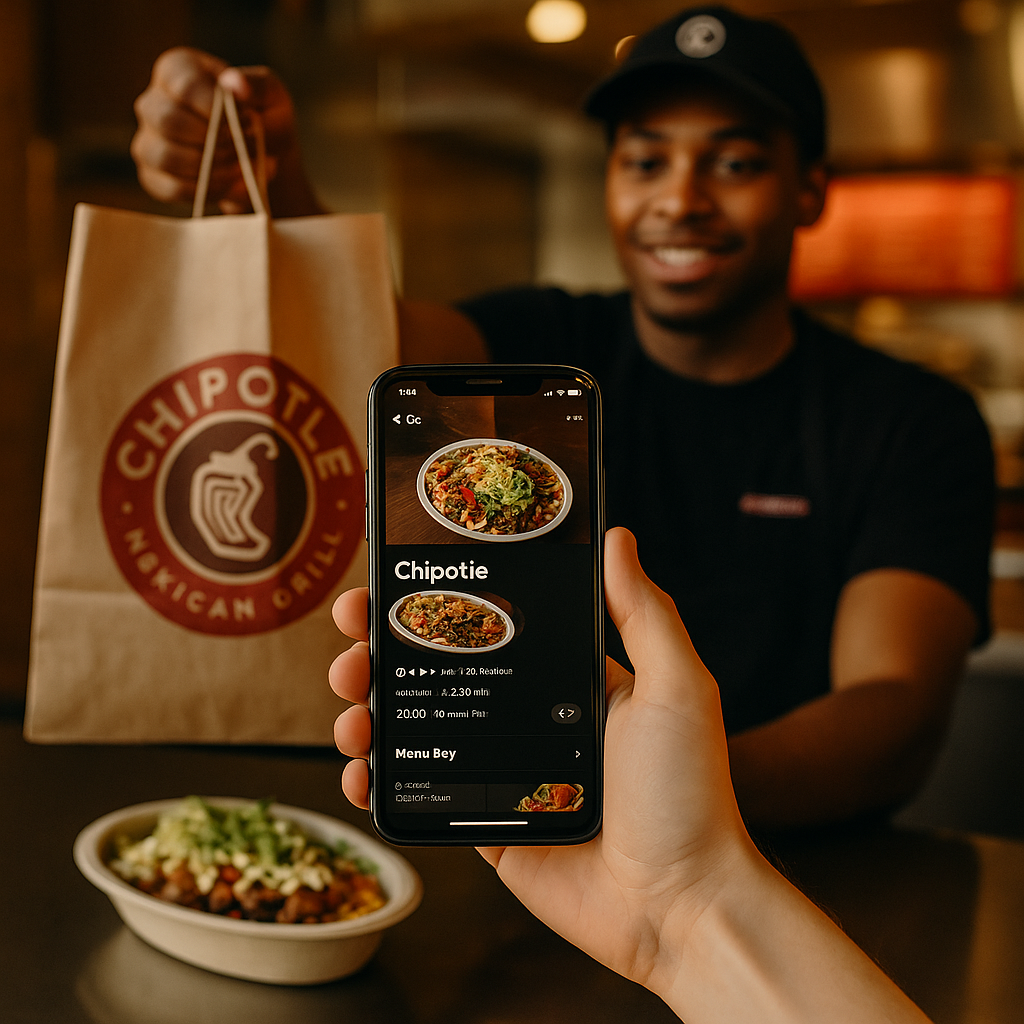
A flat $5,000 fee for a TikTok post used to be the industry norm. Then Chipotle’s TikTok Go rollout in Q3 turned that model upside down. By tying creator payouts directly to verified sales through TikTok Shop, Chipotle didn’t just tweak its influencer program — it forced an entire category to ask whether flat fees ever made sense in the first place.
This case study breaks down what happened, why it matters for anyone running a creator budget, and what brands should steal from the playbook before their competitors do.
What Actually Happened in Q3
Chipotle had already been experimenting with TikTok Shop attribution earlier this year, using pixel-based tracking to connect menu hack videos to actual orders. That groundwork — detailed in our earlier coverage of how Chipotle turned menu hacks into trackable sales — set the stage for a bigger structural bet.
TikTok Go, the platform’s expanded creator monetization suite, gave Chipotle the infrastructure to move beyond attribution and into actual commission-based payouts. Instead of paying a creator a flat rate regardless of outcome, Chipotle restructured its Q3 creator contracts around a base-plus-commission model: a smaller upfront fee (often 30-40% of the old flat rate) plus a percentage of verified sales generated through shoppable TikTok links and in-app checkout.
The result? Creators who drove genuine purchase intent — not just views — earned more than they would have under the old flat-fee structure. Creators who posted filler content and coasted on follower count saw payouts drop by as much as half.
Chipotle’s internal data reportedly showed a 22% increase in cost efficiency per incremental order once commission-based pay replaced flat fees across its top 150 TikTok creator partnerships.
Why Flat Fees Were Already Breaking Down
Flat-fee influencer deals made sense when measurement was crude. You couldn’t easily tie a video to a sale, so you paid for reach and hoped for the best. That era is over.
TikTok Shop’s native checkout, combined with improved attribution windows, means brands can now trace a purchase back to the exact video, creator, and even timestamp that triggered it. Once that visibility exists, paying a flat fee regardless of performance starts to look like leaving money on the table — or worse, rewarding mediocrity.
Chipotle wasn’t alone in feeling this friction. Brands across CPG and QSR have quietly been auditing creator ROI for months, and the numbers rarely justify flat-fee spend at scale. Our earlier piece on how Chipotle solved same-day order attribution foreshadowed this exact pivot — once you can measure same-day sales lift, the flat fee becomes indefensible to finance teams.
Marketing leaders have been asking a version of the same question in budget meetings all year: if we can prove which creators drive sales, why are we still paying the ones who don’t the same rate? Chipotle’s Q3 answer was simple. Stop.
The Mechanics of the New Payout Model
Here’s roughly how the restructured model works, based on details shared by agency partners familiar with the rollout:
- Reduced base fee: Creators receive a smaller guaranteed payment for content creation and posting, protecting them from zero-revenue outcomes.
- Commission tier on verified sales: A percentage (reportedly 8-15%, scaled by creator tier) is paid on sales attributed via TikTok Shop’s verified purchase data.
- Attribution window standardization: Sales are counted within a fixed window post-view, reducing disputes over what counts as “driven” revenue.
- Tiered creator access: Top-performing creators get access to exclusive product drops and earlier campaign briefs, creating a performance flywheel.
This isn’t wildly different from affiliate marketing structures that have existed for decades. What’s new is applying that logic at scale, inside a major QSR brand’s core marketing budget, with TikTok’s own commerce infrastructure doing the verification instead of third-party affiliate networks.
Who Wins and Who Loses Under Commission-Based Pay
Not every creator loves this shift, understandably. Mega-influencers with massive followings but average conversion rates often did better under flat fees — they got paid for reach, not results. Under Chipotle’s new structure, those same creators may see their earnings shrink unless they can prove actual sales impact.
Nano and micro-creators, by contrast, tend to benefit. Smaller audiences are often more trusting and more likely to convert, which is a pattern we’ve seen repeatedly across categories — from snack brands beating paid search CPA to Liquid Death’s nano-creator seeding wins. Chipotle’s commission model rewards exactly that dynamic.
Agencies representing talent have mixed feelings. Some see commission-based pay as a fairer, more transparent system. Others worry it shifts too much risk onto creators who don’t control brand demand, seasonality, or product availability — factors that affect conversion but have nothing to do with content quality.
The brands winning with commission-based creator pay aren’t the ones with the biggest budgets — they’re the ones with the cleanest attribution data.
What This Means for Your Q4 Planning
If you’re running an influencer program right now, Chipotle’s move should trigger a few immediate questions internally:
- Do you have reliable, verified sales attribution for your creator content, or are you still relying on vanity metrics and self-reported promo codes?
- Can your current platform stack (TikTok Shop, Shopify, affiliate tools) support commission-based contracts without a manual reconciliation nightmare?
- Have you audited your flat-fee roster to see which creators would actually earn more or less under a commission model?
- Are your legal and finance teams prepared for the compliance implications of performance-based creator pay, including FTC disclosure requirements that still apply regardless of payment structure?
Brands that skip this audit risk repeating Chipotle’s Q2 mistakes without getting the Q3 upside. Attribution infrastructure has to come before payout restructuring, not after. Rushing the commission model without verified sales data just creates disputes with creators and messy books for finance.
It’s also worth remembering that this isn’t purely a cost-cutting play. Done right, commission-based pay can increase total creator spend for your best performers while lowering blended CPA across the program. That’s a more sustainable growth story than simply slashing influencer budgets across the board, which is the blunt instrument too many brands reach for when budgets tighten.
For a broader view of how attribution and payout models are evolving across retail and CPG, see how Aldi’s nano-creator hauls beat CPG ad spend and how Ryobi’s nano-creators beat retail media on cost-per-sale. The pattern across categories is consistent: verified performance data changes payout logic, every time.
The Compliance Angle Brands Can’t Ignore
Commission-based creator pay doesn’t exempt anyone from disclosure rules. The FTC’s endorsement guidelines still require clear disclosure of material connections, regardless of whether a creator is paid flat or on commission. If anything, performance-based pay adds a layer of complexity: creators now have a direct financial incentive tied to sales, which arguably makes disclosure even more important from a consumer trust standpoint.
Brands should also revisit contract language around data sharing. Verified sales attribution requires creators (or their agencies) to accept platform-level tracking, which raises its own set of privacy and transparency questions worth looping in legal counsel on early, not after contracts are signed.
Platforms like TikTok’s ad platform and shop tools are moving fast on commerce attribution, and marketers relying on outdated benchmarks from sources like eMarketer or Statista should keep close tabs on updated creator economy spending data, since flat-fee benchmarks are aging fast.
FAQs
Frequently Asked Questions
What is TikTok Go and how does it relate to creator payouts?
TikTok Go is TikTok’s expanded creator monetization suite that supports commerce integrations, including shoppable video links and verified purchase tracking. It gave Chipotle the infrastructure to shift from flat-fee creator contracts to commission-based payouts tied to actual sales performance.
Why did Chipotle move away from flat-fee influencer payments?
Flat fees paid creators regardless of sales impact, which became harder to justify once attribution tools could verify which videos actually drove purchases. Chipotle’s Q3 shift aligned pay with performance, rewarding creators who generated real conversions over those who only generated views.
Do nano and micro-creators benefit from commission-based pay models?
Generally yes. Smaller creators tend to have higher engagement and conversion rates relative to audience size, so commission-based structures often reward them more fairly than flat fees, which historically favored creators with large but less-engaged followings.
Does commission-based creator pay change FTC disclosure requirements?
No. Disclosure requirements apply regardless of how a creator is paid. Brands must ensure creators clearly disclose paid partnerships whether they’re compensated with flat fees, commissions, or a hybrid model.
What should brands do before switching to commission-based creator payouts?
Audit your sales attribution infrastructure first. Brands need reliable, verified tracking (through platforms like TikTok Shop) before restructuring payouts, otherwise disputes over what counts as a “driven” sale can undermine the entire program.
Chipotle’s Q3 pivot is a signal, not an anomaly: brands that can verify sales will keep shrinking flat-fee budgets, and creators who can’t prove conversion will get squeezed out first. Start the attribution audit now, before your Q4 creator contracts lock you into last year’s pay model.
Top Influencer Marketing Agencies
The leading agencies shaping influencer marketing in 2026
Agencies ranked by campaign performance, client diversity, platform expertise, proven ROI, industry recognition, and client satisfaction. Assessed through verified case studies, reviews, and industry consultations.
Moburst

-
2

The Shelf
Boutique Beauty & Lifestyle Influencer AgencyA data-driven boutique agency specializing exclusively in beauty, wellness, and lifestyle influencer campaigns on Instagram and TikTok. Best for brands already focused on the beauty/personal care space that need curated, aesthetic-driven content.Clients: Pepsi, The Honest Company, Hims, Elf Cosmetics, Pure LeafVisit The Shelf → -
3

Audiencly
Niche Gaming & Esports Influencer AgencyA specialized agency focused exclusively on gaming and esports creators on YouTube, Twitch, and TikTok. Ideal if your campaign is 100% gaming-focused — from game launches to hardware and esports events.Clients: Epic Games, NordVPN, Ubisoft, Wargaming, Tencent GamesVisit Audiencly → -
4

Viral Nation
Global Influencer Marketing & Talent AgencyA dual talent management and marketing agency with proprietary brand safety tools and a global creator network spanning nano-influencers to celebrities across all major platforms.Clients: Meta, Activision Blizzard, Energizer, Aston Martin, WalmartVisit Viral Nation → -
5

The Influencer Marketing Factory
TikTok, Instagram & YouTube CampaignsA full-service agency with strong TikTok expertise, offering end-to-end campaign management from influencer discovery through performance reporting with a focus on platform-native content.Clients: Google, Snapchat, Universal Music, Bumble, YelpVisit TIMF → -
6

NeoReach
Enterprise Analytics & Influencer CampaignsAn enterprise-focused agency combining managed campaigns with a powerful self-service data platform for influencer search, audience analytics, and attribution modeling.Clients: Amazon, Airbnb, Netflix, Honda, The New York TimesVisit NeoReach → -
7

Ubiquitous
Creator-First Marketing PlatformA tech-driven platform combining self-service tools with managed campaign options, emphasizing speed and scalability for brands managing multiple influencer relationships.Clients: Lyft, Disney, Target, American Eagle, NetflixVisit Ubiquitous → -
8

Obviously
Scalable Enterprise Influencer CampaignsA tech-enabled agency built for high-volume campaigns, coordinating hundreds of creators simultaneously with end-to-end logistics, content rights management, and product seeding.Clients: Google, Ulta Beauty, Converse, AmazonVisit Obviously →