


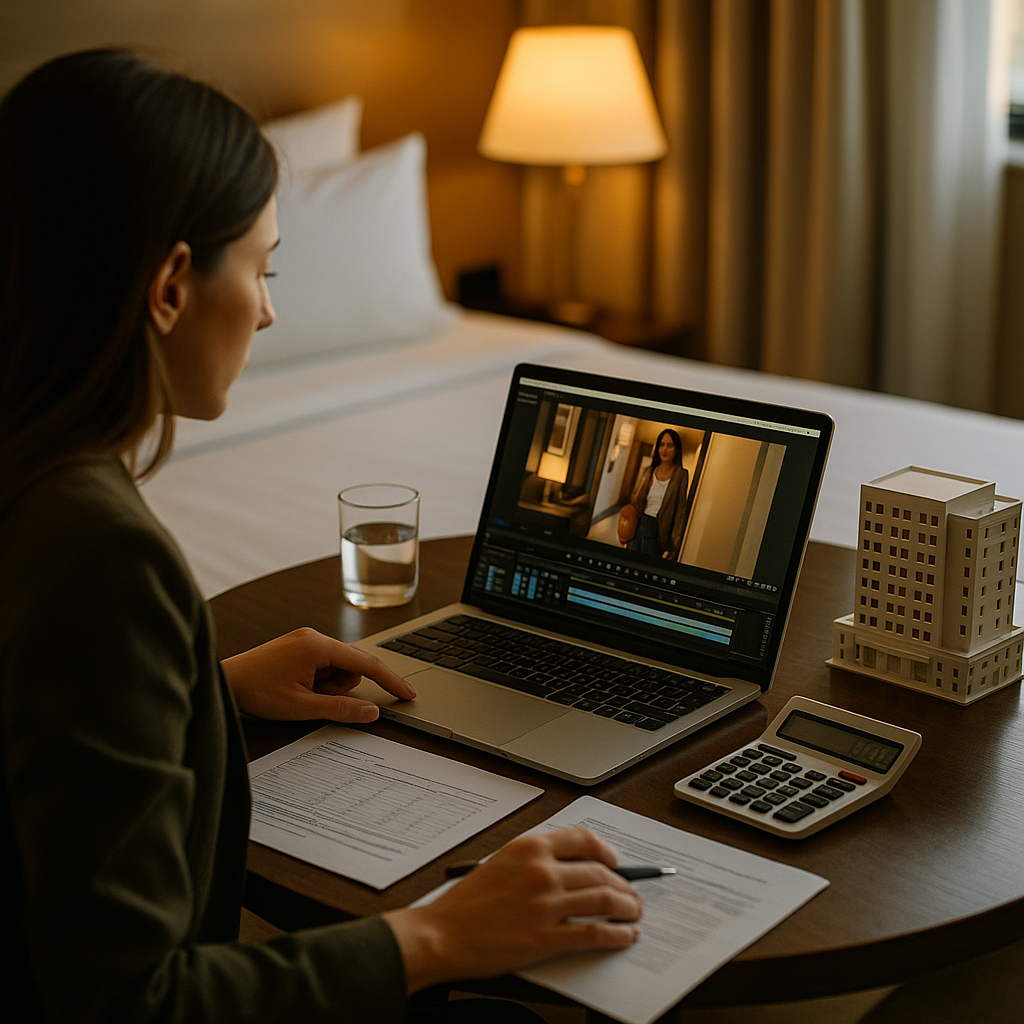
One nano influencer with 8,000 followers can move more room nights than a $50,000 OTA placement, and Radisson has the dashboard to prove it. The hotel group’s Creator Hub platform has quietly turned nano influencer hotel booking into a repeatable, trackable demand channel, not a one-off PR stunt. For brand marketers still treating influencer travel content as top-of-funnel fluff, this is the operational blueprint worth studying.
Why Radisson Built Its Own Creator Engine
Hotel groups have spent two decades bleeding margin to Expedia, Booking.com, and their affiliate ecosystems. Commission rates on OTA bookings routinely run 15% to 25% per stay, according to data tracked by Statista’s travel industry research. That’s a brutal tax on every room sold through a third party. Radisson’s response wasn’t another loyalty app tweak. It was a purpose-built infrastructure layer that recruits, vets, briefs, and pays nano and micro creators to drive direct bookings property by property.
The logic is simple once you see it. Nano creators (typically 1,000 to 20,000 followers) convert at higher rates than celebrity travel influencers because their audiences trust them like a friend recommending a hotel, not a sponsored post from a stranger with 2 million followers. Radisson figured out how to industrialize that trust at scale, across hundreds of properties, without a small army of manual account managers.
Radisson’s Creator Hub reportedly reduced OTA-driven bookings at pilot properties by double digits within two quarters, shifting that demand to direct-booked, creator-attributed stays instead.
What the Creator Hub Actually Does
Strip away the branding and Creator Hub is a matching and attribution engine built for a very specific use case: local, hyper-relevant nano influencer hotel booking campaigns that individual property managers can run without corporate marketing sign-off on every post.
- Localized creator discovery. The platform surfaces nano and micro creators near a specific Radisson property, prioritizing engagement rate and local audience overlap over raw follower count.
- Automated briefing and rate cards. Property teams select from templated campaign briefs (weekend staycation, business traveler review, family suite tour) so creators get consistent direction without a lengthy back-and-forth.
- Trackable booking links. Every creator gets a unique booking code or link, so a stay can be attributed directly to a specific piece of content, not lumped into vague “social referral” traffic.
- Tiered, performance-based payouts. Compensation blends a flat content fee with a commission on attributed bookings, aligning creator incentives with actual room nights sold rather than just impressions.
This is the part that separates Creator Hub from a typical influencer marketing platform bolted onto a hotel’s social team. It was built around booking attribution first, content aesthetics second. That’s a brand-perspective decision, not a creative one.
The Nano Advantage: Why Small Follower Counts Win Bigger
Marketers who still allocate budget by follower count are leaving money on the table. Engagement benchmarks tracked by Sprout Social’s social media research consistently show nano accounts outperforming macro and celebrity tiers on engagement rate, often by a factor of two or three. For a hotel brand, engagement isn’t just a vanity metric. It correlates directly with click-through on booking links and, ultimately, completed reservations.
There’s also a cost-efficiency story here that CFOs care about. A single celebrity travel influencer partnership can cost more than an entire quarter’s worth of nano creator activations across 50 properties. Radisson’s model spreads risk and spend across a wide bench of smaller creators, so no single relationship carries outsized budget exposure. If one creator underperforms, it’s a rounding error, not a campaign failure.
This mirrors a pattern Influencers Time has covered elsewhere in retail and CPG, where brands are discovering that nano-creator seeding outperforms big-name endorsements on cost per acquisition. Radisson essentially applied that CPG-tested logic to hospitality, where the “product” is a room night instead of a tumbler.
Operational Efficiency: Fewer Bottlenecks, Faster Cycles
Ask any regional marketing manager at a hotel group what kills influencer programs and they’ll say the same thing: approval bottlenecks. Corporate legal has to review, brand has to approve visuals, and by the time everything clears, the campaign window has closed. Creator Hub’s templated brief system exists specifically to solve this.
Property-level teams work within pre-approved creative and messaging guardrails, which means a general manager in a mid-size market can launch a weekend campaign without waiting three weeks for headquarters sign-off. That’s a meaningful shift in how hotel marketing operates, and it echoes a broader trend in creator tooling: platforms that let non-specialist teams run compliant campaigns without constant escalation.
Similar operational logic shows up in how Chipotle scaled creator tiers using programmatic matching instead of manual outreach, and in how a coffee brand tripled ROAS with AI creator matching. The common thread: automation isn’t replacing strategy, it’s removing the friction that used to make localized creator programs impractical at scale.
Attribution: The Part Most Travel Brands Get Wrong
Travel marketing has an attribution problem that’s arguably worse than most verticals. Booking journeys are long, cross-device, and often involve multiple touchpoints before someone actually commits. Most hotel groups still default to last-click attribution pulled from their booking engine, which massively undercounts influencer-driven demand that happens days or weeks before a booking completes.
Radisson’s approach uses unique promo codes and trackable links tied to individual creators, giving property teams a cleaner (if imperfect) view of which content actually drove revenue. It’s not a perfect multi-touch model, but it’s a dramatic improvement over “we posted something and bookings went up that month, probably.”
Unique booking codes per creator turn a vague social media presence into a line item finance teams can actually defend in a budget review.
This attribution discipline matters more than most marketers realize when it comes to renewing budget. A skincare brand documented in how a lakehouse proved creator ROI faced the exact same internal battle: without clean attribution, influencer budgets get cut first in a downturn because nobody can prove they drove revenue. Radisson’s Creator Hub was built, at least partly, as a defense mechanism against that exact scenario.
Compliance and Disclosure: Not Optional in Travel
Hospitality campaigns involving free stays, comped rooms, or discounted rates fall squarely under FTC endorsement guidelines, and regulators have shown increasing willingness to enforce disclosure rules against both creators and the brands that pay them. Any hotel group running nano influencer hotel booking programs at scale needs airtight disclosure workflows baked into the platform, not left to individual creator discretion.
Radisson’s brief templates reportedly include mandatory disclosure language and hashtag requirements aligned with FTC endorsement guidance, which is the kind of unglamorous compliance work that prevents a viral campaign from turning into a regulatory headache. Brands that skip this step tend to learn the hard way. The Poppi FTC settlement, covered in how Poppi rebuilt influencer trust, is a cautionary tale every travel marketer should read before launching a similar program.
Practically, this means:
- Standardized disclosure copy embedded in every campaign brief, not left to creator interpretation.
- Clear recordkeeping on comped stays, discounts, or payments tied to each creator partnership.
- Periodic audits of live content to confirm disclosures haven’t been edited out or buried in caption overflow.
What This Means for Other Brands Watching From the Sidelines
Radisson isn’t the only brand rethinking direct demand generation through creator programs, but it’s one of the clearer hospitality examples of building infrastructure rather than running campaigns. Other travel and hospitality marketers evaluating a similar move should ask three questions before committing budget: Can we track bookings back to individual creators? Can property-level teams execute without waiting on corporate approval every time? And do we have disclosure compliance built into the workflow, not added afterward?
If the answer to any of those is no, a Creator Hub style platform will underdeliver regardless of how many nano creators get recruited. The tooling matters, but the operational discipline behind it matters more. That’s a lesson that shows up repeatedly across sectors, from DTC launch cost reduction through vetted creator networks to grocery retail programs that beat national CPG cost-per-sale benchmarks using similar structured approaches.
The broader industry data backs the shift too. eMarketer’s creator economy forecasts continue to show nano and micro tiers capturing a growing share of influencer marketing budgets, precisely because brands are prioritizing measurable conversion over reach. Radisson’s Creator Hub is a hospitality-specific expression of that same industry-wide reallocation.
FAQs
Frequently Asked Questions
What is Radisson’s Creator Hub?
Creator Hub is Radisson’s internal platform for recruiting, briefing, and paying nano and micro influencers to drive direct hotel bookings at the property level, with built-in tracking to attribute reservations back to individual creators.
How does nano influencer hotel booking differ from traditional influencer marketing?
Nano influencer hotel booking programs focus on creators with small, highly engaged local audiences (typically 1,000 to 20,000 followers) and pay based partly on tracked booking outcomes rather than flat fees for reach or impressions alone.
Why would a hotel group prefer nano creators over celebrity influencers?
Nano creators generally deliver higher engagement rates and lower cost per acquisition, and spreading budget across many small partnerships reduces the risk of any single campaign underperforming.
How does Radisson track ROI from creator bookings?
The platform assigns unique promo codes or booking links to each creator, allowing property teams to attribute specific reservations directly to individual pieces of content rather than relying on generic social referral data.
What compliance risks should hotel brands watch for in influencer campaigns?
Comped stays, discounted rates, and payments to creators all trigger FTC endorsement disclosure requirements, and brands need standardized disclosure language and recordkeeping built into every campaign brief to stay compliant.
The takeaway for brand teams outside hospitality is straightforward: build attribution and compliance into the platform before scaling creator count, not after. Get that sequence backwards, and no amount of nano creator volume will save the budget conversation next quarter.
Top Influencer Marketing Agencies
The leading agencies shaping influencer marketing in 2026
Agencies ranked by campaign performance, client diversity, platform expertise, proven ROI, industry recognition, and client satisfaction. Assessed through verified case studies, reviews, and industry consultations.
Moburst

-
2

The Shelf
Boutique Beauty & Lifestyle Influencer AgencyA data-driven boutique agency specializing exclusively in beauty, wellness, and lifestyle influencer campaigns on Instagram and TikTok. Best for brands already focused on the beauty/personal care space that need curated, aesthetic-driven content.Clients: Pepsi, The Honest Company, Hims, Elf Cosmetics, Pure LeafVisit The Shelf → -
3

Audiencly
Niche Gaming & Esports Influencer AgencyA specialized agency focused exclusively on gaming and esports creators on YouTube, Twitch, and TikTok. Ideal if your campaign is 100% gaming-focused — from game launches to hardware and esports events.Clients: Epic Games, NordVPN, Ubisoft, Wargaming, Tencent GamesVisit Audiencly → -
4

Viral Nation
Global Influencer Marketing & Talent AgencyA dual talent management and marketing agency with proprietary brand safety tools and a global creator network spanning nano-influencers to celebrities across all major platforms.Clients: Meta, Activision Blizzard, Energizer, Aston Martin, WalmartVisit Viral Nation → -
5

The Influencer Marketing Factory
TikTok, Instagram & YouTube CampaignsA full-service agency with strong TikTok expertise, offering end-to-end campaign management from influencer discovery through performance reporting with a focus on platform-native content.Clients: Google, Snapchat, Universal Music, Bumble, YelpVisit TIMF → -
6

NeoReach
Enterprise Analytics & Influencer CampaignsAn enterprise-focused agency combining managed campaigns with a powerful self-service data platform for influencer search, audience analytics, and attribution modeling.Clients: Amazon, Airbnb, Netflix, Honda, The New York TimesVisit NeoReach → -
7

Ubiquitous
Creator-First Marketing PlatformA tech-driven platform combining self-service tools with managed campaign options, emphasizing speed and scalability for brands managing multiple influencer relationships.Clients: Lyft, Disney, Target, American Eagle, NetflixVisit Ubiquitous → -
8

Obviously
Scalable Enterprise Influencer CampaignsA tech-enabled agency built for high-volume campaigns, coordinating hundreds of creators simultaneously with end-to-end logistics, content rights management, and product seeding.Clients: Google, Ulta Beauty, Converse, AmazonVisit Obviously →